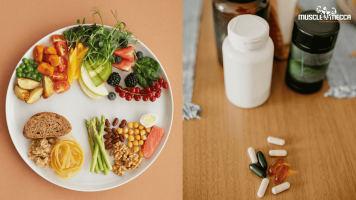
Today I’m breaking down the best foods to boost your glutamine intake for stronger muscles and a healthier gut. You've probably heard that what you eat directly impacts your gut and muscles, but one nutrient stands out more than most: glutamine. This powerful amino acid supports both muscle recovery and digestive health, making it essential whether you're training hard or simply improving your overall wellness.
The key question isn’t whether you need glutamine, it’s whether you're getting enough from your diet. Let’s break down the top foods that can help you optimize both gut health and muscle performance.

Chicken breast is one of the best sources of glutamine and lean protein. It supports muscle repair, recovery, and growth while being low in fat.

Fish like salmon and tuna offer glutamine along with omega-3 fatty acids that support recovery and reduce inflammation.

Tofu is a great plant-based glutamine source, ideal for vegetarians and vegans looking to support muscle growth.

Spinach contains glutamine and antioxidants that support recovery and overall health.
If you're engaging in intense training or high-volume workouts, your requirements can increase even further due to greater depletion during exercise.
In most cases, a balanced diet rich in protein sources is enough to meet these needs without additional supplementation.

Whole foods should always serve as the foundation of your glutamine intake, as they provide not only this amino acid but also essential vitamins, minerals, and other nutrients that enhance absorption and overall health.
However, supplements can be beneficial in certain situations, particularly if you train intensely, experience poor recovery, or struggle to meet your protein requirements through diet alone.
The most effective approach is to prioritize glutamine-rich foods first, then use supplementation strategically when necessary to support performance and recovery.
Focus on consistency, balance your meals, and align your nutrition with your training goals to get the best results.
The key question isn’t whether you need glutamine, it’s whether you're getting enough from your diet. Let’s break down the top foods that can help you optimize both gut health and muscle performance.
What Makes Glutamine Important
Glutamine is a conditionally essential amino acid that plays a major role in:- Muscle recovery and protein synthesis
- Gut lining repair and integrity
- Immune system support
- Reducing muscle breakdown during intense training
12 Foods High In Glutamine
1. Chicken Breast

Chicken breast is one of the best sources of glutamine and lean protein. It supports muscle repair, recovery, and growth while being low in fat.
2. Eggs
Eggs provide high-quality protein along with essential amino acids, including glutamine. They're versatile and easy to include in any meal.3. Beef
Beef is rich in glutamine, iron, and B vitamins, making it excellent for strength athletes and muscle recovery.4. Fish

Fish like salmon and tuna offer glutamine along with omega-3 fatty acids that support recovery and reduce inflammation.
5. Milk
Milk contains glutamine and casein protein, making it a great option for sustained amino acid release, especially before sleep.6. Greek Yogurt
Greek yogurt supports both gut health and muscle recovery thanks to its protein content and probiotics.7. Tofu

Tofu is a great plant-based glutamine source, ideal for vegetarians and vegans looking to support muscle growth.
8. Beans
Beans provide glutamine along with fiber, supporting both digestion and sustained energy levels.9. Lentils
Lentils are rich in plant protein and glutamine, making them a staple for balanced diets.10. Spinach

Spinach contains glutamine and antioxidants that support recovery and overall health.
11. Cabbage
Cabbage is particularly beneficial for gut health and supports intestinal lining repair.12. Nuts (Almonds & Peanuts)
Nuts provide a convenient source of glutamine along with healthy fats and protein.How Much Glutamine Do You Need
Your daily glutamine needs depend largely on your activity level and overall lifestyle. Sedentary individuals typically require around 3 to 5 grams per day, while those who are more active may need between 5 to 10 grams daily.If you're engaging in intense training or high-volume workouts, your requirements can increase even further due to greater depletion during exercise.
In most cases, a balanced diet rich in protein sources is enough to meet these needs without additional supplementation.
Foods vs Supplements

Whole foods should always serve as the foundation of your glutamine intake, as they provide not only this amino acid but also essential vitamins, minerals, and other nutrients that enhance absorption and overall health.
However, supplements can be beneficial in certain situations, particularly if you train intensely, experience poor recovery, or struggle to meet your protein requirements through diet alone.
The most effective approach is to prioritize glutamine-rich foods first, then use supplementation strategically when necessary to support performance and recovery.
Final Thoughts
Adding these 12 foods high in glutamine to your diet can significantly improve both gut health and muscle recovery. Whether you're aiming for better performance, faster recovery, or improved digestion, glutamine-rich foods offer a simple and effective solution.Focus on consistency, balance your meals, and align your nutrition with your training goals to get the best results.