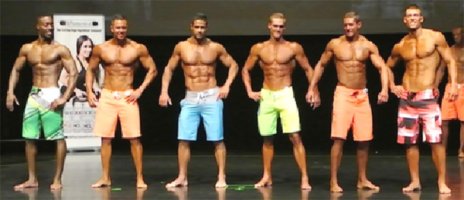
Amateur bodybuilding competitions test your discipline, strategy, and mental toughness. Competing involves more than muscles; it requires peak week prep, posing mastery, and careful nutrition planning.
First-timers typically spend 12–24 weeks learning techniques and refining their physique. The process turns athletes into strategic competitors, improving focus, planning, and presentation skills.
Every stage appearance is an opportunity to grow, achieve personal goals, and experience the excitement of showing your hard-earned results.

Both organizations maintain strict eligibility requirements and standardized judging criteria. The NPC feeds directly into professional leagues, making it vital for competitors with pro aspirations. IFBB amateur competitions provide a similar structure with international recognition.
When choosing your federation, consider your location, competition frequency, and long-term goals. Each organization has distinct divisions, judging standards, and advancement opportunities. Research thoroughly to align with your vision and guarantee your first competition experience sets the right foundation.
Men's physique competition tips emphasize a smaller, more aesthetic physique with less overall mass than traditional bodybuilding. You'll focus on proportions and conditioning without excessive size.
Men's physique prioritizes aesthetic proportions and conditioning over excessive mass, demanding a smaller, more refined competitive presence.
The classic physique division highlights balanced muscularity with moderate conditioning requirements. This division appeals to competitors seeking a middle ground between men's physique and open bodybuilding.
Consider your current physique objectively. Assess your muscle maturity, frame size, and conditioning capabilities. Your chosen division should align with your natural strengths rather than requiring dramatic physical transformations. First-timers often succeed by choosing divisions matching their existing physique, allowing them to concentrate on presentation and posing.
Start by finding local competitions through your federation's website or social media channels. Most organizations list upcoming shows months in advance. You'll then complete the registration form, providing basic information, choosing your division, and selecting your weight class if applicable.
Next, submit required documents, typically including proof of membership with your federation and a recent photo. Pay the registration fee, which varies by organization and show size.
Mark your calendar for deadlines; most federations require registration 4–8 weeks before competition day. Once confirmed, you'll receive competitor details and backstage instructions.
Judges assess competitors using specific bodybuilding judging criteria focused on muscle size, symmetry, conditioning, and proportion. They're looking for well-developed physiques with balanced aesthetics rather than just mass alone.
Your stage presence matters tremendously. Judges evaluate how confidently you present yourself, including posture, poise, and movement quality. They notice your conditioning—muscle definition, skin tightness, and overall polish. Symmetry is paramount; judges compare each body part's development relative to others.
Conditioning distinguishes competitive placings. You'll be judged under bright stage lighting, which reveals every detail. Understanding these criteria helps you prepare strategically.

You'll need a structured bodybuilding diet plan that manipulates calories, protein, carbs, and fats to shed fat while preserving muscle. Your training split should balance strength maintenance with targeted hypertrophy work.
Cardio becomes essential for accelerating fat loss without compromising gains. Supplements support your efforts but shouldn't replace solid nutrition and training fundamentals.
Success hinges on realistic goal-setting for first-timers. You're not chasing perfection, you're building a competitive physique while learning the process.
During your off-season, you'll eat in a caloric surplus to build muscle and strength. This phase typically lasts several months.
When shifting to your cutting phase, usually 12–24 weeks before competition, you'll gradually reduce calories to shed fat while preserving muscle. Steady, progressive cuts prevent muscle loss and metabolic issues.
By mastering bulking and cutting cycles, you'll arrive stage-ready and confident in your conditioning.

Mastering posing and stage presence separates average competitors from memorable performers on the bodybuilding stage.
Your posing routine should emphasize practicing mandatory poses specific to your division. You'll need to perfect transitions between poses, ensuring fluid movement that highlights your best angles.
Stage presence extends beyond poses. Walk confidently, make eye contact with judges, and maintain excellent posture. Your facial expressions should project composure and intensity.
Dedicate time to practicing posing. Film yourself, study competitors, and consider hiring a posing coach. Judges evaluate your entire presentation package.
Your peak week strategy requires attention to hydration, sodium, and carbohydrate timing.
Most competitors manipulate water intake, increasing consumption before tapering slightly 24–48 hours out. You'll also strategically load carbohydrates to fill muscle glycogen stores, creating a full, vascular look.
Sodium manipulation works alongside water adjustments to enhance conditioning. Avoid drastic changes, trust your preparation, focus on sleep, and stay consistent.

Pack your posing trunks or bikini, extra accessories, and touch-up tan. Bring grooming essentials, music backups, and required documents.
Arrive early to check in and warm up. Execute your pump-up routine 30–45 minutes before going on stage. Stay hydrated and mentally focused.
Confidence comes from preparation. Trust your training, visualize your routine, and perform.
Last-minute drastic changes often backfire. Cutting water too aggressively or mismanaging carbs can leave you flat or bloated. Over-relying on supplements instead of consistent training and nutrition is another common issue.
Your success depends on consistent execution during your prep phase. Start early, stay disciplined, and avoid panic decisions.
Stepping off stage begins recovery, not completion. Immediate post-competition attention prevents rapid fat gain and metabolic dysfunction.
Start reverse dieting by gradually increasing calories, adding 100–200 calories daily. This helps normalize your metabolism while minimizing rebound weight gain.
Prioritize sleep, hydration, and nutrient-dense foods. Take 1–2 weeks of lighter training to recover from intense prep.
Evaluate your performance objectively. Review feedback, analyze your conditioning and posing, and identify areas for improvement.
Reflect on your performance. Did your conditioning meet expectations? How effective was your posing? What training or nutrition adjustments would improve your next show?
This reflection turns competition into education. Whether you compete again or focus on building muscle, you've gained valuable experience.
Bodybuilding isn't just about one stage appearance; it's about building a lifestyle of discipline, consistency, and continuous improvement that carries far beyond your first competition.
First-timers typically spend 12–24 weeks learning techniques and refining their physique. The process turns athletes into strategic competitors, improving focus, planning, and presentation skills.
Every stage appearance is an opportunity to grow, achieve personal goals, and experience the excitement of showing your hard-earned results.

Understanding Amateur Bodybuilding Organizations
Before competing, you’ll need to understand the governing bodies that organize and sanction amateur bodybuilding competitions. The National Physique Committee dominates the U.S. amateur landscape, serving as the primary pathway for aspiring competitors. If you're interested in international opportunities, the International Federation of Bodybuilding and Fitness amateur competitions offer a global platform for serious athletes.Both organizations maintain strict eligibility requirements and standardized judging criteria. The NPC feeds directly into professional leagues, making it vital for competitors with pro aspirations. IFBB amateur competitions provide a similar structure with international recognition.
When choosing your federation, consider your location, competition frequency, and long-term goals. Each organization has distinct divisions, judging standards, and advancement opportunities. Research thoroughly to align with your vision and guarantee your first competition experience sets the right foundation.
Choosing the Right Division
Once you've selected your federation, selecting the division that best matches your physique and goals becomes your next critical decision. Each division demands distinct aesthetics and conditioning levels.Men's physique competition tips emphasize a smaller, more aesthetic physique with less overall mass than traditional bodybuilding. You'll focus on proportions and conditioning without excessive size.
Men's physique prioritizes aesthetic proportions and conditioning over excessive mass, demanding a smaller, more refined competitive presence.
The classic physique division highlights balanced muscularity with moderate conditioning requirements. This division appeals to competitors seeking a middle ground between men's physique and open bodybuilding.
Consider your current physique objectively. Assess your muscle maturity, frame size, and conditioning capabilities. Your chosen division should align with your natural strengths rather than requiring dramatic physical transformations. First-timers often succeed by choosing divisions matching their existing physique, allowing them to concentrate on presentation and posing.
Competition Registration Process
How do you actually get your name on a competition roster? The registration process is straightforward once you've selected your division and federation.Start by finding local competitions through your federation's website or social media channels. Most organizations list upcoming shows months in advance. You'll then complete the registration form, providing basic information, choosing your division, and selecting your weight class if applicable.
Next, submit required documents, typically including proof of membership with your federation and a recent photo. Pay the registration fee, which varies by organization and show size.
Mark your calendar for deadlines; most federations require registration 4–8 weeks before competition day. Once confirmed, you'll receive competitor details and backstage instructions.
Understanding Judging Criteria
While you've registered for your competition, understanding how judges evaluate performers is equally critical to your success on stage.Judges assess competitors using specific bodybuilding judging criteria focused on muscle size, symmetry, conditioning, and proportion. They're looking for well-developed physiques with balanced aesthetics rather than just mass alone.
Your stage presence matters tremendously. Judges evaluate how confidently you present yourself, including posture, poise, and movement quality. They notice your conditioning—muscle definition, skin tightness, and overall polish. Symmetry is paramount; judges compare each body part's development relative to others.
Conditioning distinguishes competitive placings. You'll be judged under bright stage lighting, which reveals every detail. Understanding these criteria helps you prepare strategically.
Contest Prep: The Foundation of Success
Now that you understand what judges are looking for, it's time to build the physical foundation that'll get you there. Contest prep typically spans 12–24 weeks and demands strategic planning.
You'll need a structured bodybuilding diet plan that manipulates calories, protein, carbs, and fats to shed fat while preserving muscle. Your training split should balance strength maintenance with targeted hypertrophy work.
Cardio becomes essential for accelerating fat loss without compromising gains. Supplements support your efforts but shouldn't replace solid nutrition and training fundamentals.
Success hinges on realistic goal-setting for first-timers. You're not chasing perfection, you're building a competitive physique while learning the process.
Bulking and Cutting Strategy
What separates first-time competitors from those who plateau is understanding that your physique isn't built during contest prep, it's built during your off-season.During your off-season, you'll eat in a caloric surplus to build muscle and strength. This phase typically lasts several months.
When shifting to your cutting phase, usually 12–24 weeks before competition, you'll gradually reduce calories to shed fat while preserving muscle. Steady, progressive cuts prevent muscle loss and metabolic issues.
By mastering bulking and cutting cycles, you'll arrive stage-ready and confident in your conditioning.
Mastering Posing and Stage Presence
All the conditioning in the world won't matter if you can't present your physique effectively on stage.
Mastering posing and stage presence separates average competitors from memorable performers on the bodybuilding stage.
Your posing routine should emphasize practicing mandatory poses specific to your division. You'll need to perfect transitions between poses, ensuring fluid movement that highlights your best angles.
Stage presence extends beyond poses. Walk confidently, make eye contact with judges, and maintain excellent posture. Your facial expressions should project composure and intensity.
Dedicate time to practicing posing. Film yourself, study competitors, and consider hiring a posing coach. Judges evaluate your entire presentation package.
Peak Week Strategy
The final seven days before stepping on stage are pivotal; they determine whether you look your absolute best or flat and depleted.Your peak week strategy requires attention to hydration, sodium, and carbohydrate timing.
Most competitors manipulate water intake, increasing consumption before tapering slightly 24–48 hours out. You'll also strategically load carbohydrates to fill muscle glycogen stores, creating a full, vascular look.
Sodium manipulation works alongside water adjustments to enhance conditioning. Avoid drastic changes, trust your preparation, focus on sleep, and stay consistent.
Competition Day Checklist
After months of preparation, competition day arrives, and you'll want everything organized.
Pack your posing trunks or bikini, extra accessories, and touch-up tan. Bring grooming essentials, music backups, and required documents.
Arrive early to check in and warm up. Execute your pump-up routine 30–45 minutes before going on stage. Stay hydrated and mentally focused.
Confidence comes from preparation. Trust your training, visualize your routine, and perform.
Common Mistakes First-Time Competitors Should Avoid
Even with preparation, many first-timers stumble before stepping on stage. Poor prep planning is one of the biggest mistakes. Starting too late or neglecting posing practice can hurt your performance.Last-minute drastic changes often backfire. Cutting water too aggressively or mismanaging carbs can leave you flat or bloated. Over-relying on supplements instead of consistent training and nutrition is another common issue.
Your success depends on consistent execution during your prep phase. Start early, stay disciplined, and avoid panic decisions.
After the Competition
Stepping off stage marks the beginning of your recovery, not the end of your journey.Stepping off stage begins recovery, not completion. Immediate post-competition attention prevents rapid fat gain and metabolic dysfunction.
Start reverse dieting by gradually increasing calories, adding 100–200 calories daily. This helps normalize your metabolism while minimizing rebound weight gain.
Prioritize sleep, hydration, and nutrient-dense foods. Take 1–2 weeks of lighter training to recover from intense prep.
Evaluate your performance objectively. Review feedback, analyze your conditioning and posing, and identify areas for improvement.
Stage Insights
Your journey from first-time competitor to stage-ready athlete doesn't end when you step off stage; it evolves.Reflect on your performance. Did your conditioning meet expectations? How effective was your posing? What training or nutrition adjustments would improve your next show?
This reflection turns competition into education. Whether you compete again or focus on building muscle, you've gained valuable experience.
Bodybuilding isn't just about one stage appearance; it's about building a lifestyle of discipline, consistency, and continuous improvement that carries far beyond your first competition.