










annelifts
Well-known member
Author
- Joined
- Jun 14, 2026
- Messages
- 264
- Points
- 28
England controlled 58% possession through 70 minutes and led via Anthony Gordon, but Lionel Scaloni's 72nd-minute switch to a 4-2-3-1 flipped the match. Argentina's possession surged to 58%, Enzo Fernández equalized from range, and Lautaro Martínez struck in the 89th. Seven shots to one in the closing stretch exposed England's retreating block. The result reshapes the final against Spain, where midfield control and the Messi dilemma now loom. The tactical layers beneath run deeper still.
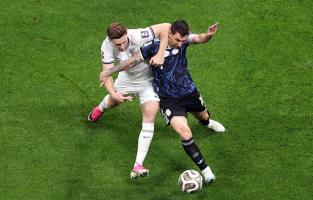
Statistically, England held 58% possession through 70 minutes and completed nearly twice as many final-third entries. Yet control without closure proved fragile. Their late game management leaned increasingly conservative, dropping the defensive block deeper and inviting Argentine possession. The pressing intensity faded, the midfield stretched, and the platform that built England's advantage slowly eroded before the final ten minutes.
This late strategy embodied Argentina's tactical resilience. Possession climbed from 41% to 58% after the change, and territorial dominance followed. England's defensive block, previously disciplined, began retreating deeper, inviting the sustained pressure that would ultimately fracture their composure and reshape the match.
Mental fortitude separated the two benches. England retreated into a low block; Argentina pushed their line higher. Since 2021, Scaloni's Argentina have now won eleven knockout matches decided by one goal or extra time. That number is not coincidence. It reflects a squad conditioned to treat late deficits as solvable equations rather than sentences.
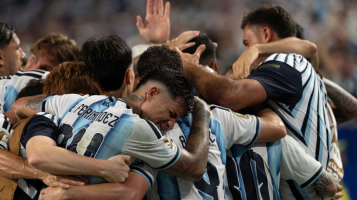
The first is midfield dynamics. Spain's Rodri-anchored possession machine will meet Enzo Fernández and Alexis Mac Allister, who must disrupt rhythm without surrendering passage lanes. Whoever controls tempo controls the match.
The second is the wide areas. Spain's Nico Williams and Lamine Yamal thrive on isolation, forcing Argentina's fullbacks into uncomfortable one-versus-one duels deep in their own half.
The third is the Messi question. Spain's backline must decide whether to press him high or absorb his drift into pockets. Commit too early and space opens; sit too deep and he dictates.
Small margins. Massive consequences. Football theatre awaits.
How England Took Control and Nearly Closed It Out
England seized the semifinal's rhythm early, pressing Argentina into uncharacteristic turnovers and forcing Lionel Scaloni's midfield to defend deeper than intended. Thomas Tuchel's side controlled territory through the opening hour, with Jude Bellingham and Declan Rice compressing central lanes and denying Enzo Fernández time on the ball. Anthony Gordon's breakthrough rewarded England's dominance, arriving from a sharp shift down the left channel after sustained pressure.Statistically, England held 58% possession through 70 minutes and completed nearly twice as many final-third entries. Yet control without closure proved fragile. Their late game management leaned increasingly conservative, dropping the defensive block deeper and inviting Argentine possession. The pressing intensity faded, the midfield stretched, and the platform that built England's advantage slowly eroded before the final ten minutes.
The Tactical Shift That Sparked Argentina's Comeback
Sensing the drift, Lionel Scaloni restructured Argentina's shape in the 72nd minute, shifting from a compact 4-4-2 defensive posture into a more aggressive 4-2-3-1 with Rodrigo De Paul pushing higher to press Declan Rice at the base of England's midfield. The adjustment immediately disrupted England's build-up, forcing three consecutive turnovers inside the middle third within four minutes. Lionel Messi drifted into pockets between the lines, dragging John Stones out of position and opening lanes for Lautaro Martínez to run beyond the last defender.This late strategy embodied Argentina's tactical resilience. Possession climbed from 41% to 58% after the change, and territorial dominance followed. England's defensive block, previously disciplined, began retreating deeper, inviting the sustained pressure that would ultimately fracture their composure and reshape the match.
Why Messi, Enzo, and Lautaro Broke England Late
Three individual performances converged to dismantle England in the closing stages, each contribution amplifying the tactical shift Scaloni had engineered. Messi's leadership manifested not in a decisive goal but in orchestration, drifting between lines to drag Rice out of position and reveal passing lanes previously sealed by England's midfield block. Enzo's creativity in the 78th minute produced the equalizer, a driven strike from range after England failed to close the half-space. Lautaro's finishing then punished England's complacency in the 89th, converting a low cross with the composure that has defined Argentina's resilience throughout knockout football. The sequence exposed how tactical adjustments and individual quality intersect. Once England retreated into a passive shell, three world-class performers required only minutes to exploit the invitation.What This Win Reveals About Argentina's Knockout Mentality
Resilience, more than any single tactical wrinkle, defines what Argentina revealed in Lusail. Trailing 1-0 with under fifteen minutes remaining, Scaloni's side registered seven shots to England's one across the final stretch, a statistical inversion that mirrored the psychological shift on the pitch. This is knockout resilience distilled: the refusal to compress the pitch defensively, the insistence on committing full-backs forward despite the scoreline, the willingness to gamble structural balance for territorial dominance.Mental fortitude separated the two benches. England retreated into a low block; Argentina pushed their line higher. Since 2021, Scaloni's Argentina have now won eleven knockout matches decided by one goal or extra time. That number is not coincidence. It reflects a squad conditioned to treat late deficits as solvable equations rather than sentences.
Argentina vs Spain: Matchups That Decide the Final
Where does the final actually get decided? The tactical nuances point to three battlegrounds that could tilt the championship.The first is midfield dynamics. Spain's Rodri-anchored possession machine will meet Enzo Fernández and Alexis Mac Allister, who must disrupt rhythm without surrendering passage lanes. Whoever controls tempo controls the match.
The second is the wide areas. Spain's Nico Williams and Lamine Yamal thrive on isolation, forcing Argentina's fullbacks into uncomfortable one-versus-one duels deep in their own half.
The third is the Messi question. Spain's backline must decide whether to press him high or absorb his drift into pockets. Commit too early and space opens; sit too deep and he dictates.
Small margins. Massive consequences. Football theatre awaits.






