johngustilo25
Well-known member
Author
- Joined
- Jun 4, 2024
- Messages
- 546
- Points
- 43
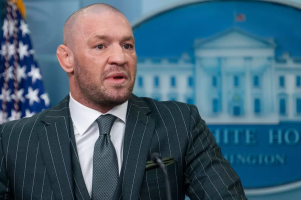
What's up, guys? John Gustilo here. Conor McGregor has challenged Floyd Mayweather to a rematch in the UFC, potentially at a White House event. This bold callout follows their 2017 boxing match that generated 4.3 million pay-per-view buys and $600 million in revenue. The unusual political dimension adds intrigue to this potential crossover fight, which would test Mayweather's abilities in an entirely different combat sport. The implications for both fighters' legacies and MMA's mainstream acceptance run deeper than you might think.
You'll remember McGregor's bold shift from the octagon to the boxing ring ended in a 10th-round TKO loss, but his performance exceeded many experts' expectations. Mayweather improved to 50-0 while McGregor earned respect for lasting nearly ten rounds against one of boxing's greatest technicians.
This latest McGregor-Mayweather callout echoes their history of verbal warfare that captivated audiences worldwide. Their first encounter proved that crossing combat sport boundaries can create unprecedented commercial success, explaining why McGregor continues revisiting this rivalry years later.

You'll notice this isn't typical fight promotion territory. McGregor has masterfully created headlines by combining three attention-grabbing elements: his name, Mayweather's legacy, and America's ultimate symbol of power. Whether the White House would ever host such an event remains highly questionable, but that's beside the point.
The callout demonstrates McGregor's understanding that combat sports thrive on spectacle. By elevating a potential rematch to presidential levels, he's ensuring maximum visibility while keeping himself relevant in conversations about both UFC and boxing.

For McGregor, another boxing match against Mayweather could either cement his cross-discipline versatility or further distance him from his MMA roots, where his recent record remains questionable. Meanwhile, Mayweather risks tarnishing his perfect 50-0 record if he steps into the unfamiliar UFC territory.
The McGregor-Mayweather rivalry has evolved beyond athletics into a cultural phenomenon. Any new chapter would inevitably be viewed as more combat sports spectacle than a legitimate competition. Yet paradoxically, how they navigate this potential matchup could become the defining footnote in both men's storied careers.

A McGregor White House event would symbolize MMA's full evolution from fringe spectacle to culturally significant sport. The UFC White House event concept represents more than just a venue; it'sa validation of the sport's legitimacy and growing influence in American culture.
This potential convergence of sports, entertainment, and politics reflects how combat sports now transcend their traditional boundaries. Whether it materializes or not, the mere discussion demonstrates how UFC has penetrated mainstream consciousness and gained political capital previously reserved for established leagues like the NFL or NBA.
Unlike boxing, the octagon demands a complete skill set, including takedown defense, ground game, and kick defense areas, where Mayweather has zero competitive experience. Despite all the Mayweather McGregor rematch talk circulating after Conor's callout, the reality is stark. Floyd's defensive boxing brilliance wouldn't translate when leg kicks, wrestling, and submissions enter the equation.
Any UFC crossover fight would likely end quickly and painfully for the 47-year-old boxing legend. While McGregor adapted reasonably well to boxing rules in their first encounter, Mayweather would face a virtually impossible learning curve going the opposite direction, especially at his age and with his specialized career focus.
The History Behind McGregor vs. Mayweather's First Showdown
When combat sports fans reflect on crossover events, the 2017 boxing match between Conor McGregor and Floyd Mayweather stands as the pinnacle of sports entertainment spectacle. The showdown between MMA's biggest star and boxing's undefeated king generated approximately 4.3 million pay-per-view buys and $600 million in revenue.You'll remember McGregor's bold shift from the octagon to the boxing ring ended in a 10th-round TKO loss, but his performance exceeded many experts' expectations. Mayweather improved to 50-0 while McGregor earned respect for lasting nearly ten rounds against one of boxing's greatest technicians.
This latest McGregor-Mayweather callout echoes their history of verbal warfare that captivated audiences worldwide. Their first encounter proved that crossing combat sport boundaries can create unprecedented commercial success, explaining why McGregor continues revisiting this rivalry years later.

Why McGregor's Challenge at the White House Raises Eyebrows
Conor McGregor's latest callout of Floyd Mayweather isn't just another challenge; it's the context that has everyone talking. By specifically mentioning a "UFC White House event," McGregor has introduced a political dimension to the potential crossover fight speculation that wasn't present in their first encounter.You'll notice this isn't typical fight promotion territory. McGregor has masterfully created headlines by combining three attention-grabbing elements: his name, Mayweather's legacy, and America's ultimate symbol of power. Whether the White House would ever host such an event remains highly questionable, but that's beside the point.
The callout demonstrates McGregor's understanding that combat sports thrive on spectacle. By elevating a potential rematch to presidential levels, he's ensuring maximum visibility while keeping himself relevant in conversations about both UFC and boxing.

Potential Implications for Both Fighters' Legacies
Legacy considerations loom large whenever McGregor and Mayweather's names appear in the same headline. You're witnessing two athletes whose careers have transcended their respective sports, each with something different at stake in this potential rematch.For McGregor, another boxing match against Mayweather could either cement his cross-discipline versatility or further distance him from his MMA roots, where his recent record remains questionable. Meanwhile, Mayweather risks tarnishing his perfect 50-0 record if he steps into the unfamiliar UFC territory.
The McGregor-Mayweather rivalry has evolved beyond athletics into a cultural phenomenon. Any new chapter would inevitably be viewed as more combat sports spectacle than a legitimate competition. Yet paradoxically, how they navigate this potential matchup could become the defining footnote in both men's storied careers.

The Political and Cultural Significance of a White House UFC Event
The mention of a White House UFC event itself carries substantial weight beyond the McGregor-Mayweather storyline. You're witnessing the potential mainstreaming of combat sports at the highest level of government recognition, something unthinkable when UFC began.A McGregor White House event would symbolize MMA's full evolution from fringe spectacle to culturally significant sport. The UFC White House event concept represents more than just a venue; it'sa validation of the sport's legitimacy and growing influence in American culture.
This potential convergence of sports, entertainment, and politics reflects how combat sports now transcend their traditional boundaries. Whether it materializes or not, the mere discussion demonstrates how UFC has penetrated mainstream consciousness and gained political capital previously reserved for established leagues like the NFL or NBA.
Could Mayweather Actually Survive in the Octagon?
When combat sports experts analyze Floyd Mayweather's potential in the UFC, they're nearly unanimous: he'd be completely out of his element.Unlike boxing, the octagon demands a complete skill set, including takedown defense, ground game, and kick defense areas, where Mayweather has zero competitive experience. Despite all the Mayweather McGregor rematch talk circulating after Conor's callout, the reality is stark. Floyd's defensive boxing brilliance wouldn't translate when leg kicks, wrestling, and submissions enter the equation.
Any UFC crossover fight would likely end quickly and painfully for the 47-year-old boxing legend. While McGregor adapted reasonably well to boxing rules in their first encounter, Mayweather would face a virtually impossible learning curve going the opposite direction, especially at his age and with his specialized career focus.