LiftWithPurpose
Well-known member
Author
- Joined
- Nov 25, 2025
- Messages
- 389
- Points
- 18
You've likely noticed how different steroids produce distinctly different physiques. That's not random; it stems from their hormonal roots. DHT-derived compounds like Anavar create that dry, granite-like hardness, while testosterone derivatives build that full, voluminous look. Understanding this fundamental difference will transform how you select compounds for your specific goals. The science behind these differences explains why elite bodybuilders carefully select their stack based on molecular structure rather than relying solely on popular opinion.
When it comes to performance enhancement, understanding the fundamental differences between DHT-derived and testosterone-derived steroids can make or break your results. These compounds may appear similar on the surface, but their hormonal origins have a profound impact on both outcomes and side effects.
DHT-derived steroids produce drier, harder gains with minimal water retention, while testosterone-derived steroids typically create fuller muscle with greater overall mass. This guide is designed for athletes, bodybuilders, and performance-focused users who want to make informed decisions about which compounds align with their specific goals.
Dihydrotestosterone steroids like Anavar, Winstrol, and Masteron inherit these properties—they won't aromatize but deliver concentrated androgenic effects. Meanwhile, testosterone esters like Enanthate and Cypionate preserve testosterone's ability to convert to estrogen, bringing both benefits and drawbacks.
This fundamental difference explains why DHT derivatives create harder, drier physiques while testosterone-based compounds promote fuller muscle with potential water retention. Your results directly depend on which hormonal pathway the compound follows.

Dihydrotestosterone derivatives typically reduce SHBG levels, which increases free testosterone in your bloodstream. This combination of strong androgen receptor binding and non-aromatization creates a distinct physique effect characterized by dense, quality muscle tissue rather than bloated mass.
The androgenic-to-anabolic ratio of DHT compounds often favors androgenic effects, contributing to their reputation for producing striated, vascular appearances. You'll notice enhanced muscle hardness, definition, and separation, hallmark qualities bodybuilders seek during competition preparation phases.

This estrogen conversion promotes greater water retention within muscle cells, contributing to a fuller, more volumized appearance. You'll typically experience increased muscle glycogen storage and better overall mass gains, though some of this mass includes subcutaneous water.
Testosterone-based compounds also tend to provide superior joint comfort and recovery benefits due to this water retention. While the estrogen conversion supports anabolic activity and nitrogen retention, it simultaneously introduces potential side effects that DHT-derived steroids typically don't cause.
In contrast, testosterone-derived steroids excel at pure muscle hypertrophy, creating fuller, rounder muscles with greater volumization. The water retention they cause actually contributes to strength by lubricating joints and improving leverage. While this fullness comes at the cost of some definition, the total mass gained is usually superior.
Your physique goals should guide your choice of DHT compounds for competitive cutting or when definition matters most, testosterone derivatives when maximum size is the priority, regardless of water retention.
In contrast, testosterone-derived steroids primarily cause estrogenic side effects through aromatization, leading to water retention, potential gynecomastia, and blood pressure elevation. You'll need to manage these with aromatase inhibitors, unlike DHT compounds.
Your genetic predispositions matter considerably here if male pattern baldness runs in your family; DHT-derived steroids may accelerate this process. Similarly, if you're prone to gyno, testosterone derivatives require more cautious management.

DHT-derived compounds typically excel at delivering dense, quality strength gains without the water retention that can mask true progress. Their higher androgen receptor affinity translates to impressive strength-to-weight ratios, making them preferred cutting steroids when maintaining power while reducing body fat is imperative. You'll notice they support explosive strength and neuromuscular efficiency.
Testosterone-derived steroids, with their balanced anabolic activity, favor overall size development and recovery capacity. They're ideal when training volume is high, and you're pushing growth through increased workload. The additional estrogen support often provides joint comfort during heavy lifting phases.
Your training style and competitive goals should guide your choice. Powerlifters might prefer DHT derivatives, while hypertrophy-focused bodybuilders may benefit from testosterone-based compounds.
DHT derivatives typically reduce SHBG binding, potentially freeing up more of your other compounds for receptor activation. This synergistic effect makes them excellent additions to testosterone-based cycles. In any steroid comparison, remember that DHT compounds excel during cutting phases while testosterone derivatives drive mass gains during bulking.
For ideal results, consider frontloading with testosterone compounds for initial mass, then shifting to include more DHT derivatives as you approach competition or photo shoots. This approach leverages testosterone's volume-building properties early while capitalizing on DHT's hardening effects when definition becomes priority.
For DHT-derived compounds, watch for accelerated hair loss, especially if you're genetically predisposed. Consider topical anti-androgens if this concerns you. Both types require regular blood work to monitor lipids, liver values, and hormone panels.
Post-cycle therapy becomes essential after longer cycles to restore natural production. Remember that the safest approach includes the minimum effective dose and proper time off between cycles; your endocrine system needs recovery time.
If maximum size is your priority, testosterone-derived bulking steroids typically deliver superior overall mass gains. These compounds promote higher nitrogen retention and glycogen storage, though they come with more water retention.
Consider your sensitivity to side effects, too. If you're prone to estrogenic issues like gynecomastia, DHT derivatives might be safer. Conversely, if male pattern baldness runs in your family, testosterone-based options with lower androgenic ratings may preserve your hairline longer while still supporting your strength and size goals.

Four pervasive myths continue to mislead many AAS users, creating confusion about the fundamental differences between DHT and testosterone derivatives. First, the notion that "DHT compounds don't build muscle" ignores their significant anabolic potential; they simply create dry gains without water retention, giving the illusion of less size.
DHT compounds build substantial muscle their dry, water-free gains simply create the illusion of smaller size compared to wet compounds.
Second, claiming "testosterone always causes excessive estrogen" oversimplifies individual responses to aromatization, which vary dramatically between users.
Third, many misunderstand that muscle hardness isn't merely cosmetic; it often reflects genuine tissue quality and density.
Finally, the dangerous assumption that DHT-derived compounds are "safer" because they don't aromatize overlooks their unique side effect profiles and potential for androgenic complications. These misconceptions lead many to make suboptimal compound selections based on flawed reasoning.
Testosterone derivatives provide fuller muscle development with greater overall mass due to their estrogenic properties. While they can cause water retention and gynecomastia, these compounds typically deliver superior size gains and often feel better on joints.
Your goals should dictate your choice of DHT derivatives for definition, hardness, and strength; testosterone derivatives for maximum mass and growth. Personal tolerance for side effects ultimately determines the most suitable option for your individual physique journey.

DHT-derived steroids produce drier, harder gains with minimal water retention, while testosterone-derived steroids typically create fuller muscle with greater overall mass. This guide is designed for athletes, bodybuilders, and performance-focused users who want to make informed decisions about which compounds align with their specific goals.
Understanding Steroid Lineage and Hormonal Origins
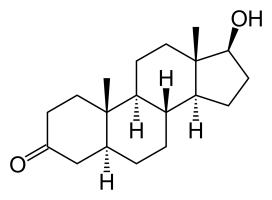
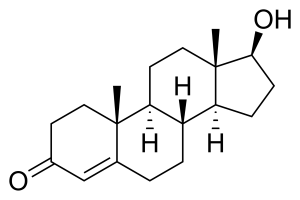
To grasp why different steroids produce such varied results, you'll need to understand their biological origins. All anabolic steroids derive from testosterone, but follow two main pathways. Dihydrotestosterone (DHT) is created when the enzyme 5-alpha reductase converts testosterone, resulting in a hormone that's more androgenic but doesn't convert to estrogen.Dihydrotestosterone steroids like Anavar, Winstrol, and Masteron inherit these properties—they won't aromatize but deliver concentrated androgenic effects. Meanwhile, testosterone esters like Enanthate and Cypionate preserve testosterone's ability to convert to estrogen, bringing both benefits and drawbacks.
This fundamental difference explains why DHT derivatives create harder, drier physiques while testosterone-based compounds promote fuller muscle with potential water retention. Your results directly depend on which hormonal pathway the compound follows.
How DHT-Derived Steroids Work
DHT-derived steroids operate through a powerful binding mechanism with androgen receptors throughout the body. These anabolic androgenic steroids exhibit a unique property absent in their testosterone-derived counterparts: they don't aromatize into estrogen. This pivotal difference means you'll experience drier, harder gains without water retention.
Dihydrotestosterone derivatives typically reduce SHBG levels, which increases free testosterone in your bloodstream. This combination of strong androgen receptor binding and non-aromatization creates a distinct physique effect characterized by dense, quality muscle tissue rather than bloated mass.
The androgenic-to-anabolic ratio of DHT compounds often favors androgenic effects, contributing to their reputation for producing striated, vascular appearances. You'll notice enhanced muscle hardness, definition, and separation, hallmark qualities bodybuilders seek during competition preparation phases.
How Testosterone-Derived Steroids Work
Testosterone-derived steroids function fundamentally differently from their DHT counterparts, primarily due to their ability to convert into estrogen through a process called aromatization. When you take compounds like testosterone enanthate, Dianabol, or Equipoise, a portion converts to estrogen via the aromatase enzyme, creating a different physiological response.
This estrogen conversion promotes greater water retention within muscle cells, contributing to a fuller, more volumized appearance. You'll typically experience increased muscle glycogen storage and better overall mass gains, though some of this mass includes subcutaneous water.
Testosterone-based compounds also tend to provide superior joint comfort and recovery benefits due to this water retention. While the estrogen conversion supports anabolic activity and nitrogen retention, it simultaneously introduces potential side effects that DHT-derived steroids typically don't cause.
Muscle Growth Differences and Visual Outcomes
When examining the muscle growth patterns between these two steroid categories, distinct visual differences become immediately apparent. DHT-derived compounds produce drier, more defined gains with enhanced lean muscle hardness but typically less overall size. You'll notice more vascular, grainy muscle quality that maintains definition even at higher body fat.In contrast, testosterone-derived steroids excel at pure muscle hypertrophy, creating fuller, rounder muscles with greater volumization. The water retention they cause actually contributes to strength by lubricating joints and improving leverage. While this fullness comes at the cost of some definition, the total mass gained is usually superior.
Your physique goals should guide your choice of DHT compounds for competitive cutting or when definition matters most, testosterone derivatives when maximum size is the priority, regardless of water retention.
Side Effect Profiles Compared
Though both categories of steroids can deliver impressive results, they come with distinctly different side effect profiles that you'll need to carefully consider. DHT-derived compounds typically produce more pronounced androgenic side effects due to their strong binding with androgen receptors. This often manifests as accelerated hair loss, acne, and prostate issues in susceptible individuals.In contrast, testosterone-derived steroids primarily cause estrogenic side effects through aromatization, leading to water retention, potential gynecomastia, and blood pressure elevation. You'll need to manage these with aromatase inhibitors, unlike DHT compounds.
Your genetic predispositions matter considerably here if male pattern baldness runs in your family; DHT-derived steroids may accelerate this process. Similarly, if you're prone to gyno, testosterone derivatives require more cautious management.
Performance, Strength, and Training Application
Beyond side effects, the practical applications of these compounds in training scenarios create significant performance differences worth understanding.
DHT-derived compounds typically excel at delivering dense, quality strength gains without the water retention that can mask true progress. Their higher androgen receptor affinity translates to impressive strength-to-weight ratios, making them preferred cutting steroids when maintaining power while reducing body fat is imperative. You'll notice they support explosive strength and neuromuscular efficiency.
Testosterone-derived steroids, with their balanced anabolic activity, favor overall size development and recovery capacity. They're ideal when training volume is high, and you're pushing growth through increased workload. The additional estrogen support often provides joint comfort during heavy lifting phases.
Your training style and competitive goals should guide your choice. Powerlifters might prefer DHT derivatives, while hypertrophy-focused bodybuilders may benefit from testosterone-based compounds.
Cycle Compatibility and Stacking Strategy
Most successful steroid cycles strategically combine DHT and testosterone derivatives to maximize benefits while minimizing drawbacks. When planning your stack, consider how these compounds interact with your hormonal environment.DHT derivatives typically reduce SHBG binding, potentially freeing up more of your other compounds for receptor activation. This synergistic effect makes them excellent additions to testosterone-based cycles. In any steroid comparison, remember that DHT compounds excel during cutting phases while testosterone derivatives drive mass gains during bulking.
For ideal results, consider frontloading with testosterone compounds for initial mass, then shifting to include more DHT derivatives as you approach competition or photo shoots. This approach leverages testosterone's volume-building properties early while capitalizing on DHT's hardening effects when definition becomes priority.
Health, Safety, and Hormonal Management
Managing your hormonal landscape stands out as the most critical aspect of AAS use, regardless of which compounds you select. With testosterone-derived steroids, you'll need to monitor estrogen levels to prevent gynecomastia risk and water retention. An aromatase inhibitor may be necessary, but don't overdo it; crashed estrogen creates its own problems.For DHT-derived compounds, watch for accelerated hair loss, especially if you're genetically predisposed. Consider topical anti-androgens if this concerns you. Both types require regular blood work to monitor lipids, liver values, and hormone panels.
Post-cycle therapy becomes essential after longer cycles to restore natural production. Remember that the safest approach includes the minimum effective dose and proper time off between cycles; your endocrine system needs recovery time.
Choosing the Right Compound for Your Goals
Selecting the right compound requires a clear understanding of your physique goals and how your body responds to different hormonal influences. For competitive physique athletes seeking definition, DHT-derived compounds minimize water retention and produce harder, denser muscle tissue ideal during cutting phases when visibility matters.If maximum size is your priority, testosterone-derived bulking steroids typically deliver superior overall mass gains. These compounds promote higher nitrogen retention and glycogen storage, though they come with more water retention.
Consider your sensitivity to side effects, too. If you're prone to estrogenic issues like gynecomastia, DHT derivatives might be safer. Conversely, if male pattern baldness runs in your family, testosterone-based options with lower androgenic ratings may preserve your hairline longer while still supporting your strength and size goals.
Common Myths and Misconceptions

Four pervasive myths continue to mislead many AAS users, creating confusion about the fundamental differences between DHT and testosterone derivatives. First, the notion that "DHT compounds don't build muscle" ignores their significant anabolic potential; they simply create dry gains without water retention, giving the illusion of less size.
DHT compounds build substantial muscle their dry, water-free gains simply create the illusion of smaller size compared to wet compounds.
Second, claiming "testosterone always causes excessive estrogen" oversimplifies individual responses to aromatization, which vary dramatically between users.
Third, many misunderstand that muscle hardness isn't merely cosmetic; it often reflects genuine tissue quality and density.
Finally, the dangerous assumption that DHT-derived compounds are "safer" because they don't aromatize overlooks their unique side effect profiles and potential for androgenic complications. These misconceptions lead many to make suboptimal compound selections based on flawed reasoning.
Final Comparison Summary
When viewed side by side, DHT-derived and testosterone-derived steroids reveal distinct profiles that serve fundamentally different purposes in performance enhancement. DHT compounds offer dry, dense muscle gains with minimal water retention and zero estrogen conversion, making them ideal for cutting cycles and contest preparation. Their higher androgenic properties excel for strength but increase hair loss and prostate risks.Testosterone derivatives provide fuller muscle development with greater overall mass due to their estrogenic properties. While they can cause water retention and gynecomastia, these compounds typically deliver superior size gains and often feel better on joints.
Your goals should dictate your choice of DHT derivatives for definition, hardness, and strength; testosterone derivatives for maximum mass and growth. Personal tolerance for side effects ultimately determines the most suitable option for your individual physique journey.