










BigArvin
Administrator
Staff
- Joined
- Aug 7, 2023
- Messages
- 732
- Points
- 28
Don't believe what you see on social media; Derek Lunsford's biceps aren't as bad as people say they are. Sure, they might not be as big as Phil Heath's, but if you look at them objectively, they fit perfectly with the rest of his body. No matter what critics say, judges always give those proportions high marks.
Remember that camera angles and lighting can dramatically change how biceps appear on stage. Fans often focus on flaws instead of the whole package, which is what this "flaw" shows. In the end, that full-package view is what matters most when it comes to scoring in a competition.
Critics say that in certain poses, his biceps conditioning doesn't look as good as the rest of his great body. Interestingly, this one body part has caused so much debate, even though Lunsford's overall package is great.
The debate highlights how judges and fans scrutinize muscle aesthetics in professional bodybuilding. Some people agree with the criticisms about proportion, while others say that focusing on this one feature ignores his overall growth and stage presence.

Some people think he doesn't have a good bicep peak, but his overall body makes up for it. Even though his arms are said to be weak, judging scores consistently put him at the top, showing that professionals see quality where fans may not.
Lunsford's body shows that he knows how to look good in competitive bodybuilding because of the way he keeps his body symmetrical and in proportion. His arm conditioning usually looks great, with clear separation between muscle groups, even if peak height isn't his best feature.
Keep in mind that the way you pose, the angle of the camera, and the lighting can all make a big difference in how your biceps look on stage compared to how they look in photos on social media.
When you look at Lunsford's body, you'll see that his arms are in line with his shoulders and chest, which gives him a balanced look that judges like. Judges in contests value this harmony more than individual measurements. Lunsford's biceps aren't that much better than those of other bodybuilders like Brandon Curry or Hunter Labrada; they just look different.
People often forget that Lunsford's arm development adds to his overall look, which is more important in bodybuilding competitions than any one body part.

When you look at competitors, your brain naturally focuses on what you think are their weaknesses. Lunsford's arm separation and upper arm balance may not align with some peers, but evaluative criteria assess the overall composition. This kind of criticism shows confirmation bias: once you think his biceps are weak, you'll look for proof that you were right.
This obsession with Lunsford's development says more about how we consume bodybuilding than it does about him. It shows that we like to criticize more than praise.
Chris Aceto, a veteran coach, says, "It's not just muscle mass that makes champions in IFBB competitions; it's also the ability to target weaknesses systematically." He says that exercises that create the most tension at different angles should come first. For example, incline curls for the upper bicep fibers and preacher curls for the lower bicep fibers.
Experts say that athletes with genetics similar to Lunsford's should train more often instead of more volume. They should also use techniques like partial reps, pause reps, and blood flow restriction training to help stubborn muscle groups grow without overtraining.
Remember that camera angles and lighting can dramatically change how biceps appear on stage. Fans often focus on flaws instead of the whole package, which is what this "flaw" shows. In the end, that full-package view is what matters most when it comes to scoring in a competition.
A Look at the Bicep Controversy
When did Derek Lunsford's biceps become such a hot topic? After he competed recently, bodybuilding forums and Instagram comment sections were full of arguments about how his arms were growing. You'll hear passionate fans say that his biceps don't have the peak and size needed to be a top-tier competitor.Critics say that in certain poses, his biceps conditioning doesn't look as good as the rest of his great body. Interestingly, this one body part has caused so much debate, even though Lunsford's overall package is great.
The debate highlights how judges and fans scrutinize muscle aesthetics in professional bodybuilding. Some people agree with the criticisms about proportion, while others say that focusing on this one feature ignores his overall growth and stage presence.
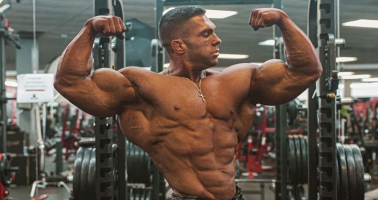
Looking at Lunsford's Bicep Growth
When we look at Lunsford's bicep development without the social media arguments, we can see some interesting things. When you look at competition footage instead of hand-picked photos, you'll see that his arms are more balanced than critics say they are.Some people think he doesn't have a good bicep peak, but his overall body makes up for it. Even though his arms are said to be weak, judging scores consistently put him at the top, showing that professionals see quality where fans may not.
Lunsford's body shows that he knows how to look good in competitive bodybuilding because of the way he keeps his body symmetrical and in proportion. His arm conditioning usually looks great, with clear separation between muscle groups, even if peak height isn't his best feature.
Keep in mind that the way you pose, the angle of the camera, and the lighting can all make a big difference in how your biceps look on stage compared to how they look in photos on social media.
How Lunsford's Arms Compare to Those of Other Champions
Even though people keep making fun of Lunsford's biceps, when you look at them closely, they actually compare well to those of many top bodybuilders. Derek Lunsford might not hit the extreme peak of Phil Heath or carry the overall mass of Nick Walker, but his biceps pack serious fullness when trained right.When you look at Lunsford's body, you'll see that his arms are in line with his shoulders and chest, which gives him a balanced look that judges like. Judges in contests value this harmony more than individual measurements. Lunsford's biceps aren't that much better than those of other bodybuilders like Brandon Curry or Hunter Labrada; they just look different.
People often forget that Lunsford's arm development adds to his overall look, which is more important in bodybuilding competitions than any one body part.

Why We Focus on "Weak Points" in Bodybuilding Criticism
People tend to focus on flaws rather than strengths, which is why so many people are talking about Derek Lunsford's biceps in bodybuilding discussions. You can see this mental process in professional bodybuilding forums, where fans pick apart small details while ignoring the overall impressive stage presentation.When you look at competitors, your brain naturally focuses on what you think are their weaknesses. Lunsford's arm separation and upper arm balance may not align with some peers, but evaluative criteria assess the overall composition. This kind of criticism shows confirmation bias: once you think his biceps are weak, you'll look for proof that you were right.
This obsession with Lunsford's development says more about how we consume bodybuilding than it does about him. It shows that we like to criticize more than praise.
Professional Opinions on Ways to Build Up Your Biceps
Professional bodybuilding coaches have suggested different ways to deal with the problems that Derek Lunsford is said to be having with his bicep development. Most of them stress how important it is to connect your mind and muscles during isolation exercises, especially when you reach peak contraction at the top of each movement.Chris Aceto, a veteran coach, says, "It's not just muscle mass that makes champions in IFBB competitions; it's also the ability to target weaknesses systematically." He says that exercises that create the most tension at different angles should come first. For example, incline curls for the upper bicep fibers and preacher curls for the lower bicep fibers.
Experts say that athletes with genetics similar to Lunsford's should train more often instead of more volume. They should also use techniques like partial reps, pause reps, and blood flow restriction training to help stubborn muscle groups grow without overtraining.





