LiftWithPurpose
Well-known member
Author
- Joined
- Nov 25, 2025
- Messages
- 384
- Points
- 18
What’s up, it’s LiftWithPurpose, and I’m here to help you clean up those common lifting form errors with quick, effective fixes. You've probably noticed your strength progress plateau despite increasing weights, or maybe you're nursing a nagging pain after workouts. The culprit? It might be your lifting form. Those subtle technique errors you're overlooking could be sabotaging your gains and setting you up for injury.
With just a few simple mental cues, you can correct these common mistakes, liberate your true strength potential, and build a body that's both powerful and resilient. Let's fix what's holding you back.
Why do elite lifters make weightlifting look so effortless while beginners struggle with the same movements? The difference lies in proper lifting technique, the foundation that separates sustainable progress from frustrating plateaus and injuries.
When your movement mechanics align correctly, you recruit the right muscles, generate more force, and protect vulnerable joints from unnecessary strain. This isn't just about looking good in the gym; it's about creating a body that moves efficiently and safely for years to come.
In this guide, you'll discover simple, actionable cues that instantly improve your lifting form. No complex biomechanics lessons or confusing terminology, just straightforward fixes for the most common movement mechanics training errors that hold lifters back.

Proper lifting form isn't just about aesthetics, it's the mechanical foundation that determines your strength potential, injury risk, and overall training longevity. When you maintain neutral spine alignment during exercises like deadlifts and squats, you create ideal conditions for force production while protecting vulnerable structures.
Your body functions as an integrated system where technique directly influences muscle activation. Poor mechanics mean some muscles work overtime while others remain underutilized, limiting your progress and creating imbalances. This inefficiency not only caps your strength gains but also opens the door to overuse injuries.
Injury prevention in weightlifting starts with respecting movement patterns your body is designed to perform. Master proper form first, then gradually increase load, this approach builds sustainable strength that serves you for decades.

Nearly every lifter makes technique mistakes at some point in their training journey. These errors not only limit your progress but can lead to frustrating injuries that derail your goals.
Understanding proper biomechanical alignment tips can transform your lifting effectiveness almost immediately. In the following sections, we'll examine eight common form mistakes and provide straightforward fixes for each. You'll learn how bar path correction dramatically improves lift efficiency and power output.
Rather than overwhelming you with complex anatomy lessons, we've distilled each fix into simple, memorable cues you can implement during your very next workout. These practical adjustments require minimal mental effort but deliver significant improvements to your technique, safety, and long-term results.

Don't rush to your working sets. Spend time with lighter weights focusing exclusively on execution rather than effort. This approach of using regressions before progressions guarantees your body learns correct movement patterns before handling challenging loads.
Consider filming your lifts from multiple angles during training. This visual feedback often reveals form issues you can't feel during execution, allowing you to make immediate corrections rather than cementing poor habits through repetition.

While self assessment through video analysis helps identify obvious form issues, professional coaching offers specialized expertise that can transform your lifting technique.
Consider hiring a coach when you've hit a plateau despite consistent training, experience recurring pain during specific movements, or struggle with implementing muscular activation cues on your own.
A qualified coach provides immediate feedback on subtle form errors you might miss, customizes cues specifically for your body mechanics, and helps troubleshoot movement patterns that feel awkward or uncomfortable. They'll also challenge your perception of proper technique, often what feels right isn't biomechanically optimal.
Even advanced lifters benefit from periodic coaching check-ins to prevent compensatory patterns from becoming ingrained habits and to guarantee continued progress with minimal injury risk.
With just a few simple mental cues, you can correct these common mistakes, liberate your true strength potential, and build a body that's both powerful and resilient. Let's fix what's holding you back.

When your movement mechanics align correctly, you recruit the right muscles, generate more force, and protect vulnerable joints from unnecessary strain. This isn't just about looking good in the gym; it's about creating a body that moves efficiently and safely for years to come.
In this guide, you'll discover simple, actionable cues that instantly improve your lifting form. No complex biomechanics lessons or confusing terminology, just straightforward fixes for the most common movement mechanics training errors that hold lifters back.
Why Proper Lifting Form Matters

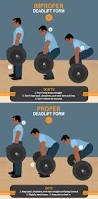
Proper lifting form isn't just about aesthetics, it's the mechanical foundation that determines your strength potential, injury risk, and overall training longevity. When you maintain neutral spine alignment during exercises like deadlifts and squats, you create ideal conditions for force production while protecting vulnerable structures.
Your body functions as an integrated system where technique directly influences muscle activation. Poor mechanics mean some muscles work overtime while others remain underutilized, limiting your progress and creating imbalances. This inefficiency not only caps your strength gains but also opens the door to overuse injuries.
Injury prevention in weightlifting starts with respecting movement patterns your body is designed to perform. Master proper form first, then gradually increase load, this approach builds sustainable strength that serves you for decades.
Common Weightlifting Form Mistakes and Easy Cues to Fix Them

Nearly every lifter makes technique mistakes at some point in their training journey. These errors not only limit your progress but can lead to frustrating injuries that derail your goals.
Understanding proper biomechanical alignment tips can transform your lifting effectiveness almost immediately. In the following sections, we'll examine eight common form mistakes and provide straightforward fixes for each. You'll learn how bar path correction dramatically improves lift efficiency and power output.
Rather than overwhelming you with complex anatomy lessons, we've distilled each fix into simple, memorable cues you can implement during your very next workout. These practical adjustments require minimal mental effort but deliver significant improvements to your technique, safety, and long-term results.

How to Reinforce Good Technique in Every Workout
Even with perfect understanding of what constitutes proper form, reinforcing good technique requires consistent, deliberate practice during each training session. Your warm-up for mobility and activation isn't just about getting blood flowing, it's your opportunity to rehearse movement patterns with minimal load, establishing proper mechanics before adding weight.Don't rush to your working sets. Spend time with lighter weights focusing exclusively on execution rather than effort. This approach of using regressions before progressions guarantees your body learns correct movement patterns before handling challenging loads.
Consider filming your lifts from multiple angles during training. This visual feedback often reveals form issues you can't feel during execution, allowing you to make immediate corrections rather than cementing poor habits through repetition.
When to Seek Coaching Support

While self assessment through video analysis helps identify obvious form issues, professional coaching offers specialized expertise that can transform your lifting technique.
Consider hiring a coach when you've hit a plateau despite consistent training, experience recurring pain during specific movements, or struggle with implementing muscular activation cues on your own.
A qualified coach provides immediate feedback on subtle form errors you might miss, customizes cues specifically for your body mechanics, and helps troubleshoot movement patterns that feel awkward or uncomfortable. They'll also challenge your perception of proper technique, often what feels right isn't biomechanically optimal.
Even advanced lifters benefit from periodic coaching check-ins to prevent compensatory patterns from becoming ingrained habits and to guarantee continued progress with minimal injury risk.