










annelifts
Well-known member
Author
- Joined
- Jun 14, 2026
- Messages
- 264
- Points
- 28
Highlight culture has displaced full-match broadcasts as the primary entry point for World Cup audiences. Qatar 2022 generated billions of short-form video views, driven by mobile-first behavior and compressed attention spans. Clips concentrate engagement around goals and viral moments, while omitting tactical context and structural performance. Broadcasters have restructured production workflows to publish highlights within seconds, reshaping monetization and player reputations. The full implications for the next World Cup extend further below.
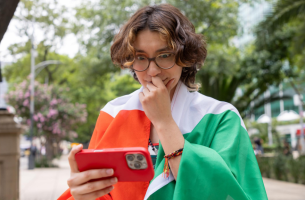
Social algorithms accelerate this compression by prioritizing content with high emotional engagement, ensuring that outlier moments outperform balanced analysis in reach and retention. Viral narratives then harden quickly: a substitute delivering one decisive assist may eclipse a starter's ninety-minute workload in public discourse.
The highlight impact is asymmetric. Errors travel faster than corrections, and praise clusters around visible actions rather than positional discipline. Reputations, in effect, are increasingly shaped by clip performance rather than cumulative tournament output.
Social media integration has become embedded in rights negotiations, with FIFA licensing tiered digital packages that separate long-form coverage from short-form syndication. Content optimization is guided by platform-specific data: vertical framing, on-screen captions, and hook-first edits measurably outperform traditional cutdowns. Digital monetization increasingly relies on ad-share arrangements, branded clip sponsorships, and subscription funnels that convert viral viewers into authenticated platform users.

Why World Cup Fans Now Watch Highlights First
Although full-match broadcasts remain the FIFA World Cup's flagship product, viewing data from recent tournaments indicates that a growing share of fans now encounter matches through highlight clips before, during, or instead of live coverage. FIFA's own digital reporting from Qatar 2022 recorded billions of short-form video views across Social Media platforms, outpacing several traditional broadcast metrics. This shift in Viewing Habits reflects mobile-first behavior, compressed attention windows, and algorithmic distribution that rewards Content Creation optimized for shareability. Fan Engagement now often begins with a 30-second goal clip, followed by reaction videos and creator commentary, rather than a pre-match tactical preview. The tradeoff is measurable: while reach expands considerably, Tactical Understanding narrows, as clips isolate outcomes from the structural sequences that produced them. What Match Clips Capture and What They Miss
Match clips excel at capturing discrete, high-salience events: goals, near-misses, individual duels, and emotional peaks such as celebrations or managerial reactions. These moments drive viral trends and fuel emotional storytelling, generating measurable spikes in fan engagement across TikTok, Instagram Reels, and YouTube Shorts. However, clips systematically omit the tactical nuances that shape outcomes: pressing triggers, defensive line adjustments, off-ball runs, and midfield positioning battles that determine territorial control. Match context—score state, fatigue, substitutions, and cumulative momentum—rarely fits within a 30-second frame. A defender's disciplined 90-minute performance produces little shareable content, while a single misstep can dominate feeds. The result is an asymmetric information environment where spectacular actions are overrepresented and structural contributions, though analytically decisive, remain largely invisible to highlight-first audiences. How Viral World Cup Moments Reshape Player Reputations
Because clips concentrate attention on discrete events rather than sustained performance, they also concentrate reputational weight on a handful of frames. A single dribble, missed penalty, or defensive lapse can dominate player perception for an entire tournament cycle, regardless of underlying performance metrics like xG contribution or progressive carries.Social algorithms accelerate this compression by prioritizing content with high emotional engagement, ensuring that outlier moments outperform balanced analysis in reach and retention. Viral narratives then harden quickly: a substitute delivering one decisive assist may eclipse a starter's ninety-minute workload in public discourse.
The highlight impact is asymmetric. Errors travel faster than corrections, and praise clusters around visible actions rather than positional discipline. Reputations, in effect, are increasingly shaped by clip performance rather than cumulative tournament output.
How Broadcasters Are Chasing the Short-Form Audience
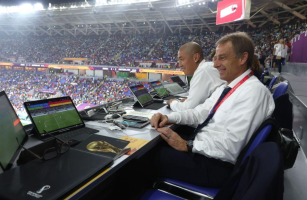
Broadcasters have restructured their production workflows to feed the short-form pipeline in near real time, treating social platforms as primary distribution channels rather than promotional afterthoughts. Modern broadcast strategies now allocate dedicated clipping teams tasked with publishing goals, saves, and controversies within seconds of the live event, targeting peak audience engagement windows on TikTok, Instagram Reels, and YouTube Shorts.Social media integration has become embedded in rights negotiations, with FIFA licensing tiered digital packages that separate long-form coverage from short-form syndication. Content optimization is guided by platform-specific data: vertical framing, on-screen captions, and hook-first edits measurably outperform traditional cutdowns. Digital monetization increasingly relies on ad-share arrangements, branded clip sponsorships, and subscription funnels that convert viral viewers into authenticated platform users.






