If you're looking to manage your blood sugar effectively, your choice of exercise could make a significant difference. Contrary to popular belief, weightlifting might give you better results than running when it comes to glucose control. Recent studies have uncovered surprising findings about how resistance training affects insulin sensitivity compared to traditional cardio workouts. What exactly happens in your body during these different exercises, and why might pumping iron be your best bet for metabolic health?
The silent epidemic of blood sugar disorders affects millions worldwide, with diabetes rates climbing steadily over the past decade. In fitness circles, a heated debate continues over which exercise modality offers superior blood sugar control: weightlifting or running?
Recent research has shed new light on this question, revealing surprising insights about how different forms of exercise impact your metabolic health. While both activities have clear benefits, understanding their specific effects on glucose metabolism could transform how you approach fitness for blood sugar management.
Whether you're already managing diabetes, concerned about prediabetes, or simply focused on optimizing your metabolic health, these findings offer practical guidance for making informed exercise choices. The science suggests that your workout selection might matter more than previously thought when it comes to glycemic control.

Blood sugar, also known as blood glucose, serves as your body's primary energy source and requires careful regulation to maintain ideal health. Your body maintains two pivotal measurements: fasting glucose (levels after not eating for hours) and postprandial glucose (levels after meals).
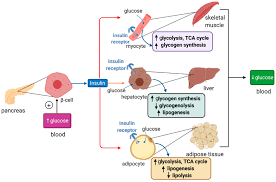
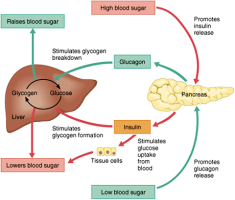
Glucose metabolism refers to how efficiently your cells absorb and utilize this sugar from your bloodstream. When this system functions properly, your pancreas produces insulin to keep blood sugar within a healthy range of 70–99 mg/dL when fasting.
Consistently elevated levels can lead to insulin resistance, prediabetes, and eventually type 2 diabetes. Effective blood sugar management reduces these risks while supporting energy levels, mental clarity, and overall metabolic health throughout daily life.

Physical activity has a direct and powerful effect on glucose management. When you exercise, your muscles immediately begin using glucose for fuel, pulling sugar out of the bloodstream and lowering blood glucose levels. This process can occur even without insulin, which is why exercise is so effective for glycemic control.
Resistance training, such as weightlifting, increases muscle mass, and muscle tissue acts as a major storage site for glucose. More muscle means more room to store excess blood sugar. At the same time, insulin sensitivity improves, allowing your cells to respond more efficiently to insulin signals.
Running and other aerobic exercises mainly improve cardiovascular efficiency, helping glucose move through the bloodstream and into working muscles. They also activate different metabolic pathways than resistance training.
Workout intensity, duration, and consistency all play important roles in managing blood glucose spikes and improving long-term markers like HbA1c.

Research published in the Journal of Applied Physiology found that weightlifting improved insulin sensitivity by as much as 48 percent in previously inactive adults, compared to about 27 percent from running. In people with prediabetes, resistance training was also more effective at reducing post-meal glucose spikes.
Timing appears to matter as well. Morning weightlifting sessions may help regulate blood sugar throughout the day, while evening running can reduce overnight glucose fluctuations. Both forms of exercise improve HbA1c when performed consistently, but weightlifting shows stronger results for long-term glycemic control.
For running or other aerobic exercise, aim for at least 150 minutes of moderate activity or 75 minutes of vigorous activity each week. Even short sessions matter. A 10-minute walk or light jog after meals can significantly reduce post-meal glucose spikes.

If you are managing type 2 diabetes, check your blood sugar before and after workouts, especially when starting a new program. Begin with lower intensities and gradually increase difficulty to reduce the risk of hypoglycemia. Keeping fast-acting carbohydrates nearby during longer sessions is a smart precaution.
That said, the best strategy is not choosing one form of exercise over the other. Weightlifting and running each contribute valuable benefits to metabolic health when practiced consistently. Combining both offers the most complete approach to blood sugar control.
When building your fitness routine, focus on consistency and sustainability rather than intensity alone. Any movement is better than none, and the best exercise plan is the one you can maintain for the long term.

Recent research has shed new light on this question, revealing surprising insights about how different forms of exercise impact your metabolic health. While both activities have clear benefits, understanding their specific effects on glucose metabolism could transform how you approach fitness for blood sugar management.
Whether you're already managing diabetes, concerned about prediabetes, or simply focused on optimizing your metabolic health, these findings offer practical guidance for making informed exercise choices. The science suggests that your workout selection might matter more than previously thought when it comes to glycemic control.
Understanding Blood Sugar and Glucose Metabolism

Blood sugar, also known as blood glucose, serves as your body's primary energy source and requires careful regulation to maintain ideal health. Your body maintains two pivotal measurements: fasting glucose (levels after not eating for hours) and postprandial glucose (levels after meals).
Glucose metabolism refers to how efficiently your cells absorb and utilize this sugar from your bloodstream. When this system functions properly, your pancreas produces insulin to keep blood sugar within a healthy range of 70–99 mg/dL when fasting.
Consistently elevated levels can lead to insulin resistance, prediabetes, and eventually type 2 diabetes. Effective blood sugar management reduces these risks while supporting energy levels, mental clarity, and overall metabolic health throughout daily life.
How Exercise Impacts Blood Sugar

Physical activity has a direct and powerful effect on glucose management. When you exercise, your muscles immediately begin using glucose for fuel, pulling sugar out of the bloodstream and lowering blood glucose levels. This process can occur even without insulin, which is why exercise is so effective for glycemic control.
Resistance training, such as weightlifting, increases muscle mass, and muscle tissue acts as a major storage site for glucose. More muscle means more room to store excess blood sugar. At the same time, insulin sensitivity improves, allowing your cells to respond more efficiently to insulin signals.
Running and other aerobic exercises mainly improve cardiovascular efficiency, helping glucose move through the bloodstream and into working muscles. They also activate different metabolic pathways than resistance training.
Workout intensity, duration, and consistency all play important roles in managing blood glucose spikes and improving long-term markers like HbA1c.
Weightlifting vs Running: What Research Shows
Recent studies comparing weightlifting and running show distinct patterns in blood glucose response. Aerobic exercise like running often causes a rapid drop in blood sugar during and immediately after the session. Resistance training, however, tends to deliver longer-lasting benefits that extend 24 to 48 hours after the workout.
Research published in the Journal of Applied Physiology found that weightlifting improved insulin sensitivity by as much as 48 percent in previously inactive adults, compared to about 27 percent from running. In people with prediabetes, resistance training was also more effective at reducing post-meal glucose spikes.
Timing appears to matter as well. Morning weightlifting sessions may help regulate blood sugar throughout the day, while evening running can reduce overnight glucose fluctuations. Both forms of exercise improve HbA1c when performed consistently, but weightlifting shows stronger results for long-term glycemic control.
Practical Implications
For optimal blood sugar management, combining weightlifting and running into your weekly routine is ideal. Aim for two to three weightlifting sessions per week that target major muscle groups. Moderate to high intensity resistance training provides the greatest improvements in insulin sensitivity.For running or other aerobic exercise, aim for at least 150 minutes of moderate activity or 75 minutes of vigorous activity each week. Even short sessions matter. A 10-minute walk or light jog after meals can significantly reduce post-meal glucose spikes.

If you are managing type 2 diabetes, check your blood sugar before and after workouts, especially when starting a new program. Begin with lower intensities and gradually increase difficulty to reduce the risk of hypoglycemia. Keeping fast-acting carbohydrates nearby during longer sessions is a smart precaution.
The Smart Approach
The evidence strongly supports weightlifting as a powerful tool for blood sugar management, often delivering more durable benefits than running alone. Resistance training creates unique metabolic adaptations that improve insulin sensitivity and glucose uptake well beyond the workout window.That said, the best strategy is not choosing one form of exercise over the other. Weightlifting and running each contribute valuable benefits to metabolic health when practiced consistently. Combining both offers the most complete approach to blood sugar control.
When building your fitness routine, focus on consistency and sustainability rather than intensity alone. Any movement is better than none, and the best exercise plan is the one you can maintain for the long term.