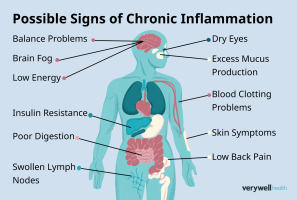
When you're running high-dose anabolic cycles, chronic inflammation silently damages your cardiovascular system and organs long before symptoms appear. Many enhanced athletes focus on visible side effects while overlooking this invisible threat that can shorten both athletic career and lifespan. The irony is that the pursuit of performance can undermine long-term health. Understanding and managing inflammation is not optional for serious steroid users; it is essential before damage becomes irreversible.

The danger lies in its invisibility. You can be breaking personal records and adding size while inflammatory pathways are slowly becoming dysregulated under supraphysiological hormone exposure. This process may continue for years before obvious symptoms appear, making inflammation management just as critical as cycle design for anyone focused on both performance and longevity.
Steroids alter cytokine production and immune cell behavior in ways natural athletes never experience. This inflammation does not feel like an acute injury. Instead, it silently stresses blood vessels, organs, and connective tissues. Immune dysregulation creates a situation where some inflammatory responses are blunted while others are amplified, allowing damage to accumulate unnoticed until serious health issues emerge.

This process is intensified by activation of NF-kB signaling pathways, which act as molecular switches for inflammatory gene expression. At the same time, oxidative stress increases as steroids generate excess free radicals. When antioxidant defenses are overwhelmed, inflammation becomes self-perpetuating, damaging tissues even while performance appears to improve.
Insulin resistance is another major contributor. Reduced insulin sensitivity leads to impaired glucose handling and the formation of advanced glycation end products, which further fuel inflammation. This metabolic dysfunction worsens nutrient partitioning, negatively impacting recovery and long-term health even when training performance remains high.

This inflammation progresses quietly, leading to arterial stiffness and plaque development. The heart works harder under increased blood pressure and thicker blood, while inflammatory cytokines reduce vessel elasticity. Standard blood tests often fail to detect this damage early, allowing premature cardiovascular aging to develop years before symptoms appear.
Kidneys face similar challenges as they filter steroid metabolites under elevated blood pressure. Localized organ inflammation eventually contributes to systemic inflammatory load, affecting recovery, cardiovascular health, and overall resilience, even when routine bloodwork looks acceptable.

Heavy loads applied by rapidly strengthened muscles cause microtrauma in tissues with limited blood supply and slow healing capacity. This inflammation is not just discomfort; it represents progressive collagen degradation that accumulates over long cycles and can lead to chronic injuries.
Persistent soreness, declining recovery, or stalled progress despite higher doses can signal underlying inflammation. Tracking trends in markers such as CRP, ESR, interleukin-6, and TNF-alpha allows early intervention before performance and health deteriorate.
Excessive training volume without adequate recovery sustains microtrauma, keeping inflammation elevated. Poor dietary habits, high in processed foods and omega-6 fats, add fuel to this process, undermining both gains and long-term health.
Training volume should be managed carefully to avoid unnecessary inflammatory overload. Targeted supplements like curcumin, fish oil, and NAC can further support recovery and inflammatory control when used responsibly.
Metabolically, persistent inflammation promotes insulin resistance and raises the risk of long-term metabolic disease. The most dangerous aspect is how quietly this damage accumulates, often becoming apparent only when it is difficult or impossible to reverse.

Why Chronic Inflammation Is a Hidden Risk in Heavy Steroid Use
Most enhanced athletes prioritize immediate performance outcomes and visible gains. Chronic inflammation, however, is one of the most overlooked consequences of heavy steroid use. Unlike acute inflammation, which supports healing, chronic inflammation quietly damages the cardiovascular system, joints, and internal organs during prolonged cycles.The danger lies in its invisibility. You can be breaking personal records and adding size while inflammatory pathways are slowly becoming dysregulated under supraphysiological hormone exposure. This process may continue for years before obvious symptoms appear, making inflammation management just as critical as cycle design for anyone focused on both performance and longevity.
Understanding Chronic Inflammation in Steroid Users
Chronic inflammation in steroid users differs significantly from what is typically discussed in general medical literature. Heavy cycles create a paradoxical inflammatory state where anabolic steroids suppress certain immune functions while simultaneously triggering systemic inflammation through multiple pathways.Steroids alter cytokine production and immune cell behavior in ways natural athletes never experience. This inflammation does not feel like an acute injury. Instead, it silently stresses blood vessels, organs, and connective tissues. Immune dysregulation creates a situation where some inflammatory responses are blunted while others are amplified, allowing damage to accumulate unnoticed until serious health issues emerge.
Biological Mechanisms Driving Inflammation During Heavy Cycles
The interaction between anabolic steroids and inflammatory responses involves several biological mechanisms. Heavy cycles lead to immune dysregulation that promotes chronically elevated pro-inflammatory cytokines such as IL-6 and TNF-alpha.
This process is intensified by activation of NF-kB signaling pathways, which act as molecular switches for inflammatory gene expression. At the same time, oxidative stress increases as steroids generate excess free radicals. When antioxidant defenses are overwhelmed, inflammation becomes self-perpetuating, damaging tissues even while performance appears to improve.
Hormonal and Metabolic Contributors to Inflammation
Hormonal disruption during heavy cycles further accelerates inflammation. Cortisol imbalance interferes with the body’s natural anti-inflammatory control, allowing inflammatory processes to remain active longer than they should.Insulin resistance is another major contributor. Reduced insulin sensitivity leads to impaired glucose handling and the formation of advanced glycation end products, which further fuel inflammation. This metabolic dysfunction worsens nutrient partitioning, negatively impacting recovery and long-term health even when training performance remains high.
Cardiovascular and Endothelial Inflammation Risks
One of the most dangerous consequences of steroid-induced inflammation occurs in the cardiovascular system. Anabolic steroids contribute to endothelial dysfunction, damaging the inner lining of blood vessels responsible for regulating blood flow and clotting.
This inflammation progresses quietly, leading to arterial stiffness and plaque development. The heart works harder under increased blood pressure and thicker blood, while inflammatory cytokines reduce vessel elasticity. Standard blood tests often fail to detect this damage early, allowing premature cardiovascular aging to develop years before symptoms appear.
Organ Stress and Internal Inflammation
The liver and kidneys absorb much of the stress from heavy steroid cycles. The liver’s detoxification systems become overloaded, triggering inflammatory responses that can progress toward fatty liver changes or injury. Elevated liver enzymes may appear, but many inflammatory processes remain undetected.Kidneys face similar challenges as they filter steroid metabolites under elevated blood pressure. Localized organ inflammation eventually contributes to systemic inflammatory load, affecting recovery, cardiovascular health, and overall resilience, even when routine bloodwork looks acceptable.
Joint, Connective Tissue, and Musculoskeletal Inflammation
Steroid-enhanced muscle growth often outpaces the ability of tendons and ligaments to adapt. This imbalance creates chronic low-grade inflammation in joints and connective tissue.
Heavy loads applied by rapidly strengthened muscles cause microtrauma in tissues with limited blood supply and slow healing capacity. This inflammation is not just discomfort; it represents progressive collagen degradation that accumulates over long cycles and can lead to chronic injuries.
Identifying and Tracking Inflammatory Markers
Enhanced athletes often focus on hormone levels and liver values while ignoring inflammatory markers. C-reactive protein is one of the most useful indicators of systemic inflammation, even when performance feels strong.Persistent soreness, declining recovery, or stalled progress despite higher doses can signal underlying inflammation. Tracking trends in markers such as CRP, ESR, interleukin-6, and TNF-alpha allows early intervention before performance and health deteriorate.
Lifestyle Factors That Worsen Inflammation During Cycles
Lifestyle choices strongly influence inflammatory burden. Chronic sleep deprivation elevates pro-inflammatory cytokines and impairs recovery: psychological stress compounds cortisol disruption, further intensifying inflammation.Excessive training volume without adequate recovery sustains microtrauma, keeping inflammation elevated. Poor dietary habits, high in processed foods and omega-6 fats, add fuel to this process, undermining both gains and long-term health.
Inflammation Management Strategies for Heavy Steroid Cycles
Reducing inflammation during heavy cycles requires consistent systems rather than reactive fixes. Antioxidant-rich foods such as berries, leafy greens, and omega-3 sources help combat oxidative stress. Planned deload weeks reduce cumulative tissue damage without sacrificing progress.Training volume should be managed carefully to avoid unnecessary inflammatory overload. Targeted supplements like curcumin, fish oil, and NAC can further support recovery and inflammatory control when used responsibly.
Long-Term Health Implications of Unmanaged Inflammation
Unchecked inflammation creates lasting damage that extends far beyond competitive years. Accelerated arterial plaque formation increases cardiovascular risk long after cycles end. Chronic joint inflammation erodes cartilage, leading to pain and mobility issues that no post-cycle therapy can reverse.Metabolically, persistent inflammation promotes insulin resistance and raises the risk of long-term metabolic disease. The most dangerous aspect is how quietly this damage accumulates, often becoming apparent only when it is difficult or impossible to reverse.