You're facing one of contest prep's biggest challenges: staying full while eating less. The hunger is real, and it can feel relentless. But many competitors assume losing fat automatically means sacrificing muscle and sanity. It doesn't have to be that way. With the right strategy, you can manage hunger effectively while protecting your hard-earned muscle mass.

Hunger is more than just discomfort. It can influence your metabolism, energy levels, and training performance. When hunger is ignored for too long, metabolic adaptation can slow your metabolism and affect recovery. On the other hand, giving in to cravings can push you over your calorie targets and stall fat loss.
This guide explores practical strategies covering nutrition, training, and behavioral habits. By learning how appetite hormones work, improving meal timing, and choosing the right foods, you can stay on track with your contest prep goals while maintaining muscle.
Your appetite hormones, especially ghrelin and leptin, regulate these signals. Ghrelin increases when your stomach is empty, triggering hunger. Meanwhile, leptin levels decrease during prolonged dieting, which reduces feelings of fullness.
Training volume also plays a role. High-intensity workouts and increased activity levels raise your caloric demand, which can intensify hunger signals. Understanding these biological responses helps you distinguish real hunger from cravings so you can make smarter nutritional decisions during contest prep.
During a caloric deficit, adjusting your macronutrient ratios becomes essential for managing hunger without sacrificing muscle.
Protein should be your primary focus. High-protein foods increase satiety more than carbohydrates or fats and help preserve lean muscle tissue. Many competitors aim for around 0.8 to 1 gram of protein per pound of bodyweight per day.
Fiber is equally important. Complex carbohydrates and vegetables help you feel full while keeping calorie intake low. Foods like broccoli, spinach, oats, and sweet potatoes slow digestion and stabilize blood sugar levels.
Healthy fats should still be included in moderation. Fats slow gastric emptying and support hormonal balance, which can help control appetite.
A typical macronutrient ratio during contest prep might look like 40 percent protein, 35 percent carbohydrates, and 25 percent fats. However, individual responses vary, so adjustments should be based on performance, hunger levels, and progress.
Instead of three large meals, many athletes prefer four to six smaller meals throughout the day. This approach can help maintain stable energy levels and control appetite hormones.
Pre-workout meals should contain both protein and carbohydrates. Eating about one to two hours before training fuels performance and prevents excessive hunger during workouts.
Post-workout meals are equally important. After training, your body needs amino acids and carbohydrates to support recovery and replenish glycogen stores. Proper post-workout nutrition can also reduce intense hunger later in the day.
Consistency with your meal schedule often matters more than the exact number of meals. The best structure is the one you can follow consistently during the entire prep phase.

Leafy greens, broccoli, cauliflower, zucchini, cucumbers, and other non-starchy vegetables are excellent options. These foods contain a lot of water and fiber, which expand in the stomach and promote satiety.
Other helpful foods include berries, air-popped popcorn, and clear broth-based soups. These foods stretch the stomach and activate receptors that signal fullness to the brain.
The advantage of this approach is simple. You are eating more food by volume while consuming fewer calories. This makes dieting feel less restrictive and helps maintain consistency throughout contest prep.

Drinking water consistently throughout the day can naturally reduce hunger and support metabolic processes. Many athletes aim for at least three to four liters of water daily, although this can vary depending on body size, training intensity, and climate.
Drinking water before meals may also increase feelings of fullness, which can help reduce calorie intake.
Low-calorie beverages such as black coffee, green tea, or sparkling water can add variety while keeping calories low. These drinks can also provide a psychological boost during long dieting phases.
Drinking water throughout the day suppresses appetite and supports metabolism. Aim for three to four liters daily while adjusting for training intensity and sweat loss.
Carb cycling alternates higher and lower carbohydrate days throughout the week. This approach can support training performance on high-intensity days while maintaining an overall calorie deficit.
Another strategy involves periodic refeed days. These short-term increases in calorie intake, usually from carbohydrates, help replenish glycogen stores and temporarily raise leptin levels. This can reduce hunger and slow metabolic adaptation.
Fat adaptation is another concept where the body becomes more efficient at using fat as a fuel source. Over time, this can create more stable energy levels and reduce reliance on frequent carbohydrate intake.
When used strategically, these techniques can make long-term dieting phases more sustainable.
Mindful eating involves slowing down during meals, chewing food thoroughly, and avoiding distractions like phones or television. Paying attention to how full you feel allows your body time to register satiety signals.
You can also pause midway through a meal to assess your hunger level. This simple habit often prevents overeating while still allowing you to feel satisfied.
Mindful eating helps you maintain control during contest prep, especially during challenging moments when hunger feels overwhelming.

Training plays a critical role in preserving lean muscle mass during a caloric deficit. Resistance training stimulates muscle protein synthesis, signaling your body to maintain muscle tissue even when calories are limited.
Maintaining training intensity is important. Heavy compound movements such as squats, presses, and rows provide strong signals for muscle retention.
Scheduling workouts around meals can also help control hunger. Eating before and after training stabilizes blood sugar levels and prevents extreme hunger later in the day.
Without consistent resistance training, the body is more likely to lose muscle along with fat during a dieting phase.
Prolonged caloric restriction triggers metabolic adaptation, gradually decreasing your metabolic rate as your body conserves energy.
To reduce its effects, competitors often incorporate refeed days or short diet breaks. These brief increases in calories help support hormone balance and maintain training performance.
Maintaining adequate fiber intake and prioritizing post-workout nutrition can also support metabolic function. Varying training intensity and continuing resistance training helps keep your metabolism more active.
These adjustments allow steady fat loss while preventing extreme metabolic slowdown.
High-protein meals, well-timed nutrition, and low-calorie high-volume foods help maintain satiety while protecting muscle mass. Consistent resistance training provides the stimulus needed to preserve lean tissue throughout the dieting process.
Hydration, mindful eating, and occasional refeeds can further support appetite control and metabolic health.
Metabolic adaptation is a natural part of dieting, but with the right adjustments and consistency, it can be managed effectively. By applying these strategies, you can navigate contest prep successfully while maintaining the muscle you worked so hard to build.

Mastering Hunger Control
Whether you're preparing for a bodybuilding competition, physique show, or fitness event, you are dealing with one of the sport's toughest realities. You cannot build muscle in a caloric deficit. Instead, your goal is to preserve lean muscle mass while steadily reducing body fat. Achieving this balance depends heavily on managing hunger effectively.Hunger is more than just discomfort. It can influence your metabolism, energy levels, and training performance. When hunger is ignored for too long, metabolic adaptation can slow your metabolism and affect recovery. On the other hand, giving in to cravings can push you over your calorie targets and stall fat loss.
This guide explores practical strategies covering nutrition, training, and behavioral habits. By learning how appetite hormones work, improving meal timing, and choosing the right foods, you can stay on track with your contest prep goals while maintaining muscle.
Understanding Hunger During Contest Prep
As your body adapts to a caloric deficit, hunger signals become stronger and more frequent. Hunger and appetite are not the same. Hunger refers to your body's physical need for energy, while appetite is the psychological desire to eat.Your appetite hormones, especially ghrelin and leptin, regulate these signals. Ghrelin increases when your stomach is empty, triggering hunger. Meanwhile, leptin levels decrease during prolonged dieting, which reduces feelings of fullness.
Training volume also plays a role. High-intensity workouts and increased activity levels raise your caloric demand, which can intensify hunger signals. Understanding these biological responses helps you distinguish real hunger from cravings so you can make smarter nutritional decisions during contest prep.
Optimizing Macronutrient Ratios for Satiety
During a caloric deficit, adjusting your macronutrient ratios becomes essential for managing hunger without sacrificing muscle.
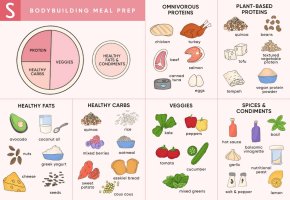
Protein should be your primary focus. High-protein foods increase satiety more than carbohydrates or fats and help preserve lean muscle tissue. Many competitors aim for around 0.8 to 1 gram of protein per pound of bodyweight per day.
Fiber is equally important. Complex carbohydrates and vegetables help you feel full while keeping calorie intake low. Foods like broccoli, spinach, oats, and sweet potatoes slow digestion and stabilize blood sugar levels.
Healthy fats should still be included in moderation. Fats slow gastric emptying and support hormonal balance, which can help control appetite.
A typical macronutrient ratio during contest prep might look like 40 percent protein, 35 percent carbohydrates, and 25 percent fats. However, individual responses vary, so adjustments should be based on performance, hunger levels, and progress.
Meal Timing and Frequency
Meal timing can play a significant role in hunger management during contest prep. Eating strategically spaced meals helps prevent large fluctuations in blood sugar that can lead to cravings.Instead of three large meals, many athletes prefer four to six smaller meals throughout the day. This approach can help maintain stable energy levels and control appetite hormones.
Pre-workout meals should contain both protein and carbohydrates. Eating about one to two hours before training fuels performance and prevents excessive hunger during workouts.
Post-workout meals are equally important. After training, your body needs amino acids and carbohydrates to support recovery and replenish glycogen stores. Proper post-workout nutrition can also reduce intense hunger later in the day.
Consistency with your meal schedule often matters more than the exact number of meals. The best structure is the one you can follow consistently during the entire prep phase.
Low-Calorie High-Volume Foods
When calories are limited, increasing food volume without adding excessive calories becomes extremely helpful. Low-calorie, high-volume foods allow you to eat larger portions while staying within your calorie target.
Leafy greens, broccoli, cauliflower, zucchini, cucumbers, and other non-starchy vegetables are excellent options. These foods contain a lot of water and fiber, which expand in the stomach and promote satiety.
Other helpful foods include berries, air-popped popcorn, and clear broth-based soups. These foods stretch the stomach and activate receptors that signal fullness to the brain.
The advantage of this approach is simple. You are eating more food by volume while consuming fewer calories. This makes dieting feel less restrictive and helps maintain consistency throughout contest prep.
Hydration and Appetite Control
Many competitors mistake thirst for hunger during contest prep. Proper hydration is essential for appetite control and overall performance.
Drinking water consistently throughout the day can naturally reduce hunger and support metabolic processes. Many athletes aim for at least three to four liters of water daily, although this can vary depending on body size, training intensity, and climate.
Drinking water before meals may also increase feelings of fullness, which can help reduce calorie intake.
Low-calorie beverages such as black coffee, green tea, or sparkling water can add variety while keeping calories low. These drinks can also provide a psychological boost during long dieting phases.
Drinking water throughout the day suppresses appetite and supports metabolism. Aim for three to four liters daily while adjusting for training intensity and sweat loss.
Advanced Nutritional Strategies
Once the basics are in place, advanced strategies can further improve hunger management and dieting sustainability.Carb cycling alternates higher and lower carbohydrate days throughout the week. This approach can support training performance on high-intensity days while maintaining an overall calorie deficit.
Another strategy involves periodic refeed days. These short-term increases in calorie intake, usually from carbohydrates, help replenish glycogen stores and temporarily raise leptin levels. This can reduce hunger and slow metabolic adaptation.
Fat adaptation is another concept where the body becomes more efficient at using fat as a fuel source. Over time, this can create more stable energy levels and reduce reliance on frequent carbohydrate intake.
When used strategically, these techniques can make long-term dieting phases more sustainable.
Mindful Eating Techniques
Even with optimized macronutrients and refeeds, many athletes struggle because they eat too quickly or without awareness.Mindful eating involves slowing down during meals, chewing food thoroughly, and avoiding distractions like phones or television. Paying attention to how full you feel allows your body time to register satiety signals.
You can also pause midway through a meal to assess your hunger level. This simple habit often prevents overeating while still allowing you to feel satisfied.
Mindful eating helps you maintain control during contest prep, especially during challenging moments when hunger feels overwhelming.
Training Considerations

Training plays a critical role in preserving lean muscle mass during a caloric deficit. Resistance training stimulates muscle protein synthesis, signaling your body to maintain muscle tissue even when calories are limited.
Maintaining training intensity is important. Heavy compound movements such as squats, presses, and rows provide strong signals for muscle retention.
Scheduling workouts around meals can also help control hunger. Eating before and after training stabilizes blood sugar levels and prevents extreme hunger later in the day.
Without consistent resistance training, the body is more likely to lose muscle along with fat during a dieting phase.
Managing Metabolic Adaptation
As dieting continues, the body gradually adapts to lower calorie intake. This process, known as metabolic adaptation, causes your metabolic rate to slow down as your body tries to conserve energy.Prolonged caloric restriction triggers metabolic adaptation, gradually decreasing your metabolic rate as your body conserves energy.
To reduce its effects, competitors often incorporate refeed days or short diet breaks. These brief increases in calories help support hormone balance and maintain training performance.
Maintaining adequate fiber intake and prioritizing post-workout nutrition can also support metabolic function. Varying training intensity and continuing resistance training helps keep your metabolism more active.
These adjustments allow steady fat loss while preventing extreme metabolic slowdown.
Winning the Cut
Managing hunger during contest prep requires a strategic approach that combines nutrition, training, hydration, and behavioral habits.High-protein meals, well-timed nutrition, and low-calorie high-volume foods help maintain satiety while protecting muscle mass. Consistent resistance training provides the stimulus needed to preserve lean tissue throughout the dieting process.
Hydration, mindful eating, and occasional refeeds can further support appetite control and metabolic health.
Metabolic adaptation is a natural part of dieting, but with the right adjustments and consistency, it can be managed effectively. By applying these strategies, you can navigate contest prep successfully while maintaining the muscle you worked so hard to build.