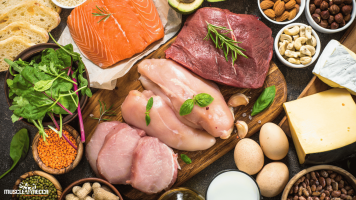
Building muscle on a budget is easier than many people think. You don't need expensive supplements or premium cuts of meat to reach your protein goals. Affordable, high-protein meats can support muscle growth just as effectively when chosen wisely.
Instead of focusing only on price per pound, consider how much protein you get for every dollar. This guide explores budget-friendly meats, nutritional comparisons, and smarter shopping strategies for bulking, cutting, or eating well.

Instead of focusing only on the shelf price, pay attention to cost per serving and protein per dollar. A cheaper cut isn't always the best bargain if it contains less usable protein. Lean protein sources that provide plenty of protein with moderate fat content often deliver the greatest value while keeping your grocery bill under control.
If you train several days each week, choosing budget-friendly protein sources helps you recover properly, stay consistent with your nutrition, and continue building muscle without overspending.
The factors included:
Using the criteria above, these meats consistently provide the highest return on your protein dollar.
Comparing meats side by side makes it easier to identify which options deliver the most protein for the lowest cost. While inexpensive cuts are often excellent values, some moderately priced options provide even better protein per dollar because of their higher protein content.
Use this table as a quick reference while grocery shopping or planning your weekly meals.
For lean muscle gain
Buy larger family packs whenever they're on sale, since bulk purchases typically reduce the price per pound. Frozen meat is just as nutritious as fresh in most cases and is often available at a lower price. Watch for seasonal promotions, warehouse club discounts, and supermarket sales to stock up.
Divide large packages into individual meal portions before freezing. This prevents waste, makes meal prep easier, and ensures you're only thawing what you need.
For example, someone weighing 180 pounds generally needs between 126 and 180 grams of protein daily.
Not all of that protein needs to come from meat. Eggs, dairy products, legumes, and protein-rich grains can also contribute toward your daily target.
A typical chicken breast provides roughly 45 to 55 grams of protein, making it one of the easiest ways to meet your requirements. Most lifters can comfortably reach their goals with three to five servings of lean meat spread throughout the day alongside other protein-rich foods.

Many shoppers unknowingly spend more money while getting less nutritional value.
Common mistakes include:
The biggest mindset shift is to stop focusing only on price per pound and start comparing protein per dollar instead. This simple strategy helps you maximize your nutrition while minimizing your food expenses.
Plan meals around lean protein sources, purchase in bulk whenever possible, freeze portions for future meals, and consider nutrient-rich budget options like beef liver and whole chicken. Small shopping decisions made consistently can save hundreds of dollars each year while supporting long-term muscle growth.
Instead of focusing only on price per pound, consider how much protein you get for every dollar. This guide explores budget-friendly meats, nutritional comparisons, and smarter shopping strategies for bulking, cutting, or eating well.

Why Cost-Effective Protein Matters for Muscle Building
Muscle growth depends on consistent protein intake, and maintaining that consistency can become expensive if you're not shopping strategically. Meeting your daily protein targets week after week requires choosing foods that provide the most nutritional value for every dollar spent.Instead of focusing only on the shelf price, pay attention to cost per serving and protein per dollar. A cheaper cut isn't always the best bargain if it contains less usable protein. Lean protein sources that provide plenty of protein with moderate fat content often deliver the greatest value while keeping your grocery bill under control.
If you train several days each week, choosing budget-friendly protein sources helps you recover properly, stay consistent with your nutrition, and continue building muscle without overspending.
How We Ranked the Most Cost-Effective Meats
Not all affordable meats offer the same value, so this ranking looks beyond price alone. Each option was evaluated using several practical criteria for muscle building.The factors included:
- Protein content per 100 grams
- Average cost per serving
- Calories per serving
- Fat-to-protein ratio
- Availability in most grocery stores
- Suitability for weekly meal prep
Top 10 Most Cost-Effective Meats for Building Muscle
View attachment 113080Using the criteria above, these meats consistently provide the highest return on your protein dollar.
1. Chicken Breast
- High protein with very little fat
- Excellent for meal prep
- Affordable when purchased in bulk
2. Chicken Thighs
- Lower cost than breast
- Rich flavor
- Great option for bulking
3. Canned Tuna
- Shelf stable
- Extremely high protein
- Convenient for quick meals
4. Lean Ground Beef
- Complete protein
- Rich in iron and vitamin B12
- Ideal for burgers, bowls, and pasta dishes
5. Pork Loin
- Lean and inexpensive
- Excellent for roasting and slicing into meal-prep portions
6. Turkey Breast
- Very lean
- High protein content
- Works well for cutting phases
7. Whole Chicken
- Outstanding overall value
- Multiple meals from one purchase
- Bones can be used for homemade broth
8. Beef Liver
- One of the most nutrient-dense meats available
- Very affordable
- High in protein, iron, and vitamin A
9. Pork Shoulder
- Budget-friendly
- Excellent for slow cooking
- Produces several servings at once
10. Lean Pork Chops
- Good balance of protein and cost
- Easy to prepare
- Widely available
Cost Comparison Table
| Meat | Protein (100g) | Typical Cost | Best For |
| Chicken Breast | 31g | Low | Lean muscle gain |
| Chicken Thighs | 26g | Very Low | Bulking |
| Canned Tuna | 25g | Low | Cutting, convenience |
| Lean Ground Beef | 26g | Moderate | Everyday meals |
| Pork Loin | 27g | Low | Meal prep |
| Turkey Breast | 29g | Moderate | Lean diets |
| Whole Chicken | 27g | Very Low | Budget shopping |
| Beef Liver | 20g | Very Low | Nutrient density |
| Pork Shoulder | 24g | Very Low | Batch cooking |
| Lean Pork Chops | 27g | Moderate | Balanced meals |
Comparing meats side by side makes it easier to identify which options deliver the most protein for the lowest cost. While inexpensive cuts are often excellent values, some moderately priced options provide even better protein per dollar because of their higher protein content.
Use this table as a quick reference while grocery shopping or planning your weekly meals.
Best Meat Choices for Different Goals
The ideal meat depends on your current fitness objective.For lean muscle gain
- Chicken breast
- Turkey breast
- Pork loin
- Chicken thighs
- Lean ground beef
- Pork shoulder
- Canned tuna
- Chicken breast
- Turkey breast
- Whole chicken
- Canned tuna
- Chicken thighs
- Lean ground beef
- Whole chicken
- Pork loin
How to Save Even More Money on High-Protein Meats
Knowing which meats provide the best value is only part of the equation. Smart shopping habits can reduce your grocery bill even further.Buy larger family packs whenever they're on sale, since bulk purchases typically reduce the price per pound. Frozen meat is just as nutritious as fresh in most cases and is often available at a lower price. Watch for seasonal promotions, warehouse club discounts, and supermarket sales to stock up.
Divide large packages into individual meal portions before freezing. This prevents waste, makes meal prep easier, and ensures you're only thawing what you need.
How Much Meat Do You Need to Build Muscle?
Your protein needs depend on body weight, activity level, and overall diet. Most active individuals benefit from consuming approximately 0.7 to 1 gram of protein per pound of body weight each day.For example, someone weighing 180 pounds generally needs between 126 and 180 grams of protein daily.
Not all of that protein needs to come from meat. Eggs, dairy products, legumes, and protein-rich grains can also contribute toward your daily target.
A typical chicken breast provides roughly 45 to 55 grams of protein, making it one of the easiest ways to meet your requirements. Most lifters can comfortably reach their goals with three to five servings of lean meat spread throughout the day alongside other protein-rich foods.
Common Mistakes When Buying Meat for Muscle Growth

Many shoppers unknowingly spend more money while getting less nutritional value.
Common mistakes include:
- Looking only at the price per pound.
- Ignoring protein content per 100 grams.
- Choosing cuts with excessive fat when lean protein is the goal.
- Forgetting to calculate the actual cost per serving.
- Buying small packages instead of larger value packs.
- Skipping meal prep and allowing meat to spoil before using it.
Maximize Gains, Minimize Costs
Building muscle on a budget is entirely possible when you choose meats that provide the highest protein per dollar. Chicken breast, canned tuna, whole chicken, pork loin, and lean ground beef consistently rank among the best options because they're affordable, widely available, and rich in complete protein.The biggest mindset shift is to stop focusing only on price per pound and start comparing protein per dollar instead. This simple strategy helps you maximize your nutrition while minimizing your food expenses.
Plan meals around lean protein sources, purchase in bulk whenever possible, freeze portions for future meals, and consider nutrient-rich budget options like beef liver and whole chicken. Small shopping decisions made consistently can save hundreds of dollars each year while supporting long-term muscle growth.