S
Sciroxx
MuscleMecca Sponsors
Staff member
Sponsor
Member
- Joined
- Nov 27, 2017
- Messages
- 346
- Points
- 28
PCT isn’t just a “nice-to-have” after a cycle. It’s what separates keeping your gains from spending weeks (or months) feeling flat, low-drive, low-libido, moody, and hormonally unstable.
Two SERMs get mentioned constantly for a reason:
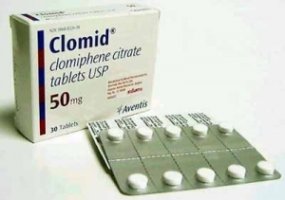
- Clomid (clomiphene citrate) → usually stronger for pushing LH/FSH output (brain → pituitary → testes)
- Nolvadex (tamoxifen citrate) → usually stronger for breast-tissue protection (gyno / puffy nipples) and often feels easier to tolerate
Same drug class, different strengths — they’re not identical tools.
Deep dives (full protocols + dosing in the links)
 [Click for Complete Clomid Guide] -> CLOMID [Click for Full Nolvadex Analysis] -> NOLVADEX [Click for Detailed Comparison] -> Clomid vs Nolvadex
Why PCT Matters (simple explanation)
After suppressive compounds, the HPTA is usually basically “offline.” If you don’t guide the transition back, you’re much more likely to run into:
- poor recovery / low drive in the gym
- libido and mood issues
- that “deflated” look and weaker pumps
- higher odds of rebound estrogen symptoms in sensitive users
- losing a noticeable portion of the gains you built enhanced
A solid PCT is essentially stabilization + recovery acceleration + damage control.
Clomid at a Glance
How it works
Clomid is a SERM that blocks estrogen feedback centrally (hypothalamus/pituitary). In practical terms, it lowers the brain’s estrogen signal, which can increase GnRH → LH/FSH, and that’s the chain that helps drive testicular testosterone production back online.
Best use-case
Clomid is arguably a core component of a serious PCT because it’s one of the most direct tools for pushing LH/FSH signaling. The tradeoff: compared to Nolvadex, it can bring more side effects in some users (mood shifts / vision-type complaints), so many reserve it for cases where it’s more “necessary” than optional — especially when you need a strong restart.
Clomid is especially useful when:
- suppression is heavier (longer runs, harsher compounds, deeper shutdown)
- you personally don’t recover quickly/easily
- you want LH/FSH back up fast, especially when cycles are close together (back-to-back / “blitz” setups)
Protocol + dosage
For the full protocol and dosing guidance, refer here: [CLOMID]
Side effects to watch
Clomid is more commonly associated (anecdotally) with:
- mood swings / irritability
- feeling emotionally “off”
- visual disturbances in a small percentage (often treated as a stop-sign symptom)
Nolvadex at a Glance
How it works
Nolvadex binds estrogen receptors strongly in breast tissue, making it harder for estrogen to activate gyno pathways. It can also support recovery signaling centrally, but it’s primarily known for gyno protection and managing rebound-type issues.
Best use-case
- users who are gyno-prone
- milder cycles where recovery is expected to be smoother
- when you want tissue protection + estrogen symptom control without feeling overly harsh
Protocol + dosage
For the full protocol and dosing guidance, refer here: [NOLVADEX]
Side effects to watch
Common complaints include:
- fatigue / “dragging” feeling
- hot flashes
- mild GI discomfort in some users
On-Cycle Use: Clomid vs Nolvadex
Clomid on-cycle (usually the wrong play)
Clomid is mainly a PCT/recovery SERM. The common myth is that it keeps natural testosterone running during a suppressive cycle — it usually does not. For many, it adds side effects without delivering the intended result.
Nolvadex on-cycle (where it can be practical)
Nolvadex has a more realistic on-cycle role for some users because it’s strongest where symptoms appear:
- breast-tissue protection (gyno/puffy nipple warning signs)
- estrogen receptor blockade in target tissue (a “shield,” not estrogen deletion)
General on-cycle guidance (no dosing here):
- often used reactively at early symptoms, or preventively in those who know they’re gyno-prone
- not a replacement for addressing the root cause (excess aromatization / poor estrogen management)
- if symptoms ramp up fast (painful lump, rapid swelling), don’t just “ride it out”
On-cycle protocol + dosage: refer here: [NOLVADEX LINK]
Worth repeating: Nolvadex can reduce gyno risk and tissue symptoms — it doesn’t prevent shutdown.
Quick Comparison (real-world)
- LH/FSH stimulation: usually Clomid > Nolvadex
- Gyno/puffy nipple protection: usually Nolvadex > Clomid
- Tolerability (anecdotal): many report Nolvadex feels smoother
- “Kickstart recovery” reputation: Clomid usually gets the nod
Simple mental model:
- Clomid = restart the engine
- Nolvadex = protect the bodywork
Combine them or pick one?
Since both are SERMs, stacking isn’t automatically “better.” For some it means more sides without more recovery. For others it can make sense depending on the situation (recovery difficulty vs gyno sensitivity).
If you’re considering both:
- decide based on your use-case (heavy suppression vs gyno-prone)
- don’t extend blindly because “more is better”
- let bloodwork + symptoms guide you
For combo logic + full protocols/dosing: [CLOMID vs NOLVADEX LINK]
Bloodwork (don’t guess)
To keep this grounded, check labs. Key markers:
- total testosterone
- LH
- FSH
- estradiol (sensitive if available)
Optional but useful:
- prolactin, SHBG, lipids
A practical checkpoint is near the end of PCT / early recovery, but timing depends on compounds and ester length.
Avoid Counterfeits
Stick to licensed pharmacy products whenever possible, or proven brands with a long track record (e.g., Sciroxx / Kalpa / Dragon Pharma).
Red flags:
- sloppy packaging / no batch info
- inconsistent tablet appearance between strips
- prices that are unrealistically low