BigArvin
Administrator
Staff
- Joined
- Aug 7, 2023
- Messages
- 727
- Points
- 28
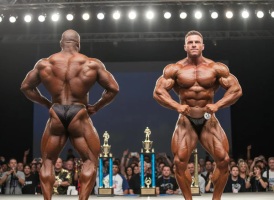
I've witnessed countless competitors lose placements due to fundamental posing errors that mask their physique quality. Poor midsection control destroys your V-taper, while rushed shifts between poses reveal conditioning weaknesses and break muscular flow. Division-specific mistakes like over-flexing in Classic Physique or rigid positioning in Men's Physique contradict judging criteria. Collapsed chest positioning and dropped shoulders diminish perceived muscularity, while hesitation on stage projects weakness rather than dominance. Mastering these technical elements separates winning presentations from disappointing placings.
The most damaging mistakes revolve around poor body positioning during mandatory poses. I've watched countless athletes lose their structural advantages by collapsing their chest, dropping their shoulders, or allowing their midsection to relax between poses. These posing fundamentals directly affect muscularity perception—judges can't score what they can't see properly displayed.
Rushed shifts destroy flow and reveal conditioning weaknesses that proper presentation strategy would hide. Most competitors also underestimate posing endurance, causing their form to deteriorate during extended comparisons when judges are making final placement decisions. Your physique quality becomes irrelevant if you can't maintain proper positioning when it matters most.
Poor breathing techniques often cause the waist to expand during extended comparisons, destroying the V-taper that judges evaluate. Many athletes neglect proper abdominal posture, allowing their core to relax between poses when judges are still watching. Strategic pose selection becomes essential—certain angles can emphasize waist width while others create tightness.
Waist positioning errors compound these issues. Rolling shoulders forward or arching excessively can push the midsection outward. Practice controlled breathing patterns and maintain constant core engagement, even during quarter turns when you think judges aren't focused on your waist.

Effective timing strategies require deliberate movement that maintains tension throughout each change. You can't snap from pose to pose without considering presentation dynamics. Judges notice when changes look mechanical or when you hesitate between positions. Flow enhancement comes from practicing seamless movement patterns that preserve your best angles while moving efficiently. Master these connecting moments, and you'll appear more confident and controlled than competitors who only nail static positions.
In Men's Open, over-flexing during shifts kills flow and makes you appear desperate. The posing strategies here require controlled intensity without sacrificing shape. Classic Physique competitors who rush poses or display excessive aggression break the aesthetic flow judges expect. Your presentation techniques must emphasize elegance and smooth shifts that highlight proportion over raw size.
Men's Physique athletes often fail by over-posing or appearing too rigid. The stage dynamics require relaxed confidence with subtle physique highlights rather than bodybuilding-style muscularity. Each division's judging philosophy demands different energy levels and posing intensity to maximize your competitive advantage.

Your body language communicates strength before you hit your first pose. Shoulders that drop between mandatories signal uncertainty, while maintaining composure projects dominance. Confidence building through repetitive posing sessions under simulated competition stress eliminates the nervous energy that destroys flow. Judges respond to athletes who command attention naturally rather than those who appear uncomfortable displaying their physiques. Mental weakness translates directly into weaker presentation, regardless of your actual muscle quality.
The Biggest Posing Mistakes That Cost Contest Placings
While most competitors spend months perfecting their physiques, they'll often sabotage their placings within seconds of stepping on stage due to fundamental posing errors that judges notice immediately.The most damaging mistakes revolve around poor body positioning during mandatory poses. I've watched countless athletes lose their structural advantages by collapsing their chest, dropping their shoulders, or allowing their midsection to relax between poses. These posing fundamentals directly affect muscularity perception—judges can't score what they can't see properly displayed.
Rushed shifts destroy flow and reveal conditioning weaknesses that proper presentation strategy would hide. Most competitors also underestimate posing endurance, causing their form to deteriorate during extended comparisons when judges are making final placement decisions. Your physique quality becomes irrelevant if you can't maintain proper positioning when it matters most.
Midsection Control Errors That Destroy Your Shape
Even when you've achieved excellent conditioning, uncontrolled midsection presentation can make your physique appear soft, unbalanced, or structurally flawed during vital judging moments. I've watched competitors lose placings because they couldn't maintain consistent midsection tightness throughout mandatory poses and shifts.Poor breathing techniques often cause the waist to expand during extended comparisons, destroying the V-taper that judges evaluate. Many athletes neglect proper abdominal posture, allowing their core to relax between poses when judges are still watching. Strategic pose selection becomes essential—certain angles can emphasize waist width while others create tightness.
Waist positioning errors compound these issues. Rolling shoulders forward or arching excessively can push the midsection outward. Practice controlled breathing patterns and maintain constant core engagement, even during quarter turns when you think judges aren't focused on your waist.

Transition And Timing Mistakes That Break Flow
Although most competitors focus intensely on perfecting individual mandatory poses, the changes between these positions often determine how judges perceive physique flow and overall presentation quality. Poor change techniques create awkward moments where you'll lose muscle control, drop your chest, or allow your midsection to relax completely. I've seen countless athletes rush through pose sequencing during comparisons, making their physiques appear disconnected and unpolished.Effective timing strategies require deliberate movement that maintains tension throughout each change. You can't snap from pose to pose without considering presentation dynamics. Judges notice when changes look mechanical or when you hesitate between positions. Flow enhancement comes from practicing seamless movement patterns that preserve your best angles while moving efficiently. Master these connecting moments, and you'll appear more confident and controlled than competitors who only nail static positions.
Division-Specific Posing Errors To Avoid
Each competitive division demands specific presentation skills that align with judging criteria, and what works perfectly in Men's Open can destroy your placing in Classic Physique or Men's Physique. Understanding division nuances prevents critical presentation errors that cost placings.In Men's Open, over-flexing during shifts kills flow and makes you appear desperate. The posing strategies here require controlled intensity without sacrificing shape. Classic Physique competitors who rush poses or display excessive aggression break the aesthetic flow judges expect. Your presentation techniques must emphasize elegance and smooth shifts that highlight proportion over raw size.
Men's Physique athletes often fail by over-posing or appearing too rigid. The stage dynamics require relaxed confidence with subtle physique highlights rather than bodybuilding-style muscularity. Each division's judging philosophy demands different energy levels and posing intensity to maximize your competitive advantage.

Confidence And Presence Issues That Weaken Your Look
Beyond technical execution, your mental state on stage directly influences how judges perceive your physique quality. Hesitation during shifts makes even elite physiques appear less developed. When you lack confidence, you rush through poses, preventing judges from appreciating your conditioning and structure. Mental preparation becomes essential—athletes who practice visualization alongside posing practice demonstrate superior stage presence.Your body language communicates strength before you hit your first pose. Shoulders that drop between mandatories signal uncertainty, while maintaining composure projects dominance. Confidence building through repetitive posing sessions under simulated competition stress eliminates the nervous energy that destroys flow. Judges respond to athletes who command attention naturally rather than those who appear uncomfortable displaying their physiques. Mental weakness translates directly into weaker presentation, regardless of your actual muscle quality.