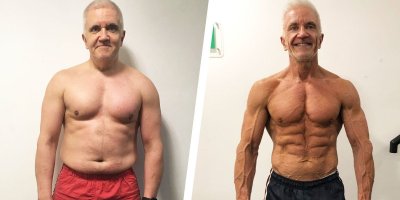
Tracking muscle growth isn’t just about the scale. Progress photos reveal the real changes in your body composition, muscle definition, and fat loss that numbers alone can’t show. Daily weight fluctuations can be misleading due to water retention, glycogen, or muscle gain, but photos capture true progress.
This guide emphasizes visual documentation as the most reliable metric. By consistently taking photos, you can notice subtle improvements in symmetry, muscle separation, and overall definition. Systematic photo tracking eliminates self-perception bias, maintains motivation, highlights plateaus, and helps you make informed adjustments to your training for continuous growth and transformation.

Second, fitness progress photos tips emphasize tracking subtle changes you won't notice day-to-day. Your body adapts gradually, making daily observations unreliable. Weekly photos create objective evidence of muscle definition, separation, and symmetry improvements.
Third, body transformation tracking through photos provides powerful motivation during plateaus. You'll spot consistency patterns and identify when adjustments are necessary. Before-and-after comparisons remind you of your progress when motivation dips, keeping you focused on long-term goals rather than temporary stagnation.
Use a tripod to eliminate camera shake and maintain identical distances between shots. Position yourself perpendicular to the lens at eye level. Avoid harsh shadows and fluorescent lighting that distort muscle definition. Wear the same minimal clothing for each session. This standardized approach guarantees you're comparing actual body changes rather than environmental variables, making your visual tracking genuinely reliable for identifying real progress.

Once you've perfected your technical setup, the poses you choose will determine what your photos actually reveal about your progress. Effective bodybuilding posing for progress photos requires three essential angles: front relaxed, side chest, and back double biceps.
Your front relaxed pose showcases overall symmetry and upper-to-lower body balance. The side chest pose highlights chest thickness and arm separation, revealing definition you wouldn't catch from other angles. Your back double biceps demonstrate posterior chain development and back width, critical for evaluating complete muscle growth.
These best poses for bodybuilding photos remain consistent across the industry because they're objective. They eliminate misleading angles and showcase genuine muscle development. Maintain identical positioning weekly, and you'll capture authentic progress in lean mass and definition.
Cameras provide unbiased documentation for mirror vs camera fitness photos that reveal your true physique. They capture consistent angles and eliminate the psychological tricks your mind plays. For physique tracking in bodybuilding, this fundamental aspect is essential.
Your camera doesn't lie about symmetry imbalances, fat loss, or muscle development the way mirrors do. When comparing progress over weeks and months, camera photos show authentic changes in body composition. This fundamental approach transforms your fitness journey from perception-based assumptions into measurable, verifiable results.
Your fitness transformation documentation becomes most valuable when you assess specific areas: chest thickness, arm separation, back width, and leg development. Don't just glance at photos casually; methodically evaluate each muscle group's progress. Look beyond the scale, visual comparisons reveal compositional shifts that numbers miss. Track improvements in vascularity, striations, and overall conditioning. This systematic approach transforms your photo collection into actionable feedback, guiding your training and nutrition adjustments for continued growth.

Even with the best intentions, you'll derail your progress tracking if you don't nail down the fundamentals. Inconsistent lighting for fitness photos creates misleading shadows that obscure muscle definition and distort your actual progress. Changing camera angles between sessions makes honest comparisons impossible; you'll think you've made gains when you've simply adjusted your perspective.
Poor posture for progress pictures compounds these errors. Slouching or standing differently alters how your physique appears, masking real improvements or creating false impressions of development. Skipping weekly check-ins breaks the consistency necessary for accurate tracking, leaving gaps that make it difficult to identify actual transformation patterns.
Don't compare photos taken under different conditions or at different times of day. These mistakes undermine your entire tracking system and prevent you from seeing genuine progress.
How can you elevate your progress tracking beyond the basics? First, standardize your camera setup for progress photos by using identical distances, angles, and lighting in each session. This consistency eliminates variables that distort your visual comparisons.
Next, wear the same minimal clothing, ideally just shorts, to clearly showcase muscle definition without baggy fabric obscuring details. Your physique should be the only changing variable.
Additionally, maintain an identical posture across all shots. Stand with shoulders relaxed, feet positioned consistently, and core engaged the same way every time.
Most importantly, start logging progress alongside photos. Document your workout routines, nutrition details, and bodyweight measurements. Combine this data with your visual records to identify patterns between training adjustments and physical changes. This thorough approach reveals what's actually driving your transformation beyond what photos alone can show.
Create a dedicated folder on your phone or cloud storage, organizing photos for easy review by date and pose type. Label each image with the date and relevant metrics like weight and measurements. Review your collection monthly to spot trends you might miss week-to-week. This systematic approach prevents photos from getting lost and makes comparisons effortless. Your organized archive becomes a powerful motivational tool and actionable reference for adjusting your training and nutrition strategy.
This guide emphasizes visual documentation as the most reliable metric. By consistently taking photos, you can notice subtle improvements in symmetry, muscle separation, and overall definition. Systematic photo tracking eliminates self-perception bias, maintains motivation, highlights plateaus, and helps you make informed adjustments to your training for continuous growth and transformation.

Why Progress Photos Matter in Bodybuilding
Three critical advantages set progress photos apart from other tracking methods. First, you'll capture visual proof of muscle hypertrophy that scales can't measure. When you're building lean mass while losing fat, the scale stays stagnant, but your photos reveal the dramatic transformation happening beneath the surface.Second, fitness progress photos tips emphasize tracking subtle changes you won't notice day-to-day. Your body adapts gradually, making daily observations unreliable. Weekly photos create objective evidence of muscle definition, separation, and symmetry improvements.
Third, body transformation tracking through photos provides powerful motivation during plateaus. You'll spot consistency patterns and identify when adjustments are necessary. Before-and-after comparisons remind you of your progress when motivation dips, keeping you focused on long-term goals rather than temporary stagnation.
How to Take Accurate Progress Photos
Now that you understand why progress photos matter, you've got to nail the technical execution to capture meaningful data. Your progress picture setup fitness requires three key elements: consistent lighting, neutral backgrounds, and stable camera positioning. You'll want to establish a consistent progress photo routine by shooting at the same time daily, preferably in the morning before eating, when you're most consistent physically.Use a tripod to eliminate camera shake and maintain identical distances between shots. Position yourself perpendicular to the lens at eye level. Avoid harsh shadows and fluorescent lighting that distort muscle definition. Wear the same minimal clothing for each session. This standardized approach guarantees you're comparing actual body changes rather than environmental variables, making your visual tracking genuinely reliable for identifying real progress.
Best Poses for Bodybuilding Progress Photos

Once you've perfected your technical setup, the poses you choose will determine what your photos actually reveal about your progress. Effective bodybuilding posing for progress photos requires three essential angles: front relaxed, side chest, and back double biceps.
Your front relaxed pose showcases overall symmetry and upper-to-lower body balance. The side chest pose highlights chest thickness and arm separation, revealing definition you wouldn't catch from other angles. Your back double biceps demonstrate posterior chain development and back width, critical for evaluating complete muscle growth.
These best poses for bodybuilding photos remain consistent across the industry because they're objective. They eliminate misleading angles and showcase genuine muscle development. Maintain identical positioning weekly, and you'll capture authentic progress in lean mass and definition.
Mirror vs Camera: Which Is Better?
When you're evaluating your bodybuilding progress, you might assume the mirror gives you the most accurate picture, but it doesn't. Mirrors create illusions through lighting angles, reflections, and your own positioning bias. You'll naturally adjust your posture and flex in ways that flatter you, making progress harder to track objectively.Cameras provide unbiased documentation for mirror vs camera fitness photos that reveal your true physique. They capture consistent angles and eliminate the psychological tricks your mind plays. For physique tracking in bodybuilding, this fundamental aspect is essential.
Your camera doesn't lie about symmetry imbalances, fat loss, or muscle development the way mirrors do. When comparing progress over weeks and months, camera photos show authentic changes in body composition. This fundamental approach transforms your fitness journey from perception-based assumptions into measurable, verifiable results.
How to Compare Progress Photos Effectively
Taking progress photos is only half the battle; you've got to compare them strategically to spot real changes in your physique. When reviewing your body composition tracking photos, place images side-by-side to identify fat loss and muscle definition improvements. Examine symmetry and proportion changes across your frame, noting where you've built lean muscle mass.Your fitness transformation documentation becomes most valuable when you assess specific areas: chest thickness, arm separation, back width, and leg development. Don't just glance at photos casually; methodically evaluate each muscle group's progress. Look beyond the scale, visual comparisons reveal compositional shifts that numbers miss. Track improvements in vascularity, striations, and overall conditioning. This systematic approach transforms your photo collection into actionable feedback, guiding your training and nutrition adjustments for continued growth.
Common Mistakes to Avoid

Even with the best intentions, you'll derail your progress tracking if you don't nail down the fundamentals. Inconsistent lighting for fitness photos creates misleading shadows that obscure muscle definition and distort your actual progress. Changing camera angles between sessions makes honest comparisons impossible; you'll think you've made gains when you've simply adjusted your perspective.
Poor posture for progress pictures compounds these errors. Slouching or standing differently alters how your physique appears, masking real improvements or creating false impressions of development. Skipping weekly check-ins breaks the consistency necessary for accurate tracking, leaving gaps that make it difficult to identify actual transformation patterns.
Don't compare photos taken under different conditions or at different times of day. These mistakes undermine your entire tracking system and prevent you from seeing genuine progress.
Advanced Tips for Better Tracking
How can you elevate your progress tracking beyond the basics? First, standardize your camera setup for progress photos by using identical distances, angles, and lighting in each session. This consistency eliminates variables that distort your visual comparisons.
Next, wear the same minimal clothing, ideally just shorts, to clearly showcase muscle definition without baggy fabric obscuring details. Your physique should be the only changing variable.
Additionally, maintain an identical posture across all shots. Stand with shoulders relaxed, feet positioned consistently, and core engaged the same way every time.
Most importantly, start logging progress alongside photos. Document your workout routines, nutrition details, and bodyweight measurements. Combine this data with your visual records to identify patterns between training adjustments and physical changes. This thorough approach reveals what's actually driving your transformation beyond what photos alone can show.
Creating a Long-Term Progress Photo System
Once you've mastered the fundamentals of standardized setups, consistent posture, and detailed logging, you'll want to build a system that sustains these practices over months and years. Start by establishing a weekly progress tracking fitness routine, and pick the same day each week to capture photos.Create a dedicated folder on your phone or cloud storage, organizing photos for easy review by date and pose type. Label each image with the date and relevant metrics like weight and measurements. Review your collection monthly to spot trends you might miss week-to-week. This systematic approach prevents photos from getting lost and makes comparisons effortless. Your organized archive becomes a powerful motivational tool and actionable reference for adjusting your training and nutrition strategy.