










FrenzyMaster
Mecca V.I.P.
VIP
Author
- Joined
- Jan 23, 2025
- Messages
- 502
- Points
- 28
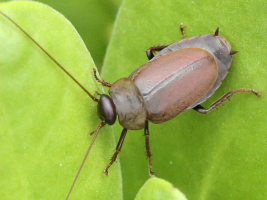
I'm FrenzyMaster, and you need to hear me out. Studied have found Diploptera punctata milk contains protein crystals with three times the energy of cow's milk. Yes, cockroaches. Aside from protein crystals, it also has essential amino acids and healthy fats in concentrated amounts. It's also more sustainable, requiring less land, water, and feed while producing fewer greenhouse gases than dairy farming.
The catch? It’s insanely hard to extract, and we’ve barely scratched the surface on human safety testing. But if research and studies can crack the code, this could be a game-changer for nutrition in parts of the world where food is scarce.
Its full profile of essential amino acids makes cockroach milk an ideal protein source for your body. These crystals release energy slowly upon digestion, providing sustained nourishment instead of quick spikes, scientists found.
Unlike traditional dairy, this potential sustainable food source doesn't require vast farmland or produce significant methane emissions. The Pacific beetle cockroach's efficient metabolism transforms minimal resources into nutrient-rich milk, potentially offering a solution to growing global food security challenges.
Cockroach milk has healthy fats and essential amino acids in more concentrated amounts than traditional dairy. What makes this alternative particularly promising is its sustainability factor.
Amazingly efficient is insect protein production. Cockroaches turn feed into protein almost twice as quickly as cows. This resource efficiency, together with their high rate of reproduction, makes insect-derived products potentially transformative ingredients for future food systems.
While researchers confirm its high-calorie density and excellent bioavailability, there are no human safety trials yet. You'll need to wait for comprehensive studies confirming how the human digestive system processes this unique dietary innovation.
The sustainability benefits look promising on paper, but scientists must develop scalable farming protocols that maintain ethical standards while producing meaningful quantities.
Sure, the tech to make it commercially viable isn’t there yet, but in regions where cows aren’t an option, this could be a legit lifeline. Honestly, the biggest hurdle might be convincing people to sip on something made by a bug they usually run away from.
The catch? It’s insanely hard to extract, and we’ve barely scratched the surface on human safety testing. But if research and studies can crack the code, this could be a game-changer for nutrition in parts of the world where food is scarce.
The Science Behind Cockroach Milk's Nutritional Profile
Although the concept may initially trigger disgust, cockroach milk stands as one of nature's most nutritionally dense substances. A report published in the EXCLI Journal shows this unique secretion contains protein crystals that pack more than three times the energy of an equivalent amount of cow's milk.Its full profile of essential amino acids makes cockroach milk an ideal protein source for your body. These crystals release energy slowly upon digestion, providing sustained nourishment instead of quick spikes, scientists found.
Unlike traditional dairy, this potential sustainable food source doesn't require vast farmland or produce significant methane emissions. The Pacific beetle cockroach's efficient metabolism transforms minimal resources into nutrient-rich milk, potentially offering a solution to growing global food security challenges.
Comparing Cockroach Milk to Traditional Dairy Sources
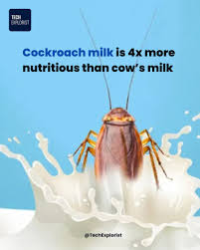
This unique non-dairy protein source contains nearly four times the protein content of cow's milk, making it an incredibly nutrient-dense beverage for those seeking maximum nutrition in minimal volume.Cockroach milk has healthy fats and essential amino acids in more concentrated amounts than traditional dairy. What makes this alternative particularly promising is its sustainability factor.
Sustainability and Environmental Impact of Insect-Based Nutrition
Nutrition based on insects requires far fewer resources than traditional dairy farming. It uses less water, land, and feed, and produces fewer greenhouse gases.Amazingly efficient is insect protein production. Cockroaches turn feed into protein almost twice as quickly as cows. This resource efficiency, together with their high rate of reproduction, makes insect-derived products potentially transformative ingredients for future food systems.
Current Research and Production Challenges
Scientists struggle to efficiently extract this substance from the tiny Pacific beetle cockroach, making mass production nearly impossible with current technology.While researchers confirm its high-calorie density and excellent bioavailability, there are no human safety trials yet. You'll need to wait for comprehensive studies confirming how the human digestive system processes this unique dietary innovation.
The sustainability benefits look promising on paper, but scientists must develop scalable farming protocols that maintain ethical standards while producing meaningful quantities.
Future Applications in Global Food Security
Looking ahead, as the world population climbs toward 10 billion, cockroach milk could step in where dairy farming just can’t. It’s lactose-free, nutrition-packed, and doesn’t chew through resources like cattle do.Sure, the tech to make it commercially viable isn’t there yet, but in regions where cows aren’t an option, this could be a legit lifeline. Honestly, the biggest hurdle might be convincing people to sip on something made by a bug they usually run away from.






