










annelifts
Well-known member
Author
- Joined
- Jun 14, 2026
- Messages
- 276
- Points
- 28
Spain versus Argentina represents the marquee final global football craved. Spain arrives as the sport's most refined possession machine under Luis de la Fuente, orchestrated by Rodri and ignited by Lamine Yamal. Argentina counters as the battle-tested closer under Lionel Scaloni, still guided by Messi's genius alongside Álvarez and Martínez. Contrasting identities collide: structured control against pragmatic shift. The tactical layers, key matchups, and legacy stakes reward a closer look below.
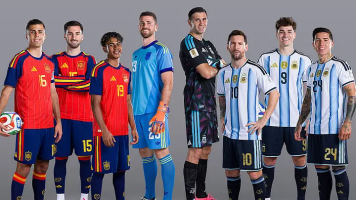
Spain's midfield dominance, built on positional discipline and relentless circulation, meets Argentina's knockout resilience, forged through tight matches and late decisive moments. Each side brings tactical flexibility, capable of shifting shape, pressing triggers, and attacking angles depending on the phase of play.
Beyond individual reputations, the matchup promises a genuine contest of ideas. Game management under championship pressure — not merely star quality — will separate the winner, making this final football's most complete showcase.
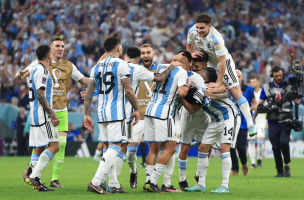
Argentina progressed through a more pragmatic knockout strategy under Lionel Scaloni, absorbing pressure before punishing opponents during the shift. Lionel Messi's influence remained central, supported by Julián Álvarez and Lautaro Martínez in decisive moments. Match preparation on both sides reflected disciplined scouting, while fan expectations grew with each round, culminating in a final built on merit, not narrative.
The chess match centers on control versus timing. Spain aims to dictate rhythm and pin Argentina deep, while Argentina looks to disrupt sequences, win second balls, and accelerate changes. Set piece execution adds another layer, offering both sides a reliable route past organized defenses. Neither approach is inherently superior; the winner will be the team executing its identity more precisely.
Why Spain vs Argentina Is the Final Fans Craved
When two of international football's most decorated programs meet on the sport's grandest stage, the appeal writes itself. Spain and Argentina arrive with contrasting identities but overlapping ambitions, producing the kind of global spectacle broadcasters and neutrals have anticipated throughout the tournament.Spain's midfield dominance, built on positional discipline and relentless circulation, meets Argentina's knockout resilience, forged through tight matches and late decisive moments. Each side brings tactical flexibility, capable of shifting shape, pressing triggers, and attacking angles depending on the phase of play.
Beyond individual reputations, the matchup promises a genuine contest of ideas. Game management under championship pressure — not merely star quality — will separate the winner, making this final football's most complete showcase.
How Spain and Argentina Reached the Final
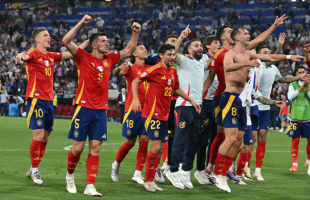
Both finalists arrived at the championship match through distinct but equally revealing paths, each shaped by tactical conviction and adaptability under mounting knockout pressure. Spain advanced by sharpening its tactical evolution under Luis de la Fuente, blending patient possession with sharper vertical intent. Lamine Yamal, Rodri, and a rotating cast of midfielders anchored consistent player contributions, allowing La Roja to control tempo across the knockout rounds.Argentina progressed through a more pragmatic knockout strategy under Lionel Scaloni, absorbing pressure before punishing opponents during the shift. Lionel Messi's influence remained central, supported by Julián Álvarez and Lautaro Martínez in decisive moments. Match preparation on both sides reflected disciplined scouting, while fan expectations grew with each round, culminating in a final built on merit, not narrative.
Spain's Possession vs Argentina's Punch
The paths that carried each side to the final foreshadow the tactical contrast now set to define it. Spain arrives built on structured buildup and midfield dominance, using short passing lanes and coordinated pressing strategies to suffocate opponents before they can settle. Argentina counters with tactical flexibility, comfortable ceding possession when necessary and striking through counterattack efficiency once space opens behind advancing lines.The chess match centers on control versus timing. Spain aims to dictate rhythm and pin Argentina deep, while Argentina looks to disrupt sequences, win second balls, and accelerate changes. Set piece execution adds another layer, offering both sides a reliable route past organized defenses. Neither approach is inherently superior; the winner will be the team executing its identity more precisely.






