









AnneLifts
Musclemecca Author
Author
- Joined
- Jun 14, 2026
- Messages
- 274
- Points
- 28
Stadiums once dependent on 10 to 81 home dates now operate as diversified commercial assets, generating revenue across 200-plus days annually. Concerts and corporate bookings fill dark days, while premium suites contribute 30-40% of total revenue. Naming rights routinely exceed $20 million per year, and adjacent real estate developments convert parking lots into 365-day income streams. Smart venue technology further amplifies per-fan spending. The specific mechanics behind this transformation reveal a broader industry shift.
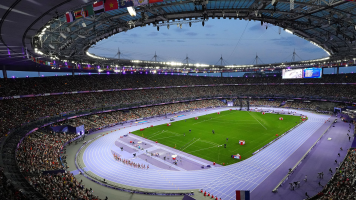
Operators have responded with revenue diversification tactics that treat dark days as inventory. Modern venue management trends prioritize year-round programming, fan engagement strategies extending beyond ticketed events, and mixed use benefits captured through adjacent development. Economic impact analysis increasingly measures ancillary activity—concerts, conferences, retail, hospitality—rather than game-day gate receipts alone.
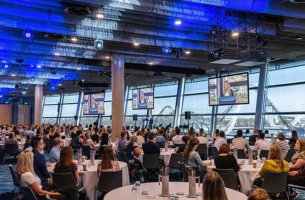
Corporate partnerships add a second layer. Product launches, sales conferences, and sponsor-driven activations rent out clubs, field spaces, and full bowls midweek, when demand from teams is lowest. These bookings monetize existing infrastructure without incremental capital spend and deepen fan engagement by keeping the venue culturally relevant year-round. The economics favor operators who treat every open date as inventory to be sold.
These premium tiers bundle luxury amenities—private entrances, chef-driven catering, dedicated concierge service—with exclusive events like closed-door artist meet-and-greets and executive networking receptions. Club-level fan engagement is engineered around access, comfort, and status rather than sightlines alone.
For operators, premium inventory represents the highest-margin, most predictable of all revenue streams, transforming hospitality from an amenity into the venue's financial anchor.
Real Estate Development anchored by a stadium benefits from guaranteed foot traffic, brand association, and infrastructure already funded by the venue itself. Mixed Use Concepts allow franchises to capture spending that previously leaked to surrounding neighborhoods, while Urban Revitalization narratives help secure zoning approvals and public-private financing structures.
Community Engagement programming—farmers markets, concerts, and civic events—sustains weekday activity, converting the district into a recurring-revenue platform rather than a game-day asset.
Smart venue tech multiplies that value. Mobile ticketing, cashless concessions, and app-based ordering shorten transaction times and lift per-cap spending. Real-time data captured through digital engagement platforms feeds targeted offers, deepens fan loyalty, and enables dynamic pricing.
Venue innovation also expands sponsor inventory—LED ribbon boards, in-app placements, and Wi-Fi-gated activations—converting every fan interaction into measurable, monetizable impressions well beyond the traditional signage model.
Why the Stadium Business Model Broke From Game Day
Consider the math that once defined stadium economics: an NFL franchise hosts roughly ten regular-season home games a year, an MLB club around 81, and an NBA or NHL team about 41. For billion-dollar venues, that leaves 275 to 355 dark days annually—an untenable ratio as construction costs climb and franchise valuations demand recurring returns. Traditional ticket, concession, and parking income no longer justify the capital outlay.Operators have responded with revenue diversification tactics that treat dark days as inventory. Modern venue management trends prioritize year-round programming, fan engagement strategies extending beyond ticketed events, and mixed use benefits captured through adjacent development. Economic impact analysis increasingly measures ancillary activity—concerts, conferences, retail, hospitality—rather than game-day gate receipts alone.
How Concerts and Corporate Events Fill the Empty Calendar
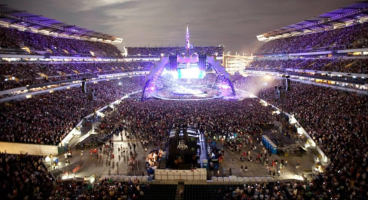
Filling those 275-plus dark days starts with two proven revenue streams: live concerts and corporate events. Major NFL and MLB venues now host 10 to 20 stadium-scale tours annually, with top acts generating concert revenue that can rival a full home season of ticket sales. Aggressive event scheduling around game calendars pushes venue utilization from roughly 10 percent to well above 30 percent in leading markets.Corporate partnerships add a second layer. Product launches, sales conferences, and sponsor-driven activations rent out clubs, field spaces, and full bowls midweek, when demand from teams is lowest. These bookings monetize existing infrastructure without incremental capital spend and deepen fan engagement by keeping the venue culturally relevant year-round. The economics favor operators who treat every open date as inventory to be sold.
Why Premium Suites and Club Seats Now Drive Revenue
While concerts and corporate bookings fill the calendar, premium hospitality fills the balance sheet. In many modern venues, luxury suites and club seats generate 30 to 40 percent of total stadium revenue despite occupying a small fraction of total capacity. The economics are straightforward: a single suite can command six-figure annual leases, often locked in through multi-year corporate partnerships that stabilize cash flow across seasons.These premium tiers bundle luxury amenities—private entrances, chef-driven catering, dedicated concierge service—with exclusive events like closed-door artist meet-and-greets and executive networking receptions. Club-level fan engagement is engineered around access, comfort, and status rather than sightlines alone.
For operators, premium inventory represents the highest-margin, most predictable of all revenue streams, transforming hospitality from an amenity into the venue's financial anchor.
How Stadium Districts Turn Parking Lots Into Real Estate Gold
Parking lots, once dead capital surrounding the venue on non-event days, have become the most valuable undeveloped acreage in many franchise portfolios. Parking Lot Transformation projects convert asphalt into hotels, apartments, offices, restaurants, and public plazas that generate revenue 365 days a year rather than 40 or 50 game days.Real Estate Development anchored by a stadium benefits from guaranteed foot traffic, brand association, and infrastructure already funded by the venue itself. Mixed Use Concepts allow franchises to capture spending that previously leaked to surrounding neighborhoods, while Urban Revitalization narratives help secure zoning approvals and public-private financing structures.
Community Engagement programming—farmers markets, concerts, and civic events—sustains weekday activity, converting the district into a recurring-revenue platform rather than a game-day asset.
Why Naming Rights and Smart Venue Tech Multiply Every Dollar
Beyond the physical footprint of the stadium district, two revenue layers compound the economic value of every square foot: naming rights agreements and the connected-stadium technology stack embedded inside the venue. Naming rights deals now routinely exceed $20 million annually for major U.S. venues, locking in decade-long guaranteed revenue streams while anchoring broader sponsor partnerships across concourses, entry gates, and premium clubs.Smart venue tech multiplies that value. Mobile ticketing, cashless concessions, and app-based ordering shorten transaction times and lift per-cap spending. Real-time data captured through digital engagement platforms feeds targeted offers, deepens fan loyalty, and enables dynamic pricing.
Venue innovation also expands sponsor inventory—LED ribbon boards, in-app placements, and Wi-Fi-gated activations—converting every fan interaction into measurable, monetizable impressions well beyond the traditional signage model.





