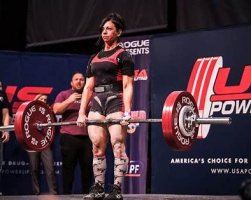
When you approach the loaded barbell, you're faced with a fundamental choice: sumo or conventional stance? This decision impacts not just your lifting mechanics, but potentially your strength development and injury risk. Each technique distributes force differently through your body, activates distinct muscle groups, and places unique demands on your spine and joints. The debate between these two powerlifting staples continues among strength athletes and coaches, with compelling evidence supporting both approaches. Your body structure and training goals might make one clearly superior for you.

Introduction
Have you ever wondered whether you're pulling off the right deadlift variation for your body and goals? The deadlift stands as a cornerstone exercise in strength training, but choosing between sumo and conventional styles can drastically impact your progress and safety.
The conventional deadlift, with its narrower stance and longer range of motion, has been the traditional approach for decades. Meanwhile, the sumo deadlift, characterized by its wide stance and more upright torso position, offers an alternative that many lifters find advantageous.
This article will compare these two powerful variations across multiple dimensions: strength development potential, injury risk factors, biomechanical differences, and practical applications. By understanding the nuances of each technique, you'll be better equipped to select the variation that aligns with your physical structure and training objectives.
Overview of Deadlift Variations

Before diving into the detailed comparison, you'll need to understand the fundamental differences between conventional and sumo deadlifts. These two primary deadlift variations differ considerably in stance and mechanics.
The conventional deadlift technique features a shoulder-width stance with arms outside the knees. Your torso remains more horizontal, creating a longer bar path and greater range of motion. This variation heavily engages the posterior chain, particularly the lower back and hamstrings.
In contrast, the sumo deadlift employs a wide stance with toes pointed outward and hands positioned inside the knees. This creates a more upright torso position, shorter bar path, and increased quad engagement. The sumo stance redistributes tension throughout the body, potentially reducing spinal loading compared to conventional form.

Three distinct biomechanical differences set conventional and sumo deadlifts apart, fundamentally altering how your body generates force during each lift. First, conventional deadlifts create greater spinal load and erector spinae muscle activation due to the more horizontal torso position. Your hamstrings work harder while your glutes receive moderate stimulation.
In contrast, the sumo stance considerably reduces spinal load by allowing a more vertical torso position. This shifts muscle activation toward your quadriceps and adductors while still engaging your glutes strongly. The wider stance decreases the range of motion by approximately 20%, creating mechanical advantages for lifters with certain anthropometrics.
Both variations activate your core stabilizers, but the conventional stance challenges anti-flexion strength more intensely, while the sumo tests your hip mobility and adductor strength to maintain proper positioning throughout the lift.

Sumo deadlifts, however, often enable higher training volume due to reduced spinal loading and faster recovery between sessions. Powerlifters with shorter torsos frequently achieve competitive strength gains with sumo style, especially when emphasizing technical efficiency over brute force.
Your individual leverages will ultimately determine which variation yields ideal strength gains. Consider implementing both styles strategically, conventional for maximal strength phases and sumo during higher volume blocks to maximize progress while managing fatigue.
Sumo deadlifts distribute stress differently, reducing lower back strain but potentially increasing hip impingement risk and knee stress from the wide stance. The more upright torso position in sumo can be advantageous for those with existing back issues.
For both variations, core stability remains the foundation of safety. Proper bracing techniques protect your spine regardless of stance. Your individual anatomy and mobility limitations should guide your choice, as the “safer” deadlift is ultimately the one that feels most natural for your body structure.

Selecting the ideal deadlift stance ultimately comes down to your unique physical structure. Lifters with longer torsos and shorter arms typically find conventional deadlifts challenging due to the greater range of motion required, while those with longer arms and shorter torsos often excel with this style. Conversely, sumo deadlifts benefit individuals with limited hip mobility or those seeking reduced spinal loading.
When programming either variation, consider implementing periodization strategies that alternate intensity and volume. You'll need different recovery protocols. Conventional deadlifts typically require more recovery time due to greater systemic fatigue. For best results, incorporate technique-specific accessory work: posterior chain exercises for conventional deadlifts and adductor/abductor strengthening for sumo. Remember that mastering either style takes time, so patience with progressive loading is essential for long-term progress.

Introduction
Have you ever wondered whether you're pulling off the right deadlift variation for your body and goals? The deadlift stands as a cornerstone exercise in strength training, but choosing between sumo and conventional styles can drastically impact your progress and safety.
The conventional deadlift, with its narrower stance and longer range of motion, has been the traditional approach for decades. Meanwhile, the sumo deadlift, characterized by its wide stance and more upright torso position, offers an alternative that many lifters find advantageous.
This article will compare these two powerful variations across multiple dimensions: strength development potential, injury risk factors, biomechanical differences, and practical applications. By understanding the nuances of each technique, you'll be better equipped to select the variation that aligns with your physical structure and training objectives.
Overview of Deadlift Variations

Before diving into the detailed comparison, you'll need to understand the fundamental differences between conventional and sumo deadlifts. These two primary deadlift variations differ considerably in stance and mechanics.
The conventional deadlift technique features a shoulder-width stance with arms outside the knees. Your torso remains more horizontal, creating a longer bar path and greater range of motion. This variation heavily engages the posterior chain, particularly the lower back and hamstrings.
In contrast, the sumo deadlift employs a wide stance with toes pointed outward and hands positioned inside the knees. This creates a more upright torso position, shorter bar path, and increased quad engagement. The sumo stance redistributes tension throughout the body, potentially reducing spinal loading compared to conventional form.
Biomechanics and Muscle Activation

Three distinct biomechanical differences set conventional and sumo deadlifts apart, fundamentally altering how your body generates force during each lift. First, conventional deadlifts create greater spinal load and erector spinae muscle activation due to the more horizontal torso position. Your hamstrings work harder while your glutes receive moderate stimulation.
In contrast, the sumo stance considerably reduces spinal load by allowing a more vertical torso position. This shifts muscle activation toward your quadriceps and adductors while still engaging your glutes strongly. The wider stance decreases the range of motion by approximately 20%, creating mechanical advantages for lifters with certain anthropometrics.
Both variations activate your core stabilizers, but the conventional stance challenges anti-flexion strength more intensely, while the sumo tests your hip mobility and adductor strength to maintain proper positioning throughout the lift.
Strength Gains Comparison
When comparing strength gains between deadlift variations, conventional deadlifts typically allow most lifters to handle 5–10% more total weight over time due to greater mechanical tension throughout the posterior chain. This advantage makes conventional deadlifts superior for developing raw pulling strength and overall power production.
Sumo deadlifts, however, often enable higher training volume due to reduced spinal loading and faster recovery between sessions. Powerlifters with shorter torsos frequently achieve competitive strength gains with sumo style, especially when emphasizing technical efficiency over brute force.
Your individual leverages will ultimately determine which variation yields ideal strength gains. Consider implementing both styles strategically, conventional for maximal strength phases and sumo during higher volume blocks to maximize progress while managing fatigue.
Injury Risk and Safety
While strength potential is certainly important, safety must be equally considered when selecting your deadlift stance. Conventional deadlifts place greater shear forces on your lower back due to the more horizontal torso position, potentially increasing injury risk if your form breaks down under heavy loads.Sumo deadlifts distribute stress differently, reducing lower back strain but potentially increasing hip impingement risk and knee stress from the wide stance. The more upright torso position in sumo can be advantageous for those with existing back issues.
For both variations, core stability remains the foundation of safety. Proper bracing techniques protect your spine regardless of stance. Your individual anatomy and mobility limitations should guide your choice, as the “safer” deadlift is ultimately the one that feels most natural for your body structure.
Practical Considerations

Selecting the ideal deadlift stance ultimately comes down to your unique physical structure. Lifters with longer torsos and shorter arms typically find conventional deadlifts challenging due to the greater range of motion required, while those with longer arms and shorter torsos often excel with this style. Conversely, sumo deadlifts benefit individuals with limited hip mobility or those seeking reduced spinal loading.
When programming either variation, consider implementing periodization strategies that alternate intensity and volume. You'll need different recovery protocols. Conventional deadlifts typically require more recovery time due to greater systemic fatigue. For best results, incorporate technique-specific accessory work: posterior chain exercises for conventional deadlifts and adductor/abductor strengthening for sumo. Remember that mastering either style takes time, so patience with progressive loading is essential for long-term progress.