S
Sciroxx
MuscleMecca Sponsors
Staff member
Sponsor
Member
- Joined
- Nov 27, 2017
- Messages
- 349
- Points
- 28
Most people in the hormone or fitness space have heard of TRT – Testosterone Replacement Therapy, but far fewer really understand the different forms of testosterone used and why some men (and doctors) strongly prefer Testosterone Undecanoate (Nebido) over the more common enanthate or cypionate.
This piece walks through:
- What testosterone does in the body
- How and why levels fall with age
- When TRT actually makes sense
- The differences between Test E / Test C and Test Undecanoate
- Why Nebido is often seen as the “long-acting gold standard” for TRT
Testosterone 101 – Why It Matters So Much
Testosterone is the main male androgen, produced mostly in the testes. It’s not just about libido or muscles – it plays a central role in:
- Supporting bone strength and density
- Controlling where and how fat is stored
- Maintaining muscle mass and strength
- Driving facial and body hair
- Stimulating red blood cell production
- Regulating sex drive
- Enabling normal sperm production
In short, it’s a major pillar of male health, performance and overall well-being.
Age-Related Decline vs True Hypogonadism
Testosterone peaks in late teens / early twenties. From around 30–40 years of age, average levels gradually slide down at about 1% per year.
The key is to distinguish between:
- Physiological age-related decline – mild, slow, sometimes symptom-free
- Hypogonadism (true deficiency) – levels drop below what the body needs, and clear symptoms appear
Low testosterone can result from:
- Problems in the testes themselves
- Issues in the pituitary or hypothalamus, which control testicular function
In confirmed hypogonadism, TRT (via injections, gels, patches, implants, etc.) is used to bring levels back into a healthy range and relieve symptoms.
Are All “Low T” Symptoms Really From Testosterone?
Not always.
Typical complaints that get blamed on low T include:
- Low libido or erectile issues
- Loss of muscle and strength
- Increased body fat, especially around the waist
- Fatigue and reduced stamina
- Mood changes, irritability or low motivation
But these can also be caused or worsened by:
- Certain medications
- Sleep apnea
- Thyroid disorders
- Diabetes and metabolic issues
- Primary depression or other mental health conditions
That’s why guessing based on symptoms alone is risky. Proper blood work is essential before anyone jumps into TRT.
Can TRT Restore Youth and Vitality?
For men with documented hypogonadism, testosterone therapy can:
- Improve energy and mood
- Restore sexual function and libido
- Help rebuild muscle mass and strength
- Improve overall quality of life
In men whose levels are “low-normal” but not clearly deficient, the picture is more complicated. Some feel noticeably better on TRT; others don’t. Large medical groups generally agree that:
- TRT can help sexual function in some men with low-normal testosterone
- Evidence for big improvements in energy, mood or general vitality in otherwise healthy older men is limited
As a practical guideline, men who:
- Have compatible symptoms and
- Show total testosterone around or below 15 nmol/L and/or free testosterone below 0.3 nmol/L
…are usually the ones where proper, supervised TRT becomes a serious consideration.
Why Injections Are Commonly Used for TRT
Although creams, patches and gels exist, injectable testosterone is often chosen because it:
- Produces predictable serum levels
- Is relatively cost effective
- Allows fine-tuning of dose and frequency
The traditional long-acting esters are:
- Testosterone Enanthate
- Testosterone Cypionate
Both are depot esters designed to release testosterone slowly after injection.
Typical pharmacokinetics:
- Enanthate: half-life ~6–7 days
- Cypionate: half-life ~7–8 days
To maintain stable levels, most protocols use:
- Weekly injections, or
- Smaller, more frequent doses (e.g. every 3–4 days) for even smoother peaks and troughs
A common starting point for TRT with Test E or Test C is around 200 mg per week, then adjusted according to:
- Lab markers (testosterone, estradiol, hematocrit, lipids)
- Symptom control
- Side-effect profile
Testosterone Undecanoate (Nebido) – The Long-Acting “Set and Forget” Option
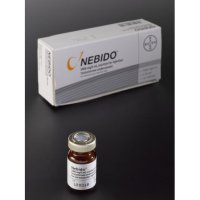
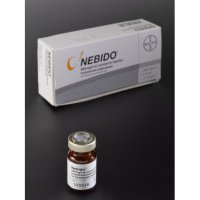
Now we get to Testosterone Undecanoate, best known under the brand name Nebido in many countries.
What sets it apart?
- It uses an extra-long undecanoate ester
- That gives it a much longer half-life – roughly 24–32 days
- It can be administered roughly once every 4 weeks (often with a loading schedule at the start, then spaced further apart once levels are stable)
For many patients, especially those who:
- Don’t want to self-inject frequently
- Travel a lot
- Rely on clinic visits for injections
…this long-acting profile makes Nebido a very attractive TRT base.
Dosing Differences: Enanthate / Cypionate vs Undecanoate
Because the undecanoate ester is heavier (higher molecular weight) than enanthate or cypionate, each “mg” of Testosterone Undecanoate contains less free testosterone.
In practice, that means:
- You usually need about 15–20% more mg of Testosterone Undecanoate to deliver the same amount of active testosterone as Enanthate or Cypionate.
That’s why standard Nebido regimens often look like:
- Around 1000 mg every 4 weeks (after the initial loading phase)
Functionally, this is in the same ballpark as:
- ~200 mg per week of Test E or C over the same time period, once you account for ester weight and release profile.
The advantages of Nebido-based TRT include:
- Very stable serum levels with fewer peaks and valleys
- Infrequent injections, which many men find easier to stick with long-term
- A “low maintenance” feel compared with having to pin weekly or more often
Key Takeaways
- TRT is designed to correct true testosterone deficiency, not simply to enhance performance in healthy men.
- Symptoms alone aren’t enough—blood tests (total + free T) and a proper evaluation are mandatory.
- Testosterone Enanthate and Cypionate are flexible, well-established options, usually given weekly.
- Testosterone Undecanoate (Nebido) offers:
- A much longer half-life
- Once-every-few-weeks injection schedules
- A highly convenient, stable TRT option—especially for men who travel, dislike frequent injections, or depend on clinic-based administration.
- Because of its higher ester weight, Nebido dosing is typically 15–20% higher (mg for mg) than Test E/C to achieve similar testosterone delivery, with common regimens around 1000 mg every 4 weeks.
Used in the right context and monitored correctly, Testosterone Undecanoate can be an excellent long-acting backbone for a TRT protocol.
Contact us at [email protected] for personalized consultation
 Read the full guide here: