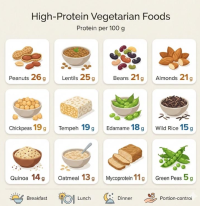
Seitan (25g per 100g), tempeh, tofu (17–20g per dose), lentils, edamame, and soy-based foods like textured vegetable protein are the best plant-based foods for plant-based athletes to get a lot of protein. You should also add nutritional yeast, beans, and rice to fill in any amino acid gaps. You can get the 1.6–2.2g per kilogram of bodyweight you need by putting these staples at the top of your daily meal plan.
It's not hard to figure out how much protein a plant-based athlete needs, but you have to go beyond the general guidelines made for people who don't do much.
Daily protein consumption should range from 1.6 to 2.2 grams depending on body weight for those who intend to engage in intense workouts. Some athletes who eat plants do better with the higher end of that range, since plant proteins aren't always as easy to digest as proteins from animals.
If you focus on foods that are high in amino acids, you can be sure that you're regularly starting muscle protein synthesis and not just hitting a number. Soy and other complete proteins make this easier, but having a variety of legumes, grains, and vegetables every day will meet your needs just fine.
The amount of protein you eat each day is always more important than the quality of a single meal.
Soybeans are the clear exception because they have the same amount of all amino acids as animal sources. For missing sources like lentils or rice, smartly pairing them fills in the gaps without making your meals more difficult.
Every amino acid is important, but you don't need them all at once. What counts is getting the full range throughout the day. Choose a range of foods, focusing on those high in leucine, and let your overall diet do the heavy lifting.
Seitan has the most raw protein of any food, with about 25 grams per 100 grams. Tofu is a versatile middle-of-the-road choice. Firm types have 17–20 grams of protein per serving, while silken types work better in smoothies or sauces. Tempeh is a little better than tofu, and the fermentation process is good for your gut. Edamame and lentils are great additions to your whole-food base because they are high in amino acids.
Building meals around these bases instead of adding them on occasion is what separates steady progress from results that have stopped moving forward.
For lunch, eat beans with rice. For dinner, add tempeh to a stir-fry. For a high-protein snack, sprinkle nutritional yeast over roasted chickpeas. Each mix gives you a wider range of amino acids than any one source by itself.
Spread these mixtures out over three to five meals a day. Spreading out what you eat instead of eating a lot all at once helps your body make more muscle protein and keeps your healing on track between workouts.
Anchor your meals throughout the day with sources that break down more slowly, like textured vegetable protein (TVP). It will keep your amino acid levels up between workouts. To keep your muscles from breaking down after fasting all night, eat a lot of protein at breakfast.
It's best to spread out your protein intake over three to five meals, rather than saving most of it for dinner. This way, muscle protein production stays high, and your body can use the food more efficiently.
How Much Protein Do Plant-Based Athletes Actually Need?
It's not hard to figure out how much protein a plant-based athlete needs, but you have to go beyond the general guidelines made for people who don't do much.
Daily protein consumption should range from 1.6 to 2.2 grams depending on body weight for those who intend to engage in intense workouts. Some athletes who eat plants do better with the higher end of that range, since plant proteins aren't always as easy to digest as proteins from animals.
If you focus on foods that are high in amino acids, you can be sure that you're regularly starting muscle protein synthesis and not just hitting a number. Soy and other complete proteins make this easier, but having a variety of legumes, grains, and vegetables every day will meet your needs just fine.
The amount of protein you eat each day is always more important than the quality of a single meal.
Complete vs. Incomplete Proteins
Once you know how much protein you need each day, the next step is to figure out which foods give you all the nutrients you need and which ones need a little more planning. There are nine important amino acids that your body can't make on its own. Most plant foods are lacking in at least one of these, which lowers the quality of the protein and stops muscles from making protein.Soybeans are the clear exception because they have the same amount of all amino acids as animal sources. For missing sources like lentils or rice, smartly pairing them fills in the gaps without making your meals more difficult.
Every amino acid is important, but you don't need them all at once. What counts is getting the full range throughout the day. Choose a range of foods, focusing on those high in leucine, and let your overall diet do the heavy lifting.
The Best High-Protein Vegan Foods for Athletes
Now that you know how much protein you want to eat and how to get it, it's time to get specific about which foods will actually help you reach your goals. Density and digestibility should be your top priorities when shopping for vegan protein sources to aid in lean muscle development and recovery.Seitan has the most raw protein of any food, with about 25 grams per 100 grams. Tofu is a versatile middle-of-the-road choice. Firm types have 17–20 grams of protein per serving, while silken types work better in smoothies or sauces. Tempeh is a little better than tofu, and the fermentation process is good for your gut. Edamame and lentils are great additions to your whole-food base because they are high in amino acids.
Building meals around these bases instead of adding them on occasion is what separates steady progress from results that have stopped moving forward.
How to Combine Plant Proteins to Meet Daily Intake Goals
Adding items that are high in protein to your daily meals is only one part of the solution. You should think about how your protein sources work with each other throughout the day if you want to really improve your power performance. Because plant proteins have different amino acid profiles, getting them from more than one source is better for filling in nutritional gaps than depending on just one food.For lunch, eat beans with rice. For dinner, add tempeh to a stir-fry. For a high-protein snack, sprinkle nutritional yeast over roasted chickpeas. Each mix gives you a wider range of amino acids than any one source by itself.
Spread these mixtures out over three to five meals a day. Spreading out what you eat instead of eating a lot all at once helps your body make more muscle protein and keeps your healing on track between workouts.
How Plant-Based Athletes Should Time Protein for Peak Performance
To help your muscles recover, try to eat 20–40g of protein within two hours of working out. Pea protein is easy to stomach, which makes it a good choice after a workout. Before you work out, edamame is a good, light, and protein-dense snack that won't make you feel heavy.Anchor your meals throughout the day with sources that break down more slowly, like textured vegetable protein (TVP). It will keep your amino acid levels up between workouts. To keep your muscles from breaking down after fasting all night, eat a lot of protein at breakfast.
It's best to spread out your protein intake over three to five meals, rather than saving most of it for dinner. This way, muscle protein production stays high, and your body can use the food more efficiently.