Hello! It's LiftWithPurpose again. When it comes to boxing, what happens after you leave the ring is just as important as what happens inside it. Post-workout recovery for boxers isn't just a luxury, it's essential for your continued progress and performance. The intense physical demands of boxing training break down muscle tissue, deplete energy stores, and challenge your body's recovery systems.

Post-workout recovery meal for boxers with lean protein and carbohydrates for muscle repair
Smart boxing nutrition strategically replenishes what you've lost and provides the building blocks needed for repair. By consuming the right foods and vitamins after training, you'll accelerate muscle recovery, reduce soreness, and prepare your body for the next challenging session. This article will guide you through the most effective recovery foods and supplements that can help you bounce back faster and train harder consistently.
Boxing training represents one of the most demanding physical activities an athlete can undertake. When you're in the ring or hitting the heavy bag, your muscles experience microscopic tears while your glycogen stores rapidly deplete. Without proper post-workout attention, these physiological stresses can lead to prolonged soreness, decreased performance, and potential injury.
Your body's ability to perform muscle repair after boxing depends heavily on nutrient timing and selection. Consuming glycogen replenishment foods within 30 minutes after training can accelerate recovery by 50%. Additionally, the inflammatory response from high-intensity training needs to be managed through proper nutrition.
The recovery process isn't just about feeling better tomorrow, it's about building a stronger, more resilient boxer who can maintain consistent training quality and competitive edge.
Key Nutrients Needed After Boxing Training
Every successful recovery strategy hinges on five essential nutrient groups that your body craves after intense boxing sessions. Protein for boxers is non-negotiable, aim for 20–30g post-workout to jumpstart muscle repair and protein synthesis. You'll also need carbohydrates for glycogen replenishment; your depleted muscle energy stores require quick restoration through complex carbs to prepare for your next training session.
Don't overlook healthy fats which combat training-induced inflammation and support hormone production. Micronutrients like vitamins C, D, and B complex accelerate recovery by supporting immune function and energy metabolism. Finally, fluids and electrolytes must be prioritized, you'll need to replace what you've lost through sweat to maintain ideal cellular function and prevent cramping.

With your gloves off and training complete, your focus should shift to what goes on your plate. Your ideal post-training meal for boxers should combine protein-rich foods like lean chicken, eggs, or Greek yogurt to repair damaged muscle tissue and accelerate recovery.
Don't forget to include carbohydrate sources such as brown rice, sweet potatoes, or oatmeal to replenish depleted glycogen stores. Anti-inflammatory foods for athletes like fatty fish (salmon, mackerel), colorful berries, and leafy greens help reduce training-induced inflammation and soreness.
For hydration, reach for coconut water, watermelon, or homemade electrolyte drinks to replace fluids and minerals lost during your boxing session. These recovery foods work together to optimize your body's repair processes and prepare you for tomorrow's training.

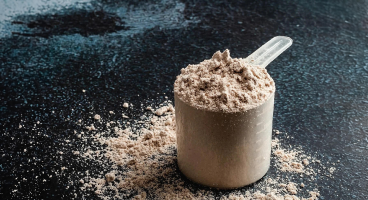
While whole foods should form the foundation of your recovery nutrition, strategic supplementation can markedly enhance your post-boxing recovery process. For ideal muscle repair, consider high-quality whey protein immediately after training, followed by slower-digesting casein before bed.
Vitamin D for boxers is pivotal as it supports bone health and immune function, especially important if you're training indoors with limited sun exposure. Magnesium for athletes helps reduce muscle cramps and supports energy production, making it crucial after intense boxing sessions. Don't overlook BCAAs for preserving muscle tissue during grueling workouts, or creatine monohydrate for power recovery. Tart cherry juice and omega-3 supplements provide natural anti-inflammatory benefits that can greatly reduce recovery time between training sessions.
Timing represents the critical difference between ideal recovery and wasted opportunity after boxing training. Your body enters a heightened absorption state, often called the anabolic window, within 30–45 minutes after intense exercise. During this period, aim to consume a meal with a 3:1 carbohydrate to protein ratio to maximize glycogen replenishment and muscle repair.
For preferred protein timing, consume 20–30g of high-quality protein immediately post-workout, followed by another serving 2–3 hours later. Your post-training nutrition strategy should extend beyond the immediate recovery meal, spacing additional nutrient intake throughout the day maintains the recovery process. For evening training sessions, include slow-digesting proteins like casein to support overnight recovery when your body performs much of its repair work.

Proper nutrition timing creates the foundation, but specific meal combinations bring recovery principles to life. After intense boxing sessions, your body needs targeted nutrition to maximize recovery.
For immediate refueling, try a quick shake with whey protein post-workout blended with a banana, berries, and a splash of almond milk. This combination delivers fast-absorbing protein and carbohydrates when your muscles are most receptive.
For a complete meal option, combine 4–6oz of grilled chicken with sweet potatoes and steamed broccoli drizzled with olive oil. This balanced plate provides sustained recovery nutrients.

Greek yogurt with almonds as a nighttime recovery snack for boxers
If you train in the evening, consider casein protein before sleep, paired with Greek yogurt and a handful of almonds to support overnight muscle repair during your body's natural recovery period.
Common Recovery Mistakes Boxers Should Avoid

Despite knowing the importance of recovery, many boxers undermine their potential gains by falling into common nutritional pitfalls. The biggest sports nutrition for boxing error is skipping post-workout nutrition entirely, which leaves your depleted muscles without essential repair materials. You're also hindering recovery if you're not hydrating adequately before, during, and after training sessions.
Another common mistake is relying too heavily on supplements while neglecting whole food nutrition. Your body needs the complete nutrient profile only real food provides. Many boxers also ignore the timing element, waiting too long after training to refuel can dramatically slow recovery. Finally, recovery mistakes boxers should avoid include consuming insufficient calories overall, which prevents proper tissue repair and adaptation, regardless of nutrient quality.

When you prioritize recovery nutrition, your boxing performance undergoes a remarkable transformation across multiple dimensions. Proper post-workout nutrition accelerates muscle repair, reducing recovery time between intense training sessions. Incorporating omega-3 for recovery helps combat inflammation, allowing you to maintain consistent training volume with less soreness.
Your endurance improves as glycogen stores are efficiently replenished, giving you sustained energy for both training and competition. BCAAs for muscle recovery support protein synthesis, helping you build and maintain the lean muscle mass essential for power and speed in the ring.
Perhaps most importantly, strategic nutrition prevents the cumulative fatigue that leads to injuries, ensuring you can train at ideal intensity throughout your competitive season without unwanted interruptions.

Post-workout recovery meal for boxers with lean protein and carbohydrates for muscle repair
Smart boxing nutrition strategically replenishes what you've lost and provides the building blocks needed for repair. By consuming the right foods and vitamins after training, you'll accelerate muscle recovery, reduce soreness, and prepare your body for the next challenging session. This article will guide you through the most effective recovery foods and supplements that can help you bounce back faster and train harder consistently.
Why Post-Workout Recovery Is Critical for Boxers
Boxing training represents one of the most demanding physical activities an athlete can undertake. When you're in the ring or hitting the heavy bag, your muscles experience microscopic tears while your glycogen stores rapidly deplete. Without proper post-workout attention, these physiological stresses can lead to prolonged soreness, decreased performance, and potential injury.
Your body's ability to perform muscle repair after boxing depends heavily on nutrient timing and selection. Consuming glycogen replenishment foods within 30 minutes after training can accelerate recovery by 50%. Additionally, the inflammatory response from high-intensity training needs to be managed through proper nutrition.
The recovery process isn't just about feeling better tomorrow, it's about building a stronger, more resilient boxer who can maintain consistent training quality and competitive edge.
Key Nutrients Needed After Boxing Training
Every successful recovery strategy hinges on five essential nutrient groups that your body craves after intense boxing sessions. Protein for boxers is non-negotiable, aim for 20–30g post-workout to jumpstart muscle repair and protein synthesis. You'll also need carbohydrates for glycogen replenishment; your depleted muscle energy stores require quick restoration through complex carbs to prepare for your next training session.
Don't overlook healthy fats which combat training-induced inflammation and support hormone production. Micronutrients like vitamins C, D, and B complex accelerate recovery by supporting immune function and energy metabolism. Finally, fluids and electrolytes must be prioritized, you'll need to replace what you've lost through sweat to maintain ideal cellular function and prevent cramping.
Top Recovery Foods for Boxers After Training

With your gloves off and training complete, your focus should shift to what goes on your plate. Your ideal post-training meal for boxers should combine protein-rich foods like lean chicken, eggs, or Greek yogurt to repair damaged muscle tissue and accelerate recovery.
Don't forget to include carbohydrate sources such as brown rice, sweet potatoes, or oatmeal to replenish depleted glycogen stores. Anti-inflammatory foods for athletes like fatty fish (salmon, mackerel), colorful berries, and leafy greens help reduce training-induced inflammation and soreness.
For hydration, reach for coconut water, watermelon, or homemade electrolyte drinks to replace fluids and minerals lost during your boxing session. These recovery foods work together to optimize your body's repair processes and prepare you for tomorrow's training.
Top Vitamins and Supplements for Boxing Recovery

While whole foods should form the foundation of your recovery nutrition, strategic supplementation can markedly enhance your post-boxing recovery process. For ideal muscle repair, consider high-quality whey protein immediately after training, followed by slower-digesting casein before bed.
Vitamin D for boxers is pivotal as it supports bone health and immune function, especially important if you're training indoors with limited sun exposure. Magnesium for athletes helps reduce muscle cramps and supports energy production, making it crucial after intense boxing sessions. Don't overlook BCAAs for preserving muscle tissue during grueling workouts, or creatine monohydrate for power recovery. Tart cherry juice and omega-3 supplements provide natural anti-inflammatory benefits that can greatly reduce recovery time between training sessions.
Best Post-Training Recovery Meal Timing for Boxers
Timing represents the critical difference between ideal recovery and wasted opportunity after boxing training. Your body enters a heightened absorption state, often called the anabolic window, within 30–45 minutes after intense exercise. During this period, aim to consume a meal with a 3:1 carbohydrate to protein ratio to maximize glycogen replenishment and muscle repair.
For preferred protein timing, consume 20–30g of high-quality protein immediately post-workout, followed by another serving 2–3 hours later. Your post-training nutrition strategy should extend beyond the immediate recovery meal, spacing additional nutrient intake throughout the day maintains the recovery process. For evening training sessions, include slow-digesting proteins like casein to support overnight recovery when your body performs much of its repair work.
Sample Post-Workout Recovery Meal Plans

Proper nutrition timing creates the foundation, but specific meal combinations bring recovery principles to life. After intense boxing sessions, your body needs targeted nutrition to maximize recovery.
For immediate refueling, try a quick shake with whey protein post-workout blended with a banana, berries, and a splash of almond milk. This combination delivers fast-absorbing protein and carbohydrates when your muscles are most receptive.
For a complete meal option, combine 4–6oz of grilled chicken with sweet potatoes and steamed broccoli drizzled with olive oil. This balanced plate provides sustained recovery nutrients.

Greek yogurt with almonds as a nighttime recovery snack for boxers
If you train in the evening, consider casein protein before sleep, paired with Greek yogurt and a handful of almonds to support overnight muscle repair during your body's natural recovery period.
Common Recovery Mistakes Boxers Should Avoid

Despite knowing the importance of recovery, many boxers undermine their potential gains by falling into common nutritional pitfalls. The biggest sports nutrition for boxing error is skipping post-workout nutrition entirely, which leaves your depleted muscles without essential repair materials. You're also hindering recovery if you're not hydrating adequately before, during, and after training sessions.
Another common mistake is relying too heavily on supplements while neglecting whole food nutrition. Your body needs the complete nutrient profile only real food provides. Many boxers also ignore the timing element, waiting too long after training to refuel can dramatically slow recovery. Finally, recovery mistakes boxers should avoid include consuming insufficient calories overall, which prevents proper tissue repair and adaptation, regardless of nutrient quality.
How Recovery Nutrition Impacts Boxing Performance

When you prioritize recovery nutrition, your boxing performance undergoes a remarkable transformation across multiple dimensions. Proper post-workout nutrition accelerates muscle repair, reducing recovery time between intense training sessions. Incorporating omega-3 for recovery helps combat inflammation, allowing you to maintain consistent training volume with less soreness.
Your endurance improves as glycogen stores are efficiently replenished, giving you sustained energy for both training and competition. BCAAs for muscle recovery support protein synthesis, helping you build and maintain the lean muscle mass essential for power and speed in the ring.
Perhaps most importantly, strategic nutrition prevents the cumulative fatigue that leads to injuries, ensuring you can train at ideal intensity throughout your competitive season without unwanted interruptions.