BigArvin
Administrator
Staff
- Joined
- Aug 7, 2023
- Messages
- 732
- Points
- 28
Listen up! It's BigArvin here. Nutrient partitioning is the game-changer that decides if those calories you eat are fueling muscle growth or just padding your waistline. The way your body handles it comes down to your hormonal setup. Things like insulin sensitivity and testosterone are key players.
If you want the edge, hammer out high-intensity resistance training, nail your nutrient timing around workouts, and respect recovery like it's part of your lifting program. Spread your protein across several meals to keep muscle protein synthesis firing, and place carbs strategically when your body can use them best around training.
Add in smart supplements like creatine and omega-3s, and you'll sharpen how efficiently your body puts those nutrients to work. Put all of this together, and you're not just lifting. You're transforming your physique.
When you consume calories, your body makes complex decisions about their fat. This energy partitioning process determines your bodybuilding success, directing nutrients toward muscle hypertrophy rather than adipose tissue.
Your hormonal environment plays the primary role in this partitioning. Insulin sensitivity, testosterone levels, and growth factors all influence whether a caloric surplus supports protein synthesis or fat storage.
Strategic timing of nutrients makes this process better. Eating carbs and protein around the time you work out can help your muscles grow by taking advantage of your body's heightened anabolic state.
The quality of your training stimulus is also important. For example, intense resistance exercise creates the right metabolic conditions for muscle tissue to get more nutrients than fat cells.
When you eat and exercise in a way that keeps your hormones in balance, your body will look better. Your metabolic rate is greatly affected by your levels of testosterone and growth hormone. These hormones affect how well you build muscle and store fat.
Your training adaptation changes your hormones, which can either help or hurt your goals. High-intensity resistance training boosts anabolic hormones that help build muscle protein, while long-term stress raises cortisol, which makes your body store fat around your waist. By getting enough sleep, managing stress, and eating the right foods at the right times, you can make the best hormonal environment for good energy partitioning.

How you train fundamentally shapes your body's energy partitioning mechanisms. High-intensity resistance training with progressive overload signals your metabolism to direct caloric intake toward muscle synthesis rather than fat storage. To maximize anabolism, focus on compound movements that recruit multiple muscle groups, which stimulate greater hormonal responses.
Your recovery strategy is equally essential. Inadequate rest compromises the anabolic environment and promotes fat storage. Aim for 48-72 hours between training the same muscle groups while maintaining sufficient training frequency.
Strategic cardio can enhance fat oxidation without sacrificing lean mass when properly timed. Consider fasted morning cardio during cutting phases, while keeping intensity moderate. Remember that excessive cardio can interfere with recovery pathways, potentially shifting your body's partitioning preference away from muscle preservation.
The timing of carbohydrates affects how well glycogen is stored. Eating carbs mostly around workouts gives you energy and lowers the risk of storing fat when you're not working out. This method increases thermogenesis and keeps your resting energy expenditure high all day long.
Distributing your macronutrients strategically across 4-6 meals optimizes nutrient partitioning by keeping protein synthesis elevated and stabilizing blood glucose. Don't underestimate the power of your pre-bed meal. Slower-digesting proteins can sustain recovery during sleep.
Focus on supplements with proven partitioning benefits. Creatine monohydrate improves glucose transport into muscles, while chromium picolinate may enhance insulin sensitivity. Omega-3 fatty acids can make cell membranes more flexible, which helps nutrients get to muscle tissue.
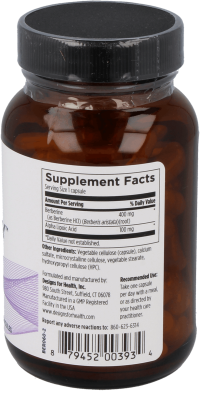
Berberine and alpha-lipoic acid may help advanced athletes by making insulin signaling pathways work better. Timing is also important. Cinnamon extract and R-ALA are two examples of glucose disposal agents that can help move carbs to muscle glycogen instead of fat storage when taken with high-carb meals.

If you want the edge, hammer out high-intensity resistance training, nail your nutrient timing around workouts, and respect recovery like it's part of your lifting program. Spread your protein across several meals to keep muscle protein synthesis firing, and place carbs strategically when your body can use them best around training.
Add in smart supplements like creatine and omega-3s, and you'll sharpen how efficiently your body puts those nutrients to work. Put all of this together, and you're not just lifting. You're transforming your physique.
The Science Behind Nutrient Partitioning and Muscle Growth
When you consume calories, your body makes complex decisions about their fat. This energy partitioning process determines your bodybuilding success, directing nutrients toward muscle hypertrophy rather than adipose tissue.
Your hormonal environment plays the primary role in this partitioning. Insulin sensitivity, testosterone levels, and growth factors all influence whether a caloric surplus supports protein synthesis or fat storage.
Strategic timing of nutrients makes this process better. Eating carbs and protein around the time you work out can help your muscles grow by taking advantage of your body's heightened anabolic state.
The quality of your training stimulus is also important. For example, intense resistance exercise creates the right metabolic conditions for muscle tissue to get more nutrients than fat cells.
Hormonal Factors That Influence Energy Distribution
Hormones are the body's main messengers that tell it how to use or store calories. Insulin sensitivity is a key factor in bodybuilding success because it directly affects whether carbohydrates help muscles grow or store fat.When you eat and exercise in a way that keeps your hormones in balance, your body will look better. Your metabolic rate is greatly affected by your levels of testosterone and growth hormone. These hormones affect how well you build muscle and store fat.
Your training adaptation changes your hormones, which can either help or hurt your goals. High-intensity resistance training boosts anabolic hormones that help build muscle protein, while long-term stress raises cortisol, which makes your body store fat around your waist. By getting enough sleep, managing stress, and eating the right foods at the right times, you can make the best hormonal environment for good energy partitioning.
Training Protocols That Optimize Anabolic Partitioning

How you train fundamentally shapes your body's energy partitioning mechanisms. High-intensity resistance training with progressive overload signals your metabolism to direct caloric intake toward muscle synthesis rather than fat storage. To maximize anabolism, focus on compound movements that recruit multiple muscle groups, which stimulate greater hormonal responses.
Your recovery strategy is equally essential. Inadequate rest compromises the anabolic environment and promotes fat storage. Aim for 48-72 hours between training the same muscle groups while maintaining sufficient training frequency.
Strategic cardio can enhance fat oxidation without sacrificing lean mass when properly timed. Consider fasted morning cardio during cutting phases, while keeping intensity moderate. Remember that excessive cardio can interfere with recovery pathways, potentially shifting your body's partitioning preference away from muscle preservation.
Nutritional Timing Strategies for Improved Body Composition
The timing of when you eat certain nutrients can have a big effect on how your body responds to them. It could mean the difference between gaining muscle and gaining fat. If you make sure to eat protein right after your workout, you'll give your muscles the amino acids they need when they're most open to them, which will stop catabolism and speed up recovery.The timing of carbohydrates affects how well glycogen is stored. Eating carbs mostly around workouts gives you energy and lowers the risk of storing fat when you're not working out. This method increases thermogenesis and keeps your resting energy expenditure high all day long.
Distributing your macronutrients strategically across 4-6 meals optimizes nutrient partitioning by keeping protein synthesis elevated and stabilizing blood glucose. Don't underestimate the power of your pre-bed meal. Slower-digesting proteins can sustain recovery during sleep.
Advanced Supplementation for Enhanced Nutrient Allocation
While the right diet and training regimen form the foundation of effective energy partitioning, strategic supplementation can greatly enhance how your body allocates nutrients between muscle growth and fat storage.Focus on supplements with proven partitioning benefits. Creatine monohydrate improves glucose transport into muscles, while chromium picolinate may enhance insulin sensitivity. Omega-3 fatty acids can make cell membranes more flexible, which helps nutrients get to muscle tissue.
Berberine and alpha-lipoic acid may help advanced athletes by making insulin signaling pathways work better. Timing is also important. Cinnamon extract and R-ALA are two examples of glucose disposal agents that can help move carbs to muscle glycogen instead of fat storage when taken with high-carb meals.