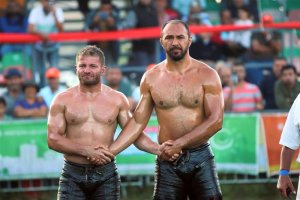
It’s LiftWithPurpose here. Let’s take a closer look at what truly makes Turkish oil wrestling one of a kind. You've likely seen many combat sports, but none quite like Turkish oil wrestling. Beyond the obvious spectacle of wrestlers covered in olive oil, this centuries-old tradition carries deep cultural significance that few martial arts can claim. The combination of ritualistic ceremonies, unique scoring systems, and the prestigious Kırkpınar tournament sets it apart from conventional wrestling styles. What truly makes this practice exceptional, however, goes far beyond its slippery surface and into the heart of Turkish identity.

What makes Turkish oil wrestling truly unique is its blend of physical prowess and ceremonial tradition. You'll find matches conducted outdoors on grass, where wrestlers must secure victory primarily through superior leverage and endurance. The Turkish wrestling tradition incorporates rituals, music, and specific protocols that connect modern competitors to their ancestors.
Beyond technique, it's a celebration of cultural identity where respect for opponents and adherence to honorable conduct matter as much as victory itself.
What began as military training evolved into a structured sport that reinforced values of strength, honor, and discipline. Fathers have passed techniques to sons across centuries, creating an unbroken chain of Turkish cultural sports heritage that few combat styles can claim.
This generational knowledge transfer guarantees authenticity remains intact despite modernization. Unlike sports that change dramatically with time, oil wrestling's core principles have remained remarkably consistent, preserving cultural elements that would otherwise be lost to history.

Since 1362, the Kırkpınar Oil Wrestling Festival has stood as the world's oldest continuously held sporting competition, earning recognition from UNESCO as an Intangible Cultural Heritage of Humanity.
For over 650 years, wrestlers have gathered at the historic Sarayiçi wrestling grounds in Edirne to compete for the golden belt and the prestigious title of "Başpehlivan" (chief wrestler). The three-day festival transcends mere sport, representing the living heart of Turkish wrestling tradition.
At Kırkpınar, you'll witness matches that can last for hours under the scorching summer sun, with thousands of spectators gathering from across Turkey and beyond. The tournament's longevity speaks to its deep cultural significance and the unwavering dedication to preserving this ancient combat tradition.
When you visit during tournament season, you'll witness how this former Ottoman capital transforms into a living museum of traditional Turkish combat sports. The city's identity is inseparable from oil wrestling. Locals speak of pehlivans with reverence, and historical monuments celebrate champions throughout the centuries. Edirne's significance runs deeper than mere venue; it represents the soul of the sport, where ancient rituals unfold on the same grass where Ottoman warriors once trained.
You'll find that Pehlivan wrestlers are held to exceptional standards of character. They must demonstrate humility, courage, and respect toward opponents. Unlike modern combat sports, where trash talk is common, Pehlivanis follow a code that prizes honorable conduct above victory itself. They're expected to be role models within their communities, often taking on mentorship roles for younger wrestlers.
This cultural status transforms them into living embodiments of traditional values. When you witness a pehlivan competition, you're not just seeing athletes; you’re observing cultural ambassadors who preserve Turkey's heritage through their discipline and unwavering commitment.
The kispet's unique design serves critical functions in this traditional grappling sport. The thick leather provides vital grip points for opponents while resisting tearing despite intense pulling. When soaked with olive oil, the material becomes simultaneously slicker and heavier, dramatically affecting movement and technique. Wrestlers must master grabbing the kispet's waistband, pockets, or knee sections to establish control, a skill entirely different from other wrestling styles. This traditional gear transforms the combat dynamics, requiring specialized techniques that have defined Turkish oil wrestling for generations.

Wrestlers slather their bodies with approximately 30 pounds of olive oil before each match, creating combat conditions unlike any other wrestling tradition in the world. This oil isn't just ceremonial; it fundamentally transforms the physical dynamics of the contest.
In olive oil wrestling, you'll find that conventional grappling techniques become nearly impossible. The slippery surface eliminates friction, forcing competitors to develop specialized grips and leverage points. Wrestlers must master the art of maintaining control despite the constant loss of handholds.
The extreme physical demands come from the combination of oil and endurance requirements. You're not just fighting your opponent but also the slippery wrestling techniques they employ, all while your cardiovascular system works overtime in what can become hour-long battles of attrition.
When you watch pehlivans compete, you'll notice how they fight to secure the kispet, often the only reliable handhold in this slippery contest. Success requires extraordinary upper-body strength and the ability to maintain leverage while constantly adjusting to your opponent's movements.
As a standing wrestling style, Turkish oil wrestling eliminates ground fighting, forcing athletes to excel at manipulating their opponent's center of gravity while maintaining their own stability. Matches can last hours, testing mental fortitude as much as physical capacity, with victory often going to wrestlers who can outlast rather than overpower their opponents.
The oil wrestling rules differ drastically from modern wrestling formats. Traditional competitions don't separate fighters by weight classes, meaning smaller wrestlers often face much heavier opponents. Victory is achieved by either pinning your opponent's shoulders to the ground or lifting them above your head. Matches can last for hours, with no time limits in traditional formats, rewarding those with superior endurance and mental fortitude. This unique structure preserves the combat style's essence as a test of complete athletic prowess rather than specialized technique.
Before combat begins, wrestlers perform ritualized movements: they slap their knees and thighs while advancing toward each other, demonstrating readiness and respect. Traditional zurna pipes and davul drums create an atmospheric soundtrack that heightens the solemnity of the occasion.
These rituals turkish wrestling competitors perform aren't mere spectacle; they reinforce the sport's spiritual foundations. By honoring opponents before attempting to defeat them, Pehlivanis demonstrate that this combat style transcends physical competition, representing a cultural heritage where respect precedes victory and tradition guides every movement.
You'll notice standardized match durations have replaced the once-unlimited bouts that could last days, though the fundamental rules remain intact. Drug testing and medical examinations have become mandatory at major wrestling festivals in Turkey, particularly at Kırkpınar, where thousands gather annually.
Despite these modernizations, the federation fiercely protects the sport's cultural heritage, ensuring that commercial interests don't compromise traditions that have defined this combat style for centuries. This delicate equilibrium keeps the sport both historically authentic and viable in today's world.
The oil-slicked competitors create a fundamentally different tactical environment than Greco-Roman wrestling, where dry grips are reliable. Without weight classes in traditional competitions, size advantages matter less than in Western combat sports, with technique and endurance often prevailing over raw strength.
What modern fighters might learn from this ancient practice is patience. Matches can last hours, demanding mental fortitude that exceeds the timed rounds of contemporary combat sports.

Despite globalization's homogenizing effect on cultural traditions, Turkish oil wrestling continues to thrive as both a national treasure and a living museum of combat heritage. Its preservation represents more than nostalgia; it embodies Turkish identity and values.
You'll find increasing international attention has bolstered the sport's standing, with tourism around the Kırkpınar festival growing yearly. Foreign wrestlers now participate, spreading appreciation for this ancient combat form beyond Turkey's borders.
The sport's emphasis on honor, respect, and physical mastery offers a counterpoint to commercialized fighting spectacles. In an age of manufactured entertainment, something is revitalizing about competitions where technique and character matter more than showmanship.
Turkish oil wrestling reminds us that combat sports can preserve cultural heritage while simultaneously evolving with modern times.
What makes this sport unique is its perfect blend of physicality, cultural significance, and ritual. The oiled leather, absence of weight classes, and emphasis on standing grappling create combat challenges found nowhere else. Beyond technique, it embodies values of honor, respect, and community that transcend mere competition.
As you explore various combat sports, consider that Turkish oil wrestling isn't just about who wins; it's about preserving an identity. In a world of evolving fight sports, the pehlivans continue a tradition that honors ancestral strength while showcasing an authentic combat style that has withstood the test of time.

Introduction to Turkish Oil Wrestling
While modern combat sports like MMA and wrestling dominate global attention, Turkish oil wrestling stands as a remarkable cultural anomaly that's survived for centuries. Unlike any other grappling style, this traditional combat art features wrestlers covered in olive oil competing in leather pants called kispets.What makes Turkish oil wrestling truly unique is its blend of physical prowess and ceremonial tradition. You'll find matches conducted outdoors on grass, where wrestlers must secure victory primarily through superior leverage and endurance. The Turkish wrestling tradition incorporates rituals, music, and specific protocols that connect modern competitors to their ancestors.
Beyond technique, it's a celebration of cultural identity where respect for opponents and adherence to honorable conduct matter as much as victory itself.
Ancient Roots and Cultural Significance
Although its exact origins remain somewhat disputed, Turkish oil wrestling traces back to the 14th century during the Ottoman Empire's expansion. Legend tells of 40 soldiers who wrestled for entertainment during a military campaign, establishing one of the oldest Ottoman wrestling traditions still practiced today.What began as military training evolved into a structured sport that reinforced values of strength, honor, and discipline. Fathers have passed techniques to sons across centuries, creating an unbroken chain of Turkish cultural sports heritage that few combat styles can claim.
This generational knowledge transfer guarantees authenticity remains intact despite modernization. Unlike sports that change dramatically with time, oil wrestling's core principles have remained remarkably consistent, preserving cultural elements that would otherwise be lost to history.
The World’s Oldest Wrestling Tournament Still in Existence

Since 1362, the Kırkpınar Oil Wrestling Festival has stood as the world's oldest continuously held sporting competition, earning recognition from UNESCO as an Intangible Cultural Heritage of Humanity.
For over 650 years, wrestlers have gathered at the historic Sarayiçi wrestling grounds in Edirne to compete for the golden belt and the prestigious title of "Başpehlivan" (chief wrestler). The three-day festival transcends mere sport, representing the living heart of Turkish wrestling tradition.
At Kırkpınar, you'll witness matches that can last for hours under the scorching summer sun, with thousands of spectators gathering from across Turkey and beyond. The tournament's longevity speaks to its deep cultural significance and the unwavering dedication to preserving this ancient combat tradition.
Why Edirne Is the Spiritual Home of Oil Wrestling
Located at the crossroads of Europe and Asia, Edirne isn't just another Turkish city; it’s the beating heart of oil wrestling culture. For over 660 years, the historic Kırkpınar festival has taken place in Edirne's Sarayiçi field, creating an unbreakable bond between place and tradition.When you visit during tournament season, you'll witness how this former Ottoman capital transforms into a living museum of traditional Turkish combat sports. The city's identity is inseparable from oil wrestling. Locals speak of pehlivans with reverence, and historical monuments celebrate champions throughout the centuries. Edirne's significance runs deeper than mere venue; it represents the soul of the sport, where ancient rituals unfold on the same grass where Ottoman warriors once trained.
The Pehlivan – More Than Just a Wrestler
In Turkish culture, the pehlivan stands out as far more than an athlete who competes on the field. These revered figures embody centuries of Turkish martial traditions, carrying themselves with dignity both in and out of competition.You'll find that Pehlivan wrestlers are held to exceptional standards of character. They must demonstrate humility, courage, and respect toward opponents. Unlike modern combat sports, where trash talk is common, Pehlivanis follow a code that prizes honorable conduct above victory itself. They're expected to be role models within their communities, often taking on mentorship roles for younger wrestlers.
This cultural status transforms them into living embodiments of traditional values. When you witness a pehlivan competition, you're not just seeing athletes; you’re observing cultural ambassadors who preserve Turkey's heritage through their discipline and unwavering commitment.
Kispet and the Role of Traditional Wrestling Gear
Central to Turkish oil wrestling's distinct identity is the kispet, handcrafted leather trousers that have remained largely unchanged for centuries. Unlike modern wrestling singlets, these heavy calfskin pants weigh up to 13 pounds and are custom-made for each pehlivan by specialized craftsmen.The kispet's unique design serves critical functions in this traditional grappling sport. The thick leather provides vital grip points for opponents while resisting tearing despite intense pulling. When soaked with olive oil, the material becomes simultaneously slicker and heavier, dramatically affecting movement and technique. Wrestlers must master grabbing the kispet's waistband, pockets, or knee sections to establish control, a skill entirely different from other wrestling styles. This traditional gear transforms the combat dynamics, requiring specialized techniques that have defined Turkish oil wrestling for generations.
Olive Oil Wrestling and Its Extreme Physical Demands

Wrestlers slather their bodies with approximately 30 pounds of olive oil before each match, creating combat conditions unlike any other wrestling tradition in the world. This oil isn't just ceremonial; it fundamentally transforms the physical dynamics of the contest.
In olive oil wrestling, you'll find that conventional grappling techniques become nearly impossible. The slippery surface eliminates friction, forcing competitors to develop specialized grips and leverage points. Wrestlers must master the art of maintaining control despite the constant loss of handholds.
The extreme physical demands come from the combination of oil and endurance requirements. You're not just fighting your opponent but also the slippery wrestling techniques they employ, all while your cardiovascular system works overtime in what can become hour-long battles of attrition.
A Combat Style Built on Grip, Balance, and Endurance
The foundation of Turkish oil wrestling rests upon three primary pillars: grip mastery, balance control, and exceptional endurance. Unlike many combat sports, this grip-based wrestling style demands fighters develop specialized techniques to maintain holds on oil-slicked opponents.When you watch pehlivans compete, you'll notice how they fight to secure the kispet, often the only reliable handhold in this slippery contest. Success requires extraordinary upper-body strength and the ability to maintain leverage while constantly adjusting to your opponent's movements.
As a standing wrestling style, Turkish oil wrestling eliminates ground fighting, forcing athletes to excel at manipulating their opponent's center of gravity while maintaining their own stability. Matches can last hours, testing mental fortitude as much as physical capacity, with victory often going to wrestlers who can outlast rather than overpower their opponents.
Standing-Only Wrestling and Unique Rule Structure
Unlike most wrestling styles, where action continues on the ground, Turkish oil wrestling fundamentally remains a standing combat sport. When wrestlers fall, they quickly return to their feet to resume the match. This standing-only wrestling approach places extraordinary demands on competitors' leg strength and balance.The oil wrestling rules differ drastically from modern wrestling formats. Traditional competitions don't separate fighters by weight classes, meaning smaller wrestlers often face much heavier opponents. Victory is achieved by either pinning your opponent's shoulders to the ground or lifting them above your head. Matches can last for hours, with no time limits in traditional formats, rewarding those with superior endurance and mental fortitude. This unique structure preserves the combat style's essence as a test of complete athletic prowess rather than specialized technique.
Rituals, Music, and Ceremony Before the Fight
Turkish oil wrestling's pre-match ceremonies transform athletic competitions into cultural performances rich with tradition and meaning. As you watch, the Cazgır (announcer) introduces each pehlivan with poetic prayers and verses that honor their character and strength, connecting modern matches to ancient wrestling styles.Before combat begins, wrestlers perform ritualized movements: they slap their knees and thighs while advancing toward each other, demonstrating readiness and respect. Traditional zurna pipes and davul drums create an atmospheric soundtrack that heightens the solemnity of the occasion.
These rituals turkish wrestling competitors perform aren't mere spectacle; they reinforce the sport's spiritual foundations. By honoring opponents before attempting to defeat them, Pehlivanis demonstrate that this combat style transcends physical competition, representing a cultural heritage where respect precedes victory and tradition guides every movement.
Governing the Sport in the Modern Era
Modern governance of Turkish oil wrestling strikes a careful balance between preserving ancient traditions and meeting contemporary sports standards. The Turkish Wrestling Federation now oversees regulations that maintain the sport's authenticity while addressing safety concerns that weren't priorities throughout Turkish wrestling history.You'll notice standardized match durations have replaced the once-unlimited bouts that could last days, though the fundamental rules remain intact. Drug testing and medical examinations have become mandatory at major wrestling festivals in Turkey, particularly at Kırkpınar, where thousands gather annually.
Despite these modernizations, the federation fiercely protects the sport's cultural heritage, ensuring that commercial interests don't compromise traditions that have defined this combat style for centuries. This delicate equilibrium keeps the sport both historically authentic and viable in today's world.
How Turkish Oil Wrestling Compares to Other Combat Sports
Anyone observing a Turkish oil wrestling match for the first time will immediately notice its stark differences from mainstream combat sports. Unlike freestyle wrestling's point system or MMA's ground submissions, Turkish oil wrestling focuses on total dominance through controlling your opponent's kispet or achieving the "pıça" position where your rival's back touches the ground.The oil-slicked competitors create a fundamentally different tactical environment than Greco-Roman wrestling, where dry grips are reliable. Without weight classes in traditional competitions, size advantages matter less than in Western combat sports, with technique and endurance often prevailing over raw strength.
What modern fighters might learn from this ancient practice is patience. Matches can last hours, demanding mental fortitude that exceeds the timed rounds of contemporary combat sports.
Why Turkish Oil Wrestling Remains Relevant Today

Despite globalization's homogenizing effect on cultural traditions, Turkish oil wrestling continues to thrive as both a national treasure and a living museum of combat heritage. Its preservation represents more than nostalgia; it embodies Turkish identity and values.
You'll find increasing international attention has bolstered the sport's standing, with tourism around the Kırkpınar festival growing yearly. Foreign wrestlers now participate, spreading appreciation for this ancient combat form beyond Turkey's borders.
The sport's emphasis on honor, respect, and physical mastery offers a counterpoint to commercialized fighting spectacles. In an age of manufactured entertainment, something is revitalizing about competitions where technique and character matter more than showmanship.
Turkish oil wrestling reminds us that combat sports can preserve cultural heritage while simultaneously evolving with modern times.
A Combat Style Unlike Any Other
Turkish oil wrestling stands apart in the global combat sports landscape as a truly singular athletic tradition. While MMA, boxing, and other wrestling styles have modernized extensively, Turkish oil wrestling remains steadfastly connected to its centuries-old roots.What makes this sport unique is its perfect blend of physicality, cultural significance, and ritual. The oiled leather, absence of weight classes, and emphasis on standing grappling create combat challenges found nowhere else. Beyond technique, it embodies values of honor, respect, and community that transcend mere competition.
As you explore various combat sports, consider that Turkish oil wrestling isn't just about who wins; it's about preserving an identity. In a world of evolving fight sports, the pehlivans continue a tradition that honors ancestral strength while showcasing an authentic combat style that has withstood the test of time.