keeptough22
Mecca V.I.P.
VIP
Author
- Joined
- Dec 2, 2023
- Messages
- 598
- Points
- 28
Building muscle requires more than lifting weights. Nutrition plays an equally critical role in determining results. Research consistently shows that specific foods accelerate muscle protein synthesis, while others actively undermine recovery. The relationship between macronutrients and muscle growth follows precise biological principles that many athletes misunderstand. Knowing which foods to prioritize — and which to eliminate — can mean the difference between significant gains and months of stalled progress. The science behind these choices is worth examining closely.

Which Foods Actually Build Muscle?
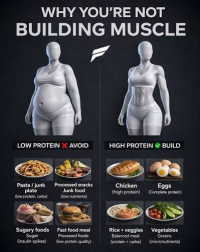
Muscle growth depends not just on training stimulus but on the raw materials the body uses to repair and build new tissue. Selecting the right muscle building foods guarantees that protein synthesis, glycogen replenishment, and hormonal support remain optimized throughout the training cycle.Lean meats, eggs, dairy, legumes, and whole grains consistently emerge as evidence-backed staples. These foods deliver essential amino acids, complex carbohydrates, and micronutrients critical to muscular adaptation. Fatty fish such as salmon contribute omega-3 fatty acids, which research associates with reduced exercise-induced inflammation and improved anabolic signaling.
Nutrient timing further amplifies the effectiveness of these foods. Consuming protein and carbohydrates within the post-exercise window accelerates muscle protein synthesis and glycogen restoration. A diet structured around 30–35% protein, 55–60% carbohydrates, and 15–20% fat provides the macronutrient framework most aligned with consistent muscle development across both bulking and cutting phases.
How Much Protein, Carbs, and Fat Do You Actually Need?
While training stimulus drives muscular adaptation, macronutrient intake determines whether the body possesses sufficient resources to execute repair and growth. Evidence-based guidelines recommend allocating 30–35% of total calories to protein, 55–60% to carbohydrates, and 15–20% to fat.Lean meats, dairy, legumes, and eggs represent quality protein sources that supply essential amino acids critical for muscle protein synthesis. Carb timing around training sessions optimizes glycogen availability and accelerates recovery, making pre- and post-workout intake strategically significant. Fat types matter considerably — unsaturated fats support hormonal function and reduce systemic inflammation, while excessive saturated fat intake warrants moderation.
Meal frequency influences nutrient partitioning; distributing protein intake across four to six meals sustains elevated muscle protein synthesis throughout the day. Caloric quantities shift between bulking and cutting phases, yet macronutrient ratios remain consistent, ensuring the body retains adequate fuel for both performance and physiological adaptation.
What Should You Avoid to Protect Your Muscle Gains?
Dietary choices that undermine training adaptations deserve equal attention alongside those that support them. Alcohol, added sugars, and deep-fried foods represent the primary categories linked to impaired muscle development. These items contribute empty calories—energy devoid of meaningful micronutrients—while simultaneously promoting systemic inflammation that interferes with recovery.Added sugars displace nutrient-dense carbohydrates without supporting glycogen replenishment or muscle protein synthesis. Deep-fried foods introduce excessive oxidative compounds that elevate inflammatory markers, slowing tissue repair. Alcohol directly suppresses anabolic hormone signaling, accelerating muscle loss even when protein intake appears adequate.
Beyond specific food categories, insufficient overall caloric and protein intake during cutting phases remains a documented driver of lean tissue degradation. Restricting calories too aggressively, beyond the recommended 15% reduction, increases the risk of catabolism. Prioritizing whole, minimally processed foods across both phases mitigates these risks while sustaining training progress.
Do Bodybuilding Supplements Actually Work?
Supplements occupy a prominent role in bodybuilding culture, yet their efficacy varies considerably depending on the compound in question. Research supports several options with meaningful evidence behind them.Whey protein conveniently increases daily protein intake, particularly useful when whole food sources fall short. Creatine monohydrate enhances phosphocreatine stores, enabling additional repetitions during high-intensity training. Caffeine, whether sourced from pre-workout formulas or natural alternatives like coffee and tea, demonstrably reduces perceived fatigue and improves performance.
Supplement timing also influences outcomes. Creatine taken consistently—regardless of specific timing—produces measurable strength adaptations, while caffeine consumed 30–60 minutes pre-training maximizes its ergogenic effect.
However, supplements remain secondary to foundational nutrition. Whole foods deliver micronutrients, fiber, and bioactive compounds no capsule replicates. Healthcare professionals should be consulted before introducing any supplement, as individual health status and medication interactions warrant careful, personalized evaluation.
How to Adjust Your Bodybuilding Diet During Bulking and Cutting
Bodybuilding nutrition operates across two distinct phases—bulking and cutting—each requiring targeted caloric adjustments rather than wholesale dietary overhauls. The macronutrient ratio remains consistent throughout: approximately 30–35% protein, 55–60% carbohydrates, and 15–20% fat. What shifts is total caloric volume.During bulking, athletes increase maintenance calories by 15%, supporting hypertrophy without excessive fat accumulation. During cutting, calories decrease by 15%, preserving lean muscle while reducing adipose tissue. Weekly weight monitoring—at least three times per week—guides monthly recalibrations, with target fluctuations not exceeding 0.5–1% of body weight per week.
Diet timing and meal frequency play supporting roles in optimizing nutrient delivery and managing hunger across both phases. Distributing protein intake across multiple meals may enhance muscle protein synthesis throughout the day. Ultimately, the same whole-food sources fuel both phases—only portion sizes change, making dietary adjustments more sustainable and physiologically manageable.