johngustilo25
Well-known member
Author
- Joined
- Jun 4, 2024
- Messages
- 546
- Points
- 43
Hey there, John Gustilo reporting for duty. You’re looking into testosterone therapy and want to know which option keeps your levels steady without throwing your body into a hormonal rollercoaster. Good question, and an important one. Whether you're treating low T or aiming to boost strength, mood, or recovery, picking between injections and gels comes down to what keeps your levels steady, how well your body absorbs it, and how you respond.
Topical testosterone, often in the form of gels like Androgel, is applied directly to the skin. From there, it’s absorbed into the bloodstream in small amounts throughout the day. Because it bypasses the digestive system, it's a direct route, but it depends on consistent absorption.
So we’ve got two different routes with two different release patterns.
Gels provide a more gradual, daily dose. That means fewer spikes and dips, which is good if you want a smoother ride. But there's a catch. Sweat, water exposure, or skin-to-skin contact can mess with absorption.
The type of injection also matters. Subcutaneous injections can sometimes provide more stable levels than intramuscular ones, depending on how your body absorbs and metabolizes the hormone.

Topical gels absorb at a slower and more controlled pace. The bioavailability is lower overall, meaning not all of the testosterone applied actually enters circulation. And it can be influenced by factors like how clean your skin is, body temperature, and even where you apply it.
If you want precision, hormone monitoring is essential with either option.
The injections are less frequent, once or twice a week, depending on your protocol. Some guys like that predictability. Others dread the needle. Still, it comes down to what fits your routine. If you like pinning yourself and tracking symptoms, injectables are generally less intrusive.
Some gels irritation the skin or cause uneven absorption. A big worry is accidental transference. Anyone else who touches the gel site before your skin absorbs it may also absorb testosterone. It's not ideal if you have kids or a partner who could be affected.
In either case, hormone monitoring is a no-brainer. Bloodwork helps you fine-tune the dosage and reduce the side effects.
Injectables suit men who are okay with managing their cycle, maybe even splitting doses for smoother stability. If you travel a lot, work long hours, or just hate the idea of daily maintenance, an injectable protocol might be your move.
In the end, it’s about which fits your lifestyle and physiology better. Long-term success depends on how consistently you can stick with your plan and how well your body responds.
Understanding How Each Testosterone Delivery Method Works
Injectable testosterone typically comes as testosterone cypionate or enanthate. It’s injected either into the muscle or just under the skin, where it slowly releases into the body over several days. The idea is to get the hormone deep into the tissue for a steady, long-lasting effect.Topical testosterone, often in the form of gels like Androgel, is applied directly to the skin. From there, it’s absorbed into the bloodstream in small amounts throughout the day. Because it bypasses the digestive system, it's a direct route, but it depends on consistent absorption.
So we’ve got two different routes with two different release patterns.
Comparing Serum Testosterone Level Stability
Injectables, especially testosterone cypionate or enanthate, tend to spike shortly after the shot. Then, your levels dip until the next dose. Injecting once a week or every other week can lead to highs and lows that throw off your energy, mood, and performance. You might feel great for a few days, then crash before your next dose.Gels provide a more gradual, daily dose. That means fewer spikes and dips, which is good if you want a smoother ride. But there's a catch. Sweat, water exposure, or skin-to-skin contact can mess with absorption.
The type of injection also matters. Subcutaneous injections can sometimes provide more stable levels than intramuscular ones, depending on how your body absorbs and metabolizes the hormone.

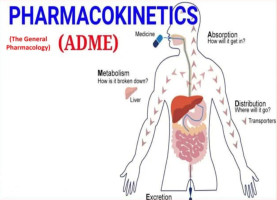
Pharmacokinetics and Bioavailability Differences
Injectables have higher bioavailability up front. You get more testosterone delivered into your bloodstream after a single dose. But because that dose fades over time, you’re left managing peaks and valleys unless you split your injections more frequently.Topical gels absorb at a slower and more controlled pace. The bioavailability is lower overall, meaning not all of the testosterone applied actually enters circulation. And it can be influenced by factors like how clean your skin is, body temperature, and even where you apply it.
If you want precision, hormone monitoring is essential with either option.
Patient Compliance and Lifestyle Considerations
Let's be real. Gels take discipline. You apply them daily, let them dry, and then nobody touches the area for hours. When you hug your significant other or go to the gym right after applying, you might block the absorption or transfer of hormones.The injections are less frequent, once or twice a week, depending on your protocol. Some guys like that predictability. Others dread the needle. Still, it comes down to what fits your routine. If you like pinning yourself and tracking symptoms, injectables are generally less intrusive.
Side Effects and Hormonal Fluctuation Symptoms
Injectable testosterone can come with fluctuations that cause side effects like mood swings, acne, or drops in energy when levels taper off. You may control it by adjusting frequency or switching between subcutaneous and intramuscular delivery.Some gels irritation the skin or cause uneven absorption. A big worry is accidental transference. Anyone else who touches the gel site before your skin absorbs it may also absorb testosterone. It's not ideal if you have kids or a partner who could be affected.
In either case, hormone monitoring is a no-brainer. Bloodwork helps you fine-tune the dosage and reduce the side effects.
Which Is More Suitable for Long-Term Use?
For guys who are sensitive to hormonal swings or want the smoothest ride possible, gels might be the better choice. You won’t get that punch of testosterone, but you might feel more emotionally stable and mentally balanced day to day.Injectables suit men who are okay with managing their cycle, maybe even splitting doses for smoother stability. If you travel a lot, work long hours, or just hate the idea of daily maintenance, an injectable protocol might be your move.
In the end, it’s about which fits your lifestyle and physiology better. Long-term success depends on how consistently you can stick with your plan and how well your body responds.