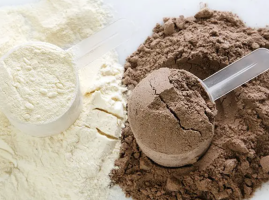
Mass gainers aren't junk, but they're not magic either. If you're struggling to hit your calorie targets through whole foods alone, they can be a practical tool. But if the product is loaded with maltodextrin and added sugars, you're likely adding more fat than muscle. Your training intensity and how well you manage your overall intake matter most.

Mass gainers are straightforward in concept, that packs as many calories as possible into a single shake. You're typically looking at a blend of fast-digesting carbohydrates, protein, and fats designed to push you toward a caloric surplus quickly. Macronutrient density is the selling point, with some products delivering 1,000+ calories per serving.
However, what's inside matters more than the calorie count alone. Many mass gainers rely heavily on maltodextrin and added sugars to hit those numbers. That's not ideal if you're pursuing smarter weight gain strategies rather than just piling on scale weight. You'll also want to take into account your digestive tolerance.
Large doses of carbs and certain protein blends can cause bloating or discomfort. Knowing what you're consuming puts you in control.
You'll genuinely benefit from mass gainers if your appetite limits dietary adherence, making it hard to hit your calorie targets consistently. They're also practical when nutrient timing matters post-workout, but whole food isn't accessible. Hard gainers with fast metabolisms often find them useful for closing calorie gaps.
But if you're eating well and simply want faster results, a mass gainer won't accelerate muscle growth. It'll just add calories you didn't need.
High-sugar mass gainers trigger an insulin response that can also promote fat storage when the body doesn't use calories efficiently.
In the whole food vs mass gainers debate, whole foods give you better nutrient partitioning. Mass gainers aren't inherently fattening, but they're easy to misuse. Your training intensity ultimately determines what your body does with those extra calories.

Next, examine the carbohydrate breakdown. Most carb-heavy shakes load up on simple sugars, which spike calories without adding nutritional value. You want complex carbs like oats or maltodextrin higher on the ingredient list. Check the protein-to-carb ratio too; anything below 1:3 leans more toward empty calories than a serious bulking tool.
Finally, scan for unnecessary fillers, artificial sweeteners, and minimal micronutrients. A product worth buying should complement your diet, not just inflate your calorie count with low-quality ingredients.
What's Actually Inside a Mass Gainer?

Mass gainers are straightforward in concept, that packs as many calories as possible into a single shake. You're typically looking at a blend of fast-digesting carbohydrates, protein, and fats designed to push you toward a caloric surplus quickly. Macronutrient density is the selling point, with some products delivering 1,000+ calories per serving.
However, what's inside matters more than the calorie count alone. Many mass gainers rely heavily on maltodextrin and added sugars to hit those numbers. That's not ideal if you're pursuing smarter weight gain strategies rather than just piling on scale weight. You'll also want to take into account your digestive tolerance.
Large doses of carbs and certain protein blends can cause bloating or discomfort. Knowing what you're consuming puts you in control.
Who Should Actually Be Using Mass Gainers?
Not everyone benefits equally from mass gainers. That distinction matters before you spend money on a product you might not need. If you're already eating enough to support muscle hypertrophy, adding a mass gainer disrupts your energy balance and likely pushes you toward unnecessary fat gain rather than a lean bulk.You'll genuinely benefit from mass gainers if your appetite limits dietary adherence, making it hard to hit your calorie targets consistently. They're also practical when nutrient timing matters post-workout, but whole food isn't accessible. Hard gainers with fast metabolisms often find them useful for closing calorie gaps.
But if you're eating well and simply want faster results, a mass gainer won't accelerate muscle growth. It'll just add calories you didn't need.
Do Mass Gainers Build Muscle or Just Add Fat?
Whether a mass gainer builds muscle or just adds fat is about whether you're training hard enough to justify the calories. If you're lifting consistently and eating in a controlled surplus, weight gainer shakes can support muscle growth. But if you're overdoing the calorie shakes without tracking intake, you're likely heading toward a dirty bulk.High-sugar mass gainers trigger an insulin response that can also promote fat storage when the body doesn't use calories efficiently.
In the whole food vs mass gainers debate, whole foods give you better nutrient partitioning. Mass gainers aren't inherently fattening, but they're easy to misuse. Your training intensity ultimately determines what your body does with those extra calories.

Can Regular Food Do What Mass Gainers Do?
You're not missing a magic formula by skipping the tub. You're just building meals strategically. If your appetite and schedule allow it, whole food is almost always the smarter path.What to Look For in a Mass Gainer Worth Buying
If you're going to spend money on a mass gainer, there are a few non-negotiables worth checking before you commit. First, look at the protein source. Quality protein powder blends beat single-source options for absorption and muscle support.Next, examine the carbohydrate breakdown. Most carb-heavy shakes load up on simple sugars, which spike calories without adding nutritional value. You want complex carbs like oats or maltodextrin higher on the ingredient list. Check the protein-to-carb ratio too; anything below 1:3 leans more toward empty calories than a serious bulking tool.
Finally, scan for unnecessary fillers, artificial sweeteners, and minimal micronutrients. A product worth buying should complement your diet, not just inflate your calorie count with low-quality ingredients.