• Legal Notice – MuscleMecca Forums

    MuscleMecca.com is an educational discussion platform. We do not sell, promote, or endorse any bodybuilding gear, supplements, research chemicals, or performance-enhancing substances.

    All discussions are for educational and informational purposes only. Nothing posted on this forum should be considered medical or legal advice.

    Do not attempt to sell, source, or promote illegal substances. Any such activity will result in an immediate and permanent ban and may be reported to the proper authorities.

    By using this site, you agree to comply with all forum rules, disclaimers, and applicable laws in your jurisdiction.

    Read Our Full Disclaimer and Forum Rules

  • Follow the 2026 Olympia on September 24 to 27, 2026!

History of Soviet cosmonautics.

Frimen1917

Frimen1917

Mecca V.I.P.
VIP
Joined
Jan 9, 2026
Messages
3,161
Points
63
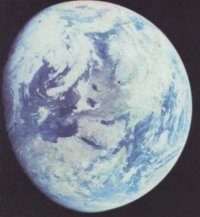
Фотография Земли, полученная с высоты около 60 тыс. км советским космическим аппаратом "Зонд-7".
A photograph of the Earth taken from an altitude of approximately 60,000 km by the Soviet spacecraft Zond-7.
Fotografía de la Tierra tomada desde una altitud de aproximadamente 60.000 km por la nave espacial soviética Zond-7.

SGvmJuVDjn BVCIf9RDwD6Da3VX0EjbMm7VxwReO2ij11TOW2cGmv8MuSULFoEoHJ8fVLyaDWEVPYy6SkdjZPY8f
 
Frimen1917

Frimen1917

Mecca V.I.P.
VIP
Joined
Jan 9, 2026
Messages
3,161
Points
63
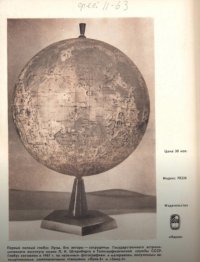
История советской космонавтики в фотографиях. Первый полный глобус Луны составленный в 1967 году по наземным фотографиям и материалам, полученным автоматическими межпланетными станциями "Луна - 3" и "Зонд - 3".
A history of Soviet cosmonautics in photographs. The first complete lunar globe, compiled in 1967, was based on ground-based photographs and data obtained by the Luna-3 and Zond-3 space probes.
Historia de la cosmonáutica soviética en fotografías. El primer globo lunar completo, compilado en 1967, se basó en fotografías terrestres y datos obtenidos por las sondas espaciales Luna-3 y Zond-3.

HyZDlAXwhfwQzrda1dAZ 65BL0tKhV3zLyi1wkuF7R2P2inzGwqnRj9ZV6ESXHUWIymGM7M3XOaK0w4XtobVrcKU
 
Frimen1917

Frimen1917

Mecca V.I.P.
VIP
Joined
Jan 9, 2026
Messages
3,161
Points
63
История советской космонавтики в фотографиях.
Съезд юных астрономов в Симферополе. 1982 год. На фото в центре космонавт Георгий Гречко.
The history of Soviet cosmonautics in photographs.

Young Astronomers' Congress in Simferopol. 1982. Cosmonaut Georgy Grechko is pictured in the center.
La historia de la cosmonáutica soviética en fotografías.
Congreso de Jóvenes Astrónomos en Simferopol. 1982. En el centro de la imagen aparece el cosmonauta Georgy Grechko.

DIjcMPCKfZ0KCY0njy9eBO8P6QL74l u0wpZRn9fslHbBg 9igeLAY5U1S0yvDC64qaUMBvLtCWChD6anV vdTHM
 
Frimen1917

Frimen1917

Mecca V.I.P.
VIP
Joined
Jan 9, 2026
Messages
3,161
Points
63
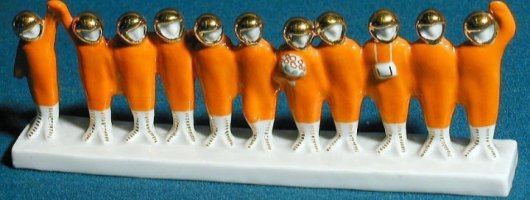
Космический фарфор в СССР.
Львов Юрий Михайлович (1936-2010).
«Космонавты»/ 1965 год/Первомайский фарфоровый завод.
Space Porcelain in the USSR.

Yuri Mikhailovich Lvov (1936-2010).
"Cosmonauts" / 1965 / Pervomaysky Porcelain Factory.

Porcelana espacial en la URSS.
Yuri Mikhailovich Lvov (1936-2010).
«Cosmonautas» / 1965 / Fábrica de Porcelana Pervomaysky.
H5DjFjQYfigErk6Vw4dXiSpFkFQWQ 33PdMVhBLjzgUYhrgB0h0fNqHCjfSuNxZq21jNerP5vG0wnxmxDTIzmtSH
 
Frimen1917

Frimen1917

Mecca V.I.P.
VIP
Joined
Jan 9, 2026
Messages
3,161
Points
63
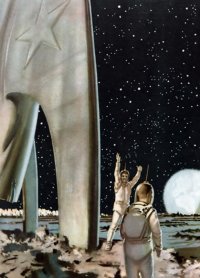
Космическая живопись в СССР
"Первые люди на Луне"
Рисунок художника Н. Гришина. 1954 год.
Space Art in the USSR
"The First Men on the Moon"
Drawing by artist N. Grishin. 1954.

Arte espacial en la URSS

"Los primeros hombres en la Luna"
Dibujo del artista N. Grishin. 1954.
XzIOoyxA1sGNzvkjfz6HpYBXAtmMI5jVH5bvw2XoqWJYfRNgcIrFRULbxbaTAKoOuajMhAgrkZyT0bwIqwVosjnH
 
Frimen1917

Frimen1917

Mecca V.I.P.
VIP
Joined
Jan 9, 2026
Messages
3,161
Points
63
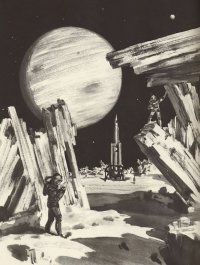
Космическая живопись в СССР.
"На спутнике Юпитера".
Художник Н. Кольчицкий. 1957 год.
Space painting in the USSR.

"On Jupiter's Moon."
Artist: N. Kolchitsky. 1957.
Pintura espacial en la URSS.

"En la Luna de Júpiter".
Artista: N. Kolchitsky. 1957.
95m psDN3kX4wmNA cw7MCjrD325RC K8v5cSqquFw8fwiAyzj8QtK3zm6ODe7WA8PCFKq6qmCRcZCJh62mAEskr
 
Frimen1917

Frimen1917

Mecca V.I.P.
VIP
Joined
Jan 9, 2026
Messages
3,161
Points
63
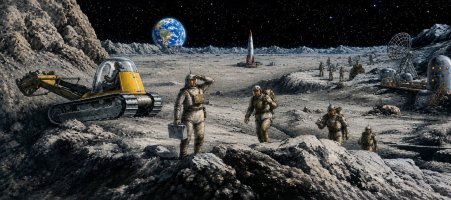
"Поверхность Луны". Художник Ю. Ребров.
"Surface of the Moon." Artist Yu. Rebrov.

"Superficie de la Luna". Artista Yu. Rebrov.

Izobrazenie viber 2026 07 22 01 20 20 539
 
Frimen1917

Frimen1917

Mecca V.I.P.
VIP
Joined
Jan 9, 2026
Messages
3,161
Points
63
"В процессе полетов на ОК «Мир» произошло много различных ситуаций, которые ставили под угрозу не только выполнение задач программы полета, но и жизнь членов экипажа. На некоторых ситуациях, которые позволяют оценить сложность и опасность создавшегося положения, но и грамотные действия экипажа, хотелось бы остановиться.

При возвращении на Землю экипажа ТПК «Союз ТМ-5» в составе В.А. Ляхова и А. Моманда (Афганистан) создалась аварийная ситуация, которая могла бы привести к трагическим последствиям. Посадка ТПК «Союз ТМ-5» планировалась на 06.09.1988 г. В соответствии с циклограммой спуска командир экипажа В.А. Ляхов вручную отстрелил бытовой отсек. Эта операция на ТПК серии «Союз Т» и «Союз ТМ» проводилась еще на орбите до выдачи тормозного импульса, что позволяло значительно сэкономить топливо. Вскоре после отстрела бытового отсека и возникла нештатная ситуация, которая быстро переросла в аварийную. Из-за отказа датчика инфракрасной вертикали (ИКВ-1) системы ориентации корабля при прохождении кораблем терминатора загорелась аварийная индикация «Невыполнение ориентации». Затем снялся признак «Готовность системы ориентации» корабля (это одно из условий включения сближающего — корректирующего двигателя — СКД), и он в расчетное время не включился. БЦВК перешел в режим «ожидания», а В.А.Ляхов анализировал создавшуюся ситуацию. Однако через семь минут ориентация восстановилась, а БЦВК неожиданно выдал команду на запуск СКД. В.А. Ляхов посмотрел на глобус (в ТПК «Союз ТМ» имеется такой маленький глобус, по которому в любой момент космонавты могут определить, куда приземлится спускаемый аппарат, если спуск начнется в текущий момент) и район посадки был обозначен … в Тихом океане! Время включения было нерасчетным, и поэтому командир экипажа через 6 сек, вынужден был выключить двигатель. Спуск был перенесен на следующий (резервный) виток. Во время сеанса связи на борт ТПК «Союз ТМ-5» по командной радиолинии в БЦВК была заложена новая циклограмма спуска. Эта циклограмма была рассчитана на то, что СКД вовсе не включился, поэтому управляющая информация не содержала данные по величине тормозного импульса, на самом деле он включился, но отработал всего 6 сек. Ни экипаж, ни операторы ЦУП этой ошибки не заметили. Следовательно, по роковому стечению обстоятельств она оказалась ошибочной и двигатель снова включился, но, отработав всего 6 сек, вместо положенных 200 сек для создания полноценного тормозного импульса, снова выключился. Тогда командир экипажа снова включил СКД, но через 14 сек опять произошло выключение СКД. В.А. Ляхов снова включил СКД, пытаясь «дожать» тормозной импульс. Однако когда СКД отработал 33 сек, нарушился режим стабилизации и командир вынужден был прекратить торможение, выключив двигатель. Корабль никак не удавалось свести с орбиты! Но и это было еще не все.

Во время чехарды с включением и выключением двигателя со звуковым сигналом включились термодатчики на разделение спускаемого аппарата и приборно-агрегатного отсека. Именно по их командам спускаемый аппарат отделяется с помощью пиропатронов от приборно-агрегатного отсека. А после последнего выключения двигателя запустился еще и счетчик программно-временного устройства разделения отсеков, которое должно было произойти через 20 минут. Командир вручную отключил термодатчик, но счетчик продолжал отсчитывать роковые минуты, ибо вот-вот должно было произойти разделение спускаемого аппарата и приборно-агрегатного отсека со СКД. А так как СКД не доработал до нужного торможения корабля, то спускаемый аппарат с экипажем мог бы остаться на орбите. Времени в процессе сеанса связи с ЦУП для анализа создавшейся ситуации было очень мало. После того, как засветился транспарант «Программа разделения включена» и «Термодатчик подключен», командир, не дожидаясь разрешения ЦУП, выдал команду «ОДР» (отбой динамических режимов) на запрет выполнения всех динамических режимов, в том числе программы разделения отсеков корабля. Впоследствии в отряде космонавтов ее так и будут называть «командой Ляхова», в память об этом полете. До отстрела приборно-агрегатного отсека с двигателем оставалось уже чуть больше 1 минуты! Если бы это произошло, то спускаемый аппарат с экипажем остался бы на орбите, и космонавты были бы обречены на неминуемую гибель от удушья. К счастью В.А.Ляхову, проявившему незаурядное самообладание и высокий профессионализм, удалось во время предотвратить разделение спускаемого аппарата и приборно-агрегатного отсека. Экипаж провел на орбите дополнительные сутки в спускаемом аппарате без бытового отсека, (а значит без пищи, воды и, главное, туалета — облаченные в скафандры, поскольку тесное пространство спускаемого аппарата не позволяло их снять и потом одеть), но с приборно-агрегатным отсеком".
(В.А. Гапонов, А.Б. Железняков. "Станция «МИР»: от триумфа до …").
.....................................................................
Цит.по: В.А. Гапонов, А.Б. Железняков
Станция «МИР»: от триумфа до …

©
ЦНИИ РТК, 2006.

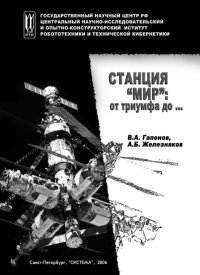
На фото обложка книги СТАНЦИЯ "МИР": ОТ ТРИУМФА ДО...

"During flights on the Mir orbital complex, many different situations occurred that threatened not only the fulfillment of the mission program but also the lives of the crew members. I would like to dwell on some of these situations, which make it possible to appreciate both the complexity and danger of the circumstances and the competent actions of the crew.

During the return to Earth of the Soyuz TM-5 spacecraft crew, consisting of V.A. Lyakhov and A. Momand (Afghanistan), an emergency situation arose that could have led to tragic consequences. The landing of Soyuz TM-5 was planned for September 6, 1988. According to the descent timeline, commander V.A. Lyakhov manually jettisoned the orbital module. On Soyuz T and Soyuz TM spacecraft, this operation was performed in orbit before the deorbit burn, allowing significant fuel savings.

Shortly after the orbital module separation, an off-nominal situation developed and quickly escalated into an emergency. Due to a failure of the infrared horizon sensor (IKV-1) in the spacecraft orientation system while crossing the terminator, the emergency indicator "Orientation Failure" illuminated. Then the "Orientation System Ready" status disappeared (one of the conditions required for activating the main engine), and the engine failed to ignite at the scheduled time.

The onboard computer entered a waiting mode while V.A. Lyakhov analyzed the situation. However, seven minutes later orientation was restored, and the onboard computer unexpectedly issued a command to start the engine. Lyakhov looked at the onboard globe (Soyuz TM spacecraft carried a small globe allowing the crew to determine at any moment where the descent module would land if reentry began immediately), and the landing area was shown to be ... the Pacific Ocean!

The engine ignition occurred at the wrong time, so the commander was forced to shut it down after six seconds. The descent was postponed to the next (backup) orbit. During a communications session, a new descent program was uploaded from Mission Control to the onboard computer. This program had been calculated under the assumption that the engine had never fired, and therefore it contained no correction for the six-second impulse that had actually occurred. Neither the crew nor Mission Control operators noticed this mistake.

As a result of this unfortunate chain of events, the program proved incorrect. The engine started again but shut down after only six seconds instead of the required 200 seconds for a full deorbit burn. Lyakhov manually restarted it, but after fourteen seconds it shut down again. He started it once more, trying to complete the required braking impulse. However, after thirty-three seconds of operation, the stabilization mode was disrupted, and he was forced to stop the burn. The spacecraft simply would not leave orbit.

But that was not the end of the ordeal.

During the repeated engine starts and shutdowns, the thermal sensors responsible for separation of the descent module from the instrument-service module were activated with an audible warning signal. These sensors normally trigger the pyrotechnic devices that separate the descent module from the service module. After the final engine shutdown, the separation timer also started counting down, with separation scheduled in twenty minutes.

The commander manually disconnected the thermal sensor, but the timer continued counting toward the critical moment. The descent module and service module with the engine were about to separate. Since the engine had not produced sufficient braking to deorbit the spacecraft, the descent module carrying the crew could have remained in orbit.

There was very little time during the communications session with Mission Control to analyze the situation. After the indicators "Separation Program Activated" and "Thermal Sensor Connected" illuminated, the commander, without waiting for permission from Mission Control, issued the command "ODR" (Cancellation of Dynamic Modes), prohibiting execution of all dynamic modes, including the spacecraft separation sequence.

Later, this command would become known among Soviet cosmonauts as "Lyakhov's Command" in memory of this flight.

At that moment, only a little more than one minute remained before the service module would separate. Had that occurred, the descent module with the crew would have been stranded in orbit. The cosmonauts would have faced inevitable death by suffocation.

Fortunately, V.A. Lyakhov, demonstrating remarkable composure and exceptional professionalism, managed to prevent the separation in time. The crew spent an additional day in orbit inside the cramped descent module without the orbital module—and therefore without food, water, and, most importantly, without a toilet—remaining in their pressure suits because the limited space did not allow them to remove and later put them back on. However, they still remained attached to the service module."

(V.A. Gaponov, A.B. Zheleznyakov, "The Mir Station: From Triumph to ...")

.................................................................

Quoted from:

V.A. Gaponov, A.B. Zheleznyakov

"The Mir Station: From Triumph to ..."

© Central Research Institute of Robotics and Technical Cybernetics, 2006.
Photo: Cover of the book "The Mir Station: From Triumph to ..."

"Durante los vuelos en la estación orbital Mir ocurrieron muchas situaciones diferentes que pusieron en peligro no solo el cumplimiento del programa de vuelo, sino también la vida de los miembros de la tripulación. Me gustaría detenerme en algunas de ellas, ya que permiten apreciar tanto la complejidad y el peligro de las circunstancias como la actuación competente de la tripulación.

Durante el regreso a la Tierra de la nave Soyuz TM-5, cuya tripulación estaba formada por V. A. Lyájov y A. Momand (Afganistán), surgió una situación de emergencia que podría haber tenido consecuencias trágicas. El aterrizaje de la Soyuz TM-5 estaba previsto para el 6 de septiembre de 1988. De acuerdo con la secuencia de descenso, el comandante V. A. Lyájov separó manualmente el módulo orbital. En las naves Soyuz T y Soyuz TM esta operación se realizaba en órbita antes de la maniobra de frenado, lo que permitía ahorrar una cantidad considerable de combustible.

Poco después de la separación del módulo orbital surgió una situación anómala que rápidamente se convirtió en una emergencia. Debido a un fallo del sensor infrarrojo de horizonte (IKV-1) del sistema de orientación al cruzar el terminador, se encendió el indicador de emergencia de “Fallo de orientación”. Después desapareció la señal de “Sistema de orientación preparado”, una de las condiciones necesarias para encender el motor principal, por lo que este no arrancó en el momento previsto.

La computadora de a bordo pasó al modo de espera mientras Lyájov analizaba la situación. Sin embargo, siete minutos más tarde la orientación se restableció y la computadora emitió inesperadamente una orden de encendido del motor. Lyájov consultó el pequeño globo de a bordo (que permitía determinar en cualquier momento dónde aterrizaría la cápsula si comenzaba el descenso en ese instante) y observó que la zona de aterrizaje indicada era… ¡el océano Pacífico!

Como el encendido se produjo en un momento incorrecto, el comandante tuvo que apagar el motor después de seis segundos. El descenso se pospuso a la siguiente órbita de reserva. Durante una sesión de comunicación, desde el Centro de Control de Misión se cargó un nuevo programa de descenso en la computadora de a bordo. Este programa había sido calculado suponiendo que el motor nunca había llegado a encenderse, por lo que no incluía ninguna corrección por el impulso de seis segundos que realmente se había producido. Ni la tripulación ni los operadores del centro de control detectaron este error.

Como consecuencia de esta desafortunada cadena de acontecimientos, el programa resultó incorrecto. El motor volvió a arrancar, pero se apagó nuevamente después de solo seis segundos, en lugar de los 200 segundos necesarios para una maniobra completa de frenado. Lyájov lo encendió otra vez, pero se apagó tras catorce segundos. Lo puso en marcha una tercera vez, intentando completar el impulso necesario. Sin embargo, cuando el motor llevaba treinta y tres segundos funcionando, se perdió la estabilización y el comandante se vio obligado a interrumpir la maniobra. La nave se negaba a abandonar la órbita.

Pero aquello no fue todo.

Durante la serie de encendidos y apagados del motor se activaron, acompañados de una señal acústica, los sensores térmicos encargados de la separación entre la cápsula de descenso y el módulo de servicio. Estos sensores controlaban los dispositivos pirotécnicos que debían separar ambos módulos. Tras el último apagado del motor también comenzó la cuenta regresiva automática para la separación, programada para veinte minutos más tarde.

El comandante desconectó manualmente el sensor térmico, pero el temporizador continuó avanzando hacia el momento crítico. La cápsula y el módulo de servicio con el motor estaban a punto de separarse. Como el motor no había proporcionado suficiente frenado para abandonar la órbita, la cápsula con la tripulación podría haber quedado atrapada en el espacio.

Durante la comunicación con el Centro de Control había muy poco tiempo para analizar la situación. Cuando se encendieron los indicadores “Programa de separación activado” y “Sensor térmico conectado”, el comandante, sin esperar autorización del centro de control, emitió la orden ODR (Cancelación de los modos dinámicos), que bloqueaba todos los modos dinámicos, incluida la secuencia de separación de módulos.

Más tarde, esta orden sería conocida entre los cosmonautas como la “Orden de Lyájov”, en memoria de aquel vuelo.

En ese momento quedaba poco más de un minuto antes de la separación del módulo de servicio. Si esta hubiera tenido lugar, la cápsula con la tripulación habría quedado abandonada en órbita. Los cosmonautas se habrían enfrentado a una muerte inevitable por asfixia.

Afortunadamente, V. A. Lyájov, demostrando una extraordinaria sangre fría y una gran profesionalidad, consiguió impedir la separación a tiempo. La tripulación pasó un día adicional en órbita dentro de la estrecha cápsula de descenso sin el módulo orbital y, por tanto, sin alimentos, agua y, sobre todo, sin baño. Permanecieron con los trajes presurizados puestos, ya que el reducido espacio de la cápsula no permitía quitárselos y volver a ponérselos después. Sin embargo, seguían conectados al módulo de servicio."

(V. A. Gaponov, A. B. Zhelezniakov, "La estación Mir: del triunfo a ...")

.................................................................

Citado de:

V. A. Gaponov, A. B. Zhelezniakov

"La estación Mir: del triunfo a ..."

© Instituto Central de Investigación de Robótica y Cibernética Técnica, 2006.

Foto: Portada del libro "La estación Mir: del triunfo a ..."
DVMYH0iijqiLGJeXCAy1rpKHhgUTAYT57U3xAyEIAD1OK6vNMGvxYg FqYiszpdRFJ6ccqHZM49ZE8Wl5Z5MXjv8
 
Frimen1917

Frimen1917

Mecca V.I.P.
VIP
Joined
Jan 9, 2026
Messages
3,161
Points
63
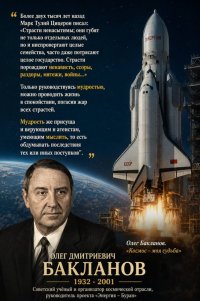
"Пуск первого штатного МКС(многоразовый космический комплекс) «Энергия–Буран» 1Л был запланирован на 15 октября 1988 года. При осуществлении автоматической программы запуска МКС, которая реализует последовательное прохождение более 350 команд на исполнение и проверку всех
операций по подготовке носителя к полету за 41-й сек. до включения двигателей, произошел отбой. Причиной явилась неотстыковка платы системы прицеливания из-за заклинивания механизма соединения. Топливо с изделия было слито, причины определены
однозначно и устранены. Повторный пуск комплекса 1Л был реализован 15 ноября 1988 года успешно. Орбитальный комплекс «Буран»
совершил два витка вокруг Земли и автоматически приземлился на
специальном аэродроме на Байконуре при сильном встречно-боковом ветре (до 25 м/с) с большой точностью. Касание посадочной полосы с точностью до 80 м, отклонение от расчетной белой полосы – 1,5 м. Снаряжение ОК «Буран» было несколько нештатным: отсутствовали системы жизнеобеспечения и энергетическая установка для
энергообеспечения ОК при штатной продолжительности полета.
К первым летным испытаниям комплекса 6СЛ и 1Л надежность двигателей 11Д521 и 11Д122 была резко увеличена.
На момент запуска комплекса 6СЛ было испытано уже 135 двигателей 11Д521 в 432 огневых прожигах с общей наработкой 46 900
сек., что соответствовало 335 летным циклам. По двигателю 11Д122 были проведены 472 испытания на 96 двигателях с общей
наработкой 63 360 сек., что составило 138 летных циклов.
При пуске комплекса 1Л двигатель 11Д521 прошел 546 испытаний на 193 двигателях с общей наработкой 73 500 сек. (507 летных
циклов). В результате чего двигатель 11Д521 имел гарантированно 10 ресурсов по продолжительности работы при 5% увеличения величины тяги.
Двигатель 11Д122 к этому полету прошел 504 огневых испытания на 105 двигателях, имел общую наработку 80 000 сек. (174
летных циклов) и имел гарантированный трехкратный ресурс работы.
Таким образом, при обеспечении наземной и летной отработки МКС «Энергия–Буран» создан уникальный комплекс наземных стендов и экспериментальных установок, который может обеспечить надежную отработку всех перспективных и больших ракетносителей, разгонных блоков, многоразовых космических транспортных средств, орбитальных многоразовых кораблей и станций".(Олег Бакланов."Космос – моя судьба").
......................................................................
Цит.по: Олег Дмитриевич Бакланов
КОСМОС – МОЯ СУДЬБА
Записки из «Матросской тишины»
I том
Редактор-составитель В.П. Лысенко
_______________________________
Директор АНО «ОСЛН» Л.Г. Рудин
Дизайн, компьютерная верстка А.Е. Успенский
Корректор Л.И. Смирнова
Общество сохранения
литературного наследия / Москва /2012 год

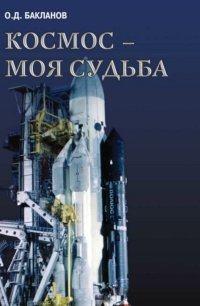
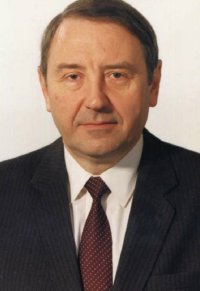
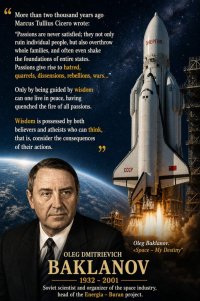
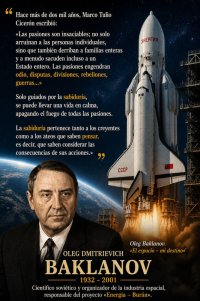
На фото слева - обложка книги "Космос - моя судьба": на фото справа - автор книги Олег Бакланов.
"The launch of the first operational Energia–Buran reusable space transportation system (RSTS), vehicle 1L, was scheduled for October 15, 1988. During execution of the automatic launch sequence, which involved the sequential processing and verification of more than 350 commands over the final 41 seconds before engine ignition, the countdown was aborted.


The cause was the failure of a guidance-system board to disconnect because of a jammed coupling mechanism. The propellants were drained from the vehicle, the cause was identified unambiguously and corrected. The second launch attempt of vehicle 1L was successfully carried out on November 15, 1988.

The Buran orbital spacecraft completed two orbits around Earth and landed automatically on a specially prepared runway at Baikonur despite strong crosswinds and headwinds (up to 25 m/s), achieving remarkable accuracy. Touchdown occurred within 80 meters of the target point, and the deviation from the designated centerline was only 1.5 meters.

The Buran orbiter was not fully equipped for this mission: life-support systems and the onboard power system required for a full-duration operational flight were not installed.

Before the first flight tests of vehicles 6SL and 1L, the reliability of the 11D521 and 11D122 engines had been significantly improved.

By the time of the 6SL launch, 135 model 11D521 engines had undergone 432 hot-fire tests with a total operating time of 46,900 seconds, equivalent to 335 flight cycles.

For the 11D122 engine, 472 tests had been conducted on 96 engines, with a total operating time of 63,360 seconds, equivalent to 138 flight cycles.

By the time of the 1L mission, the 11D521 engine had undergone 546 hot-fire tests on 193 engines, accumulating 73,500 seconds of operation (507 flight cycles). As a result, the 11D521 engine possessed a guaranteed service life equivalent to ten full mission durations while providing a 5% increase in thrust.

The 11D122 engine, by that time, had completed 504 hot-fire tests on 105 engines, accumulated 80,000 seconds of operation (174 flight cycles), and possessed a guaranteed threefold service-life margin.

Thus, during the ground and flight testing of the Energia–Buran system, a unique complex of ground-test stands and experimental facilities was created. This infrastructure became capable of supporting the reliable development and testing of future heavy launch vehicles, upper stages, reusable space transportation systems, reusable orbital spacecraft, and space stations."

(Oleg Baklanov, Space – My Destiny)

..............................................................

Quoted from:

Oleg Dmitrievich Baklanov

SPACE – MY DESTINY

Notes from Matrosskaya Tishina Prison

Volume I

Compiler and editor: V.P. Lysenko

Director of the Society for the Preservation of Literary Heritage: L.G. Rudin

Design and layout: A.E. Uspensky

Proofreader: L.I. Smirnova

Society for the Preservation of Literary Heritage
Moscow, 2012

The photo on the left shows the cover of the book "Space is My Destiny": the photo on the right shows the book's author, Oleg Baklanov.

"El lanzamiento del primer sistema espacial reutilizable operativo Energía–Burán (vehículo 1L) estaba programado para el 15 de octubre de 1988. Durante la ejecución de la secuencia automática de lanzamiento, que implicaba la ejecución y verificación consecutiva de más de 350 órdenes durante los últimos 41 segundos antes del encendido de los motores, se produjo una cancelación automática.


La causa fue que una placa del sistema de guiado no se desacopló debido al bloqueo de un mecanismo de unión. El combustible fue drenado del vehículo, la causa fue identificada de forma inequívoca y eliminada. El segundo intento de lanzamiento del vehículo 1L se realizó con éxito el 15 de noviembre de 1988.

La nave orbital Burán completó dos órbitas alrededor de la Tierra y aterrizó automáticamente en una pista especialmente preparada en Baikonur, a pesar de fuertes vientos laterales y de frente (de hasta 25 m/s), logrando una precisión extraordinaria. El contacto con la pista se produjo con una precisión de 80 metros y la desviación respecto a la línea central prevista fue de tan solo 1,5 metros.

El equipamiento del orbitador Burán para esta misión no era completamente estándar: carecía de sistemas de soporte vital y de la instalación energética necesaria para una misión de duración completa.

Antes de las primeras pruebas de vuelo de los vehículos 6SL y 1L, la fiabilidad de los motores 11D521 y 11D122 había aumentado considerablemente.

Para el lanzamiento del complejo 6SL, se habían probado ya 135 motores 11D521 en 432 encendidos experimentales, con un tiempo total de funcionamiento de 46.900 segundos, equivalente a 335 ciclos de vuelo.

En el caso del motor 11D122, se realizaron 472 pruebas sobre 96 motores, acumulando un tiempo total de funcionamiento de 63.360 segundos, equivalente a 138 ciclos de vuelo.

Para la misión 1L, el motor 11D521 había superado 546 pruebas de encendido sobre 193 motores, acumulando 73.500 segundos de funcionamiento (507 ciclos de vuelo). Como resultado, el motor 11D521 disponía de una vida útil garantizada equivalente a diez misiones completas, manteniendo además un incremento del 5 % en el empuje.

El motor 11D122, para entonces, había completado 504 pruebas de encendido sobre 105 motores, acumulando 80.000 segundos de funcionamiento (174 ciclos de vuelo), y poseía una reserva garantizada equivalente a tres ciclos completos de servicio.

De este modo, durante las pruebas terrestres y de vuelo del sistema Energía–Burán, se creó un complejo único de bancos de ensayo e instalaciones experimentales. Esta infraestructura permitía realizar con gran fiabilidad el desarrollo y la validación de futuros lanzadores pesados, etapas superiores, sistemas espaciales reutilizables, vehículos orbitales reutilizables y estaciones espaciales."

(Oleg Baklanov, El espacio: mi destino)

..............................................................

Citado de:

Oleg Dmitrievich Baklanov

EL ESPACIO: MI DESTINO

Apuntes desde la prisión Matrósskaya Tishiná

Tomo I

Editor y compilador: V.P. Lysenko

Director de la Sociedad para la Conservación del Patrimonio Literario: L.G. Rudin

Diseño y maquetación: A.E. Uspenski

Correctora: L.I. Smirnova

Sociedad para la Conservación del Patrimonio Literario
Moscú, 2012

La foto de la izquierda muestra la portada del libro "El espacio es mi destino"; la foto de la derecha muestra al autor del libro, Oleg Baklanov.
E8WCf aLPqmXS5N3z8M 7xwPPJqn6CmqVmjjz64EIl4DXPRatIClpEBYqMVbmA9wnsAjH2bprB M7w4NwDpOw 1R

M7cm8XKJby83bisRE QV2xqsskpdXMzFw7Jf1xk243FH5ml86c9BV7PN252TaVYvu6MmF7e1yQ1df4nX4RuYsrtD
 

MuscleMecca Crew

Mecca Staff
Frimen1917

Frimen1917

Mecca V.I.P.
VIP
Joined
Jan 9, 2026
Messages
3,161
Points
63
Космическая живопись в СССР. «Впервые на Марсе» (вторая половина 1950-х).
Художник Н. Кольчицкий
Space painting in the USSR. "For the First Time on Mars" (second half of the 1950s).
Artist N. Kolchitsky

Pintura espacial en la URSS. «Por primera vez en Marte» (segunda mitad de la década de 1950).
Artista: N. Kolchitsky


80CBnCC6DEdsqFFQKSz1flBiARllUHFr6KIAN6s7D3QLAaKQvaMNX4Ao1PvZcAoeRiytho24cFJyCrTdsKg4bOcJ
 
Frimen1917

Frimen1917

Mecca V.I.P.
VIP
Joined
Jan 9, 2026
Messages
3,161
Points
63
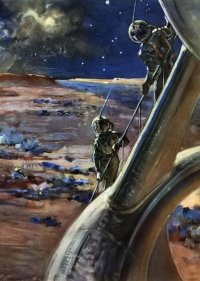
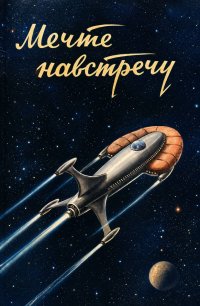
"…Самолет-ракетка опускается в глубь пропасти, которая, кажется, пронизывает Луну насквозь. Лучи прожекторов упираются в непроницаемый мрак, не в силах справиться с тьмой. На экране локатора вырисовываются контуры дна. Оно усеяно кратерами. Край стены наверху освещен Солнцем. Светлая полоса возникает где-то вдали и, все расширяясь, уходит, пропадает тоже вдали. Слабые блики ложатся на другую стену, вырывают из мрака прихотливый узор скал. На дне же — темно, ибо нечему рассеять свет. Лишь при искусственном освещении, включив фонари на скафандрах, путешественники могут заняться своей работой.

Ущелье интересно для них как естественный разрез Луны — тут сразу видно, какова «кора» лунного шара. Именно в ущельях они нашли гнезда радиоактивных руд, могли наглядно убедиться, что наша соседка богата редкими металлами, которые еще пригодятся людям.
Взяты пробы, засняты виды, сделано все, что намечено планом. Как огни маяка, светят во мраке прожекторы. Вот уже шире кусочек неба… ближе освещенная полоса. Наконец весь небесный купол — над ними, и самолет вновь набирает высоту. И темной полоской среди гор становится громадная расселина, где только что побывали люди".(Б. Ляпунов. «Мечте навстречу»
_____________________________________________________________________________________________________________
Цит. по:
Б. Ляпунов
«Мечте навстречу»

Авторский сборник, первое издание).
Научно-фантастические очерки

"...The rocket-plane descends into the depths of a chasm that seems to pierce the Moon all the way through. The beams of the searchlights strike an impenetrable darkness, unable to overcome the gloom. On the radar screen, the outlines of the bottom begin to appear. It is covered with craters.


The edge of the wall high above is illuminated by the Sun. A bright strip appears somewhere in the distance, widening steadily before fading away again far off. Faint reflections fall upon the opposite wall, pulling from the darkness the intricate patterns of the rocks.

But at the bottom there is complete darkness, for there is nothing to scatter the light. Only under artificial illumination, switching on the lamps mounted on their spacesuits, can the explorers begin their work.

The canyon is of great interest to them as a natural cross-section of the Moon — here one can immediately see the structure of the lunar crust. It was in such canyons that they discovered deposits of radioactive ores and were able to see with their own eyes that our celestial neighbor is rich in rare metals that may one day be useful to humanity.

Samples have been collected, landscapes photographed, and everything planned has been completed. The searchlights shine in the darkness like lighthouse beacons.

Now the patch of sky grows wider... the illuminated strip draws nearer. At last the entire celestial dome stretches above them, and the rocket-plane begins to gain altitude once more. The gigantic fissure in which they had just been working becomes a dark line among the mountains".

(B. Lyapunov, “Toward the Dream”)

_____________________________________________________________________________________________________________

Quoted from:

B. Lyapunov

“Toward the Dream”

(Author’s collection, first edition)

Science-fiction essays
"...El avión cohete desciende a las profundidades de una grieta que parece atravesar la Luna de lado a lado. Los haces de los reflectores chocan contra una oscuridad impenetrable, incapaces de vencer las tinieblas. En la pantalla del radar comienzan a perfilarse los contornos del fondo. Está cubierto de cráteres.


El borde de la pared superior está iluminado por el Sol. Una franja luminosa aparece a lo lejos y, ensanchándose cada vez más, se pierde nuevamente en la distancia. Débiles reflejos se proyectan sobre la pared opuesta, arrancando de la oscuridad los caprichosos contornos de las rocas.

Pero en el fondo reina la oscuridad absoluta, porque no hay nada que disperse la luz. Solo con iluminación artificial, encendiendo las lámparas instaladas en sus trajes espaciales, los exploradores pueden dedicarse a su trabajo.

La garganta es especialmente interesante para ellos como un corte natural de la Luna, pues permite observar directamente la estructura de la corteza lunar. Precisamente en estas grietas encontraron yacimientos de minerales radiactivos y pudieron comprobar con sus propios ojos que nuestra vecina celeste es rica en metales raros que algún día serán útiles para la humanidad.

Se han tomado muestras, fotografiado paisajes y realizado todo lo previsto en el plan. Los reflectores brillan en la oscuridad como faros.

Ahora el fragmento de cielo se ensancha... la franja iluminada está cada vez más cerca. Finalmente, toda la bóveda celeste se extiende sobre ellos, y el avión cohete vuelve a ganar altura. La gigantesca grieta en la que acaban de trabajar se convierte en una oscura línea entre las montañas".

(B. Liapunov, “Hacia el Sueño”)

_____________________________________________________________________________________________________________

Citado de:

B. Liapunov

“Hacia el Sueño”

(Colección de autor, primera edición)

Ensayos de ciencia ficción
 viber 2026 07 22 04 34 10 362
 viber 2026 07 22 04 34 12 032
 
Frimen1917

Frimen1917

Mecca V.I.P.
VIP
Joined
Jan 9, 2026
Messages
3,161
Points
63
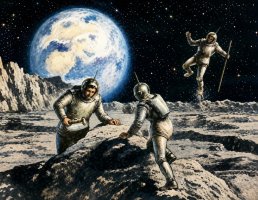
"Вокруг мы видим горы, громады их подчеркнуты и прорисованы тенями. Как описать вам своеобразие лунного пейзажа? Представьте себе картину, нарисованную одной только черной тушью. Сверкающие склоны и черные борозды, режущий глаза свет и кляксы туши. Никаких полутеней, полутонов, расстояния путаются, ближний холм не отличишь от далекой горы. На равнине я вижу обведенные тенью ямки — они тянутся пунктиром до горизонта".(Борис Ляпунов. "Первый час на Луне" (репортаж).
________________________________________________________________________________________________________________
Цит. по:

«Полет на Луну»
Сборник
Составители: Георгий Гуревич, Карл Гильзин


Москва. Издательство Трудрезервиздат, 1955 г.
Серия: Фантастика. Приключения

“Around us we see mountains, their immense masses emphasized and outlined by shadows. How can I describe to you the uniqueness of the lunar landscape?


Imagine a picture drawn entirely with black ink. Gleaming slopes and black furrows, a light so bright it hurts the eyes, and blotches of ink-black darkness. There are no half-shadows, no intermediate tones. Distances become confused; it is impossible to distinguish a nearby hill from a distant mountain.

On the plain I see small pits outlined by shadows — they stretch in a dotted line all the way to the horizon.”

(Boris Lyapunov, “The First Hour on the Moon” (A Reportage))

________________________________________________________________________________________________________________

Quoted from:

“Flight to the Moon”

Anthology

Compiled by: Georgy Gurevich, Karl Gilzin

Moscow, Trudrezervizdat Publishing House, 1955

Series: Science Fiction. Adventure
“A nuestro alrededor vemos montañas, cuyas enormes masas están resaltadas y delineadas por las sombras. ¿Cómo describirles la singularidad del paisaje lunar?


Imaginen una imagen dibujada únicamente con tinta negra. Laderas resplandecientes y surcos negros, una luz que hiere los ojos y manchas de oscuridad semejantes a tinta derramada. No existen medias sombras ni tonos intermedios. Las distancias se confunden; es imposible distinguir una colina cercana de una montaña lejana.

En la llanura veo pequeños hoyos delineados por las sombras; se extienden en una línea punteada hasta perderse en el horizonte.”

(Borís Liapunov, “La primera hora en la Luna” (Reportaje))

________________________________________________________________________________________________________________

Citado de:

“Vuelo a la Luna”

Antología

Compiladores: Gueorgui Gurévich, Karl Gilzin

Moscú, Editorial Trudrezervizdat, 1955
Serie: Ciencia ficción. Aventuras


 viber 2026 07 22 04 34 10 429
 
Frimen1917

Frimen1917

Mecca V.I.P.
VIP
Joined
Jan 9, 2026
Messages
3,161
Points
63
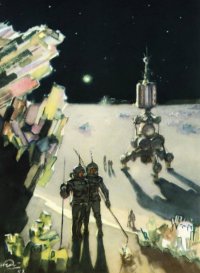
«…Мы на Плутоне. Солнце светит нам в спину, и лёгкая тень от корпуса гигантского корабля лежит на бесконечной сумрачной равнине, как дорога в неизвестное. Здесь границы солнечной системы. За ней, там, дальше, распростёрся бескрайний океан космического пространства. Но и его чёрную бездну пересекут когда-нибудь посланцы Земли, отправившиеся на разведку соседних звёзд»
(М. Васильев. "Путешествия в космос")
..........................................................................
Цит.по: Михаил Васильевич Васильев
ПУТЕШЕСТВИЯ В КОСМОС
Второе переработанное и дополненное издание/ Москва/Издательство "Советская Россия"/1958 год

На фото: картина художника Н. Кольчицкого "На Плутоне".
“…We are on Pluto. The Sun shines behind us, and the faint shadow of the gigantic spacecraft lies across the endless twilight plain like a road into the unknown.


Here are the boundaries of the Solar System.

Beyond them, farther away, stretches the boundless ocean of cosmic space.

But one day even its black abyss will be crossed by envoys of Earth, setting out to explore the neighboring stars.”

(M. Vasilyev, “Journeys into Space”)

..........................................................................

Quoted from:

Mikhail Vasilyev

JOURNEYS INTO SPACE

Second revised and expanded edition

Moscow

Sovetskaya Rossiya Publishing House

1958

Photo: painting by artist N. Kolchitsky
“On Pluto”


“…Estamos en Plutón. El Sol brilla a nuestras espaldas, y la tenue sombra de la gigantesca nave espacial se extiende sobre la interminable llanura crepuscular como un camino hacia lo desconocido.


Aquí se encuentran las fronteras del Sistema Solar.

Más allá de ellas, mucho más lejos, se extiende el océano infinito del espacio cósmico.

Pero algún día incluso su negro abismo será atravesado por emisarios de la Tierra, que partirán para explorar las estrellas vecinas.”

(M. Vasíliev, “Viajes al Espacio”)

..........................................................................

Citado de:

Mijaíl Vasíliev

VIAJES AL ESPACIO

Segunda edición revisada y ampliada

Moscú

Editorial Sovetskaya Rossiya

1958

Foto: pintura del artista N. Kolchitski

“En Plutón”
JwEcdjrdEfudUtRvSBDwxniwBMnR 9U2Y72BOte4N2mgyIyZTnthQylBgNYuSUWzecX1EiCi5B6amYll nydDfym
 
Frimen1917

Frimen1917

Mecca V.I.P.
VIP
Joined
Jan 9, 2026
Messages
3,161
Points
63
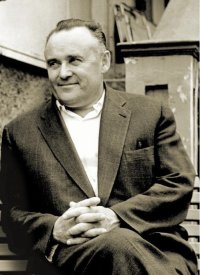
"Во время встреч с Королевым я хорошо представлял себе масштабы этого человека и то место, которое он занимал в советской и мировой космонавтике. Я понимал, что передо мной человек исторический в буквальном смысле этого слова, и не скрывал своего интереса к нему. Несколько раз заводил я разговор о его прошлом, о юношеских годах, но, насколько я помню, он не поддерживал этой темы и всегда старался свернуть с нее куда-нибудь в сторону. Один раз я прямо сказал, что хочу написать о нем большой очерк.

- Как-нибудь в другой раз,— лениво отмахнулся Сергей Павлович.— Мне сейчас некогда этим заниматься... Еще будет время для мемуаров.."
Мог ли кто-нибудь предположить тогда, что этому замечательному человеку, такому энергичному, такому крепкому с виду, осталось меньше года жизни...

При жизни Сергея Павловича я не написал о нем ни строчки, если не считать скрытого за псевдонимом Главного конструктора в «Кузнецах грома». И узнал я о нем больше после его смерти, чем при жизни. Добавить к тому, что уже написано о Сергее Павловиче, трудно: в две-три страницы такой характер не уложишь.

Говорят: Королев устраивал «разносы», выгонял из кабинета, дерзил большому начальству. Рассказывают: был мягок, деликатен, ласков. Снимал напряжение анекдотом, цитировал поэтов, мечтал. Все так, все точно. Эти состояния, которые кажутся несовместимыми, держались всегда на одном прочнейшем каркасе — на увлеченности своей работой. Это было самое главное. Это было сильнее сердечных привязанностей, сильнее физической усталости, сильнее его самого. Он был радостный раб своего труда. Он не мог освободиться от него ни на минуту. Я прочел недавно: Микеланджело неделями не спускался со строительных лесов, когда расписывал потолок Сикстинской капеллы, спал там прямо на досках, капли краски превратили его одежду в заскорузлый панцирь, который потом с него срезали ножом. Я вспомнил Королева. Другое время, другой труд, но дух — тот же!".(Ярослав Голованов. "Дорога на космодром").
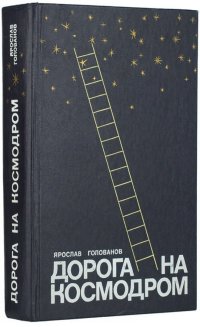
...................................................................
Цит.по: Ярослав Кириллович Голованов
ДОРОГА НА КОСМОДРОМ
Для старшего школьного возраста
Ответственный редактор
Г. А. Иванова
Художественный редактор
Л. Д. Бирюков
Технический редактор В. К. Егорова Корректоры Л. И. Дмитрюк; А. П. Саркисян
Москва/ Издательство «Детская литература»
1988 год

На фото: Обложка книги Ярослава Голованова "Дорога на космодром"; Сершей Павлович Королев.
“During my meetings with Korolev, I had a clear understanding of the scale of this man and the place he occupied in Soviet and world cosmonautics. I understood that before me stood a historical figure in the literal sense of the word, and I did not hide my interest in him.


Several times I tried to start a conversation about his past, about his youth, but as far as I remember, he never supported that topic and always tried to steer the conversation elsewhere.

Once I told him directly that I wanted to write a major essay about him.

‘Some other time,’ Sergey Pavlovich waved me off lazily. ‘I don’t have time for that now... There will still be time for memoirs...’

Could anyone have imagined then that this remarkable man, so energetic, so strong-looking, had less than a year left to live...

During Sergey Pavlovich’s lifetime, I did not write a single line about him, except for the Chief Designer hidden behind a pseudonym in “The Forgers of Thunder.” And I learned more about him after his death than during his life.

It is difficult to add anything to what has already been written about Sergey Pavlovich: such a character cannot be contained within two or three pages.

People say: Korolev gave harsh reprimands, threw people out of his office, and spoke boldly even to high-ranking officials.

Others recall that he was gentle, tactful, and kind. He relieved tension with a joke, quoted poets, and dreamed.

All of this is true. All of it is accurate.

These qualities, which seem incompatible, were always supported by one exceptionally strong framework — his passion for his work.

That was the most important thing.

It was stronger than personal attachments, stronger than physical exhaustion, stronger than the man himself.

He was a joyful servant of his labor.

He could not free himself from it even for a single minute.

Recently I read that Michelangelo spent weeks without descending from the scaffolding while painting the ceiling of the Sistine Chapel. He slept there on wooden planks, and drops of paint turned his clothing into a hardened shell that later had to be cut off with a knife.

I remembered Korolev.

A different era, a different kind of work — but the same spirit.”

(Yaroslav Golovanov, “Road to the Cosmodrome”)

...................................................................

Quoted from:

Yaroslav Kirillovich Golovanov

ROAD TO THE COSMODROME

For senior school age readers

Responsible Editor:
G. A. Ivanova

Art Editor:
L. D. Biryukov

Technical Editor:
V. K. Egorova

Proofreaders:
L. I. Dmitryuk
A. P. Sarkisyan

Moscow
Children’s Literature Publishing House

1988

Photos:
Cover of Yaroslav Golovanov’s book “Road to the Cosmodrome”

Sergey Pavlovich Korolev
“Durante mis encuentros con Koroliov, comprendía perfectamente la magnitud de este hombre y el lugar que ocupaba en la cosmonáutica soviética y mundial. Entendía que tenía ante mí a una figura histórica en el sentido literal de la palabra, y no ocultaba mi interés por él.


En varias ocasiones intenté hablar de su pasado, de sus años de juventud, pero, hasta donde recuerdo, nunca apoyaba ese tema y siempre procuraba desviar la conversación hacia otra cosa.

Una vez le dije directamente que quería escribir un gran ensayo sobre él.

‘En otra ocasión’, me respondió Sergey Pavlovich con un gesto despreocupado. ‘Ahora no tengo tiempo para ocuparme de eso... Ya habrá tiempo para las memorias...’

¿Quién podría haber imaginado entonces que a este hombre extraordinario, tan enérgico y de apariencia tan fuerte, le quedaba menos de un año de vida?

Mientras Sergey Pavlovich estuvo vivo, no escribí ni una sola línea sobre él, salvo la figura del Diseñador Jefe oculta bajo un seudónimo en “Los Forjadores del Trueno”. Y llegué a conocer más sobre él después de su muerte que durante su vida.

Es difícil añadir algo a lo que ya se ha escrito sobre Sergey Pavlovich: un carácter así no cabe en dos o tres páginas.

Se dice que Koroliov organizaba severas reprimendas, expulsaba a la gente de su despacho y hablaba con firmeza incluso a los altos dirigentes.

Otros recuerdan que era amable, delicado y afectuoso. Aliviaba la tensión con un chiste, citaba a poetas y soñaba.

Todo eso es cierto. Todo es exacto.

Estas cualidades, que parecen incompatibles, se sostenían siempre sobre una estructura extraordinariamente sólida: su pasión por el trabajo.

Eso era lo más importante.

Era más fuerte que los afectos personales, más fuerte que el cansancio físico, más fuerte que él mismo.

Era un alegre servidor de su labor.

No podía liberarse de ella ni un solo minuto.

Hace poco leí que Miguel Ángel pasó semanas sin bajar de los andamios mientras pintaba el techo de la Capilla Sixtina. Dormía allí mismo sobre tablones de madera, y las gotas de pintura convirtieron su ropa en una costra endurecida que después tuvieron que cortarle con un cuchillo.

Entonces recordé a Koroliov.

Otra época, otro trabajo, pero el mismo espíritu.”

(Yaroslav Golovanov, “Camino al Cosmódromo”)

...................................................................

Citado de:

Yaroslav Kiríllovich Golovanov

CAMINO AL COSMÓDROMO

Para estudiantes de nivel secundario superior

Editora responsable:
G. A. Ivanova

Editor artístico:
L. D. Biriukov

Editor técnico:
V. K. Egorova

Correctores:
L. I. Dmitriuk
A. P. Sarkisián

Moscú
Editorial Literatura Infantil

1988

Fotografías:
Portada del libro de Yaroslav Golovanov “Camino al Cosmódromo”

Serguéi Pávlovich Koroliov
V1t4ZcH0tlbZgko3esXrVR01KHo4Rj5KrhJyIlyhzv1nNccNLeE GjkXD 9UbLgXdL9hRL5uAGmpesLEaUgynsBP

Korolev 1izrzgfouoed0
 
Frimen1917

Frimen1917

Mecca V.I.P.
VIP
Joined
Jan 9, 2026
Messages
3,161
Points
63
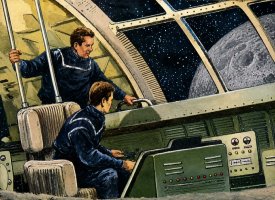
"Полет на Луну". Картина художника Ю. Реброва. 1955.
"Flight to the Moon." Painting by artist Yu. Rebrov. 1955.
"Vuelo a la Luna". Pintura del artista Yu. Rebrov. 1955.

 viber 2026 07 22 04 34 12 122
 
Frimen1917

Frimen1917

Mecca V.I.P.
VIP
Joined
Jan 9, 2026
Messages
3,161
Points
63
"Прогресс техники позволил сооружать оптические телескопы и радиотелескопы, способные принимать излучение, идущее от небесных тел, удаленных на гигантские расстояния, которые просто невозможно себе представить.

Не все излучение, идущее от небесных светил, можно уловить на обсерваториях. Часть его поглощается в земной атмосфере и просто не доходит до инструментов, расположенных на Земле, даже высоко в горах. На помощь пришла космонавтика.

Именно автоматические искусственные спутники и орбитальные станции с космонавтами на борту позволили вынести астрономические инструменты за пределы Вселенной. Луна стала первым небесным телом, на котором побывал человек".
(Б. А. Воронцов-Вельяминов Член-корреспондент АПН СССР, доктор физико-математических наук. "К нашему читателю").
...................................................................................
Цит.по : ЭНЦИКЛОПЕДИЧЕСКИЙ СЛОВАРЬ ЮНОГО АСТРОНОМА
МОСКВА
"ПЕДАГОГИКА"
1986
Составитель НИКОЛАЙ ПЕТРОВИЧ ЕРПЫЛЕВ
Макет книги художник МАРТЫНЕНКО Ю. П.

Иллюстрации выполнили художники: АРАТОВСКИЙ Ю. М., БЕССОНОВ С. Г., БОРИСОВ И. Г., ВИГАНТ В. Я., ЛОБАЧЕВ В. П., ЛУХИН С. Ф.

...................................................................................
“The progress of technology has made it possible to build optical telescopes and radio telescopes capable of receiving radiation coming from celestial bodies located at unimaginably vast distances.


Not all the radiation emitted by celestial objects can be detected from observatories on Earth. Part of it is absorbed by the Earth's atmosphere and simply never reaches instruments located on the ground, even those placed high in the mountains. Astronautics came to the rescue.

It was precisely automatic artificial satellites and orbital stations with cosmonauts on board that made it possible to carry astronomical instruments beyond the Earth's atmosphere. The Moon became the first celestial body on which a human being set foot.”

(B. A. Vorontsov-Velyaminov,
Corresponding Member of the Academy of Pedagogical Sciences of the USSR,
Doctor of Physical and Mathematical Sciences,
“To Our Reader”)

...................................................................................

Quoted from:

ENCYCLOPEDIC DICTIONARY OF THE YOUNG ASTRONOMER

Moscow

Pedagogika Publishing House

1986

Compiled by:
Nikolai Petrovich Erpylev

Book design:
Yu. P. Martynenko

Illustrations by:
Yu. M. Aratovsky,
S. G. Bessonov,
I. G. Borisov,
V. Ya. Vigant,
V. P. Lobachev,
S. F. Lukhin

...................................................................................

“El progreso de la tecnología hizo posible construir telescopios ópticos y radiotelescopios capaces de recibir la radiación procedente de cuerpos celestes situados a distancias gigantescas, prácticamente imposibles de imaginar.


No toda la radiación emitida por los astros puede ser detectada desde los observatorios terrestres. Una parte es absorbida por la atmósfera de la Tierra y simplemente no llega a los instrumentos instalados en la superficie, incluso a los situados en las altas montañas. La cosmonáutica vino en ayuda de la astronomía.

Fueron precisamente los satélites artificiales automáticos y las estaciones orbitales con cosmonautas a bordo los que hicieron posible llevar los instrumentos astronómicos más allá de la atmósfera terrestre. La Luna se convirtió en el primer cuerpo celeste en el que puso el pie un ser humano.”

(B. A. Vorontsov-Veliamínov,
Miembro Correspondiente de la Academia de Ciencias Pedagógicas de la URSS,
Doctor en Ciencias Físicas y Matemáticas,
“Al lector”)

...................................................................................

Citado de:

DICCIONARIO ENCICLOPÉDICO DEL JOVEN ASTRÓNOMO

Moscú

Editorial Pedagogika

1986

Compilador:
Nikolái Petróvich Erpýlev

Diseño del libro:
Yu. P. Martynenko

Ilustraciones de:
Yu. M. Aratovski,
S. G. Bessónov,
I. G. Borísov,
V. Ya. Vigant,
V. P. Lobachov,
S. F. Lujin

...................................................................................
 l o3aXK2rbkJoD60iACl3SOXUS06unn4FWVsKkyC0gDPnKsX7iPJQHDDU0z0oyS WxkuU 22E2GZVfltRiWScjY 1
 
Frimen1917

Frimen1917

Mecca V.I.P.
VIP
Joined
Jan 9, 2026
Messages
3,161
Points
63
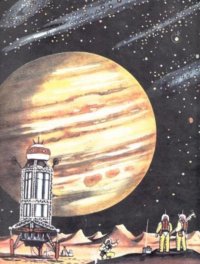
"На Юпитер или на Сатурн высадиться вообще невозможно.

Эти планеты состоят почти из одних облаков.

Планета Юпитер, например, на самом деле не такая уж большая, как кажется. Но она сидит внутри огромного облачного шара, как косточка внутри вишни. Мы видим не самую планету, а этот облачный шар. И говорим: «Какой большой Юпитер!» Большая-то только одёжка.
Но у Юпитера есть целых двенадцать спутников, целых двенадцать лун. И среди них есть очень большие. Две из них равны нашей Луне, а две даже не уступают по величине Меркурию.

Сядем на спутник, который ближе всего к Юпитеру.

Смотрите, какая красота! Юпитер — огромный облачный шар с полнеба величиной.

А как быстро он вращается! За десять часов он успевает повернуться кругом.

Из-за такой огромной скорости облака Юпитера размазаны полосами вдоль экватора. Как струи на поверхности быстрой реки.

Эти струи облаков всё время обгоняют одна другую, клубятся, меняют форму.

В одном месте среди белых полос Юпитера иногда заметно странное красное пятно. Похоже, точно в этом месте, как муть со дна реки, поднимается из глубины красный дым. Багровая туча раздвигает струи белых облаков, клубится, то становится яркой, то бледнеет.

Может быть, там, на дне облачного океана, бушует извержение огромного вулкана, то затухая, то вспыхивая с новой силой?
Когда-нибудь, вы, ребята, разгадаете эту загадку Юпитера".( П. Клушанцев."О чём рассказал телескоп").
........................................................................
Примечание: в книге "О чём рассказал телескоп" автор пишет о 12 спутниках Юпитера. Книга была написана в 1972 году.
Благодаря наземным наблюдениям системы Юпитера к концу 1970-х годов было известно уже 13 спутников. В 1979 году, пролетая мимо Юпитера, космический аппарат «Вояджер-1» обнаружил ещё три спутника.

Начиная с 1999 года с помощью наземных телескопов нового поколения были открыты ещё 49 спутников Юпитера, подавляющее большинство которых имеют диаметр в 2—4 км.
На 2019 год известны 79 спутников Юпитера. Кроме того, у Юпитера есть система колец.
........................................................................
Цит. по: Павел Владимирович Клушанцев
О ЧЕМ РАССКАЗАЛ ТЕЛЕСКОП
Издательство "Детская литература" (Ленинградское отделение), 1972 г.
Тираж: 100000 экз.
Тип обложки: твёрдая
Формат: 60x90/8 (220x290 мм)
Страниц: 68

Иллюстрации художников: Е. Войшвилло, Б. Калаушина, Б. Стародубцева).
“It is completely impossible to land on Jupiter or Saturn.


These planets are composed almost entirely of clouds.

Take Jupiter, for example. The planet itself is actually not as large as it appears. It sits inside an enormous sphere of clouds, like the pit inside a cherry. What we see is not the planet itself, but this gigantic cloud envelope. And we say, ‘What a huge Jupiter!’ In reality, only its outer garment is enormous.

Jupiter has as many as twelve satellites—twelve moons. Some of them are very large. Two are about the size of our Moon, while two others are comparable in size to Mercury.

Let us land on the moon that is closest to Jupiter.

Look at this magnificent sight! Jupiter is an enormous sphere of clouds filling half the sky.

And how fast it rotates! It completes one full rotation in just ten hours.

Because of this tremendous speed, Jupiter’s clouds are stretched into bands along the equator, like currents on the surface of a swift river.

These cloud streams constantly overtake one another, swirl together, and change their shapes.

Among the white bands of Jupiter, a strange red spot can sometimes be seen. It looks as though red smoke is rising from the depths, like silt stirred up from the bottom of a river. A crimson cloud pushes aside the white cloud streams, swirling and churning, sometimes glowing brightly, then fading again.

Perhaps, deep beneath the ocean of clouds, a gigantic volcano is erupting, growing quiet and then bursting into life once more.

One day, children, you will solve the mystery of Jupiter.”

(Pavel Klushantsev, “What the Telescope Revealed”)

........................................................................

Note: In the book What the Telescope Revealed, the author states that Jupiter has 12 satellites. The book was written in 1972.

Thanks to ground-based observations, by the end of the 1970s astronomers knew of 13 satellites of Jupiter. In 1979, while flying past Jupiter, the spacecraft Voyager 1 discovered three more moons.

Beginning in 1999, a new generation of ground-based telescopes discovered another 49 satellites of Jupiter, the vast majority of them only 2–4 km in diameter.

As of 2019, 79 moons of Jupiter are known. In addition, Jupiter possesses a system of rings.

........................................................................

Quoted from:

Pavel Vladimirovich Klushantsev

WHAT THE TELESCOPE REVEALED

Children’s Literature Publishing House (Leningrad Branch), 1972

Print run: 100,000 copies

Hardcover edition

Format: 60×90/8 (220 × 290 mm)

68 pages

Illustrations by:
E. Voyshvillo,
B. Kalaushin,

B. Starodubtsev
“Es completamente imposible aterrizar en Júpiter o en Saturno.


Estos planetas están compuestos casi por completo de nubes.

Tomemos como ejemplo a Júpiter. El planeta en sí no es tan grande como parece. Se encuentra dentro de una gigantesca esfera de nubes, como el hueso dentro de una cereza. Lo que vemos no es el planeta, sino esa inmensa envoltura de nubes. Y decimos: «¡Qué enorme es Júpiter!». En realidad, lo único enorme es su «vestimenta».

Júpiter posee nada menos que doce satélites, doce lunas. Algunas de ellas son muy grandes. Dos tienen aproximadamente el tamaño de nuestra Luna y otras dos son comparables en tamaño a Mercurio.

Aterricemos en la luna más cercana a Júpiter.

¡Miren qué espectáculo tan maravilloso! Júpiter es una gigantesca esfera de nubes que ocupa medio cielo.

¡Y qué rápido gira! Completa una vuelta sobre sí mismo en apenas diez horas.

Debido a esa enorme velocidad de rotación, las nubes de Júpiter aparecen extendidas en franjas a lo largo del ecuador, como las corrientes de un río caudaloso.

Estas corrientes de nubes se adelantan constantemente unas a otras, se arremolinan y cambian de forma.

Entre las bandas blancas de Júpiter puede verse, a veces, una extraña mancha roja. Parece como si un humo rojizo surgiera desde las profundidades, igual que el lodo que se levanta del fondo de un río. Una nube carmesí aparta las corrientes de nubes blancas, gira y se agita, unas veces brillando intensamente y otras desvaneciéndose.

Tal vez, en el fondo de aquel océano de nubes, esté entrando en erupción un gigantesco volcán que unas veces se calma y otras vuelve a despertar con nueva fuerza.

Algún día, muchachos, ustedes resolverán el misterio de Júpiter.”

(Pável Klushántsev, Lo que reveló el telescopio)

........................................................................

Nota: En el libro Lo que reveló el telescopio, el autor escribe que Júpiter tiene 12 satélites. El libro fue escrito en 1972.

Gracias a las observaciones realizadas desde la Tierra, a finales de la década de 1970 ya se conocían 13 satélites de Júpiter. En 1979, durante su sobrevuelo del planeta, la nave espacial Voyager 1 descubrió tres satélites más.

A partir de 1999, una nueva generación de telescopios terrestres descubrió otros 49 satélites de Júpiter, la inmensa mayoría con diámetros de apenas entre 2 y 4 kilómetros.

En 2019 ya se conocían 79 satélites de Júpiter. Además, el planeta posee un sistema de anillos.

........................................................................

Citado de:

Pável Vladímirovich Klushántsev

LO QUE REVELÓ EL TELESCOPIO

Editorial Literatura Infantil
(Sucursal de Leningrado), 1972

Tirada: 100 000 ejemplares

Encuadernación: tapa dura

Formato: 60×90/8 (220 × 290 mm)

68 páginas

Ilustraciones de:
E. Voyshvillo,
B. Kalaushin,

B. Starodubtsev
9GLBe61lyWRkajCe91LeWFKdLS4jbSvfVsZvUVqV72r8mmASEAFXtemlwt0Tt2QB8vtaDrp1yg539ZWgoV2USt9Y
 
Top