• Legal Notice – MuscleMecca Forums

    MuscleMecca.com is an educational discussion platform. We do not sell, promote, or endorse any bodybuilding gear, supplements, research chemicals, or performance-enhancing substances.

    All discussions are for educational and informational purposes only. Nothing posted on this forum should be considered medical or legal advice.

    Do not attempt to sell, source, or promote illegal substances. Any such activity will result in an immediate and permanent ban and may be reported to the proper authorities.

    By using this site, you agree to comply with all forum rules, disclaimers, and applicable laws in your jurisdiction.

    Read Our Full Disclaimer and Forum Rules

  • Follow the 2026 Olympia on September 24 to 27, 2026!

History of Soviet cosmonautics.

Frimen1917

Frimen1917

Mecca V.I.P.
VIP
Joined
Jan 9, 2026
Messages
3,161
Points
63
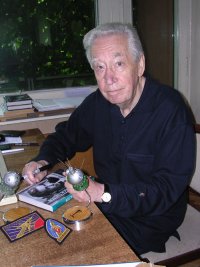
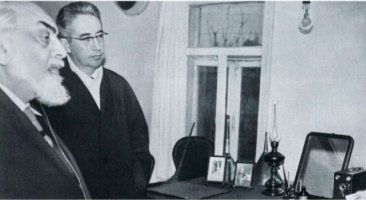
Летчик-космонавт К. П. Феоктистов и автор книги «Введение в космонавтику» А. А. Штернфельд в рабочем кабинете К. Э. Циолковского.
Pilot-cosmonaut K. P. Feoktistov and the author of the book “Introduction to Cosmonautics” A. A. Sternfeld in the office of K. E. Tsiolkovsky.
El piloto cosmonauta K. P. Feoktistov y el autor del libro “Introducción a la cosmonáutica”, A. A. Sternfeld, en el despacho de K. E. Tsiolkovsky.
1UFsBEykFwjEQGbwiyb1Bfna3pcuqjXbBYhQ0vP 7DHIkLPwbU7D2XhnnC25AxafiYMxaZuJ2cgI4OOt4h82HzXT
 
Frimen1917

Frimen1917

Mecca V.I.P.
VIP
Joined
Jan 9, 2026
Messages
3,161
Points
63
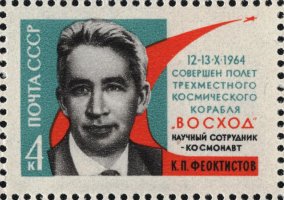
Почтовая марка СССР 1964 года, посвященная Константину Феоктистову.
USSR stamp honoring Konstantin Feoktistov from 1964.
Sello de la URSS que honra a Konstantín Feoktístov de 1964.

The Soviet Union 1964 CPA 3111 stamp 3 men Space Flight of Komarov Yegorov and Feoktistov K
 
Frimen1917

Frimen1917

Mecca V.I.P.
VIP
Joined
Jan 9, 2026
Messages
3,161
Points
63
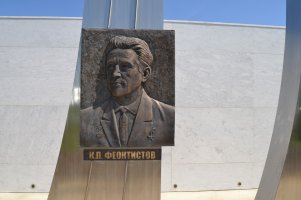
Барельеф-портрет К. П. Феоктистова на Аллее Почёта на площади Космонавтов в Парке покорителей космоса имени Юрия Гагарина, Саратовская область, Энгельсский район.
Bas-relief portrait of K. P. Feoktistov on the Alley of Honor at Cosmonauts Square in the Yuri Gagarin Park of Space Conquerors, Saratov Region, Engels District.
Retrato en bajorrelieve de K. P. Feoktistov en la Avenida del Honor de la Plaza de los Cosmonautas en el Parque Yuri Gagarin de los Conquistadores Espaciales, Región de Saratov, Distrito de Engels.

Portret K P Feoktistov
 
Frimen1917

Frimen1917

Mecca V.I.P.
VIP
Joined
Jan 9, 2026
Messages
3,161
Points
63
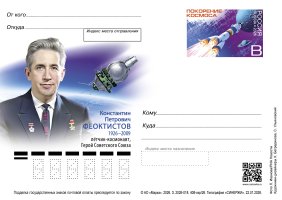
Почтовый конверт «100 лет со дня рождения К.П. Феоктистова (1926–2009), лётчика-космонавта, Героя Советского Союза».
Фото (РИА Новости) – Иванов Л.
Художник-дизайнер (марка) – Ульяновский C.

Художник-дизайнер (иллюстрация) – Бетрединова Х.
Postal envelope "100th Anniversary of the Birth of K.P. Feoktistov (1926–2009), pilot-cosmonaut, Hero of the Soviet Union."

Photo (RIA Novosti) – L. Ivanov
Artist/designer (stamp) – S. Ulyanovsky

Artist/designer (illustration) – Kh. Betredinova
Sobre postal «Centenario del nacimiento de K.P. Feoktistov (1926-2009), piloto cosmonauta, Héroe de la Unión Soviética».

Fotografía (RIA Novosti): L. Ivanov
Artista/diseñador (sello): S. Ulyanovsky

Artista/diseñadora (ilustración): Kh. Betredinova

6f9305f7 4141 4cbe be61 ad233add5b7b
 
Frimen1917

Frimen1917

Mecca V.I.P.
VIP
Joined
Jan 9, 2026
Messages
3,161
Points
63

Феоктистов Константин Петрович – лётчик-космонавт СССР. Почтовая марка Болгарии. 1965.02.15

Konstantin Petrovich Feoktistov – USSR pilot-cosmonaut. Bulgarian postage stamp, February 15, 1965.
Konstantin Petrovich Feoktistov – Piloto-cosmonauta de la URSS. Sello postal búlgaro, 15 de febrero de 1965.
17
 
Frimen1917

Frimen1917

Mecca V.I.P.
VIP
Joined
Jan 9, 2026
Messages
3,161
Points
63
"Проект О’Нейла, появившийся не в начале века и не в 20-е годы, а в наше «высокопросвещенное» время, претендует быть не только технической гипотезой, но и вообще рецептом развития человечества.
Не видя иных возможностей выйти из кризисов, О’Нейл предлагает искать пути для этого в космосе. Всеобщая трудовая занятость, высокая продуктивность и прибыли производства, разнообразные формы местного самоуправления и вообще «очень приятный образ жизни» — вот те признаки «космического рая» на борту космических колоний, которые видятся автору проекта. Это напоминает надежды наивных людей, которые не способны навести порядок у себя дома, но мечтают сделать это на новой квартире.
Если «все лучшие, присущие ему качества», по выражению О’Нейла, общество не в состоянии проявить здесь, на Земле, — не может избавиться от безработицы, засилья монополий, инфляции, роста цен, преступности, терроризма, — то на чем же может быть основана уверенность, что все это исчезнет на космических орбитах?

Нет сомнений, что рано или поздно человечество создаст крупные космические объекты в космосе с целью решения разнообразных научных и прикладных задач. Безусловно, они будут важным подспорьем в решении человечеством своих земных проблем. Но едва ли они когда-нибудь станут основным местом и средством развития земной цивилизации.

Но давайте посмотрим на космические колонии с другой стороны. С точки зрения возможностей их создания.

В качестве базы для строительства О’Нейл предложил использовать «богатую рудами» Луну. Если допустить, что Луна ими действительно богата, необходимо, чтобы эти руды были добыты и превратились в металл. Таким образом, прежде чем начать строить первую колонию, необходимо создать на Луне горнодобывающее производство, металлургию и производство стройматериалов и конструкций. А это, со своей стороны, требует наличия химической промышленности и машиностроения. То есть прежде придется «всего-навсего» освоить Луну. Но мы уже говорили, что пока тенденции к этому не просматриваются. Даже с перспективной энергетикой, транспортными средствами будущего освоение Луны потребует очень больших затрат и длительного времени. По оценкам известного американского специалиста К. Эрике, только начальные капиталовложения в индустриализацию Луны потребуют 60―70 миллиардов долларов (по курсу пяти-шестилетней давности).

Однако и при наличии возможности отправлять с Луны в «лагранжевые точки» строительные материалы и конструкции возникает сложная проблема их транспортировки. Методы, предлагаемые О’Нейлом, вызывают большие сомнения. Следует ожидать большого рассеяния «брошенных» грузов в месте их приема. Собрать их будет непросто, нужно будет снова затрачивать энергию и решать сложные задачи управления. Доставлять же грузы с Луны с помощью ракет оказывается явно невыгодным по сравнению с доставкой с Земли.

Еще и еще ряд сложных вопросов. Каким образом осуществлять заселение колоний? Как организовать их снабжение, ведь наверняка в течение какого-то времени они не смогут существовать автономно. Как защищаться от радиационного излучения и метеоритов? Каков путь к реализации замкнутого экологического процесса?

Пока не видно никаких предпосылок к тому, чтобы возникла необходимость создания колоний. Но с технической точки зрения проект О’Нейла выглядит вполне реалистично. Хотя многие вопросы требуют тщательного расчета, а иные из предлагаемых решений — пересмотра.

О’Нейл говорит о развертывании строительства в восьмидесятые годы. Это совершенно неоправданно. Но если иметь в виду более отдаленное время, то ничего бессмысленного и нереального я не вижу. Нужно или не нужно — это другой вопрос.


Пока что нет доводов за то, что «нужно». Ресурсы Земли и окружающего пространства человечество использовало лишь в минимальной степени. Всегда будут находить новые возможности на Земле, более экономичные и удобные, чем уход в космос. И наконец, расселение людей, по моему убеждению, едва ли окажется возможным. Если прирост населения уменьшится, скажем, до процента в год (сейчас почти два процента), то это все равно будет несколько десятков миллионов человек. Сейчас невозможно себе представить перевозку в космос даже годового прироста населения. Ведь это несколько десятков миллионов. Я бы добавил сюда и такой фактор, как ностальгия. Все в колонии будет искусственным, включая реки и горы. И в жителях ее, особенно первых поколений, будет жить тоска по настоящему, земному. Может быть, последующим поколениям будет проще, но и у них будет ощущение некоторой неполноценности существования, связанное и с этой искусственностью, и с ограниченностью окружающего пространства. Если признаться честно, лет двадцать назад я был почти убежден, что человечество действительно не останется вечно на Земле и начнет неизбежно в будущем расселяться в космосе. Однажды, помню, году в шестьдесят первом, выступал я на космодроме перед специалистами, которые готовили к полетам космические корабли. И, формулируя цели космонавтики, я назвал ее наилучшим средством от грядущей перенаселенности Земли. Но потом еще раз посчитал, «порисовал», подумал и понял, что ничего из этого не получится. Сейчас мне хочется только, чтобы расселение людей в космосе стало хотя бы когда-нибудь возможным и целесообразным". (К.П. Феоктистов."Семь шагов в небо").Москва. Издательство "Молодая гвардия". 1984. На фото: космонавт Константин Феоктистов.
O’Neill’s project, which appeared neither at the beginning of the century nor in the 1920s, but in our own “highly enlightened” age, claims to be not merely a technical hypothesis, but a recipe for the development of humanity as a whole.


Seeing no other ways out of the crises, O’Neill proposes looking for them in space. Universal employment, high productivity and production profits, various forms of local self-government, and, in general, a “very pleasant way of life” — these are the features of the “cosmic paradise” aboard space colonies envisioned by the author of the project. This resembles the hopes of naïve people who are unable to put their own house in order but dream of doing so in a new apartment.

If society is unable to demonstrate here on Earth “all the best qualities inherent in it,” to use O’Neill’s expression — if it cannot rid itself of unemployment, the dominance of monopolies, inflation, rising prices, crime, and terrorism — then what can the confidence that all of this will disappear in space orbits be based on?

There is no doubt that sooner or later humanity will create large space structures in space for the purpose of solving a variety of scientific and practical tasks. Undoubtedly, they will provide important assistance in solving humanity’s problems on Earth. But it is hardly likely that they will ever become the principal place and means of development of terrestrial civilization.

But let us look at space colonies from another perspective — from the point of view of the possibility of creating them.

As a basis for construction, O’Neill proposed using the “ore-rich” Moon. Even if we assume that the Moon really is rich in ores, these ores would have to be mined and converted into metal. Thus, before beginning construction of the first colony, it would be necessary to establish mining operations, metallurgy, and the production of construction materials and structures on the Moon. This, in turn, would require a chemical industry and mechanical engineering. In other words, we would first have to “simply” develop the Moon.

But we have already said that there are currently no visible trends pointing in this direction. Even with advanced energy systems and the transportation technologies of the future, developing the Moon would require enormous expenditures and a great deal of time. According to estimates by the well-known American specialist K. Ehricke, the initial capital investment alone required for the industrialization of the Moon would amount to 60–70 billion dollars (at the exchange rate of five or six years earlier).

However, even if it became possible to send construction materials and structures from the Moon to the “Lagrange points,” a complicated transportation problem would arise. The methods proposed by O’Neill raise serious doubts. One should expect considerable dispersion of the “thrown” cargoes at the point of reception. Collecting them would not be easy; additional energy would have to be expended, and complex control problems would have to be solved. Delivering cargo from the Moon by rockets would clearly be unprofitable compared with delivering it from Earth.

There are still many other difficult questions. How would the colonies be populated? How would their supplies be organized, since they certainly would not be able to exist autonomously for some period of time? How would they be protected from radiation and meteorites? How could a closed ecological cycle be established?

At present, there are no visible prerequisites for creating colonies. From a technical point of view, however, O’Neill’s project looks quite realistic. Although many questions require careful calculation, some of the proposed solutions would have to be reconsidered.

O’Neill speaks of launching large-scale construction in the 1980s. This is completely unjustified. But if we have a much more distant future in mind, I see nothing meaningless or unrealistic about it. Whether it is necessary or not is another question.

For the time being, there are no arguments in favor of its being “necessary.” Humanity has used the resources of Earth and its surrounding space only to a minimal extent. New possibilities will always be found on Earth that are more economical and convenient than moving into space.

And finally, I am convinced that the settlement of people in space is hardly likely to prove possible. If population growth were to fall, say, to one percent per year (it is now almost two percent), that would still mean several tens of millions of people. At present, it is impossible even to imagine transporting into space the annual increase in population. That means several tens of millions of people.

I would also add another factor: nostalgia. Everything in a colony would be artificial, including rivers and mountains. Its inhabitants, especially those of the first generations, would feel a longing for the real, earthly world. Perhaps subsequent generations would find it easier, but even they might experience a sense of incompleteness in their existence, connected both with this artificiality and with the limited space around them.

To be honest, about twenty years ago I was almost convinced that humanity would not remain on Earth forever and that, inevitably, in the future, it would begin spreading out into space. I remember that once, around 1961, I spoke at a spaceport before specialists who were preparing spacecraft for flight. When formulating the goals of space exploration, I called it the best means of preventing the impending overpopulation of Earth.

But then I calculated it again, “sketched it out,” thought about it, and realized that none of it would work.

Now I only want the settlement of people in space to become, at least someday, possible and expedient.


(K. P. Feoktistov, “Seven Steps into the Sky”). Moscow. Young Guard Publishing House. 1984. In the photo: cosmonaut Konstantin Feoktistov.
El proyecto de O’Neill, que apareció no a comienzos del siglo ni en los años veinte, sino en nuestra época «altamente ilustrada», pretende ser no solo una hipótesis técnica, sino incluso una receta para el desarrollo de toda la humanidad.


Al no ver otras posibilidades para salir de las crisis, O’Neill propone buscar esas vías en el espacio. El empleo generalizado, una alta productividad y rentabilidad de la producción, diversas formas de autogobierno local y, en general, un «modo de vida muy agradable»: estos son los rasgos del «paraíso cósmico» a bordo de las colonias espaciales que imagina el autor del proyecto. Esto recuerda las esperanzas de personas ingenuas que son incapaces de poner orden en su propia casa, pero sueñan con hacerlo en un apartamento nuevo.

Si la sociedad no es capaz de manifestar aquí, en la Tierra, «todas las mejores cualidades que le son propias», utilizando la expresión de O’Neill —si no puede librarse del desempleo, del dominio de los monopolios, de la inflación, del aumento de los precios, de la delincuencia y del terrorismo—, ¿en qué puede basarse entonces la confianza en que todo esto desaparecerá en las órbitas espaciales?

No cabe duda de que, tarde o temprano, la humanidad creará grandes estructuras espaciales con el fin de resolver diversas tareas científicas y aplicadas. Sin duda, constituirán una ayuda importante para que la humanidad pueda resolver sus problemas terrestres. Pero difícilmente llegarán algún día a convertirse en el principal lugar y medio de desarrollo de la civilización terrestre.

Pero veamos las colonias espaciales desde otro punto de vista: desde el punto de vista de las posibilidades de crearlas.

Como base para la construcción, O’Neill propuso utilizar la Luna, «rica en minerales». Incluso admitiendo que la Luna sea realmente rica en minerales, habría que extraerlos y convertirlos en metal. Por lo tanto, antes de comenzar a construir la primera colonia, sería necesario crear en la Luna una industria minera, una industria metalúrgica y una producción de materiales y estructuras de construcción. Esto, a su vez, requeriría disponer de una industria química y de una industria de construcción de maquinaria. Es decir, primero tendríamos que «simplemente» desarrollar la Luna.

Pero ya hemos dicho que, por ahora, no se observan tendencias que apunten en esa dirección. Incluso con una energía avanzada y los medios de transporte del futuro, el desarrollo de la Luna exigiría enormes gastos y mucho tiempo. Según las estimaciones del conocido especialista estadounidense K. Ehricke, solo las inversiones iniciales necesarias para la industrialización de la Luna ascenderían a 60–70 mil millones de dólares (al tipo de cambio de cinco o seis años atrás).

Sin embargo, incluso si existiera la posibilidad de enviar desde la Luna materiales y estructuras de construcción a los «puntos de Lagrange», surgiría un complejo problema de transporte. Los métodos propuestos por O’Neill generan serias dudas. Cabe esperar una considerable dispersión de las cargas «lanzadas» en el lugar de recepción. Recogerlas no sería fácil; habría que volver a gastar energía y resolver complejos problemas de control. Transportar las cargas desde la Luna mediante cohetes resultaría claramente poco rentable en comparación con su transporte desde la Tierra.

Y todavía quedan muchas otras cuestiones complejas. ¿Cómo se llevaría a cabo el poblamiento de las colonias? ¿Cómo se organizaría su abastecimiento, ya que seguramente durante cierto tiempo no podrían existir de manera autónoma? ¿Cómo se protegerían de la radiación y de los meteoritos? ¿Cuál sería el camino para hacer realidad un ciclo ecológico cerrado?

Por ahora no se observan premisas que hagan necesaria la creación de colonias. Sin embargo, desde el punto de vista técnico, el proyecto de O’Neill parece bastante realista. Aunque muchas cuestiones requieren cálculos minuciosos, algunas de las soluciones propuestas tendrían que ser revisadas.

O’Neill habla de comenzar el desarrollo de la construcción a gran escala en los años ochenta. Esto carece por completo de justificación. Pero si tenemos en cuenta un futuro mucho más lejano, no veo en ello nada absurdo ni irreal. Si es necesario o no, es otra cuestión.

Por ahora no existen argumentos a favor de que sea «necesario». La humanidad ha utilizado los recursos de la Tierra y del espacio circundante solo en una medida mínima. Siempre se encontrarán en la Tierra nuevas posibilidades que serán más económicas y convenientes que trasladarse al espacio.

Y, finalmente, estoy convencido de que el asentamiento de seres humanos en el espacio difícilmente llegará a ser posible. Si el crecimiento de la población disminuyera, por ejemplo, hasta el uno por ciento anual (actualmente es de casi un dos por ciento), eso seguiría significando varias decenas de millones de personas. Hoy resulta imposible imaginar siquiera el transporte al espacio del crecimiento anual de la población. Estamos hablando de varias decenas de millones de personas.

Añadiría también otro factor: la nostalgia. Todo en una colonia sería artificial, incluidos los ríos y las montañas. Sus habitantes, especialmente los de las primeras generaciones, sentirían añoranza por el mundo real, el mundo terrestre. Tal vez para las generaciones posteriores sería más fácil, pero incluso ellas podrían experimentar una sensación de cierta incompletitud de la existencia, relacionada tanto con esa artificialidad como con la limitación del espacio circundante.

Si soy sincero, hace unos veinte años estaba casi convencido de que la humanidad no permanecería eternamente en la Tierra y que, inevitablemente, en el futuro comenzaría a dispersarse por el espacio. Recuerdo que una vez, alrededor de 1961, hablé en un cosmódromo ante especialistas que preparaban naves espaciales para los vuelos. Al formular los objetivos de la cosmonáutica, la llamé el mejor medio para evitar la futura superpoblación de la Tierra.

Pero después volví a hacer los cálculos, «hice algunos dibujos», reflexioné y comprendí que nada de aquello funcionaría.
Ahora solo deseo que el asentamiento de seres humanos en el espacio llegue a ser, al menos algún día, posible y conveniente.


(K. P. Feoktístov, «Siete pasos hacia el cielo»).Moscú. Editorial Young Guard. 1984. En la foto: el cosmonauta Konstantin Feoktistov.

Post 17 1258957596
 
Frimen1917

Frimen1917

Mecca V.I.P.
VIP
Joined
Jan 9, 2026
Messages
3,161
Points
63
"Мне было лет девять, когда старший брат Борис притащил домой книжку Я. Перельмана «Межпланетные полеты». Книга была написана Перельманом еще в 1915 году (в 1935 году вышло ее 10-е, «вновь просмотренное» издание). Это была популярная монография, рассчитанная, однако, на некоторые знания физики и математики — в ней немало схем, формул и расчетов. Многое в ней теперь выглядит весьма наивным, но читается она и сейчас с интересом, подогреваемым к тому же нашим знанием пройденной дистанции.
Тогда мне в той книге казалось понятным почти все. И схема ЖРД, и схема ракеты — все было отчетливым и доступным для головы мальчишки. Прочитал я эту книжку, и в результате на десятом году жизни было принято твердое решение: вырасту большим, займусь созданием космических кораблей.
Я тогда не сомневался, что буду тем, кем сейчас я и стал. Хорошо помню, что в четвертом классе (в школу я поступил в 33-м году) однокласснику своему Коле Морозову заявил: «В 1964 году я полечу на Луну!» То, что прогноз пал именно на 1964 год, совпадение, конечно, случайное. Но тогда у меня был железный расчет: школу окончу, пять лет на институт и еще лет пятнадцать на разные исследования, проектирование, постройку корабля и подготовку к полету". (К. П. Феоктистов. "Семь шагов в небо", глава: "Длин-
ная дорога к цели")
.................................................................
Цит. по: Константин Петрович Феоктистов
СЕМЬ ШАГОВ В НЕБО
Художник Б. Федюшкин
Москва

Издательство «Молодая гвардия», 1984 г.
"I was about nine years old when my older brother Boris brought home a book by Y. Perelman, Interplanetary Flights. The book had been written by Perelman as early as 1915 (in 1935 its 10th, 'revised' edition was published). It was a popular monograph, although it assumed some knowledge of physics and mathematics — it contained quite a few diagrams, formulas, and calculations. Much of it now looks rather naïve, but it is still interesting to read, especially because our knowledge of the distance that has since been covered adds another dimension to it.


At the time, almost everything in that book seemed understandable to me. The diagram of a liquid-propellant rocket engine, the diagram of a rocket — everything was clear and accessible to the mind of a young boy. I read the book, and as a result, during my tenth year of life I made a firm decision: when I grew up, I would devote myself to creating spacecraft.

At that time I had no doubt that I would become exactly what I eventually became. I remember very well that in the fourth grade (I started school in 1933) I told my classmate Kolya Morozov: 'In 1964, I will fly to the Moon!' The fact that the prediction happened to point specifically to 1964 was, of course, a coincidence. But at the time I had worked it all out: I would finish school, spend five years at university, and then another fifteen years on various research projects, design work, construction of the spacecraft, and preparation for the flight."

(K. P. Feoktistov, Seven Steps into the Sky, chapter: "The Long Road to the Goal")

.................................................................

Quoted from: Konstantin Petrovich Feoktistov

SEVEN STEPS INTO THE SKY

Illustrations by B. Fedyushkin

Moscow

Molodaya Gvardiya Publishing House, 1984
"Tenía unos nueve años cuando mi hermano mayor Boris trajo a casa un libro de Y. Perelman, Vuelos interplanetarios. Perelman había escrito el libro ya en 1915 (en 1935 se publicó su décima edición, «revisada nuevamente»). Era una monografía divulgativa, aunque estaba destinada a lectores con ciertos conocimientos de física y matemáticas; contenía numerosos esquemas, fórmulas y cálculos. Muchas cosas de ella parecen ahora bastante ingenuas, pero todavía hoy se lee con interés, y ese interés se ve reforzado por nuestro conocimiento de la distancia que desde entonces se ha recorrido.


En aquel momento, casi todo lo que aparecía en aquel libro me parecía comprensible. Tanto el esquema de un motor cohete de propulsante líquido como el esquema de un cohete: todo era claro y accesible para la mente de un muchacho. Leí aquel libro y, como resultado, durante mi décimo año de vida tomé una decisión firme: cuando fuera mayor, me dedicaría a la creación de naves espaciales.

En aquel entonces no dudaba de que llegaría a ser precisamente lo que finalmente llegué a ser. Recuerdo muy bien que en cuarto curso (empecé la escuela en 1933) le dije a mi compañero de clase Kolya Morozov: «¡En 1964 volaré a la Luna!». El hecho de que la predicción señalara precisamente el año 1964 fue, por supuesto, una coincidencia. Pero entonces yo tenía mis cálculos perfectamente claros: terminaría la escuela, dedicaría cinco años a la universidad y otros quince años a diversas investigaciones, trabajos de diseño, construcción de la nave espacial y preparación para el vuelo."

(K. P. Feoktístov, Siete pasos hacia el cielo, capítulo: «El largo camino hacia el objetivo»)

.................................................................

Citado de: Konstantin Petrovich Feoktístov

SIETE PASOS HACIA EL CIELO

Ilustraciones de B. Fedyushkin

Moscú

Editorial Molodaya Gvardiya, 1984
Zc24Be7OGtBrYjbD XJVw6DfwsVMPYTuiu1bFLUNZuSEHFXn9NpbWwEsXTRbVGkHY RCP5SBC90Vq1gO DzEZypW
 
Frimen1917

Frimen1917

Mecca V.I.P.
VIP
Joined
Jan 9, 2026
Messages
3,161
Points
63
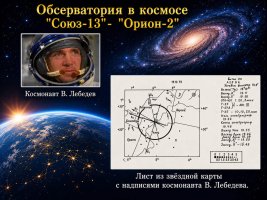
«Орион-2» — специализированный астрономический эксперимент, успех которого в большой степени зависел от того, насколько полно проведена подготовка космонавтов к его осуществлению.
В связи с этим за несколько месяцев до запуска корабля «Союз-13» была начата подготовка экипажа (командира корабля и бортинженера) к натурной работе с «Орионом-2». При этом, хотя обязанности членов экипажа при штатной работе на орбите отличаются, оба они прошли один и тот же курс подготовки по следующей программе:
Занятия по ознакомлению с устройством и принципом работы научной аппаратуры и управлению работой самой обсерватории.
Прослушивание цикла лекций по астрономии, информации о целях и задачах подготавливаемого эксперимента и об ожидаемых результатах.
Отработка элементов по управлению обсерваторией в условиях космического полета на специальном тренажере, имитирующем штатную работу обсерватории.
Изучение звездного неба в планетарии и полевых условиях (в Бюраканской астрофизической обсерватории АН Армянской ССР), а также распознавание отдельных звезд (опорных) в ограниченном поле зрения через визир «Ориона-2».
Завершающий этап подготовки космонавтов — выбор экипажа на основании сдачи космонавтами экзамена по полному курсу управления и работы с обсерваторией «Орион-2».

(космонавт В. Лебедев). На фото: Космонавт Валентин Лебедев.
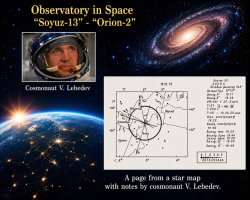
“Orion-2” was a specialized astronomical experiment whose success depended to a great extent on how thoroughly the cosmonauts had been prepared to carry it out.


For this reason, several months before the launch of the “Soyuz-13” spacecraft, preparations began to train the crew (the spacecraft commander and the flight engineer) for actual work with “Orion-2”. Although the duties of the crew members during normal orbital operations were different, both underwent the same training program, which included:

• Classes introducing them to the design and operating principles of the scientific equipment and to the operation of the observatory itself.

• A series of lectures on astronomy, as well as information about the aims and objectives of the experiment being prepared and the expected results.

• Training in operating the observatory under spaceflight conditions using a special simulator reproducing the normal operation of the observatory.

• Studying the starry sky in a planetarium and under field conditions (at the Byurakan Astrophysical Observatory of the Academy of Sciences of the Armenian SSR), as well as learning to identify individual reference stars within the limited field of view through the “Orion-2” sight.

The final stage of the cosmonauts’ training was the selection of the crew based on their successful completion of an examination covering the full course of operating and working with the “Orion-2” observatory.


(Cosmonaut V. Lebedev).In the photo: Cosmonaut Valentin Lebedev.
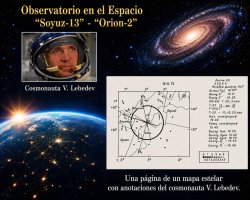
«Orion-2» fue un experimento astronómico especializado cuyo éxito dependía en gran medida de la preparación de los cosmonautas para llevarlo a cabo.


Por este motivo, varios meses antes del lanzamiento de la nave espacial «Soyuz-13», comenzó la preparación de la tripulación (el comandante de la nave y el ingeniero de vuelo) para realizar trabajos prácticos con «Orion-2». Aunque las funciones de los miembros de la tripulación durante las operaciones orbitales normales eran diferentes, ambos realizaron el mismo programa de preparación, que incluía:

• Clases de introducción al diseño y los principios de funcionamiento de los equipos científicos, así como al manejo de la propia estación astronómica.

• Un ciclo de conferencias sobre astronomía, información sobre los objetivos y las tareas del experimento que se estaba preparando y sobre los resultados esperados.

• Entrenamiento de los procedimientos de manejo de la estación en condiciones de vuelo espacial mediante un simulador especial que reproducía el funcionamiento normal de la estación.

• Estudio del cielo estrellado en un planetario y en condiciones de campo (en el Observatorio Astrofísico de Byurakan de la Academia de Ciencias de la República Socialista Soviética de Armenia), así como aprendizaje de la identificación de determinadas estrellas de referencia dentro del campo de visión limitado a través del visor de «Orion-2».

La etapa final de la preparación de los cosmonautas consistió en seleccionar la tripulación sobre la base de los resultados de un examen que abarcaba el curso completo de manejo y funcionamiento del observatorio «Orion-2». (Cosmonauta V. Lebedev).

En la foto: el cosmonauta Valentin Lebedev.
Clipboard 08 16 2026 04
 

MuscleMecca Crew

Mecca Staff
Frimen1917

Frimen1917

Mecca V.I.P.
VIP
Joined
Jan 9, 2026
Messages
3,161
Points
63
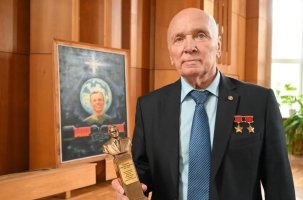
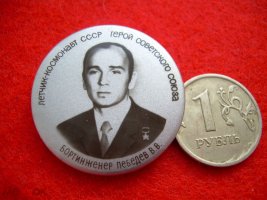
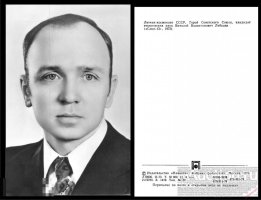
Участники эксперимента ОБСЕРВАТОРИЯ В КОСМОСЕ "СОЮЗ-13"-"ОРИОН-2". КОСМОНАВТ ВАЛЕНТИН ЛЕБЕДЕВ.
Валенти́н Вита́льевич Ле́бедев (род. 14 апреля 1942, Москва) — советский космонавт и учёный. Дважды Герой Советского Союза. Член-корреспондент РАН.
В 1959 году после окончания средней школы № 4 города Наро-Фоминска поступил в Оренбургское авиационное училище. В 1960 году в связи с сокращением Вооружённых Сил училище расформировали, и Лебедев поступил на факультет летательных аппаратов Московского авиационного института имени С. Орджоникидзе. Параллельно с учёбой освоил профессию лётчика: начал с планеров КАИ-12, потом — поршневые самолёты Як-18, затем реактивный Л-29 и вертолёт Ми-1. После окончания института в 1966 году Лебедев добился направления на работу в знаменитое Центральное конструкторское бюро экспериментального машиностроения, возглавляемое С. П. Королёвым (с 1979 года — Головное конструкторское бюро НПО «Энергия»), где работал инженером, старшим инженером, старшим научным сотрудником.

В 1967 году в качестве технического представителя головного предприятия ракетно-космической отрасли участвовал в экспедиции на кораблях 8-й поисковой эскадры Военно-Морского Флота СССР в акваторию Индийского океана для поиска и технического обслуживания космических аппаратов «Зонд» по лунной программе «Л-1». В 1968 году был руководителем группы специалистов в Индии, обеспечивая техническое обслуживание космической станции «Зонд-5», облетевшей Луну и впервые доставившей материалы съёмки на Землю.

Работая в испытательном комплексе, занимался отработкой средств спасения экипажей кораблей «Союз» после посадки на сушу и на воду, участвовал в подготовке к лётно-конструкторским испытаниям кораблей «Союз», «Союз Т», «Прогресс» и орбитальных станций «Салют-4, −5, −6», руководил на Байконуре оперативно-технической группой управления на участке их выведения. В качестве инструктора-методиста готовил на комплексном тренажёре в ЦПК экипажи кораблей «Союз-4»—«Союз-9» и экипаж первой орбитальной станции «Салют-1», разрабатывал бортовую документацию по управлению кораблём и орбитальной станцией, методики ручного и автоматического сближения и стыковки космического корабля, выполнения научных экспериментов и исследований.

В 1972 году учился в школе лётчиков-испытателей Министерства Авиационной Промышленности СССР, но в связи с зачислением в отряд космонавтов (решение Государственной межведомственной комиссии и Приказ Министерства Общего Машиностроения № 88 от 22 марта 1972 г.) был отозван на подготовку к космическому полёту. В 1973 году, будучи дублёром, вместе с П. Климуком, по результатам подготовки к полёту решением Госкомиссии были назначены основным экипажем, сумев преодолеть сложившийся тогда подход к праву на полёт не по заранее определённой руководством очерёдности, а по знаниям и слаженности работы в экипаже и с персоналом центра управления. За успешное выполнение программы научных исследований на корабле «Союз-13» с системой телескопов «Орион-2» Лебедеву были присвоены звания «Летчик-космонавт СССР» и «Герой Советского Союза».
После завершения полёта продолжал работать в НПО «Энергия» на должности инструктора-космонавта-испытателя 3 класса. В 1974 году защитил диссертацию на соискание учёной степени кандидата технических наук по теме: «Методы построения единого комплекса технических средств для подготовки экипажей космических кораблей и отработки компоновки корабля», в которой обосновал необходимость создания стенда-полигона с использованием унифицированных имитаторов внешней обстановки (звездное небо, трассы полёта, сближения и стыковки и т. д.) для приобретения экипажами навыков управления в условиях, максимально приближенных к реальным, и предложил научно-технические решения, которые нашли практическое воплощение.

В 1982 году на космическом комплексе «Союз Т-5»-«Салют-7»-«Прогресс» совершил рекордный, в то время, по длительности 211-суточный космический полёт с А. Березовым. За время полёта выполнил обширную программу научно-исследовательских и прикладных экспериментов. Выходил в открытый космос и пробыл там свыше двух часов. За успешное выполнение полёта и достигнутые результаты был награждён вторым орденом Ленина и Золотой медалью «Героя Советского Союза» с присвоением звания инструктор-космонавт-испытатель 1 класса.

Во время двух космических полётов В. В. Лебедевым выполнено более 300 научных экспериментов и исследований в разных областях науки, часть которых является уникальными. Определены характеристики состава атмосферы вокруг станции, измерено поле виброускорений внутри орбитального комплекса, отработаны методы получения сверхчистых биологических материалов, впервые растение «арабидопсис» в условиях космоса прошло полный цикл развития.

С 1983 года проходил подготовку в группе космонавтов в качестве бортинженера по программе «Буран». В 1985 году, продолжая работать в НПО «Энергия», защитил в Московском Авиационном Институте (МАИ) докторскую диссертацию на тему «Методы повышения эффективности научных исследований на орбитальных станциях», в которой впервые выполнил анализ деятельности космонавта в сложной технической среде, оптимизировал структуру бортового комплекса научной аппаратуры и автономных средств управления станцией как систему, обеспечивающую выполнение широкого круга астрофизических и природно-ресурсных исследований с минимальными затратами топлива. Предложил и обосновал целесообразность размещения съёмочной аппаратуры на автономной платформе с внешней стороны станции, что позволяет освободить экипаж от выполнения множества рутинных операций. Участие в космических исследованиях и полученные результаты определили круг его научных интересов, включающий навигацию, астрофизику, физику земной атмосферы, космическое землеведение, геологию. В каждую из этих областей знаний он внёс творческий вклад.

За работу по советско-французской космической программе на Орбитальной Станции(ОС) «Салют-7» награждён орденом офицера Почётного легиона (Франция). Будучи уже космонавтом, в течение нескольких лет с 1975 года, во время своих отпусков, работал на строительстве Байкало-Амурской магистрали в качестве командира студенческого отряда МАИ, за что в 1985 году награждён медалью «За строительство БАМа». В 1984 году за достижения в области космических исследований награждён Золотой медалью К. Э. Циолковского Академии наук СССР.

С 1989 года работал заместителем директора Института географии Академии Наук СССР по научной работе, исполняя также обязанность руководителя Геоинформационного центра при том же институте. В 1991 году, после преобразования Геоинформационного центра в самостоятельную организацию — Научный геоинформационный центр, продолжил работу директора в этой организации. Под его руководством разработана концепция создания и принципы построения региональных геоинформационных комплексов как ядра формирования геоинформационной сети страны (создана теория, математические средства и основные программные модули, позволившие выполнить ряд крупных тематических проектов). Этим он заложил фундамент научной школы в прикладной космонавтике. В 2000 году первым из космонавтов избран член-корреспондентом Российской академии наук.
Participants in the Soyuz-13-Orion-2 Space Observatory experiment. Cosmonaut Valentin Lebedev.

Valentin Vitalyevich Lebedev (born April 14, 1942, Moscow) is a Soviet cosmonaut and scientist. He was twice awarded the title of Hero of the Soviet Union and a Corresponding Member of the Russian Academy of Sciences.
In 1959, after graduating from Secondary School No. 4 in the city of Naro-Fominsk, he entered the Orenburg Aviation School. In 1960, due to a reduction in the Armed Forces, the school was disbanded, and Lebedev entered the Aircraft Engineering Faculty of the Moscow Aviation Institute named after S. Ordzhonikidze. Alongside his studies, he mastered the profession of a pilot: he began with KAI-12 gliders, then flew Yak-18 piston aircraft, followed by the L-29 jet aircraft and the Mi-1 helicopter. After graduating from the institute in 1966, Lebedev secured an assignment to work at the famous Central Design Bureau of Experimental Machine Building, headed by S. P. Korolev (since 1979, the Main Design Bureau of the NPO Energia), where he worked as an engineer, senior engineer, and senior research fellow.

In 1967, as a technical representative of the leading enterprise of the rocket and space industry, he took part in an expedition aboard ships of the 8th Search Squadron of the USSR Navy to the Indian Ocean to search for and provide technical maintenance for Zond spacecraft as part of the L-1 lunar program. In 1968, he headed a group of specialists in India, providing technical maintenance for the Zond-5 spacecraft, which flew around the Moon and, for the first time, delivered photographic materials back to Earth.

While working at the testing complex, he was involved in developing methods for rescuing the crews of Soyuz spacecraft after landing on land and in water. He participated in preparations for flight and design tests of the Soyuz, Soyuz T and Progress spacecraft and the Salyut-4, Salyut-5 and Salyut-6 orbital stations, and at Baikonur he headed the operational and technical control group during their launch phase. As an instructor-methodologist, he trained the crews of Soyuz-4 through Soyuz-9 spacecraft and the crew of the first orbital station, Salyut-1, on a full-scale simulator at the Cosmonaut Training Center. He developed onboard documentation for controlling spacecraft and orbital stations, as well as procedures for manual and automatic rendezvous and docking, conducting scientific experiments and carrying out research.

In 1972, he studied at the Test Pilot School of the Ministry of Aviation Industry of the USSR, but after being selected for the cosmonaut corps (by decision of the State Interdepartmental Commission and Order No. 88 of the Ministry of General Machine Building dated March 22, 1972), he was recalled for preparation for a spaceflight. In 1973, while serving as a backup crew member together with P. Klimuk, they were appointed the prime crew on the basis of their training results by a decision of the State Commission. They succeeded in overcoming the approach that had prevailed at the time, under which the right to fly was determined not by a predetermined order established by the leadership, but by knowledge and the ability to work effectively as a crew and in cooperation with the mission control personnel. For the successful completion of the scientific research program aboard Soyuz-13 with the Orion-2 telescope system, Lebedev was awarded the titles of “Pilot-Cosmonaut of the USSR” and “Hero of the Soviet Union.”

After completing the flight, he continued working at NPO Energia as a third-class test cosmonaut instructor. In 1974, he defended his dissertation for the degree of Candidate of Technical Sciences on the subject “Methods for Developing an Integrated Complex of Technical Facilities for Training Spacecraft Crews and Testing Spacecraft Configuration.” In it, he substantiated the need to create a training ground using standardized simulators of the external environment (the starry sky, flight paths, rendezvous and docking scenarios, etc.) so that crews could acquire control skills under conditions as close as possible to real ones. He also proposed scientific and technical solutions that were subsequently put into practice.

In 1982, aboard the Soyuz T-5–Salyut-7–Progress space complex, he completed a record-setting spaceflight for that time, lasting 211 days, together with A. Berezovoy. During the flight, he carried out an extensive program of scientific research and applied experiments. He performed a spacewalk and spent more than two hours outside the spacecraft. For the successful completion of the mission and the results achieved, he was awarded a second Order of Lenin and the Gold Star Medal of the Hero of the Soviet Union, and was promoted to first-class test cosmonaut instructor.

During his two spaceflights, V. V. Lebedev conducted more than 300 scientific experiments and research studies in various fields of science, some of which were unique. The characteristics of the atmospheric composition around the station were determined, the vibration acceleration field inside the orbital complex was measured, methods for obtaining ultra-pure biological materials were developed, and for the first time the Arabidopsis plant completed its entire life cycle under spaceflight conditions.

Since 1983, he underwent training in a group of cosmonauts as a flight engineer for the Buran program. In 1985, while continuing to work at NPO Energia, he defended his doctoral dissertation at the Moscow Aviation Institute (MAI) on the subject “Methods for Increasing the Efficiency of Scientific Research on Orbital Stations.” In this work, he was the first to analyze the activities of a cosmonaut operating in a complex technical environment, optimize the structure of the onboard scientific equipment complex and autonomous station-control systems as an integrated system capable of supporting a wide range of astrophysical and natural-resource research with minimal fuel expenditure. He proposed and substantiated the feasibility of placing imaging equipment on an autonomous platform outside the station, thereby freeing the crew from carrying out numerous routine operations. His participation in space research and the results obtained determined the scope of his scientific interests, which included navigation, astrophysics, the physics of Earth's atmosphere, space-based Earth studies, and geology. He made creative contributions to each of these fields of knowledge.

For his work on the Soviet-French space program aboard the Salyut-7 Orbital Station (OS), he was awarded the rank of Officer of the Legion of Honour of France. While already a cosmonaut, for several years beginning in 1975, during his vacations, he worked on the construction of the Baikal-Amur Mainline (BAM) as commander of a student construction team from MAI. For this work, he was awarded the Medal “For the Construction of BAM” in 1985. In 1984, for his achievements in the field of space research, he was awarded the Gold Medal of K. E. Tsiolkovsky by the Academy of Sciences of the USSR.

Since 1989, he worked as Deputy Director for Research at the Institute of Geography of the Academy of Sciences of the USSR, while also serving as head of the Geoinformation Center at the same institute. In 1991 after the Geoinformation Center was transformed into an independent organization — the Scientific Geoinformation Center — he continued working there as its director. Under his leadership, the concept and principles for developing regional geoinformation complexes as the core of a national geoinformation network were developed. This work included the creation of the theoretical foundations, mathematical tools, and principal software modules that made it possible to carry out a number of major thematic projects. In this way, he laid the foundation for a scientific school in applied astronautics. In 2000, he became the first cosmonaut to be elected a corresponding member of the Russian Academy of Sciences.
Clipboard 08 16 2026 05
 
Frimen1917

Frimen1917

Mecca V.I.P.
VIP
Joined
Jan 9, 2026
Messages
3,161
Points
63
Participantes en el experimento del Observatorio Espacial Soyuz-13-Orion-2. Cosmonauta Valentín Lebedev.

Valentín Vitalyevich Lebedev (nacido el 14 de abril de 1942 en Moscú) es un cosmonauta y científico soviético. Fue condecorado dos veces con el título de Héroe de la Unión Soviética y es Miembro Correspondiente de la Academia Rusa de Ciencias.
En 1959, después de terminar la Escuela Secundaria Nº 4 de la ciudad de Naro-Fominsk, ingresó en la Escuela de Aviación de Oremburgo. En 1960, debido a la reducción de las Fuerzas Armadas, la escuela fue disuelta y Lebedev ingresó en la Facultad de Aeronaves del Instituto de Aviación de Moscú, que llevaba el nombre de S. Ordzhonikidze. Paralelamente a sus estudios, adquirió la profesión de piloto: comenzó con los planeadores KAI-12, después pasó a los aviones de pistón Yak-18, luego al avión a reacción L-29 y al helicóptero Mi-1. Después de graduarse del instituto en 1966, Lebedev consiguió ser destinado al famoso Buró Central de Diseño de Construcción Mecánica Experimental, dirigido por S. P. Korolev (desde 1979, Buró Principal de Diseño de la NPO Energia), donde trabajó como ingeniero, ingeniero principal e investigador científico principal.

En 1967, como representante técnico de la empresa principal de la industria coheteril y espacial, participó en una expedición a bordo de buques de la 8.ª Escuadra de Búsqueda de la Armada de la URSS al océano Índico, destinada a buscar y realizar el mantenimiento técnico de las naves espaciales Zond dentro del programa lunar L-1. En 1968, dirigió en la India un grupo de especialistas encargado del mantenimiento técnico de la nave espacial Zond-5, que sobrevoló la Luna y, por primera vez, llevó materiales fotográficos de regreso a la Tierra.

Mientras trabajaba en el complejo de pruebas, participó en el desarrollo de procedimientos para el rescate de las tripulaciones de las naves Soyuz después de aterrizar en tierra y amerizar en el agua. Participó en la preparación de las pruebas de vuelo y de diseño de las naves Soyuz, Soyuz T y Progress, así como de las estaciones orbitales Salyut-4, Salyut-5 y Salyut-6. En Baikonur dirigió el grupo operativo-técnico de control durante la fase de lanzamiento de estas naves y estaciones. Como instructor-metodólogo, entrenó en un simulador integral del Centro de Preparación de Cosmonautas a las tripulaciones de las naves Soyuz-4 a Soyuz-9 y a la tripulación de la primera estación orbital, Salyut-1. Elaboró documentación de a bordo para el control de las naves y estaciones orbitales, así como procedimientos para el encuentro y acoplamiento manual y automático de las naves espaciales, la realización de experimentos científicos y las investigaciones.

En 1972, estudió en la Escuela de Pilotos de Prueba del Ministerio de la Industria de Aviación de la URSS, pero, tras ser seleccionado para el cuerpo de cosmonautas (por decisión de la Comisión Estatal Interdepartamental y mediante la Orden Nº 88 del Ministerio de Construcción General de Maquinaria, de fecha 22 de marzo de 1972), fue llamado a incorporarse a la preparación para un vuelo espacial. En 1973, mientras era miembro de la tripulación de reserva junto con P. Klimuk, ambos fueron designados como tripulación principal por decisión de la Comisión Estatal, basándose en los resultados de su preparación para el vuelo. De este modo lograron superar el criterio que predominaba entonces, según el cual el derecho a realizar un vuelo se determinaba no por un orden previamente establecido por la dirección, sino por los conocimientos y la capacidad de trabajar de manera coordinada dentro de la tripulación y con el personal del centro de control de la misión. Por la exitosa realización del programa de investigaciones científicas a bordo de la Soyuz-13 con el sistema de telescopios Orion-2, Lebedev recibió los títulos de «Piloto-Cosmonauta de la URSS» y «Héroe de la Unión Soviética».

Después de finalizar el vuelo, continuó trabajando en la NPO Energia como instructor-cosmonauta de pruebas de tercera clase. En 1974 defendió su tesis para obtener el grado de Candidato en Ciencias Técnicas sobre el tema «Métodos para la creación de un complejo unificado de medios técnicos para la preparación de las tripulaciones de naves espaciales y la elaboración de la configuración de la nave». En ella fundamentó la necesidad de crear un campo de entrenamiento equipado con simuladores unificados del entorno exterior (el cielo estrellado, las trayectorias de vuelo, las maniobras de encuentro y acoplamiento, etc.) para que las tripulaciones adquirieran habilidades de control en condiciones lo más próximas posible a las reales. También propuso soluciones científico-técnicas que posteriormente tuvieron aplicación práctica.

En 1982, a bordo del complejo espacial Soyuz T-5–Salyut-7–Progress, realizó junto con A. Berezovoy un vuelo espacial de 211 días de duración, que en aquel momento constituyó un récord. Durante el vuelo llevó a cabo un amplio programa de investigaciones científicas y experimentos aplicados. Realizó una salida al espacio exterior y permaneció allí durante más de dos horas. Por la exitosa realización de la misión y los resultados obtenidos, recibió una segunda Orden de Lenin y la Medalla de Oro de Héroe de la Unión Soviética, y obtuvo la categoría de instructor-cosmonauta de pruebas de primera clase.

Durante sus dos vuelos espaciales, V. V. Lebedev realizó más de 300 experimentos e investigaciones científicas en diferentes campos de la ciencia, algunos de ellos de carácter único. Se determinaron las características de la composición de la atmósfera alrededor de la estación, se midió el campo de aceleraciones vibratorias en el interior del complejo orbital, se desarrollaron métodos para obtener materiales biológicos ultrapuros y, por primera vez, la planta Arabidopsis completó su ciclo completo de desarrollo en condiciones espaciales.

Desde 1983, recibió preparación en un grupo de cosmonautas como ingeniero de vuelo para el programa Buran. En 1985, mientras continuaba trabajando en la NPO Energia, defendió en el Instituto de Aviación de Moscú (MAI) su tesis doctoral sobre el tema «Métodos para aumentar la eficacia de las investigaciones científicas en las estaciones orbitales». En ella realizó por primera vez un análisis de la actividad de un cosmonauta en un entorno técnico complejo, optimizó la estructura del complejo de equipos científicos de a bordo y de los sistemas autónomos de control de la estación como un sistema capaz de garantizar la realización de un amplio conjunto de investigaciones astrofísicas y de recursos naturales con un gasto mínimo de combustible. Propuso y fundamentó la conveniencia de instalar equipos de observación en una plataforma autónoma situada en el exterior de la estación, lo que permitiría liberar a la tripulación de numerosas operaciones rutinarias. Su participación en las investigaciones espaciales y los resultados obtenidos determinaron el ámbito de sus intereses científicos, que incluía la navegación, la astrofísica, la física de la atmósfera terrestre, el estudio de la Tierra desde el espacio y la geología. Realizó aportaciones creativas a cada uno de estos campos del conocimiento.

Por su trabajo en el programa espacial soviético-francés a bordo de la Estación Orbital (EO) Salyut-7, fue nombrado Oficial de la Legión de Honor de Francia. Siendo ya cosmonauta, durante varios años desde 1975, aprovechando sus períodos de vacaciones, trabajó en la construcción de la línea principal Baikal-Amur (BAM) como comandante de un destacamento estudiantil del MAI. Por este trabajo recibió en 1985 la Medalla «Por la construcción de la BAM». En 1984, por sus logros en el campo de la investigación espacial, recibió la Medalla de Oro de K. E. Tsiolkovsky de la Academia de Ciencias de la URSS.


Desde 1989 trabajó como subdirector de investigación del Instituto de Geografía de la Academia de Ciencias de la URSS y, al mismo tiempo, ejerció como director del Centro de Geoinformación del mismo instituto. En 1991, después de que el Centro de Geoinformación se transformara en una organización independiente —el Centro Científico de Geoinformación—, continuó trabajando allí como director. Bajo su dirección se desarrollaron el concepto y los principios para la creación de complejos regionales de geoinformación como núcleo de una red nacional de geoinformación. Se crearon los fundamentos teóricos, las herramientas matemáticas y los principales módulos de software que permitieron realizar varios grandes proyectos temáticos. De este modo, sentó las bases de una escuela científica en el ámbito de la astronáutica aplicada. En 2000, se convirtió en el primer cosmonauta elegido miembro correspondiente de la Academia de Ciencias de Rusia.
Clipboard 08 16 2026 05
 
Frimen1917

Frimen1917

Mecca V.I.P.
VIP
Joined
Jan 9, 2026
Messages
3,161
Points
63
Космонавт Валентин Лебедев является почётным гражданином многих городов России и стран СНГ, а также города Форт-Уэрт (США). По предложению НАСА избран почётным гражданином штата Техас (США). Занесён в международную «Книгу рекордов Гиннесса» (1984, с.79). В его честь малой планете, зарегистрированной в международном каталоге под № 10015 = 1978 SA5, по решению Международного Астрономического Союза присвоено имя ValenLebedev (Minor Planet Circular № 60298, 2007 July 30). Бронзовый бюст установлен в Москве на Аллее космонавтов.

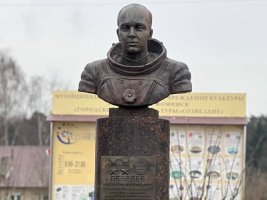
В Наро-Фоминске, где он является почетным гражданином города, в 2016 году установлен бронзовый бюст. Постановлением губернатора Московской области А. Ю. Воробьёва № 576-ПГ от 21.12.2020 г. Наро-Фоминской школе № 9, где он учился с 1 по 8 класс, присвоено его имя.
Cosmonaut Valentin Lebedev is an honorary citizen of many cities in Russia and the CIS, as well as the city of Fort Worth (USA). At the suggestion of NASA, he was elected an honorary citizen of the state of Texas (USA). He is listed in the Guinness Book of World Records (1984, p. 79). In his honor, a minor planet, registered in the international catalog under No. 10015 = 1978 SA5, was named ValenLebedev by the International Astronomical Union (Minor Planet Circular No. 60298, July 30, 2007). A bronze bust of him was erected in Moscow on Cosmonaut Alley.


In Naro-Fominsk, where he is an honorary citizen of the city, a bronze bust was unveiled in 2016. By Decree No. 576-PG of the Governor of the Moscow Region A. Yu. Vorobyov dated December 21, 2020, Naro-Fominsk School No. 9, where he studied from grades 1 to 8, was named after him.
El cosmonauta Valentin Lebedev es ciudadano honorario de numerosas ciudades de Rusia y la CEI, así como de Fort Worth (EE. UU.). A sugerencia de la NASA, fue elegido ciudadano honorario del estado de Texas (EE. UU.). Figura en el Libro Guinness de los Récords (1984, pág. 79). En su honor, un planeta menor, registrado en el catálogo internacional con el número 10015 = 1978 SA5, fue bautizado como ValenLebedev por la Unión Astronómica Internacional (Circular sobre Planetas Menores n.º 60298, 30 de julio de 2007). Se erigió un busto de bronce en su honor en Moscú, en la Avenida de los Cosmonautas.


En Naro-Fominsk, ciudad de la que también es ciudadano honorario, se inauguró otro busto de bronce en 2016. Por Decreto n.º 576-PG del Gobernador de la Región de Moscú, A. Yu. El 21 de diciembre de 2020, la escuela número 9 de Naro-Fominsk, donde estudió desde el primer grado hasta el octavo, recibió su nombre en su honor.
MK5qV1MkpBv3Ag8D4fur4fkqdFX56wEZHuSqDH2Q
 
Frimen1917

Frimen1917

Mecca V.I.P.
VIP
Joined
Jan 9, 2026
Messages
3,161
Points
63

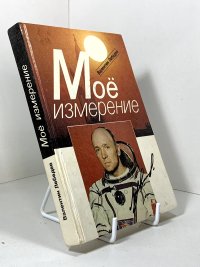
Лебедев. В.В. "Моё измерение" Дневник космонавта. Москва. Издательство "Наука".1994.

«Моё измерение» — это уникальный бортовой дневник советского космонавта Валентина Витальевича Лебедева, написанный во время его рекордной на тот момент 211-суточной экспедиции на станции «Салют-7» в 1982 году.
Книга считается одним из самых откровенных и психологически глубоких произведений о космосе.
Lebedev. V.V. "My Dimension." A Cosmonaut's Diary. Moscow. Nauka Publishing House. 1994.

"My Dimension" is a unique onboard diary by Soviet cosmonaut Valentin Vitalyevich Lebedev, written during his then-record-breaking 211-day expedition aboard the Salyut 7 space station in 1982.
The book is considered one of the most candid and psychologically profound works about space.
Lebedev, V.V. «Mi dimensión». Diario de un cosmonauta. Moscú. Editorial Nauka. 1994.

«Mi dimensión» es un singular diario de a bordo del cosmonauta soviético Valentín Vitalyevich Lebedev, escrito durante su expedición de 211 días a bordo de la estación espacial Salyut 7 en 1982, un récord en aquel entonces.
El libro está considerado como una de las obras más sinceras y de mayor profundidad psicológica sobre el espacio.

https://www.klex.ru/2qrz
7654766080
 
Frimen1917

Frimen1917

Mecca V.I.P.
VIP
Joined
Jan 9, 2026
Messages
3,161
Points
63
"Вступив в третье тысячелетие, мы располагаем огромными возможностями в связи с интенсивным освоением космоса и новой информацией, проникающей во все сферы нашей жизни. В то же время продолжаем оперировать привычными земными представлениями о своем будущем, которых явно недостаточно и, возможно, они даже ошибочны. Расширяющаяся среда обитания требует от нас развития планетарного сознания не скованного рамками географических и политических границ, когда не научные и технические достижения, а, прежде всего, духовные устремления в выборе цели должны определять наше будущее.
Цивилизация и техника ограничивают тесный контакт с природой, подменяя непосредственные ощущения и переживания искусственным миром, который нам навязывают средства информации. Этот мир в погоне за прогрессом не требует осмысления причин и следствий. При этом наш внутренний мир, сжимаясь, все меньше требует обращения к нему, т. к. нарушаются связи личности с обществом. Это ведет к вырождению и общественных отношений, и к деградации личности. Наши далекие предки смогли выжить, научившись гармонично взаимодействовать с природой и друг с другом. Человек в современном мире, достигнув больших интеллектуальных высот и связанных с этим технологических возможностей, считает, что может выживать изолированно. Нужно отдавать себе отчет, что это цивилизованное одичание хуже первобытной дикости и неминуемо приведет к подмене Человека искусственными биосуществами-клонами. Мы сами роем себе яму, становясь придатком к технике, исключая себя как носителя живого интеллекта. Только сохранение внутреннего мира способно зажечь нас, подняв планку духовных устремлений.
Достижения космонавтики предполагают выход человечества на новый уровень развития, а это формирование еще одного пласта культуры как истории зарождения идей и их воплощения. Это не только история науки и техники, но и человека, который в корне изменив мир, дал толчок развитию новых направлений в науке, в технологиях и оказался перед лицом новых требований к самому себе. Культура производства, сверхчистые цеха, наукоемкие технологии, сознание ответственного отношения к работе, необходимость совершенствования в образовании, новые специальности — космонавтика стала областью притяжения для людей с искрой Божьей и сформировала свою среду. Но за ее пределами мало что изменилось, несмотря на то, что плоды освоения космоса стали доступны миллионам людей. Массовая культура и массовое сознание изменились ли? Кажется во многом, а когда подумаешь, в чем именно, трудно ответить. Расширились ли наши возможности и кругозор, — да, несомненно; сделались ли мы богаче духовно, добрее, терпимее, изменилось ли наше сознание, — нет.

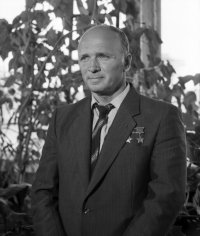
Мир космонавтики с момента рождения стал заполнять нашу жизнь и находить в ней отражение: создавались песни, музыка, кинофильмы, но не проник в нашу жизнь — вроде бы вокруг, рядом, а не захватил в мироощущении, чтобы стать фундаментом. Причин этому не одна, главная в том, что во власть шагнули люди, которые не вызрели на решениях крупных, масштабных задач, поэтому им недоступно охватить все стороны жизнедеятельности общества, а следовательно они не могут подняться до осознания уровня идей космонавтики и выстроить стратегию ее развития, а на месте подвижников, творцов оказались те, кто эксплуатирует ее возможности на грани выживания".(В.Лебедев. "О РАЗВИТИИ ПЛАНЕТАРНО-КОСМИЧЕСКОГО МЫШЛЕНИЯ"). На фото: космонавт Валентин Лебедев. 1987. город Якутск. автор фото В. С. Мержевич.
Having entered the third millennium, we possess enormous opportunities thanks to the intensive exploration of space and the new information penetrating every sphere of our lives. At the same time, we continue to operate with familiar Earth-bound ideas about our future, which are clearly insufficient and may even be mistaken. An expanding habitat requires us to develop a planetary consciousness that is not constrained by geographical or political boundaries, where it is not scientific and technological achievements but, above all, spiritual aspirations in the choice of our goals that should determine our future.


Civilization and technology limit our close contact with nature, replacing direct sensations and experiences with an artificial world imposed on us by the mass media. In its pursuit of progress, this world does not require us to reflect on causes and consequences. At the same time, as our inner world contracts, we feel less and less need to turn to it, because the connections between the individual and society are being disrupted. This leads to the degeneration of social relations and to the degradation of the individual. Our distant ancestors were able to survive by learning to interact harmoniously with nature and with one another. Modern human beings, having reached great intellectual heights and the technological possibilities associated with them, believe that they can survive in isolation. We must recognize that this civilized descent into savagery is worse than primitive wilderness and will inevitably lead to the replacement of Human Beings by artificial biological clone-like entities. We are digging our own grave, becoming an appendage to technology and excluding ourselves as bearers of living intelligence. Only the preservation of our inner world is capable of inspiring us and raising the bar of our spiritual aspirations.

The achievements of space exploration imply humanity's transition to a new level of development, and this means the formation of another layer of culture as the history of the birth of ideas and their realization. This is not only the history of science and technology, but also the history of human beings who, having fundamentally changed the world, gave impetus to the development of new directions in science and technology and found themselves faced with new demands placed upon themselves. A culture of production, ultra-clean facilities, knowledge-intensive technologies, an awareness of responsible attitudes toward work, the need for continuous improvement through education, new professions — space exploration became a field of attraction for people with a spark of God within them and formed its own environment. Yet beyond its boundaries, little has changed, despite the fact that the fruits of space exploration have become accessible to millions of people. Have mass culture and mass consciousness changed? It seems that they have changed in many ways, but when one tries to determine exactly how, it is difficult to answer. Have our capabilities and horizons expanded? Yes, undoubtedly. Have we become spiritually richer, kinder, more tolerant, has our consciousness changed? No.

The world of space exploration began to fill our lives from the very moment of its birth and found its reflection in them: songs, music and films were created, but it did not truly penetrate our lives — it seems to be all around us, close at hand, yet it did not take hold of our worldview deeply enough to become its foundation. There is more than one reason for this, but the main one is that people who had not matured through solving large-scale, major problems came to power. Therefore, they are unable to encompass all aspects of society's life and functioning; consequently, they cannot rise to an understanding of the level of ideas embodied in space exploration and build a strategy for its development. In place of enthusiasts and creators came those who exploit its possibilities merely at the edge of survival.

(V. Lebedev. "On the Development of Planetary-Space Thinking")

Photo: Cosmonaut Valentin Lebedev. 1987, Yakutsk. Photograph by V. S. Merzhevich.
Al entrar en el tercer milenio, disponemos de enormes posibilidades gracias a la intensa exploración del espacio y a la nueva información que penetra en todos los ámbitos de nuestra vida. Al mismo tiempo, seguimos manejándonos con las habituales ideas terrestres sobre nuestro futuro, que son claramente insuficientes y quizá incluso erróneas. La expansión del entorno habitable exige que desarrollemos una conciencia planetaria que no esté limitada por fronteras geográficas ni políticas, en la que no sean los logros científicos y tecnológicos sino, ante todo, las aspiraciones espirituales a la hora de elegir nuestros objetivos las que determinen nuestro futuro.


La civilización y la tecnología limitan nuestro contacto estrecho con la naturaleza, sustituyendo las sensaciones y experiencias directas por un mundo artificial que nos imponen los medios de comunicación. En su búsqueda del progreso, este mundo no exige que reflexionemos sobre las causas y las consecuencias. Al mismo tiempo, a medida que nuestro mundo interior se contrae, sentimos cada vez menos necesidad de recurrir a él, porque se están debilitando los vínculos entre el individuo y la sociedad. Esto conduce tanto a la degeneración de las relaciones sociales como a la degradación del individuo. Nuestros antepasados lejanos lograron sobrevivir aprendiendo a interactuar armoniosamente con la naturaleza y entre ellos. El ser humano moderno, después de alcanzar grandes alturas intelectuales y las posibilidades tecnológicas asociadas a ellas, cree que puede sobrevivir de forma aislada. Debemos ser conscientes de que esta barbarización civilizada es peor que la barbarie primitiva y conducirá inevitablemente a la sustitución del Ser Humano por seres biológicos artificiales semejantes a clones. Nosotros mismos estamos cavando nuestra propia tumba, convirtiéndonos en un apéndice de la tecnología y excluyéndonos como portadores de inteligencia viva. Solo la conservación de nuestro mundo interior puede encender en nosotros la inspiración y elevar el nivel de nuestras aspiraciones espirituales.

Los logros de la exploración espacial implican la salida de la humanidad hacia un nuevo nivel de desarrollo, y esto significa la formación de una nueva capa de cultura como historia del nacimiento de las ideas y de su realización. No se trata únicamente de la historia de la ciencia y la tecnología, sino también de la historia del ser humano que, al cambiar radicalmente el mundo, impulsó el desarrollo de nuevas áreas de la ciencia y la tecnología y se encontró ante nuevas exigencias hacia sí mismo. La cultura de la producción, las instalaciones de extrema limpieza, las tecnologías de alta intensidad científica, la conciencia de una actitud responsable hacia el trabajo, la necesidad de perfeccionarse mediante la educación, las nuevas profesiones: la exploración espacial se convirtió en un ámbito de atracción para personas con una chispa de Dios en su interior y creó su propio entorno. Sin embargo, fuera de este ámbito, poco ha cambiado, a pesar de que los frutos de la exploración espacial se han hecho accesibles a millones de personas. ¿Han cambiado la cultura de masas y la conciencia colectiva? Parece que sí, en muchos aspectos, pero cuando uno piensa en qué exactamente han cambiado, resulta difícil responder. ¿Se han ampliado nuestras posibilidades y nuestros horizontes? Sí, sin duda. ¿Nos hemos enriquecido espiritualmente, nos hemos vuelto más bondadosos y tolerantes, ha cambiado nuestra conciencia? No.

El mundo de la exploración espacial comenzó a llenar nuestras vidas desde el momento mismo de su nacimiento y encontró reflejo en ellas: se crearon canciones, música y películas, pero no penetró verdaderamente en nuestra vida; parece estar a nuestro alrededor, cerca de nosotros, pero no llegó a apoderarse de nuestra visión del mundo hasta convertirse en su fundamento. Las causas son varias, pero la principal es que llegaron al poder personas que no habían madurado afrontando grandes y complejos desafíos. Por ello, son incapaces de abarcar todos los aspectos de la vida y del funcionamiento de la sociedad y, en consecuencia, no pueden elevarse hasta comprender el nivel de las ideas de la exploración espacial ni construir una estrategia para su desarrollo. En lugar de los entusiastas y los creadores aparecieron quienes explotan sus posibilidades al límite de la supervivencia.

(V. Lebedev. "Sobre el desarrollo del pensamiento planetario-espacial")

En la fotografía: el cosmonauta Valentin Lebedev. 1987, ciudad de Yakutsk. Fotografía de V. S. Merzhevich.

Lebedev 1
 
Frimen1917

Frimen1917

Mecca V.I.P.
VIP
Joined
Jan 9, 2026
Messages
3,161
Points
63
"Часто задавал себе вопрос: где труднее — в объятиях притяжения Земли или невесомости? Все-таки прихожу к мысли, что в космосе легче, т. к. там есть четко очерченная цель твоих обязанностей и требований, на которую с тобой работает множество людей. А на Земле ты один, где тебя ожидает главное испытание, — на зрелость, — способностью и делами подтверждать высокое звание. Поэтому ты обязан ощущать среду, в которой живешь, чтобы, преодолевая ее сопротивление, завоевывая единомышленников, подниматься к достойной цели с пониманием и самооценкой своих возможностей, убеждений, полезности помыслов и деяний.
Бесстрастным судьей твоего существования на этом пути являются люди и, конечно, время. Это заставляло задумываться о своем предназначении. Ты один среди всех или ты со всеми ради общей цели, и какова она... Долго жить, быть обеспеченным, иметь семью достаточно ли этого? Почему у одних есть потребность погружаться в глубину своего существа, где целый мир, встреча с которым может испугать столкновением со своими слабостями, заставив признать их или, наоборот, вызвать желание двигаться наперекор им. Если на это способен, — сумеешь выстроить фундамент, на котором будешь развиваться как личность, не боясь труда исправлять себя, наверстывая упущенное, учиться работать, добиваться успеха. Если избегаешь этого, то обречен жить на мелководье души, и вся твоя сущность будет его отражением, убивая способность наполнять ее просторы радостью открытий своих возможностей, воспринимать зримое с отзвуком глубоко человеческого. Ведь только там, внутри себя можно прийти к согласию разума с душой, разобравшись, ради чего ты живешь. Погружение в себя — это познание души, развитие нашего сознания, реагирующего на внешнюю среду нашими поступками и решениями. Насколько ты проник в себя, настолько богаче раскрывается перед тобой картина жизни, с иными красками, впечатлениями, проявляя недоступные раньше грани и оттенки. А так, — все на инстинктах самосохранения, устранения от трудностей в безликости поверхностных желаний, в шуме мелочных забот, конъюнктурных устремлений, не углубляясь в себя, чтобы не утонуть в своей несостоятельности. В каждом из нас идет борьба двух составляющих характера — рациональной, которая хочет ограничиться уровнем достаточности и оправдания его, другая — неуемная, тянущая реализовать себя в полной мере, все время требуя подъема к очередному успеху, постоянного подтверждения уровня достигнутого. Иначе жизнь быстро уходит вперед и размывает твое соответствие времени.
Стремление утверждаться дает спокойствие и уверенность, хоть и держит тебя в напряжении. Бывает, хочется насладиться достигнутым, но проявляются контуры новой ступени, вызывая стремление взойти и на нее, ощутить трудности очередного подъема, хотя и с риском оступиться. Но остановиться страшнее, поэтому, не взирая на возраст, располагаемое благополучие, вновь устремляешься вверх. Эта лестница — бескрайняя, дающая ощущение вкуса жизни, а не прозябания на свете. А жить хочется на вдохновении, его дыхании, ведь тогда душа и обновляется, компенсируя затрату сил и энергии.

Понять себя, найти свое призвание — это процесс изнурительный, требующий огромного труда, духовного и физического напряжения, поэтому временами хочется отключиться, спрятаться от себя, но голос души говорит: это бессмысленно, — вперед, только там есть возможность передышки на полустанках достигнутого с ощущением всплеска радости, что это ты и никто более, сам со своим характером, знаниями, верой прошел отрезок пути не напрасно, а сделал полезное, получив признание окружающих в радиусе воздействия твоего ума и таланта".(Валентин Лебедев. "Не потерять себя"; фрагмент статьи написанной в 2000 году).
I often asked myself: where is it harder — in the embrace of Earth's gravity or in weightlessness? Still, I have come to the conclusion that it is easier in space, because there you have a clearly defined purpose, duties and requirements, and many people work with you toward that goal. On Earth, however, you are alone, and there you face the main test — the test of maturity — your ability to confirm, through your abilities and actions, that you are worthy of the high title you bear. Therefore, you must be aware of the environment in which you live, so that, overcoming its resistance and gaining like-minded people, you can rise toward a worthy goal with an understanding and self-assessment of your abilities, convictions, and the usefulness of your thoughts and deeds.


The impartial judges of your existence along this path are people and, of course, time. This made me reflect on my purpose. Are you alone among everyone, or are you together with everyone for a common goal — and what is that goal...? Is it enough to live a long life, to be financially secure, to have a family? Why do some people feel the need to plunge into the depths of their own being, where an entire world exists — a world whose encounter may frighten you by forcing you to confront your weaknesses, making you acknowledge them or, on the contrary, awakening the desire to move against them. If you are capable of this, you will be able to build a foundation upon which you can develop as a person, without being afraid of the effort required to correct yourself, make up for what you have missed, learn to work and achieve success. If you avoid this, you are doomed to live in the shallows of the soul, and your entire being will become its reflection, destroying your ability to fill its vast spaces with the joy of discovering your own potential, and to perceive the visible world with an echo of something deeply human. For only there, within yourself, can you bring your reason and soul into harmony by understanding what you are living for.

Turning inward is the exploration of the soul, the development of our consciousness, which responds to the external environment through our actions and decisions. The deeper you penetrate into yourself, the richer the picture of life that unfolds before you, with new colors and impressions, revealing facets and shades that were previously inaccessible. Otherwise, everything is reduced to instincts of self-preservation, avoidance of difficulties, and the facelessness of superficial desires, amid the noise of petty concerns and opportunistic aspirations — without looking deeper into yourself, so as not to drown in your own inadequacy.

Within each of us there is a struggle between two components of character. One is rational and wants to limit itself to what is sufficient and to justify that level of sufficiency. The other is restless and constantly urges us to realize ourselves to the fullest, always demanding that we rise toward the next achievement and continually confirm the level we have already reached. Otherwise, life quickly moves ahead and gradually erodes your ability to remain in harmony with your time.

The desire to affirm yourself brings peace and confidence, although it also keeps you under tension. Sometimes you want to enjoy what you have achieved, but the outlines of a new step appear, awakening the desire to climb it as well, to experience the difficulties of the next ascent, even at the risk of stumbling. But stopping is more frightening, so regardless of age or the prosperity you have achieved, you set out upward once again. This staircase is endless, giving you a sense of the taste of life rather than merely existing in the world. And you want to live inspired, breathing in that inspiration, because then the soul itself is renewed, compensating for the expenditure of strength and energy.

To understand yourself and find your calling is an exhausting process, requiring enormous spiritual and physical effort. Therefore, at times, you want to switch off, to hide from yourself. But the voice of the soul says: it is meaningless — forward! Only there is there an opportunity to pause at the small stations of achievement, with a surge of joy at realizing that it was you, and no one else, who, with your own character, knowledge and faith, travelled a stretch of the journey not in vain, but accomplished something useful, receiving recognition from those around you within the sphere reached by your mind and talent.

(Valentin Lebedev. "Not to Lose Yourself"; excerpt from an article written in 2000.)
A menudo me hacía una pregunta: ¿dónde es más difícil, en los brazos de la gravedad terrestre o en la ingravidez? Al final, llego a la conclusión de que en el espacio es más fácil, porque allí tienes un objetivo claramente definido, con unas obligaciones y exigencias concretas, y muchas personas trabajan contigo para alcanzarlo. En la Tierra, en cambio, estás solo, y allí te espera la prueba principal: la prueba de la madurez, es decir, la capacidad de demostrar, mediante tus capacidades y tus actos, que eres digno del alto título que llevas. Por eso debes ser consciente del entorno en el que vives para que, superando su resistencia y ganando personas que compartan tus ideas, puedas ascender hacia un objetivo digno, comprendiendo y valorando tus propias capacidades, convicciones y la utilidad de tus pensamientos y acciones.


Los jueces imparciales de tu existencia a lo largo de este camino son las personas y, por supuesto, el tiempo. Esto me hacía reflexionar sobre mi propósito. ¿Estás solo entre todos o estás junto a todos por un objetivo común? ¿Y cuál es ese objetivo...? ¿Es suficiente vivir muchos años, tener seguridad económica y una familia? ¿Por qué algunas personas sienten la necesidad de sumergirse en las profundidades de su propio ser, donde existe todo un mundo, cuyo encuentro puede asustar al obligarnos a enfrentarnos con nuestras propias debilidades, haciendo que las reconozcamos o, por el contrario, despertando en nosotros el deseo de avanzar a pesar de ellas?

Si eres capaz de hacerlo, podrás construir unos cimientos sobre los que desarrollarte como persona, sin miedo al esfuerzo necesario para corregirte, recuperar lo que has dejado atrás, aprender a trabajar y alcanzar el éxito. Si evitas hacerlo, estás condenado a vivir en las aguas poco profundas del alma, y todo tu ser se convertirá en su reflejo, destruyendo tu capacidad de llenar sus espacios con la alegría de descubrir tus propias posibilidades y de percibir lo visible con el eco de algo profundamente humano. Porque solo allí, dentro de ti mismo, puedes llegar a armonizar la razón con el alma, comprendiendo para qué vives.

Sumergirse en uno mismo es conocer el alma, desarrollar nuestra conciencia, que responde al entorno exterior mediante nuestros actos y decisiones. Cuanto más profundamente penetras en ti mismo, más rica se revela ante ti la imagen de la vida, con nuevos colores e impresiones, mostrando facetas y matices que antes eran inaccesibles. De lo contrario, todo queda reducido a los instintos de supervivencia, a evitar las dificultades y a la falta de personalidad de los deseos superficiales, en medio del ruido de las preocupaciones insignificantes y de las aspiraciones oportunistas, sin profundizar en uno mismo para no ahogarse en la propia insuficiencia.

En cada uno de nosotros se libra una lucha entre dos componentes del carácter. Uno es racional y quiere limitarse a un nivel suficiente y justificarlo. El otro es inquieto, no se conforma y nos impulsa a realizarnos plenamente, exigiendo constantemente ascender hacia el siguiente éxito y confirmar una y otra vez el nivel alcanzado. De lo contrario, la vida avanza rápidamente y va desdibujando nuestra correspondencia con el tiempo en que vivimos.

El deseo de afirmarse proporciona tranquilidad y seguridad, aunque también te mantiene en tensión. A veces quieres disfrutar de lo que has alcanzado, pero aparecen los contornos de un nuevo peldaño, despertando el deseo de subir también a él, de experimentar las dificultades de la siguiente ascensión, aunque exista el riesgo de tropezar. Pero detenerse es más aterrador, y por eso, sin importar la edad ni el bienestar que hayas alcanzado, vuelves a dirigirte hacia arriba.

Esta escalera es infinita y proporciona la sensación del sabor de la vida, en lugar de limitarse a existir en el mundo. Y uno quiere vivir inspirado, respirando esa inspiración, porque entonces el alma también se renueva, compensando el gasto de fuerzas y energía.

Comprenderte a ti mismo y encontrar tu vocación es un proceso agotador, que exige un enorme esfuerzo espiritual y físico. Por eso, a veces, quieres desconectarte, esconderte de ti mismo. Pero la voz del alma dice: no tiene sentido; ¡adelante! Solo allí existe la posibilidad de hacer una pausa en los pequeños apeaderos de lo alcanzado, sintiendo una oleada de alegría al comprender que has sido tú, y nadie más, quien, con tu propio carácter, conocimientos y fe, ha recorrido un tramo del camino no en vano, sino que ha hecho algo útil, recibiendo el reconocimiento de quienes te rodean dentro del ámbito al que llegan tu inteligencia y tu talento".

(Valentin Lebedev. "No perderse a uno mismo"; fragmento de un artículo escrito en 2000.)

Maxresdefault
 
Frimen1917

Frimen1917

Mecca V.I.P.
VIP
Joined
Jan 9, 2026
Messages
3,161
Points
63
Значок: Летчик-космонавт СССР Герой Советского Союза бортинженер Лебедев.В.В.
Badge: USSR pilot-cosmonaut, Hero of the Soviet Union, flight engineer Lebedev. V.V.
Insignia: Piloto-cosmonauta de la URSS, Héroe de la Unión Soviética, ingeniero de vuelo Lebedev. V.V.

3505146250
3505146251
 
Frimen1917

Frimen1917

Mecca V.I.P.
VIP
Joined
Jan 9, 2026
Messages
3,161
Points
63
Открытка Летчик-космонавт СССР, Герой Советского Союза, кандидат технических наук Валентин Витальевич Лебедев ("Союз-13".1973). Издательство "Планета". 1975.
Postcard by USSR pilot-cosmonaut, Hero of the Soviet Union, candidate of technical sciences Valentin Vitalievich Lebedev ("Soyuz-13". 1973). Planeta Publishing House. 1975.
Postal del piloto-cosmonauta de la URSS, Héroe de la Unión Soviética y candidato a doctor en ciencias técnicas Valentin Vitalievich Lebedev ("Soyuz-13". 1973). Editorial Planeta. 1975.

Sssr 1975 lebedev valentin vitalevich letchik kosmonavt sssr geroj sovetskogo sojuza
 
Frimen1917

Frimen1917

Mecca V.I.P.
VIP
Joined
Jan 9, 2026
Messages
3,161
Points
63
18 декабря 1973 г. никогда не забудется! Его я ждал долго. Целых девять лет! Это был солнечный и прекрасный день!

Когда мы вышли из автобуса на космодроме, нас ослепила своим серебристым блеском ракета. Не знаю, может и забилось у меня сердце чаще, но тревоги, а тем более страха не было. С приятным волнением простились мы со всеми, кто оставался на Земле, быстро вошли в кабину лифта и очутились у вершины ракетоносителя у нашего «Союза-13».

Мы заняли свои места в стартовых креслах космического корабля. Закрыли люки. До старта — 2 часа. Набирается стартовая готовность. Экипаж проверяет оборудование и аппаратуру корабля. И вот подаются команды: — Ключ на старт.

— Зажигание.

Прижимаюсь к ложементу, специально отлитому по конфигурации тела. Очень медленно идут секунды. И вот, наконец: —

— Предварительная!

В кабину доходит чуть приглушенный объемный звук от предварительной работы двигателей.

— Пуск!

И тут сквозь обычный шум работы агрегатов жизнеобеспечения вдруг врывается оглушительный треск и гул работы двигателя. Неожиданно какая-то неведомая сила будто приподняла меня над креслом, секунду покачала, а потом плавно опустила и начала вдавливать в ложемент. Перегрузки выведения доходят до четырех единиц — это значит, что твой собственный вес увеличивается в четыре раза. Весь процесс выведения длится немногим более 10 мин. Однако минуты эти тянутся довольно медленно.

Ракета-носитель тем временем поднимается все выше и выше. Скорость все возрастает. Чувствуется незначительное дрожание, небольшое колебание по тангажу.

С Земли идут четкие команды:

— Тангаж, рысканье в норме. Давление в камере сгорания двигателя заданное.

Как обычно отвечаем:

— Самочувствие хорошее, работа двигателя на слух нормальная.

Проходит чуть больше двух минут. Что-то негромко щелкнуло, шум от работы двигателей уменьшился. Прошло отделение первой ступени ракетоносителя. Проходит третья минута, опять слышен треск. Это отделился головной обтекатель ракеты. Сейчас он не нужен. Защищать корабль «Союз-13», находящийся под обтекателем, от динамического напора воздуха уже не надо, мы довольно высоко, здесь плотность атмосферы совсем ничтожна.

Яркий пучок солнечного света пробивается через иллюминатор. Но вот заканчивается пятая минута, умолкают двигатели второй ступени, запускается двигатель третьей. Вскоре наш «Союз-13» достигает заданной высоты и первой космической скорости. И вдруг... Что-то мгновенно ударило нас сзади и тут же куда-то выбросило, в какое-то неосязаемое, непонятное пространство. Та же непонятная сила мгновенно повернула меня вместе с приборной доской головой вниз, через спину, градусов на сто, повернула и в таком положении оставила. Что это такое? — Невесомость!

Погасло телевизионное освещение, включились часы. Мы вышли на орбиту. Наш корабль отделился от ракетоносителя.
(П. И. Климук. «Космический корабль на службе главного эксперимента»).

На фото: 23 декабря 1973 г. Спецавтобус ЛАЗ-695М доставил на первую площадку Байконура экипаж «Союза-13» – командира корабля П. Климука и бортинженера В. Лебедева.
December 18, 1973, is a day I will never forget! I had waited for it for a long time. Nine whole years! It was a sunny and wonderful day!


When we got off the bus at the cosmodrome, we were dazzled by the rocket, gleaming silver in the sunlight. I don't know, perhaps my heart was beating faster, but there was no anxiety, and certainly no fear. With a pleasant sense of excitement, we said goodbye to everyone who was staying behind on Earth, quickly entered the elevator cabin, and found ourselves at the top of the launch vehicle, beside our Soyuz-13.

We took our places in the launch seats of the spacecraft. The hatches were closed. Two hours remained before launch. Launch readiness was being established. The crew checked the equipment and the spacecraft's systems. And then the commands came:

— Key to launch.

— Ignition.

I pressed myself against the couch, specially molded to the contours of my body. The seconds passed very slowly. And then, at last:

— Preliminary!

The cabin filled with the slightly muffled, resonant sound of the engines running in preparation for launch.

— Liftoff!

And then, through the ordinary noise of the life-support equipment, there suddenly burst an overwhelming crack and roar of the engine. Unexpectedly, some unknown force seemed to lift me above the seat, rock me for a second, then gently lower me back and begin pressing me into the couch. The launch overload reached four G — which means that your own weight increases fourfold. The entire ascent process lasts a little more than ten minutes. Yet those minutes seem to drag on rather slowly.

Meanwhile, the launch vehicle rises higher and higher. The speed keeps increasing. A slight trembling can be felt, along with a small oscillation in pitch.

Clear commands come from Earth:

— Pitch, yaw normal. Engine combustion-chamber pressure nominal.

As usual, we reply:

— Feeling well, engine operation sounds normal.

A little more than two minutes pass. Something clicks softly, and the sound of the engines becomes quieter. The first stage of the launch vehicle separates. The third minute passes, and once again we hear a crack. The rocket's nose fairing separates. It is no longer needed. There is no longer any need to protect the Soyuz-13 spacecraft, located beneath the fairing, from aerodynamic pressure: we are already high enough, and the atmosphere here is almost negligible.

A bright beam of sunlight shines through the porthole. But now the fifth minute comes to an end. The engines of the second stage fall silent, and the third-stage engine starts. Soon our Soyuz-13 reaches the required altitude and first cosmic velocity.

And suddenly... Something strikes us from behind and immediately throws us somewhere — into some intangible, incomprehensible space. The same inexplicable force instantly turns me together with the instrument panel, head down, rotating me through my back by about a hundred degrees, and leaves me in that position.

What is this?

— Weightlessness!

The television lighting goes out, and the clocks come on. We have entered orbit. Our spacecraft separates from the launch vehicle.
(P. I. Klimuk. “The Spacecraft in the Service of the Main Experiment”)

In the photo: December 23, 1973. A special LAZ-695M bus delivered the crew of Soyuz-13 – spacecraft commander P. Klimuk and flight engineer V. Lebedev – to the first site of Baikonur.
¡El 18 de diciembre de 1973 es un día que nunca olvidaré! Había esperado mucho tiempo este momento. ¡Nueve años enteros! Era un día soleado y maravilloso.


Cuando bajamos del autobús en el cosmódromo, el brillo plateado del cohete nos deslumbró. No sé, quizá el corazón me latía más deprisa, pero no había ansiedad, y mucho menos miedo. Con una agradable sensación de emoción nos despedimos de todos los que se quedaban en la Tierra, entramos rápidamente en la cabina del ascensor y nos encontramos en la parte superior del vehículo lanzador, junto a nuestro Soyuz-13.

Ocupamos nuestros lugares en los asientos de lanzamiento de la nave espacial. Cerramos las escotillas. Faltaban dos horas para el lanzamiento. Se establecía la preparación para el despegue. La tripulación comprobaba los equipos y los sistemas de la nave. Y entonces llegaron las órdenes:

— Llave de lanzamiento.

— ¡Ignición!

Me aprieto contra el asiento, especialmente moldeado según la configuración de mi cuerpo. Los segundos pasan muy lentamente. Y entonces, por fin:

— ¡Preliminar!

En la cabina llega el sonido ligeramente amortiguado y envolvente de los motores funcionando durante la preparación.

— ¡Lanzamiento!

Y entonces, a través del ruido habitual de los equipos de soporte vital, irrumpe de repente el ensordecedor estruendo y rugido del motor. Inesperadamente, una fuerza desconocida parece levantarme por encima del asiento, me balancea durante un segundo, después me baja suavemente y comienza a presionarme contra el asiento. Las sobrecargas durante el ascenso alcanzan cuatro unidades G; esto significa que tu propio peso aumenta cuatro veces. Todo el proceso de puesta en órbita dura algo más de diez minutos. Sin embargo, esos minutos parecen transcurrir muy lentamente.

Mientras tanto, el vehículo lanzador asciende cada vez más alto. La velocidad aumenta continuamente. Se siente una ligera vibración, una pequeña oscilación en el ángulo de cabeceo.

Desde la Tierra llegan órdenes claras:

— Cabeceo, guiñada normales. Presión en la cámara de combustión del motor, nominal.

Como de costumbre, respondemos:

— Estado de salud bueno, funcionamiento del motor normal al oído.

Pasan algo más de dos minutos. Algo hace un pequeño clic y el ruido de los motores disminuye. Se produce la separación de la primera etapa del vehículo lanzador. Pasa el tercer minuto y vuelve a escucharse un crujido. Se separa el carenado de cabeza del cohete. Ya no es necesario. Ya no hace falta proteger la nave Soyuz-13, situada debajo del carenado, de la presión aerodinámica: estamos bastante altos y aquí la densidad de la atmósfera es prácticamente insignificante.

Un brillante haz de luz solar atraviesa la ventanilla. Pero termina el quinto minuto, se silencian los motores de la segunda etapa y se pone en marcha el motor de la tercera etapa. Poco después, nuestro Soyuz-13 alcanza la altura prevista y la primera velocidad cósmica.

Y de repente... Algo nos golpea instantáneamente por detrás y nos lanza hacia algún lugar, a un espacio intangible e incomprensible. La misma fuerza inexplicable me hace girar instantáneamente junto con el panel de instrumentos, con la cabeza hacia abajo, girándome por la espalda unos cien grados, y me deja en esa posición.

¿Qué es esto?

— ¡La ingravidez!

Se apaga la iluminación de televisión y se encienden los relojes. Hemos entrado en órbita. Nuestra nave se separa del vehículo lanzador.
(P. I. Klimuk. «La nave espacial al servicio del experimento principal»)

En la foto: 23 de diciembre de 1973. Un autobús especial LAZ-695M transportó a la tripulación de la Soyuz-13 —el comandante de la nave espacial P. Klimuk y el ingeniero de vuelo V. Lebedev— al primer emplazamiento de Baikonur.
08883
 
Top