• Legal Notice – MuscleMecca Forums

    MuscleMecca.com is an educational discussion platform. We do not sell, promote, or endorse any bodybuilding gear, supplements, research chemicals, or performance-enhancing substances.

    All discussions are for educational and informational purposes only. Nothing posted on this forum should be considered medical or legal advice.

    Do not attempt to sell, source, or promote illegal substances. Any such activity will result in an immediate and permanent ban and may be reported to the proper authorities.

    By using this site, you agree to comply with all forum rules, disclaimers, and applicable laws in your jurisdiction.

    Read Our Full Disclaimer and Forum Rules

  • Follow the 2026 Olympia on September 24 to 27, 2026!

History of Soviet cosmonautics.

Frimen1917

Frimen1917

Mecca V.I.P.
VIP
Joined
Jan 9, 2026
Messages
3,164
Points
63
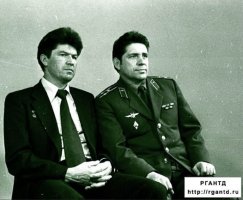
Лётчики-космонавты СССР Валерий Рюмин и Владимир Ляхов.
USSR pilot-cosmonauts Valery Ryumin and Vladimir Lyakhov.
Los pilotos-cosmonautas de la URSS Valery Ryumin y Vladimir Lyakhov
.

Content
 
Frimen1917

Frimen1917

Mecca V.I.P.
VIP
Joined
Jan 9, 2026
Messages
3,164
Points
63
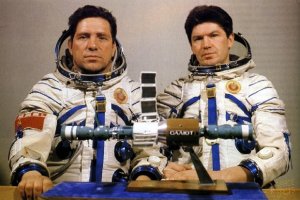
Экипаж космического корабля «Союз-32» – космонавты Ляхов В.А., Рюмин В.В. Байконур, февраль 1979 г. Автор съёмки не установлен. РГАНТД(Российский Государственный Архив Научно-Технической Документации). Архив №0-14642.
The crew of the Soyuz-32 spacecraft – cosmonauts V.A. Lyakhov and V.V. Ryumin. Baikonur, February 1979. Photographer unknown. RGANTD (Russian State Archive of Scientific and Technical Documentation). Archive No. 0-14642.
La tripulación de la nave espacial Soyuz-32: los cosmonautas V.A. Lyakhov y V.V. Ryumin. Baikonur, febrero de 1979. Fotógrafo desconocido. RGANTD (Archivo Estatal Ruso de Documentación Científica y Técnica). Número de archivo 0-14642.

Clipboard 09 08 2026 19
 
Frimen1917

Frimen1917

Mecca V.I.P.
VIP
Joined
Jan 9, 2026
Messages
3,164
Points
63
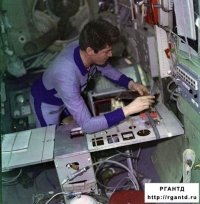
Космонавт Рюмин В.В. на борту орбитального научного комплекса «Салют-6» – «Союз-32». Борт ОНК, июль 1979 г. Автор съёмки – Ляхов В.А. РГАНТД. Архив №1-3437.
Cosmonaut V.V. Ryumin aboard the Salyut-6 – Soyuz-32 orbital scientific complex. On board the Public Monitoring Commission, July 1979. Photo by V.A. Lyakhov. RGANTD. Archive No. 1-3437.
El cosmonauta V.V. Ryumin a bordo del complejo científico orbital Salyut-6-Soyuz-32. A bordo de la Comisión de Monitoreo Público, julio de 1979. Fotografía de V.A. Lyakhov. RGANTD. Archivo n.° 1-3437.

Clipboard 09 08 2026 20
 
Frimen1917

Frimen1917

Mecca V.I.P.
VIP
Joined
Jan 9, 2026
Messages
3,164
Points
63
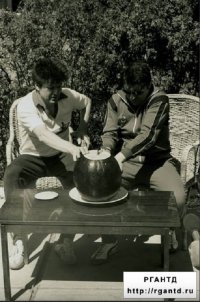
Космонавты Ляхов В.А., Рюмин В.В. во время послеполётного отдыха. Байконур, август 1979 г. Автор съёмки не установлен. РГАНТД. Архив №0-14686.
Cosmonauts V.A. Lyakhov and V.V. Ryumin during post-flight rest. Baikonur, August 1979. Photographer unknown. RGANTD. Archive No. 0-14686.
Cosmonautas V.A. Lyakhov y V.V. Ryumin durante el descanso post-vuelo. Baikonur, agosto de 1979. Fotógrafo desconocido. RGANTD. Archivo No. 0-14686.

Clipboard 09 08 2026 21
 
Frimen1917

Frimen1917

Mecca V.I.P.
VIP
Joined
Jan 9, 2026
Messages
3,164
Points
63
Космонавты Ляхов В.А., Рюмин В.В. за традиционной посадкой дерева в парке гостиницы «Космонавт» после полёта. Байконур, 23 августа 1979 г. Автор съёмки не установлен. РГАНТД. Архив №0-14690.
Cosmonauts V.A. Lyakhov and V.V. Ryumin at the traditional tree planting in the park of the Kosmonavt Hotel after their flight. Baikonur, August 23, 1979. Photographer unknown. RGANTD. Archive No. 0-14690.
Los cosmonautas V.A. Lyakhov y V.V. Ryumin en la tradicional plantación de árboles en el parque del Hotel Kosmonavt tras su vuelo. Baikonur, 23 de agosto de 1979. Fotógrafo desconocido. RGANTD. Archivo n.º 0-14690.

Clipboard 09 08 2026 22
 
Frimen1917

Frimen1917

Mecca V.I.P.
VIP
Joined
Jan 9, 2026
Messages
3,164
Points
63
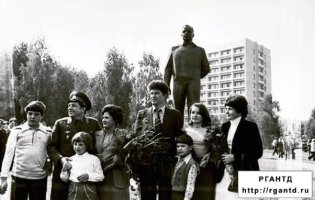
Встреча в Звёздном городке. Космонавты Ляхов В.А. и Рюмин В.В. с родными у памятника Гагарину Ю.А. Звёздный городок, 5 сентября 1979 г. Авторы съёмки – Акимов Н., Кузьмин В. РГАНТД. Архив №1-18816.
Meeting in Star City. Cosmonauts V.A. Lyakhov and V.V. Ryumin with their families at the monument to Yu.A. Gagarin. Star City, September 5, 1979. Photographer: N. Akimov, V. Kuzmin. RGANTD. Archive No. 1-18816.
Encuentro en la Ciudad de las Estrellas. Los cosmonautas V.A. Lyakhov y V.V. Ryumin con sus familias en el monumento a Yu.A. Gagarin. Ciudad de las Estrellas, 5 de septiembre de 1979. Fotógrafos: N. Akimov, V. Kuzmin. Archivo RGANTD n.° 1-18816.

Clipboard 09 08 2026 23
 
Frimen1917

Frimen1917

Mecca V.I.P.
VIP
Joined
Jan 9, 2026
Messages
3,164
Points
63

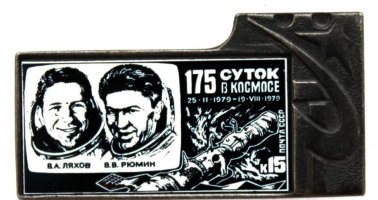
СССР нагрудный знак «175 СУТОК В КОСМОСЕ» В. Ляхов и В. Рюмин (стекло).​

USSR chest badge "175 DAYS IN SPACE" V. Lyakhov and V. Ryumin (glass).​

Insignia de pecho de la URSS "175 DÍAS EN EL ESPACIO" V. Lyakhov y V. Ryumin (vidrio).​


1696839881 11 1024x1024
 
Frimen1917

Frimen1917

Mecca V.I.P.
VIP
Joined
Jan 9, 2026
Messages
3,164
Points
63
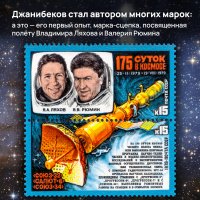
Космонавт Владимир Джанибеков стал автором многих марок. А Это - его первый опыт, марка-сцепка, посвященная полету Владимира Ляхова и Валерия Рюмина.
Cosmonaut Vladimir Dzhanibekov has designed many stamps. This is his first, a stamp dedicated to the flight of Vladimir Lyakhov and Valery Ryumin.
El cosmonauta Vladimir Dzhanibekov ha diseñado numerosos sellos. Este es el primero, dedicado al vuelo de Vladimir Lyakhov y Valery Ryumin.


1652422196167194515
 
Frimen1917

Frimen1917

Mecca V.I.P.
VIP
Joined
Jan 9, 2026
Messages
3,164
Points
63
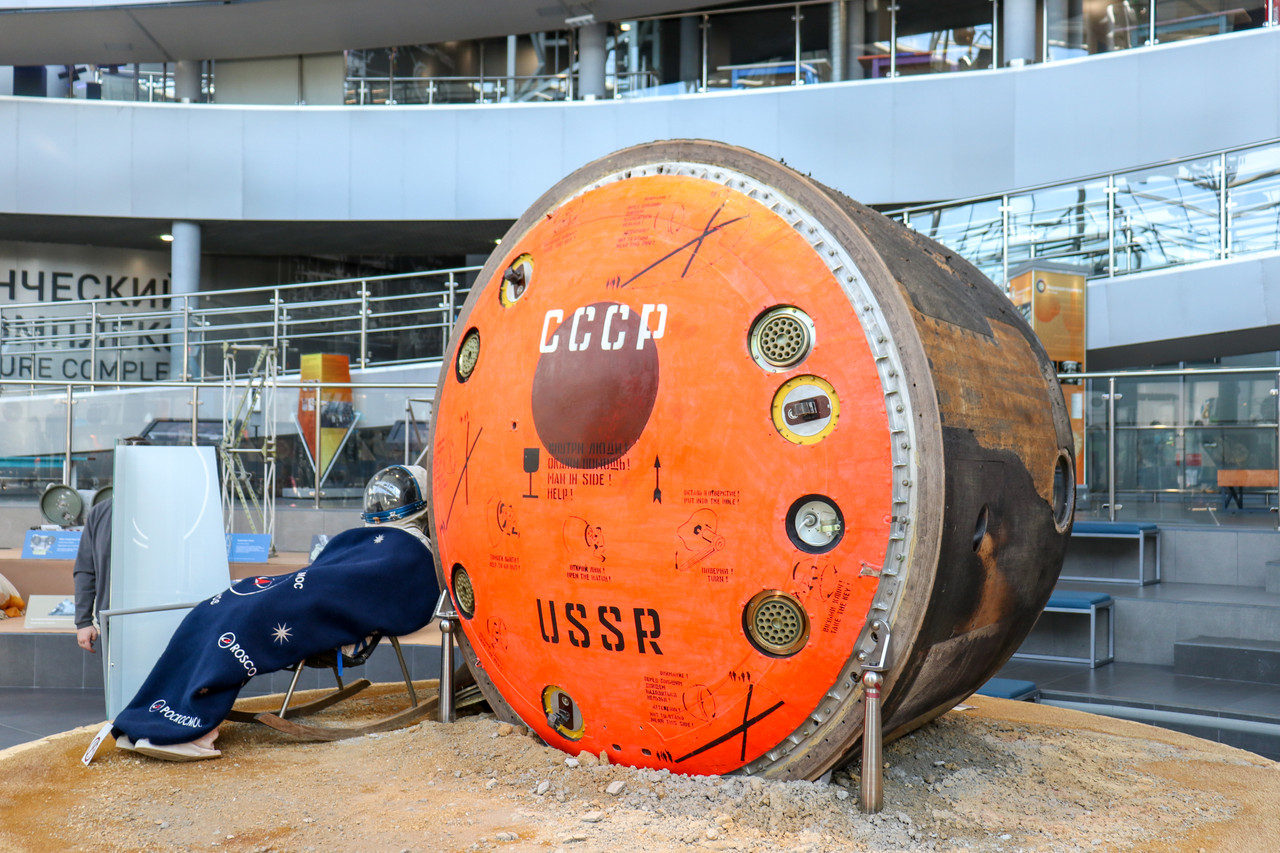
Спускаемый аппарат космического корабля Союз-34 в экспозиции музея истории космонавтики имени К. Э. Циолковского.
The descent module of the Soyuz-34 spacecraft on display at the K. E. Tsiolkovsky Museum of the History of Cosmonautics.
El módulo de descenso de la nave espacial Soyuz-34, expuesto en el Museo K. E. Tsiolkovsky de Historia de la Cosmonáutica.
 
Frimen1917

Frimen1917

Mecca V.I.P.
VIP
Joined
Jan 9, 2026
Messages
3,164
Points
63
Союз-33 — пилотируемый космический полет транспортного пилотируемого космического корабля Союз на орбитальную станцию Салют-6. Это был четвёртый космический полет, организованный в рамках международной программы космических исследований Интеркосмос, и первый с участием космонавта из Болгарии.
Экипаж старта и посадки: командир корабля дважды Герой Советского Союза, летчик-космонавт СССР Николай Рукавишников и космонавт-исследователь гражданин Народной Республики Болгарии Георгий Иванов.
Хронология полёта.
Пуск произошёл в штатном режиме 10 апреля 1979 года в 10:34:00 с космодрома Байконур в Казахстане. С первого витка космонавты начали подготовку к стыковке со станцией Салют-6, а с 5 часов утра следующих суток Рукавишкинов и Иванов отдыхали. 11 апреля в сеансе связи с Центром управления полетом космонавты доложили, что все бортовые системы корабля работают нормально, и экипаж продолжает работы по программе стыковки.

На расстоянии 9 км от станции Салют-6 была включена система автоматической стыковки «Игла», однако во время сближения корабля к станции отказала сближающе-корректирующая двигательная установка корабля после трёхсекундной работы вместо предусмотренных пяти-шести секунд. После консультации с ЦУПом космонавты попытались вновь включить систему стыковки, однако ДУ(Двигательная Установка) вновь отключилась. Валерий Рюмин, находившийся на станции Салют-6 и наблюдавший прибытие Союза-33, доложил о нехарактерном свечении позади корабля во время работы ДУ. ЦУП принял решение отменить стыковку и вернуть корабль на Землю. Это был первый случай отказа двигательной установки кораблей «Союз» в космосе. Рукавишников запросил выполнение ещё одной попытки включения системы сближения, однако, опасаясь серьёзной неполадки в работе основной двигательной установки корабля, ЦУП запретил это делать. Вместо этого космонавтам рекомендовали снять скафандры и предложили отдохнуть до начала возврата корабля на Землю. По оценкам специалистов, причиной отказа мог стать прожог боковой стенки камеры сгорания основной двигательной установки. Датчик давления в камере сгорания отключал двигатель вследствие того, что в камере не достигалось нужное для правильной работы двигателя давление. Подобный механизм отключения был предусмотрен для того, чтобы не допустить подачу компонентов топлива в повреждённый двигатель и тем самым предотвратить возможную аварию или взрыв.
Спуск в атмосфере был проведён по баллистической траектории, так как сближающе-корректирующая двигательная установка, в которой возникла неисправность, не могла быть использована при торможении спускаемой капсулы перед сходом с орбиты на этапе посадки. В итоге, по сравнению с управляемым спуском, обычно используемым при сходе с орбиты кораблей «Союз», аппарат вошёл в плотные слои атмосферы под более крутым углом, из-за чего существенно увеличились перегрузки. По оценке космонавтов, она достигала восьми-десяти g (при управляемом спуске величина её в два раза меньше). Тем не менее, баллистический спуск является одним из предусмотренных режимов посадки, при подготовке к полету каждый экипаж проходит тренировки на подобные перегрузки. Спускаемые капсулы рассчитаны на значительно большие перегрузки.
В Центр управления поступала информация о спуске аппарата от экипажей самолётов и вертолётов поискового комплекса, а также от самого экипажа. Сведения о космонавтах в Центр управления передавали и экипаж станции «Салют-6» В. Ляхов и В. Рюмин. Они пролетали над районом посадки и следили за коллегами по радио.
В 19 часов 35 минут спускаемый аппарат плавно опустился на Землю. Это произошло приблизительно в 320 километрах юго-восточнее города Джезказгана.
Предполагалось, что корабль «Союз-33» останется пристыкованным к станции «Салют-6», на которой в это время находились космонавты Владимир Ляхов и Валерий Рюмин. Из-за несостоявшейся стыковки 6 июня для космонавтов Ляхова и Рюмина был послан корабль «Союз-34» без экипажа.
На борту корабля были приборы, созданные в Болгарии: электрофотометр «Дуга», предназначенный для измерений в видимой части спектра; спектрофотометр «Спектр-15», а также «Средец» и «Пирин».

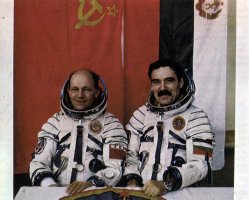
На фото слева направо: Н. Рукавишников(СССР) - Г. Иванов (НРБ-Народная Республика Болгария).
SOYUZ-33 — a crewed spaceflight of the Soyuz transport spacecraft to the Salyut-6 orbital station. It was the fourth spaceflight organized as part of the Interkosmos international space research program, and the first involving a cosmonaut from Bulgaria.


Launch and landing crew: spacecraft commander, twice Hero of the Soviet Union, USSR pilot-cosmonaut Nikolai Rukavishnikov, and research cosmonaut, citizen of the People’s Republic of Bulgaria, Georgi Ivanov.

FLIGHT CHRONOLOGY

The launch took place as scheduled on April 10, 1979, at 10:34:00 from the Baikonur Cosmodrome in Kazakhstan. From the first orbit, the cosmonauts began preparations for docking with the Salyut-6 station, and from 5 a.m. the following day, Rukavishnikov and Ivanov rested. On April 11, during a communication session with the Mission Control Center, the cosmonauts reported that all onboard spacecraft systems were functioning normally and that the crew was continuing preparations for the docking operation.

At a distance of 9 km from the Salyut-6 station, the automatic Igla docking system was activated. However, during the spacecraft’s approach to the station, its rendezvous and correction propulsion system failed after operating for three seconds instead of the planned five to six seconds. After consulting with Mission Control, the cosmonauts attempted to activate the docking system again, but the propulsion system shut down once more. Valery Ryumin, who was aboard Salyut-6 and observing the arrival of Soyuz-33, reported an unusual glow behind the spacecraft while the propulsion system was operating.

Mission Control decided to cancel the docking attempt and return the spacecraft to Earth. This was the first failure of a Soyuz spacecraft propulsion system in space. Rukavishnikov requested permission for another attempt to activate the rendezvous system, but, fearing a serious malfunction of the spacecraft’s main propulsion system, Mission Control prohibited the attempt. Instead, the cosmonauts were advised to remove their spacesuits and were instructed to rest until the beginning of the spacecraft’s return to Earth.

According to specialists’ estimates, the failure may have been caused by a burn-through of the side wall of the combustion chamber of the main propulsion system. A pressure sensor in the combustion chamber shut down the engine because the pressure required for proper engine operation was not reached in the chamber. This shutdown mechanism had been designed to prevent propellant components from being fed into a damaged engine, thereby preventing a possible accident or explosion.

The descent through the atmosphere was carried out along a ballistic trajectory because the rendezvous and correction propulsion system in which the malfunction had occurred could not be used to brake the descent module before orbital reentry during the landing phase. As a result, compared with the controlled descent normally used when Soyuz spacecraft leave orbit, the spacecraft entered the denser layers of the atmosphere at a steeper angle, causing the g-forces to increase substantially. According to the cosmonauts’ estimate, they reached eight to ten g (during a controlled descent, the magnitude is approximately half as great).

Nevertheless, ballistic descent is one of the designated landing modes, and during flight preparation every crew undergoes training for such g-forces. The descent capsules are designed to withstand considerably greater loads.

Information about the spacecraft’s descent was transmitted to Mission Control by the crews of aircraft and helicopters belonging to the search and recovery operation, as well as by the spacecraft crew itself. Information about the cosmonauts was also relayed to Mission Control by the Salyut-6 crew, Vladimir Lyakhov and Valery Ryumin. They flew over the landing area and monitored their colleagues by radio.

At 19:35, the descent module landed smoothly on Earth. It landed approximately 320 kilometers southeast of the city of Dzhezkazgan.

It had been planned that Soyuz-33 would remain docked with the Salyut-6 station, where cosmonauts Vladimir Lyakhov and Valery Ryumin were staying at the time. Because the docking had failed, an uncrewed Soyuz-34 spacecraft was launched on June 6 for Lyakhov and Ryumin.

The spacecraft carried instruments created in Bulgaria: the Duga electrophotometer, designed for measurements in the visible part of the spectrum; the Spektr-15 spectrophotometer; as well as the Sredets and Pirin instruments.

In the photo, from left to right: N. Rukavishnikov (USSR) — G. Ivanov (PRB — People’s Republic of Bulgaria).
SOYUZ-33 — un vuelo espacial tripulado de la nave espacial de transporte Soyuz a la estación orbital Salyut-6. Fue el cuarto vuelo espacial organizado en el marco del programa internacional de investigación espacial Interkosmos y el primero en el que participó un cosmonauta de Bulgaria.


Tripulación de lanzamiento y aterrizaje: el comandante de la nave, dos veces Héroe de la Unión Soviética, cosmonauta-piloto de la URSS Nikolái Rukavishnikov, y el cosmonauta investigador, ciudadano de la República Popular de Bulgaria, Gueorgui Ivanov.

CRONOLOGÍA DEL VUELO

El lanzamiento se realizó con normalidad el 10 de abril de 1979, a las 10:34:00, desde el cosmódromo de Baikonur, en Kazajistán. Desde la primera órbita, los cosmonautas comenzaron los preparativos para el acoplamiento con la estación Salyut-6, y desde las 5 de la mañana del día siguiente, Rukavishnikov e Ivanov descansaron. El 11 de abril, durante una sesión de comunicación con el Centro de Control de Vuelo, los cosmonautas informaron de que todos los sistemas de a bordo de la nave funcionaban con normalidad y que la tripulación continuaba los trabajos previstos para el acoplamiento.

A una distancia de 9 km de la estación Salyut-6 se activó el sistema automático de acoplamiento «Igla». Sin embargo, durante el acercamiento de la nave a la estación, el sistema de propulsión de aproximación y corrección de la nave falló después de funcionar durante tres segundos, en lugar de los cinco o seis segundos previstos. Después de consultar con el Centro de Control de Vuelo, los cosmonautas intentaron activar nuevamente el sistema de acoplamiento, pero el sistema de propulsión volvió a desconectarse. Valeri Ryumin, que se encontraba a bordo de la Salyut-6 y observaba la llegada de la Soyuz-33, informó de un resplandor inusual detrás de la nave mientras funcionaba el sistema de propulsión.

El Centro de Control de Vuelo decidió cancelar el acoplamiento y devolver la nave a la Tierra. Fue el primer caso de fallo de un sistema de propulsión de una nave Soyuz en el espacio. Rukavishnikov solicitó realizar otro intento de activar el sistema de aproximación, pero, ante el temor de que existiera una avería grave en el sistema de propulsión principal de la nave, el Centro de Control prohibió realizarlo. En su lugar, se recomendó a los cosmonautas que se quitaran los trajes espaciales y se les indicó que descansaran hasta el comienzo del regreso de la nave a la Tierra.

Según las estimaciones de los especialistas, la causa del fallo pudo haber sido la perforación de la pared lateral de la cámara de combustión del sistema de propulsión principal. Un sensor de presión situado en la cámara de combustión desconectaba el motor porque en la cámara no se alcanzaba la presión necesaria para su correcto funcionamiento. Este mecanismo de desconexión estaba previsto para impedir el suministro de los componentes del combustible a un motor dañado y, de este modo, evitar un posible accidente o una explosión.

El descenso a través de la atmósfera se realizó siguiendo una trayectoria balística, ya que el sistema de propulsión de aproximación y corrección en el que se había producido la avería no podía utilizarse para frenar el módulo de descenso antes de abandonar la órbita durante la fase de aterrizaje. Como consecuencia, en comparación con el descenso controlado utilizado normalmente cuando las naves Soyuz abandonan la órbita, la nave entró en las capas más densas de la atmósfera con un ángulo más pronunciado, lo que provocó un aumento considerable de las sobrecargas. Según la estimación de los cosmonautas, estas alcanzaron entre ocho y diez g (durante un descenso controlado, su magnitud es aproximadamente dos veces menor).

No obstante, el descenso balístico es uno de los modos de aterrizaje previstos, y durante la preparación para el vuelo cada tripulación realiza entrenamientos para soportar este tipo de sobrecargas. Las cápsulas de descenso están diseñadas para soportar sobrecargas considerablemente mayores.

Al Centro de Control de Vuelo llegaba información sobre el descenso de la nave procedente de las tripulaciones de los aviones y helicópteros del dispositivo de búsqueda y recuperación, así como de la propia tripulación. La información sobre los cosmonautas también era transmitida al Centro de Control por la tripulación de la Salyut-6, formada por Vladímir Liájov y Valeri Ryumin. Sobrevolaron la zona de aterrizaje y siguieron por radio a sus compañeros.

A las 19:35, el módulo de descenso aterrizó suavemente en la Tierra. Esto ocurrió aproximadamente a 320 kilómetros al sureste de la ciudad de Dzhezkazgan.

Estaba previsto que la Soyuz-33 permaneciera acoplada a la estación Salyut-6, donde en ese momento se encontraban los cosmonautas Vladímir Liájov y Valeri Ryumin. Debido al acoplamiento fallido, el 6 de junio se envió para los cosmonautas Liájov y Ryumin una nave Soyuz-34 sin tripulación.

A bordo de la nave se encontraban instrumentos creados en Bulgaria: el electrofotómetro «Duga», destinado a realizar mediciones en la parte visible del espectro; el espectrofotómetro «Spektr-15», así como los instrumentos «Sredets» y «Pirin».

En la fotografía, de izquierda a derecha: N. Rukavishnikov (URSS) — G. Ivanov (RPB — República Popular de Bulgaria).
000038
 

MuscleMecca Crew

Mecca Staff
Frimen1917

Frimen1917

Mecca V.I.P.
VIP
Joined
Jan 9, 2026
Messages
3,164
Points
63
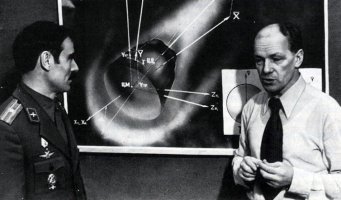
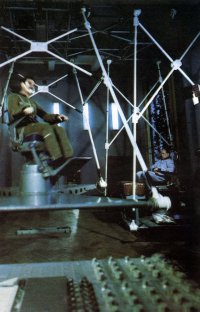
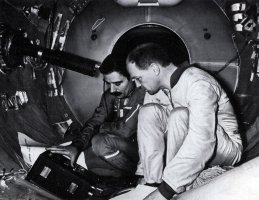
На фото: Г. Иванов и Н. Рукавишников на теоретических занятиях.
In the photo: G. Ivanov and N. Rukavishnikov during theoretical classes.
En la foto: G. Ivanov y N. Rukavishnikov durante las clases teóricas.

000040
 
Frimen1917

Frimen1917

Mecca V.I.P.
VIP
Joined
Jan 9, 2026
Messages
3,164
Points
63
Николай Рукавишников и Георгий Иванов в тренажере космического корабля «Союз». / Автор фото: Александр Моклецов / РИА Новости.
Nikolai Rukavishnikov and Georgy Ivanov in the Soyuz spacecraft simulator. / Photo by Alexander Mokletsov / RIA Novosti.
Nikolai Rukavishnikov y Georgy Ivanov en el simulador de la nave espacial Soyuz. / Foto de Alexander Mokletsov / RIA Novosti.

A397d9ca7bf711dfa5501fc5c4a391ae
 
Frimen1917

Frimen1917

Mecca V.I.P.
VIP
Joined
Jan 9, 2026
Messages
3,164
Points
63
Члены международного экипажа космического корабля «Союз-33» — командир корабля Николай Рукавишников (слева) и космонавт-исследователь Народной Республики Болгария майор Георгий Иванов (справа). Автор фото: Александр Моклецов.
Members of the international crew of the Soyuz-33 spacecraft: spacecraft commander Nikolai Rukavishnikov (left) and cosmonaut-researcher of the People's Republic of Bulgaria, Major Georgi Ivanov (right). Photo by Alexander Mokletsov.
Miembros de la tripulación internacional de la nave espacial Soyuz-33: el comandante de la nave, Nikolai Rukavishnikov (izquierda), y el cosmonauta e investigador de la República Popular de Bulgaria, el mayor Georgi Ivanov (derecha). Fotografía de Alexander Mokletsov.

A19a20a02cf373d60337727bb0468a04
 
Frimen1917

Frimen1917

Mecca V.I.P.
VIP
Joined
Jan 9, 2026
Messages
3,164
Points
63
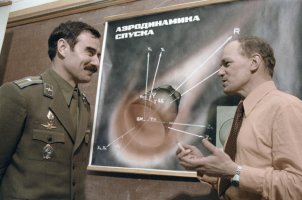
Георгий Иванов (слева) и Николай Рукавишников (справа) в одной из учебных аудиторий. Автор фото: Александр Моклецов.
Georgy Ivanov (left) and Nikolai Rukavishnikov (right) in one of the classrooms. Photo by Alexander Mokletsov.
Georgy Ivanov (izquierda) y Nikolai Rukavishnikov (derecha) en una de las aulas. Fotografía de Alexander Mokletsov.

9ecb4120a1f57a33f599cd702fb0b822
 
Frimen1917

Frimen1917

Mecca V.I.P.
VIP
Joined
Jan 9, 2026
Messages
3,164
Points
63
Члены международного экипажа космического корабля «Союз-33» — командир корабля Николай Рукавишников (справа) и космонавт-исследователь НРБ майор Георгий Иванов (слева).Автор фото: Александр Моклецов.
Members of the international crew of the Soyuz-33 spacecraft: spacecraft commander Nikolai Rukavishnikov (right) and cosmonaut-researcher Major Georgy Ivanov (left). Photo by Alexander Mokletsov.
Miembros de la tripulación internacional de la nave espacial Soyuz-33: el comandante de la nave, Nikolai Rukavishnikov (derecha), y el cosmonauta e investigador, el mayor Georgy Ivanov (izquierda). Fotografía de Alexander Mokletsov.


36ccab44dd9f17454235c5eeb6c968fc
 
Frimen1917

Frimen1917

Mecca V.I.P.
VIP
Joined
Jan 9, 2026
Messages
3,164
Points
63
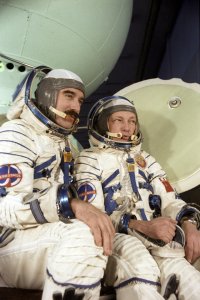
Центр подготовки космонавтов. Г. Иванов и И. Рукавишников во время подготовки к полету.
Cosmonaut Training Center. G. Ivanov and I. Rukavishnikov during flight training.
Centro de Entrenamiento de Cosmonautas. G. Ivanov e I. Rukavishnikov durante su entrenamiento de vuelo.

000041
 
Frimen1917

Frimen1917

Mecca V.I.P.
VIP
Joined
Jan 9, 2026
Messages
3,164
Points
63
Международный экипаж космического корабля «Союз-33»: командир корабля Н. Н. Рукавишников (слева) и космонавт-исследователь, гражданин Болгарии Г. Иванов на тренировке.
The international crew of the Soyuz-33 spacecraft: spacecraft commander N. N. Rukavishnikov (left) and cosmonaut-researcher, Bulgarian citizen G. Ivanov during training.
La tripulación internacional de la nave espacial Soyuz-33: el comandante de la nave, N. N. Rukavishnikov (izquierda), y el cosmonauta e investigador, ciudadano búlgaro G. Ivanov, durante un entrenamiento.

Mediapreview
 
Frimen1917

Frimen1917

Mecca V.I.P.
VIP
Joined
Jan 9, 2026
Messages
3,164
Points
63
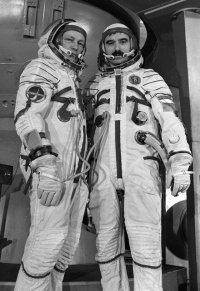
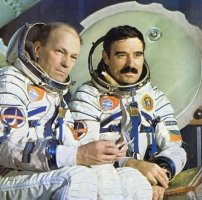
Экипаж космического корабля «Союз-33», командир корабля Николай Рукавишников и бортинженер, первый космонавт Болгарии Георгий Иванов.
The crew of the Soyuz-33 spacecraft, commander Nikolai Rukavishnikov and flight engineer, Bulgaria's first cosmonaut Georgiy Ivanov.
La tripulación de la nave espacial Soyuz-33, el comandante Nikolai Rukavishnikov y el ingeniero de vuelo, el primer cosmonauta búlgaro Georgiy Ivanov.


Clipboard 09 10 2026 24
 
Frimen1917

Frimen1917

Mecca V.I.P.
VIP
Joined
Jan 9, 2026
Messages
3,164
Points
63
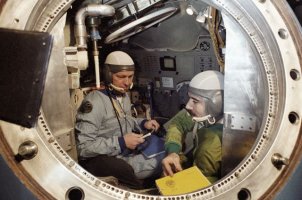
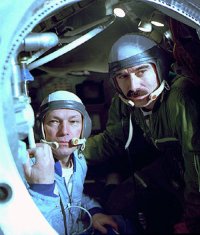
Г. Иванов и Н. Рукавишников на тренировке в макете орбитальной станции "Салют-6".
G. Ivanov and N. Rukavishnikov during training in the model of the Salyut-6 orbital station.
G. Ivanov y N. Rukavishnikov durante un entrenamiento en la maqueta de la estación orbital Salyut-6.

000043
 
Frimen1917

Frimen1917

Mecca V.I.P.
VIP
Joined
Jan 9, 2026
Messages
3,164
Points
63
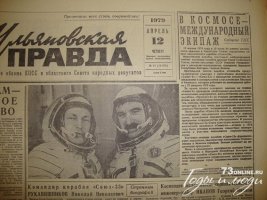
10 апреля 1979 года в Советском Союзе осуществлен запуск космического корабля «Союз-33» .Командир корабля дважды Герой Советского Союза, летчик-космонавт СССР Николай Рукавишников и космонавт-исследователь гражданин Народной Республики Болгарии Георгий Иванов.Газета "Ульяновская правда".12.4.1979 г.
On April 10, 1979, the Soviet Union launched the Soyuz-33 spacecraft. The spacecraft commander was twice Hero of the Soviet Union, USSR pilot-cosmonaut Nikolai Rukavishnikov, and cosmonaut-researcher, citizen of the People's Republic of Bulgaria Georgi Ivanov. Ulyanovskaya Pravda newspaper, April 12, 1979.

Upld 533
 
Top