• Legal Notice – MuscleMecca Forums

    MuscleMecca.com is an educational discussion platform. We do not sell, promote, or endorse any bodybuilding gear, supplements, research chemicals, or performance-enhancing substances.

    All discussions are for educational and informational purposes only. Nothing posted on this forum should be considered medical or legal advice.

    Do not attempt to sell, source, or promote illegal substances. Any such activity will result in an immediate and permanent ban and may be reported to the proper authorities.

    By using this site, you agree to comply with all forum rules, disclaimers, and applicable laws in your jurisdiction.

    Read Our Full Disclaimer and Forum Rules

History of Soviet cosmonautics.

Frimen1917

Frimen1917

Mecca V.I.P.
VIP
Joined
Jan 9, 2026
Messages
3,176
Points
63
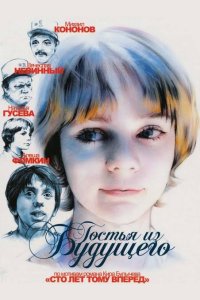
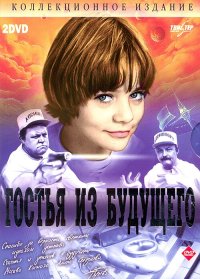
«Го́стья из бу́дущего» — советский детский телевизионный научно-фантастический многосерийный фильм из 5 серий (ныне позиционируется как телесериал или мини-сериал), снятый кинорежиссёром Павлом Арсеновым на киностудии имени Горького в 1984 году по мотивам фантастической повести Кира Булычёва «Сто лет тому вперёд» (1978). Премьерный показ фильма состоялся на самой же киностудии в октябре 1984 года, телепремьера прошла с 25 по 29 марта 1985 года по Первой программе Центрального Телевидения СССР в дни весенних школьных каникул.
О чём фильм:
Поход за кефиром: Московский школьник Коля Герасимов отправляется в магазин, но в заброшенном доме случайно находит машину времени.
Путешествие в будущее: Коля попадает в Москву конца XXI века (2082 год): с летающими аппаратами, роботами и институтом времени.
Миелофон: Случайно Коля оказывается замешан в истории с похищением миелофона — уникального прибора для чтения мыслей. Его пытаются захватить космические пираты Весельчак У и Крыс.
Погоня и дружба:
Коля забирает прибор и возвращается в 1984 год. Космические пираты гонятся за ним на машине времени в его время. Девочка из будущего, Алиса Селезнёва, отправляется следом, чтобы спасти устройство и вернуть его в будущее.
Главные темы:
Борьба добра со злом.
Дружба и взаимовыручка.
Мечты о «прекрасном далёке» — светлом, технологичном и гуманном будущем.

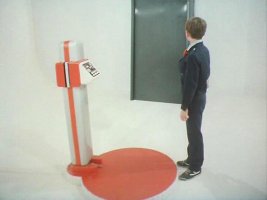
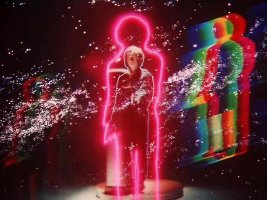
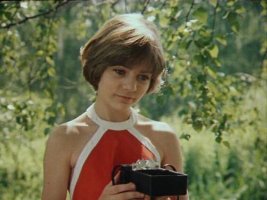
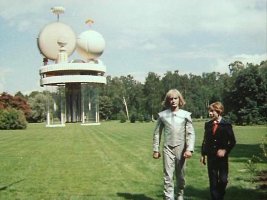
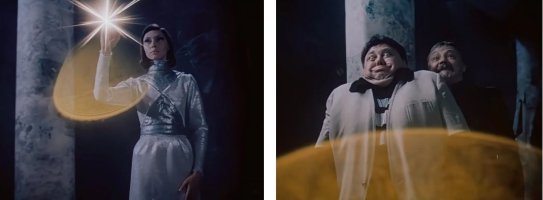
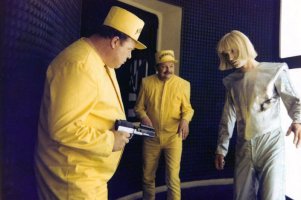
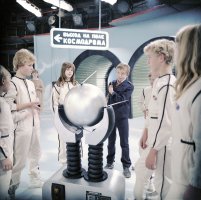
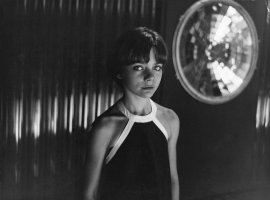
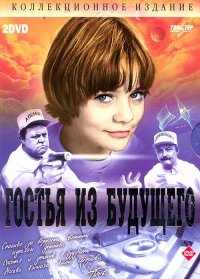
На фото постеры и фрагменты фильма.
“Guest from the Future” is a Soviet children’s science-fiction television miniseries consisting of 5 episodes (now positioned as a TV series or miniseries). It was directed by Pavel Arsenov at the Gorky Film Studio in 1984, based on the science-fiction novella One Hundred Years Ahead (1978) by Kir Bulychev. The film’s premiere screening took place at the studio itself in October 1984; the television premiere aired from 25 to 29 March 1985 on the First Programme of Central Television of the USSR during the spring school holidays.


What the film is about:

A trip for kefir: Moscow schoolboy Kolya Gerasimov goes to the shop, but in an abandoned house he accidentally finds a time machine.

Journey into the future: Kolya arrives in Moscow at the end of the 21st century (the year 2082): a city with flying vehicles, robots and the Institute of Time.

The myelophone: By chance Kolya becomes involved in the story of the theft of the myelophone — a unique device for reading thoughts. Cosmic pirates Veselchak U and Rat try to seize it.

Chase and friendship:
Kolya takes the device and returns to 1984. The cosmic pirates chase him on a time machine into his own time. A girl from the future, Alisa Seleznyova, follows to save the device and return it to the future.

Main themes:

  • The struggle of good against evil
  • Friendship and mutual help
  • Dreams of a “beautiful faraway” — a bright, technological and humane future

The photo shows posters and stills from the film.

---


«Huésped del futuro» es una miniserie televisiva infantil de ciencia ficción soviética de 5 episodios (actualmente posicionada como serie o miniserie de televisión). Fue dirigida por Pável Arsénov en los Estudios Cinematográficos Gorki en 1984, basándose en la novela de ciencia ficción Cien años adelante (1978) de Kir Bulychov. El estreno del filme tuvo lugar en el propio estudio en octubre de 1984; el estreno televisivo se emitió del 25 al 29 de marzo de 1985 por el Primer Programa de la Televisión Central de la URSS durante las vacaciones escolares de primavera.

De qué trata la película:

Una ida a por kéfir: El escolar moscovita Kolya Gerásimov va a la tienda, pero en una casa abandonada encuentra por casualidad una máquina del tiempo.

Viaje al futuro: Kolya llega a Moscú a finales del siglo XXI (año 2082): una ciudad con aparatos voladores, robots y el Instituto del Tiempo.

El mielofón: Por casualidad Kolya se ve involucrado en la historia del robo del mielofón, un aparato único para leer el pensamiento. Los piratas espaciales Veselchak U y Rat intentan apoderarse de él.

Persecución y amistad:
Kolya se lleva el aparato y regresa a 1984. Los piratas espaciales le persiguen en una máquina del tiempo hasta su época. Una niña del futuro, Alisa Seleznyova, parte tras ellos para salvar el dispositivo y devolverlo al futuro.

Temas principales:

  • La lucha del bien contra el mal
  • La amistad y la ayuda mutua
  • Los sueños de un «hermoso lejano» — un futuro luminoso, tecnológico y humano

En la foto se muestran pósteres y fotogramas de la película.
 Images 1
Guest07

Guest18
Guest01
Guest09


Clipboard 09 30 2026 02


Maxresdefault

662d4f20c1771f41ac98341384379d16 Inna Gomes and Alexey Fomkin on Guest from the Future
 
Frimen1917

Frimen1917

Mecca V.I.P.
VIP
Joined
Jan 9, 2026
Messages
3,176
Points
63
Трейлеры фильма "Гостья из будущего".
Trailers for the film "Guest from the Future".
Tráileres de la película "Invitado del futuro".


Frimen1917

Frimen1917

Mecca V.I.P.
VIP
Joined
Jan 9, 2026
Messages
3,176
Points
63
Фан-фильм "Гость из будущего" созданный с помощью искусственного интеллекта". 3 серии.
"Guest from the Future" — an AI-generated fan film. 3 episodes.
Cortometraje de fans "Invitado del futuro", creado con la ayuda de inteligencia artificial. 3 episodios.


Frimen1917

Frimen1917

Mecca V.I.P.
VIP
Joined
Jan 9, 2026
Messages
3,176
Points
63
«Та́йна тре́тьей плане́ты» (1981) — советский полнометражный научно-фантастическиймультфильм Романа Качанова. Экранизация повести Кира Булычёва «Путешествие Алисы» (1974; другие варианты названия — «Алиса и три капитана», «Девочка с Земли») из цикла «Приключения Алисы».
Неоднократно включался в различные списки лучших мультипликационных и фантастических фильмов. Режиссёр Роман Качанов, автор сценария Кир Булычёв и художник-постановщик Наталья Орлова получили за его создание Государственную премию СССР (1982)
Действие мультфильма происходит в 2181 году. Экспедиция с Земли в составе капитана Зелёного, профессора Селезнёва и его дочери Алисы отправляется на корабле «Пегас» на поиски новых видов животных для Московского космического зоопарка. В лунном ресторане они встречают археолога Громозеку, который советует им посетить планету Двух Капитанов, так как знаменитые капитаны-путешественники Ким и Буран во время своих экспедиций встречали множество уникальных зверей. Герои обращаются за помощью к доктору Верховцеву, директору музея Двух Капитанов. Но доктор ведёт себя подозрительно: не показывает им дневники капитанов и начинает следить за ними.

На планете Блук герои делают ценные приобретения, в числе которых Говорун — птица, принадлежавшая пропавшему капитану Киму. Как выяснится позднее, всех остальных говорунов истребили космические пираты, в частности Весельчак У. Двое роботов (подчинённые пиратов) пытаются отобрать говоруна у Алисы и профессора Селезнева, но тем с помощью пришедшего на выручку штурмана Басова (это новый оригинальный персонаж) удаётся отбиться и дать роботам отпор. Весельчак У приходит к героям и дарит им алмазную черепашку, при этом он представляется своим настоящим именем.

Говорун сообщает важную информацию: капитан Ким находится в беде. Выслушав речь Говоруна, экипаж «Пегаса» берёт курс на систему Медузы, где должен находиться пропавший капитан. По дороге герои спасают роботов планеты Шелезяка от подсыпанной им в смазку алмазной пыли (её им подсыпали пираты за нежелание отдать Говоруна).

На третьей планете системы Медузы Алиса находит цветы-зеркала, запоминающие и отображающие всё, что перед ними происходило. С их помощью герои обнаруживают, что на планете были Верховцев (на самом деле замаскированный пират Глот, который выдавал себя за директора) и Весельчак У. Алмазная черепашка уничтожает зеркала и пытается бежать, но ей это не удаётся. Герои обнаруживают, что на самом деле это был робот-шпион, и понимают, что пираты подслушивали их разговоры.

При попытке перелететь в безопасное место «Пегас» проваливается в ловушку. Селезнёв и Зелёный находят там корабль капитана Кима, но попадают в плен к пиратам. Сбив Весельчака У с ног, Алиса спасает Говоруна и спасается сама с помощью шапки-невидимки.

В этот момент на планету приземляются капитан Буран и настоящий Верховцев (о чём Алиса на тот момент не знала), и Алиса просит его о помощи, но пугается вида Верховцева за спиной капитана. Тем временем Весельчак У, угрожая убить пленников, требует у капитана Кима, запершегося в своём корабле, формулу абсолютного топлива. Капитан выходит из корабля и сразу же вступает в бой с Весельчаком У и Глотом-Верховцевым. Схватив Весельчака У за шиворот и кинув его в Глота, он отстреливается, уничтожая бластер Весельчака У, а затем и бластеры роботов.

Вмешательство Бурана и настоящего Верховцева спасает путешественников. Настоящий Верховцев разоблачает своего двойника — пирата Глота. Глот имитирует самоотравление какой-то красной таблеткой, но Весельчак У раскрывает этот приём, и пирата сажают в клетку. Ким и Буран снова встречаются, а Верховцев объясняется перед Селезнёвым и Алисой — кто-то пытался выкрасть дневники из музея, потому заподозривший героев Верховцев спровадил их как можно скорее и полетел к Бурану.

Капитаны, Селезнёв, Зелёный, Алиса и Верховцев встречают Громозеку, который переживал за своих друзей. Весельчак У, скрываясь из-под ареста, становится добычей хищной птицы Крок, которая унесла его вдаль (и о дальнейшей его судьбе ничего не известно). Капитаны, герои, Громозека и Верховцев спокойно возвращаются домой.

Производство
Дизайны и персонажей, и планет были разработаны художником-постановщиком Натальей Орловой, для которой мультфильм стал первой работой в жанре фантастики. Изначально она хотела отказаться от этой работы — как из-за отсутствия опыта, так и из-за того, что она перед этим закончила работу над мультфильмом «Мышонок Пик» и хотела уйти в отпуск, чтобы посвятить себя семье, но примерно в то же время она переезжала в новую квартиру в доме № 12 в Большом Тишинском переулке и обнаружила, что Кир Булычёв живёт в том же доме. Когда он узнал, что ей предложили работу над мультфильмом, он уговорил её согласиться. Изначально Роман Качанов хотел сделать мультфильм в технике ротоскопии, но вскоре от этого замысла отказались, решив сделать мультфильм в традиционной анимации.

Производство картины длилось четыре года. Первоначально были записаны голоса актёров, после чего мультипликаторы, используя фонограмму, разработали жесты и движения персонажей.

Первый дубляж мультфильма на английском был выполнен в США только в 1987 году под названием Mystery of the Third Planet, однако расхождения с оригиналом в переводе были настолько резкими (к примеру Алиса сменила имя на Кристин, а бабушка Коли стала мамой Зелёного), что он не имел особого успеха. Появился голос рассказчика, который дополнительно объяснял происходящее на экране, а оригинальные титры полностью вырезаны и заменены. В настоящее он доступен по частям на YouTube в специально собранном плейлисте.


Повторно мультфильм был дублирован и обрёл некоторую известность, выйдя в 1997 году как Alice and the Mystery of the Third Planet. Дубляж был выпущен компанией Films by Jove. Перевод гораздо ближе к оригиналу, хотя также добавлено большое число дополнительных реплик. Кроме того, в этой версии полностью заменён саундтрек и видеоряд подвергся сокращениям — из мультфильма было вырезано, в общей сложности, около шести минут. В этой версии Алису озвучила актриса Кирстен Данст, а птица Говорун заговорила с характерными интонациями Джеймса Белуши.
“The Mystery of the Third Planet” (1981) is a Soviet full-length science-fiction animated film directed by Roman Kachanov. It is an adaptation of Kir Bulychev’s novella “Alice’s Journey” (1974; other title variants — “Alice and the Three Captains”, “The Girl from Earth”) from the “Adventures of Alice” series.


It has repeatedly been included in various lists of the best animated and science-fiction films. Director Roman Kachanov, screenwriter Kir Bulychev and production designer Natalya Orlova received the USSR State Prize (1982) for creating the film.

The events of the animated film take place in 2181. An expedition from Earth consisting of Captain Zelyony, Professor Seleznyov and his daughter Alice sets out aboard the spaceship Pegasus in search of new animal species for the Moscow Space Zoo. At a lunar restaurant, they meet the archaeologist Gromozeka, who advises them to visit the Planet of the Two Captains, as the famous traveling captains Kim and Buran encountered many unique creatures during their expeditions. The heroes seek help from Dr. Verkhovtsev, director of the Museum of the Two Captains. However, the doctor behaves suspiciously: he refuses to show them the captains’ diaries and begins following them.

On the planet Bluk, the heroes make several valuable acquisitions, including Govorun, a bird that belonged to the missing Captain Kim. As it later turns out, all the other Govoruns were exterminated by space pirates, in particular Veselchak U. Two robots (the pirates’ subordinates) try to take Govorun away from Alice and Professor Seleznyov, but with the help of Navigator Basov, who comes to their rescue (a new original character), they manage to fight back and repel the robots. Veselchak U comes to the heroes and gives them a diamond turtle, introducing himself by his real name.

Govorun provides important information: Captain Kim is in trouble. After hearing Govorun’s message, the crew of the Pegasus sets course for the Medusa system, where the missing captain is supposed to be. Along the way, the heroes rescue the robots of the planet Shelezyaka from diamond dust that pirates had put into their lubricant because they refused to hand over Govorun.

On the third planet of the Medusa system, Alice discovers mirror-flowers that remember and display everything that has happened in front of them. Using them, the heroes discover that Verkhovtsev (actually the disguised pirate Glot, who was pretending to be the director) and Veselchak U had been on the planet. The diamond turtle destroys the mirrors and tries to escape, but fails. The heroes discover that it was actually a spy robot and realize that the pirates had been eavesdropping on their conversations.

While attempting to fly to a safe location, the Pegasus falls into a trap. Seleznyov and Zelyony find Captain Kim’s ship there, but are captured by the pirates. After knocking Veselchak U down, Alice rescues Govorun and escapes herself with the help of an invisibility hat.

At that moment, Captain Buran and the real Verkhovtsev land on the planet (something Alice did not know at the time), and Alice asks him for help, but becomes frightened when she sees Verkhovtsev standing behind the captain. Meanwhile, Veselchak U, threatening to kill the prisoners, demands the formula for absolute fuel from Captain Kim, who has locked himself inside his ship. The captain comes out of the ship and immediately engages Veselchak U and Glot-Verkhovtsev in combat. Grabbing Veselchak U by the collar and throwing him at Glot, he fires back, destroying Veselchak U’s blaster and then the robots’ blasters.

The intervention of Buran and the real Verkhovtsev saves the travelers. The real Verkhovtsev exposes his double, the pirate Glot. Glot pretends to poison himself with some kind of red pill, but Veselchak U exposes the trick, and the pirate is put in a cage. Kim and Buran meet again, while Verkhovtsev explains to Seleznyov and Alice that someone had attempted to steal the diaries from the museum. Therefore, having become suspicious of the heroes, Verkhovtsev sent them away as quickly as possible and flew to meet Buran.

The captains, Seleznyov, Zelyony, Alice and Verkhovtsev meet Gromozeka, who had been worried about his friends. Veselchak U, escaping from custody, becomes prey to the predatory bird Krok, which carries him away (and nothing is known about his further fate). The captains, the heroes, Gromozeka and Verkhovtsev return home safely.

PRODUCTION

The designs of the characters and planets were created by production designer Natalya Orlova, for whom the film was her first work in the science-fiction genre. Initially, she wanted to turn down the project — both because she had no experience in the genre and because she had just finished working on the animated film “The Little Mouse Peak” and wanted to take a vacation to devote herself to her family. However, at about the same time, she was moving into a new apartment in Building No. 12 on Bolshoy Tishinsky Lane and discovered that Kir Bulychev lived in the same building. When he learned that she had been offered the job on the animated film, he persuaded her to accept it. Initially, Roman Kachanov wanted to make the film using rotoscoping, but this idea was soon abandoned in favor of traditional animation.

Production of the film lasted four years. The actors’ voices were recorded first, after which the animators used the soundtrack to develop the characters’ gestures and movements.

The first English dubbing of the animated film was produced in the United States only in 1987 under the title “Mystery of the Third Planet”. However, the differences from the original in the translation were so extensive (for example, Alice was renamed Christine, while Kolya’s grandmother became Zelyony’s mother) that it was not particularly successful. A narrator’s voice was added to provide additional explanations of what was happening on screen, while the original credits were completely removed and replaced. It is currently available in separate parts on YouTube in a specially assembled playlist.


The animated film was dubbed again and gained some recognition when it was released in 1997 as “Alice and the Mystery of the Third Planet”. The dubbing was released by Films by Jove. The translation is much closer to the original, although a large number of additional lines were also added. In addition, the soundtrack was completely replaced in this version, and the footage was edited down — approximately six minutes in total were cut from the animated film. In this version, Alice was voiced by actress Kirsten Dunst, while the bird Govorun spoke with the distinctive intonations of James Belushi.
«El misterio del tercer planeta» (1981) es una película soviética de animación de ciencia ficción, de largometraje, dirigida por Román Kachánov. Es una adaptación de la novela corta de Kir Bulýchev «El viaje de Alicia» (1974; otros títulos: «Alicia y los tres capitanes», «La niña de la Tierra»), perteneciente al ciclo «Las aventuras de Alicia».


La película ha sido incluida en numerosas ocasiones en diferentes listas de las mejores películas de animación y de ciencia ficción. El director Román Kachánov, el guionista Kir Bulýchev y la directora artística Natalia Orlova recibieron el Premio Estatal de la URSS (1982) por la creación de la película.

La acción de la película transcurre en el año 2181. Una expedición procedente de la Tierra, formada por el capitán Zeliony, el profesor Selezniov y su hija Alicia, parte a bordo de la nave espacial Pegaso en busca de nuevas especies de animales para el Zoológico Espacial de Moscú. En un restaurante lunar conocen al arqueólogo Gromozeka, quien les aconseja visitar el Planeta de los Dos Capitanes, ya que los famosos capitanes exploradores Kim y Buran encontraron numerosos animales únicos durante sus expediciones. Los protagonistas piden ayuda al doctor Verjovtsev, director del Museo de los Dos Capitanes. Sin embargo, el doctor se comporta de manera sospechosa: no les muestra los diarios de los capitanes y comienza a seguirlos.

En el planeta Bluk, los protagonistas realizan varias adquisiciones valiosas, entre ellas Govorún, un pájaro que pertenecía al desaparecido capitán Kim. Más tarde se descubre que todos los demás govorunes fueron exterminados por los piratas espaciales, en particular por Veselchak U. Dos robots, subordinados de los piratas, intentan arrebatarle a Govorún a Alicia y al profesor Selezniov, pero, con la ayuda del navegante Básov, que acude en su auxilio (un nuevo personaje original), consiguen defenderse y hacer frente a los robots. Veselchak U se presenta ante los protagonistas y les regala una tortuga de diamante, presentándose con su verdadero nombre.

Govorún comunica una información importante: el capitán Kim está en peligro. Después de escuchar el mensaje de Govorún, la tripulación del Pegaso pone rumbo al sistema de Medusa, donde supuestamente se encuentra el capitán desaparecido. Durante el trayecto, los protagonistas rescatan a los robots del planeta Sheleziaka de un polvo de diamante que los piratas habían introducido en su lubricante porque se habían negado a entregar a Govorún.

En el tercer planeta del sistema de Medusa, Alicia descubre unas flores-espejo que recuerdan y muestran todo lo que ha sucedido delante de ellas. Gracias a ellas, los protagonistas descubren que Verjovtsev (en realidad el pirata Glot disfrazado, que se hacía pasar por el director) y Veselchak U habían estado en el planeta. La tortuga de diamante destruye los espejos e intenta huir, pero no lo consigue. Los protagonistas descubren que en realidad era un robot espía y comprenden que los piratas habían estado escuchando sus conversaciones.

Cuando intentan trasladarse a un lugar seguro, el Pegaso cae en una trampa. Selezniov y Zeliony encuentran allí la nave del capitán Kim, pero son capturados por los piratas. Después de derribar a Veselchak U, Alicia rescata a Govorún y consigue escapar ella misma gracias a un sombrero de invisibilidad.

En ese momento aterrizan en el planeta el capitán Buran y el verdadero Verjovtsev, algo que Alicia todavía no sabía. Alicia le pide ayuda, pero se asusta al ver a Verjovtsev detrás del capitán. Mientras tanto, Veselchak U, amenazando con matar a los prisioneros, exige al capitán Kim, que se ha encerrado en su nave, la fórmula del combustible absoluto. El capitán sale de la nave e inmediatamente se enfrenta a Veselchak U y a Glot-Verjovtsev. Agarra a Veselchak U por el cuello de la ropa y lo lanza contra Glot, dispara contra ellos y destruye primero el bláster de Veselchak U y después los blásteres de los robots.

La intervención de Buran y del verdadero Verjovtsev salva a los viajeros. El verdadero Verjovtsev desenmascara a su doble, el pirata Glot. Glot finge envenenarse con una especie de pastilla roja, pero Veselchak U descubre el engaño y el pirata es encerrado en una jaula. Kim y Buran vuelven a encontrarse, mientras Verjovtsev explica a Selezniov y a Alicia que alguien había intentado robar los diarios del museo. Por eso, al sospechar de los protagonistas, Verjovtsev los envió lo antes posible y voló al encuentro de Buran.

Los capitanes, Selezniov, Zeliony, Alicia y Verjovtsev se encuentran con Gromozeka, que estaba preocupado por sus amigos. Veselchak U, mientras intentaba escapar de su arresto, se convierte en presa del ave depredadora Krok, que se lo lleva volando (y no se sabe nada de su destino posterior). Los capitanes, los protagonistas, Gromozeka y Verjovtsev regresan tranquilamente a casa.

PRODUCCIÓN

Los diseños de los personajes y de los planetas fueron creados por la directora artística Natalia Orlova, para quien esta película fue su primer trabajo en el género de ciencia ficción. Inicialmente quiso rechazar el proyecto, tanto por su falta de experiencia como porque acababa de terminar su trabajo en la película de animación «El ratoncito Pik» y quería tomarse unas vacaciones para dedicarse a su familia. Sin embargo, por aquella misma época se mudaba a un nuevo apartamento en el edificio nº 12 del callejón Bolshói Tishinski y descubrió que Kir Bulýchev vivía en el mismo edificio. Cuando él supo que le habían ofrecido trabajar en la película de animación, la convenció para que aceptara. Al principio, Román Kachánov quería realizar la película mediante la técnica de rotoscopia, pero pronto se abandonó esta idea y se decidió utilizar animación tradicional.

La producción de la película duró cuatro años. Primero se grabaron las voces de los actores y posteriormente los animadores, utilizando la grabación de audio, desarrollaron los gestos y movimientos de los personajes.

El primer doblaje al inglés de la película de animación se realizó en Estados Unidos en 1987, bajo el título «Mystery of the Third Planet». Sin embargo, las diferencias con el original en la traducción fueron tan grandes (por ejemplo, Alicia pasó a llamarse Christine y la abuela de Kolia se convirtió en la madre de Zeliony) que no tuvo demasiado éxito. Se añadió la voz de un narrador que explicaba adicionalmente lo que ocurría en pantalla, mientras que los títulos originales fueron completamente eliminados y sustituidos. Actualmente está disponible por partes en YouTube, en una lista de reproducción especialmente recopilada.

La película fue doblada nuevamente y alcanzó cierta popularidad cuando se estrenó en 1997 con el título «Alice and the Mystery of the Third Planet». El doblaje fue realizado por la compañía Films by Jove. La traducción es mucho más fiel al original, aunque también se añadieron numerosas frases adicionales. Además, en esta versión se sustituyó completamente la banda sonora y se recortó
 
Frimen1917

Frimen1917

Mecca V.I.P.
VIP
Joined
Jan 9, 2026
Messages
3,176
Points
63
Фан-фильм "Тайна третьей планеты" сделанный с помощью искусственного интеллекта. В фан-фильме слышны голоса советских актеров дубляжа которые озвучивали оригинальный советский фантастический мультфильм . В 3 частях.
An AI-generated fan film based on The Mystery of the Third Planet. The film features the voices of the Soviet voice actors who dubbed the original Soviet sci-fi animated movie. Presented in three parts.
Фан-фильм "Тайна земли планеты" сделанный с помощью искусственного интеллекта. В фан-фильме слышны голоса советских актёров дубляжа, которые озвучивали оригинальный советский фантастический мультфильм. В 3-х частях.


Frimen1917

Frimen1917

Mecca V.I.P.
VIP
Joined
Jan 9, 2026
Messages
3,176
Points
63
Фан-фильм "Новые приключения Алисы Селезневой созданный с помощью искусственного интеллекта. В фильме облик и голос Алисы взят из советского фильма "Гостья из будущего" (актриса Наталья Гусева).
A fan film titled "The New Adventures of Alisa Selezneva," created using artificial intelligence. In the film, Alisa's appearance and voice are drawn from the Soviet movie Guest from the Future (featuring actress Natalya Guseva).
El cortometraje de fans "Las nuevas aventuras de Alisa Selezneva" fue creado con inteligencia artificial. En la película, la apariencia y la voz de Alisa están tomadas de la película soviética "Invitada del futuro" (interpretada por la actriz Natalia Guseva).

 
Frimen1917

Frimen1917

Mecca V.I.P.
VIP
Joined
Jan 9, 2026
Messages
3,176
Points
63
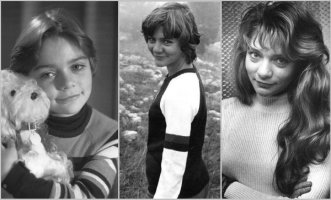
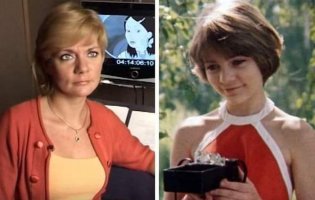
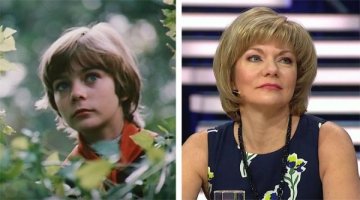
Ната́лия Евге́ньевна Гу́сева (с 1993 года — Мурашке́вич; род. 15 февраля 1972, Звенигород, Московская область) — советская киноактриса, звезда советского кино 1980-х годов, получившая широкую известность после исполнения роли Алисы Селезнёвой в детском пятисерийном телефильме «Гостья из будущего» режиссёра Павла Арсенова. В 1983—1988 годах снялась в пяти художественных фильмах.

С 1994 года — профессиональный биохимик, руководитель производства иммунобиологических препаратов. В 2008 году, после двадцатилетнего перерыва, приняла участие в нескольких кино- и телепроектах.

Наталия Евгеньевна Гусева родилась 15 февраля 1972 года в Звенигороде. Отец — Евгений Александрович Гусев (21 октября 1942—2014), оператор в электронной промышленности; мать — Галина Макаровна Гусева (род. 19 марта 1944), врач-терапевт.

В 1979 году пошла в первый класс московской средней школы № 692.

В 1983 году в её школу пришёл ассистент с Киностудии имени М. Горького, который искал детей с хорошей дикцией. Наташа оказалась в числе отобранных и получила приглашение на пробы. Так её первой ролью в кино стала роль школьницы в детском короткометражном фильме «Опасные пустяки» (1983), который был снят для учебного ознакомления детей с правилами дорожного движения. На озвучке своей роли Наташа попалась на глаза ассистенту Павла Арсенова, который искал девочку на роль Алисы Селезнёвой в телефильме «Гостья из будущего» (1984). При знакомстве с Арсеновым Наташа так разволновалась, что, называя свой год рождения, оговорилась и вместо 1972-го назвала 1872-й.

Роль Алисы в «Гостье из будущего» принесла Гусевой всесоюзную популярность. Письма поклонников шли Наташе даже из-за пределов Советского Союза, но к обрушившейся на неё славе она оказалась совершенно не готова. У Наташи были какое-то время проблемы с осанкой, так как она ходила, низко опустив голову, чтобы её не обнаружили поклонники. Далее в её кинокарьере последовали ещё три фильма: «Гонка века» (1986), «Лиловый шар» (1987) и «Воля Вселенной» (1988), но такого успеха, какой был у «Гостьи из будущего», они не получили. В «Гонке века» роль Наташи была второплановой, если не эпизодической, фильм «Воля Вселенной» в прокате прошёл совершенно незаметно, а «Лиловый шар» тоже не имел популярности, сравнимой с первым фильмом об Алисе.

В 1989 году ей предложили сыграть главную роль — Валерию Николаеву в криминальной драме «Авария — дочь мента», но, поскольку сюжет содержал сцены насилия, то Наталия отказалась от предложения, так как не хотела разрушать светлый образ Алисы Селезнёвой. Наталия никогда не мечтала стать профессиональной актрисой, так как с детства увлекалась биологией и съёмки в кино считала не более чем детским приключением. Окончив школу в 1989 году, она поступила в Московский государственный институт тонкой химической технологии на кафедру биотехнологии, который окончила в 1994 году. После этого Гусева-Мурашкевич работала научным сотрудником НИИ эпидемиологии и микробиологии имени Н. Ф. Гамалеи. Наталия являлась одним из руководителей компании диагностики в области инфекционных заболеваний, разрабатывающей и производящей иммуноферментные тест-системы для диагностики ряда инфекционных заболеваний.

В 2007 году на телеканале НТВ в передаче «Главный герой» вышел выпуск «Наташа Гусева: Алиса стала взрослой», рассказывающий о судьбе Мурашкевич и остальных юных актёров фильма «Гостья из будущего», о роли фильма для поколения 1980-х и о культурном феномене «алисомании».

В 2009 году Мурашкевич ненадолго вернулась в кино, озвучив одну из ролей в мультфильме «День рождения Алисы» и сыграв эпизодическую роль в телесериале «Литейный».

По состоянию на май 2017 года не работала, полностью посвятив себя младшей дочери и семье.

В мае 2025 года СМИ сообщили о наличии онкологического заболевания у актрисы, прогрессирующего в отрицательную сторону.53-летняя Наталья почувствовала ухудшение состояния здоровья ещё несколько лет назад. Результаты анализов подтвердили наличие онкологии, и с тех пор Наталья перенесла несколько операций. Но войти в устойчивую ремиссию ей пока не удаётся.

Natalia Evgenyevna Guseva (since 1993 — Muraskevich; born February 15, 1972, in Zvenigorod, Moscow Region) is a Soviet film actress and a star of Soviet cinema in the 1980s, who became widely known after playing the role of Alisa Seleznyova in the children’s five-part television film “Guest from the Future”, directed by Pavel Arsenov. Between 1983 and 1988, she appeared in five feature films.


Since 1994, she has been a professional biochemist and a manager in the production of immunobiological preparations. In 2008, after a twenty-year break, she took part in several film and television projects.

Natalia Evgenyevna Guseva was born on February 15, 1972, in Zvenigorod. Her father was Evgeny Aleksandrovich Gusev (October 21, 1942–2014), an operator in the electronics industry; her mother is Galina Makarovna Guseva (born March 19, 1944), a general practitioner.

In 1979, she entered the first grade of Moscow Secondary School No. 692.

In 1983, an assistant from the M. Gorky Film Studio came to her school looking for children with good diction. Natasha was among those selected and was invited to audition. Her first film role was that of a schoolgirl in the children’s short film “Dangerous Trifles” (1983), which was made for educational purposes to familiarize children with traffic rules. While recording her role, Natasha caught the attention of an assistant to Pavel Arsenov, who was looking for a girl to play Alisa Seleznyova in the television film “Guest from the Future” (1984). When she met Arsenov, Natasha became so nervous that, when stating her year of birth, she made a mistake and said 1872 instead of 1972.

The role of Alisa in “Guest from the Future” brought Guseva nationwide popularity. Letters from fans arrived even from outside the Soviet Union, but she was completely unprepared for the fame that suddenly descended upon her. For some time, Natasha had problems with her posture because she walked with her head lowered so that her admirers would not recognize her. Three more films followed in her acting career: “Race of the Century” (1986), “The Purple Ball” (1987), and “The Will of the Universe” (1988), but none achieved the success of “Guest from the Future”. In “Race of the Century”, Natasha’s role was secondary, if not episodic; “The Will of the Universe” passed almost unnoticed in cinemas, while “The Purple Ball” also failed to achieve popularity comparable to the first film about Alisa.

In 1989, she was offered the leading role of Valeria Nikolaeva in the crime drama “The Accident — Daughter of a Policeman”, but because the plot contained scenes of violence, Natalia turned down the offer, as she did not want to destroy the wholesome image of Alisa Seleznyova. Natalia had never dreamed of becoming a professional actress, as she had been interested in biology since childhood and considered acting in films nothing more than a childhood adventure. After graduating from school in 1989, she entered the Moscow Institute of Fine Chemical Technology, studying biotechnology, and graduated in 1994. After that, Guseva-Muraskevich worked as a research scientist at the N. F. Gamaleya Research Institute of Epidemiology and Microbiology. Natalia was one of the managers of a diagnostic company specializing in infectious diseases, which developed and produced enzyme-linked immunosorbent assay (ELISA) test systems for diagnosing a number of infectious diseases.

In 2007, the television program “Glavny Geroy” on the NTV channel aired an episode titled “Natasha Guseva: Alisa Has Grown Up”, telling the story of Muraskevich and the other young actors from “Guest from the Future”, the film’s significance for the generation of the 1980s, and the cultural phenomenon known as “Alisomania”.

In 2009, Muraskevich briefly returned to cinema, providing the voice for one of the roles in the animated film “Alice’s Birthday” and playing an episodic role in the television series “Liteyny”.

As of May 2017, she was not working, devoting herself entirely to her younger daughter and her family.

In May 2025, media outlets reported that the actress had been diagnosed with cancer, which was reportedly progressing adversely. The 53-year-old Natalia had begun experiencing a deterioration in her health several years earlier. Test results confirmed the presence of cancer, and since then Natalia has undergone several operations. However, according to those reports, she has not yet been able to achieve stable remission.
Natalia Yevguénievna Gúseva (desde 1993, Murasquévich; nacida el 15 de febrero de 1972 en Zvenígorod, región de Moscú) es una actriz de cine soviética y una estrella del cine soviético de la década de 1980, que alcanzó gran popularidad después de interpretar el papel de Alisa Selezniova en la película infantil para televisión de cinco episodios «Una visitante del futuro», dirigida por Pavel Arsenov. Entre 1983 y 1988 participó en cinco largometrajes.


Desde 1994 es bioquímica profesional y responsable de producción de preparados inmunobiológicos. En 2008, después de una pausa de veinte años, participó en varios proyectos cinematográficos y televisivos.

Natalia Yevguénievna Gúseva nació el 15 de febrero de 1972 en Zvenígorod. Su padre fue Yevgueni Aleksándrovich Gúsev (21 de octubre de 1942–2014), operador en la industria electrónica; su madre es Galina Makárovna Gúseva (nacida el 19 de marzo de 1944), médica de medicina general.

En 1979 comenzó el primer curso en la escuela secundaria moscovita n.º 692.

En 1983, un asistente del Estudio Cinematográfico M. Gorki acudió a su escuela buscando niños con buena dicción. Natasha fue seleccionada e invitada a una prueba. Así, su primer papel cinematográfico fue el de una alumna en el cortometraje infantil «Pequeñas cosas peligrosas» (1983), realizado con fines educativos para familiarizar a los niños con las normas de circulación. Durante la grabación de su papel, Natasha llamó la atención de un asistente de Pavel Arsenov, que buscaba una niña para interpretar a Alisa Selezniova en la película televisiva «Una visitante del futuro» (1984). Al conocer a Arsenov, Natasha se puso tan nerviosa que, al decir su año de nacimiento, se equivocó y dijo 1872 en lugar de 1972.

El papel de Alisa en «Una visitante del futuro» proporcionó a Gúseva una enorme popularidad en toda la Unión Soviética. Recibía cartas de admiradores incluso desde fuera de la URSS, pero no estaba en absoluto preparada para la fama que cayó repentinamente sobre ella. Durante algún tiempo, Natasha tuvo problemas de postura porque caminaba con la cabeza baja para evitar que sus admiradores la reconocieran. Posteriormente interpretó otros tres papeles cinematográficos: «La carrera del siglo» (1986), «La esfera púrpura» (1987) y «La voluntad del universo» (1988), pero ninguno alcanzó el éxito de «Una visitante del futuro». En «La carrera del siglo», el papel de Natasha era secundario, si no episódico; «La voluntad del universo» pasó prácticamente desapercibida en los cines, y «La esfera púrpura» tampoco alcanzó una popularidad comparable a la primera película sobre Alisa.

En 1989 le ofrecieron el papel protagonista de Valeria Nikoláyeva en el drama criminal «El accidente — hija de un policía», pero, debido a que el argumento contenía escenas de violencia, Natalia rechazó la propuesta, ya que no quería destruir la imagen luminosa de Alisa Selezniova. Natalia nunca había soñado con convertirse en actriz profesional, ya que desde niña estaba interesada en la biología y consideraba la participación en películas poco más que una aventura infantil. Después de terminar la escuela en 1989, ingresó en el Instituto Estatal de Tecnología Química Fina de Moscú, en el departamento de biotecnología, y se graduó en 1994. Posteriormente, Gúseva-Murasquévich trabajó como investigadora científica en el Instituto de Investigación de Epidemiología y Microbiología N. F. Gamaleya. Natalia fue una de las responsables de una empresa de diagnóstico especializada en enfermedades infecciosas, que desarrollaba y producía sistemas de pruebas inmunoenzimáticas para el diagnóstico de diversas enfermedades infecciosas.

En 2007, el canal NTV emitió en el programa «Glavny Geroy» un episodio titulado «Natasha Guseva: Alisa se ha hecho adulta», dedicado a la vida de Murasquévich y de los demás jóvenes actores de «Una visitante del futuro», al papel de la película para la generación de los años 1980 y al fenómeno cultural conocido como «alisomanía».

En 2009, Murasquévich regresó brevemente al cine, prestando su voz a uno de los personajes de la película de animación «El cumpleaños de Alisa» y participando en un papel episódico en la serie de televisión «Liteyny».

En mayo de 2017, según la información indicada en el texto, no trabajaba y se dedicaba por completo a su hija menor y a su familia.

En mayo de 2025, medios de comunicación informaron de que la actriz padecía una enfermedad oncológica que, según esos informes, estaba evolucionando desfavorablemente. Natalia, de 53 años, había comenzado a experimentar un deterioro de su estado de salud varios años antes. Los resultados de los análisis confirmaron la presencia de una enfermedad oncológica y, desde entonces, Natalia se ha sometido a varias operaciones. Sin embargo, según esos informes, todavía no ha conseguido alcanzar una remisión
estable.
Photo1517 Natal ya Guseva Gost ya iz buduschego kadr iz fil ma

Sel pre063715 780x585
Scale 1200 18 600x363
Gusevava
1577483100191734109 600x334
354494


354493
236919797
 
Top