• Legal Notice – MuscleMecca Forums

    MuscleMecca.com is an educational discussion platform. We do not sell, promote, or endorse any bodybuilding gear, supplements, research chemicals, or performance-enhancing substances.

    All discussions are for educational and informational purposes only. Nothing posted on this forum should be considered medical or legal advice.

    Do not attempt to sell, source, or promote illegal substances. Any such activity will result in an immediate and permanent ban and may be reported to the proper authorities.

    By using this site, you agree to comply with all forum rules, disclaimers, and applicable laws in your jurisdiction.

    Read Our Full Disclaimer and Forum Rules

History of Soviet cosmonautics.

Frimen1917

Frimen1917

Mecca V.I.P.
VIP
Joined
Jan 9, 2026
Messages
3,283
Points
63

Начало публикации романа Артура Кларка «2010: Одиссея-2»​

Журнал «Техника — молодёжи», № 2, 1984 год​

Предисловие автора​

Поездка в Советский Союз летом 1982 года навсегда останется в моей памяти.

Когда я был в Звёздном городке, в гостях у моего любимого космонавта Алексея Леонова (командира экспедиции «Союз» — «Аполлон» и первого в мире человека, вышедшего в открытый космос), я рассказал ему о своём новом романе. И раскрыл небольшой секрет: признался, что действие «Одиссеи-2» протекает на борту космического корабля, на котором летят семь русских и три американца и который называется «Космонавт Алексей Леонов». Это, разумеется, Алексею очень понравилось, и теперь весь Советский Союз благодаря телевидению и журналу «Техника — молодёжи» знает его блестящий экспромт: «О, я буду прекрасным кораблём!»

А через неделю, вернувшись в Коломбо, я увидел на своём столе гранки «Одиссеи-2» с требованием редактора телефонировать все исправления в Нью-Йорк в ближайшие 48 часов.

«Одиссея-2» — это продолжение романа «2001: Космическая одиссея», начатого в 1964 году. «Космическая одиссея» была опубликована в июле 1968 года, вскоре после выхода одноимённого фильма, поставленного режиссёром С. Кубриком. Работа над фильмом и книгой велась одновременно, с взаимной обратной связью. Я часто испытывал странное ощущение, когда правил рукопись после просмотра соответствующих эпизодов. Как выяснилось, это весьма эффективный (хотя и не самый дешёвый) способ писать романы.

Тем не менее благодаря этому сходство между книгой и фильмом получилось гораздо больше, чем это обычно бывает. Но есть и важные отличия. В романе космический корабль «Дискавери» направляется к Япету, наиболее загадочному из многочисленных спутников Сатурна. Корабль использует гравитационное поле Юпитера для изменения траектории и набора дополнительной скорости. Точно такой же манёвр выполнили в 1979 году космические зонды «Вояджер», осуществившие первую детальную разведку внешних планет.

В фильме, однако, режиссёр Кубрик с присущей ему мудростью избежал неразберихи, организовав третью встречу Человека и «монолита» среди лун Юпитера. И повествование, которое вы начинаете читать, несколько сложнее, чем просто продолжение предыдущего романа — или фильма. Там, где они отличаются, я следовал киноверсии; однако мне хотелось сделать «Одиссею-2» книгой самостоятельной и возможно более точной в свете современного знания…

…Которое, конечно же, к 2001 году опять устареет, как бывало неоднократно. В середине 60-х годов никто не мог и вообразить, что исследование системы Юпитера начнётся через каких-нибудь 15 лет. Когда писался роман, Ио, Европа, Ганимед и Каллисто даже сквозь мощные телескопы выглядели просто светлыми точками; теперь это миры, каждый из которых уникален. А Ио считается сейчас рекордсменом Солнечной системы по вулканической деятельности…

Несмотря на всё это, и фильм, и книга даже в свете последних открытий выглядят не так уж плохо. Однако новые тексты необходимо согласовывать с результатами исследований 1979 года; луны Юпитера навсегда перестали быть «белыми пятнами».

Есть ещё одно обстоятельство, которое нужно учитывать. «Космическая одиссея» написана хотя и после полёта Юрия Гагарина, но до того, как Нил Армстронг ступил на Луну. Теперь история и фантазия необратимо переплелись.

Экипажи лунных кораблей были уже знакомы и с романом, и с фильмом. Астронавты «Аполлона-8», которые в декабре 1968 года первыми из людей увидели воочию обратную сторону Луны, рассказывали, что им очень хотелось радировать на Землю об открытии громадного чёрного «монолита»: увы, благоразумие восторжествовало.

Потом последовал ряд почти невозможных совпадений. Драматический полёт «Аполлона-13» в 1970 году был ими особенно богат.

Командный модуль корабля назывался «Одиссей». (По-английски слова «Одиссей» и «одиссея» пишутся одинаково. — Ред.) Непосредственно перед взрывом, с которого начались все беды, астронавты слушали «Заратустру» Рихарда Штрауса: эта мелодия, по-моему, неотделима от нашего фильма. Сразу же после взрыва Джек Свайгерт радировал в Центр управления полётами: «Хьюстон, у нас возникла проблема». Слова, которые употребил в аналогичной ситуации ЭАЛ, звучали так: «Извините за беспокойство, но у нас возникла проблема».

До сих пор, когда я размышляю над этими событиями, у меня возникает странное чувство — будто я действительно виноват в чём-то…

В одной из глав «Космической одиссеи» описан открытый Боуменом «глаз Япета» — «сверкающий белый овал, около четырёхсот миль в длину и двухсот в ширину… совершенно симметричный… и с такими чёткими краями, что он выглядел… нарисованным на лике маленького спутника». Когда Боумен приблизился к Япету, ему показалось, что «яркий эллипс на тёмном фоне поверхности спутника был гигантским пустым глазом, следящим за ним по мере приближения…». Позже он заметил «маленькую чёрную точку точно в центре», которая, как вскоре выяснилось, была «монолитом» (или одним из его воплощений).

А когда «Вояджер-1» передал на Землю первые фотографии Япета, они показали… большой, резко очерченный белый овал с маленькой чёрной точкой в центре! «Вояджер-2» прошёл вдалеке от спутника, и вопрос о природе этого загадочного образования остаётся пока открытым. Даже не знаю, радоваться мне по этому поводу или, наоборот, огорчаться…

Алексея Леонова, думаю, представлять читателям «ТМ» необязательно. Кстати, его картина «Около Луны» — это ещё одно звено, связывающее «Космическую одиссею» с действительностью. В 1968 году, после просмотра нашего фильма на Конференции ООН по мирному использованию космоса, Алексей подошёл ко мне с альбомом «Ждите нас, звёзды» (Москва, 1967) и показал репродукцию этой работы. Композиционно она решена точно так же, как и первые кадры фильма: Земля поднимается из-за Луны, а за ними восходит Солнце. Подписанный Леоновым эскиз картины висит сейчас на стене моего кабинета. Оригинал же, как явствует из главы 7 «Одиссеи-2», будет через четверть века украшать кают-компанию советского космического корабля «Космонавт Алексей Леонов»…

Работая над романом, я ставил перед собой задачу — способствовать достижению дружбы между народами. Если мы хотим мира, мы должны готовиться к миру. Хотя противоположная точка зрения имела право на существование в век копий и мечей, в эпоху ядерного оружия она безрассудна. Ушли в прошлое времена и культуры, когда было немыслимо (и часто неумно), чтобы человек появлялся в обществе без оружия. В наше цивилизованное время такая необходимость исчезла, хотя ещё встречаются патологические индивидуумы, у которых соответствующие желания ещё есть. Вот я и изобразил русских и американских астронавтов и учёных, сотрудничающих в космосе. Надеюсь, это одно из тех предсказаний, которые сами содействуют своему осуществлению…

Полагаю, что, несмотря на временные трудности, оно когда-нибудь сбудется. А пока мне приятно сообщить, что космический корабль «Алексей Леонов» уже начали строить в Лос-Анджелесе, где роман собираются экранизировать.

Хотелось бы надеяться, что советским читателям роман понравится и что когда-нибудь они увидят и фильм.

Коломбо, 29 октября 1983 г.

От редакции​
Артур Кларк, знаменитый английский писатель-фантаст, уже четверть века живущий в Шри-Ланке, — давний друг нашего журнала. Читатели «ТМ» знакомы с его романом «Фонтаны рая». Иван Антонович Ефремов так отзывался о его творчестве: «Фантастика Кларка гуманистична. Её картины будущего никогда не «приправлялись» убийственными катастрофами, разгулом ненависти и угнетения, о чём любят писать многие зарубежные фантасты. Артур Кларк всегда проявлял интерес и дружественные чувства к борьбе за новое общество в СССР и других социалистических странах».

Писатель был гостем нашего журнала, неоднократно излагал на его страницах свои представления о будущем — неизменно оптимистические, насыщенные верой в научно-технический и социальный прогресс, уважением к советскому народу.

Симптоматично, что в нынешнее тревожное время, когда силы реакции ставят мир под угрозу ядерной катастрофы, писатель вновь обратился к перу, поставив целью изобразить сотрудничество советских и американских учёных в деле исследования вселенной. Артур Кларк верит, что, встав на путь мирного сосуществования, человечество навсегда откажется от ядерного оружия и что все международные проблемы будут решаться исключительно мирными средствами.

Новый роман — продолжение вышедшей в издательстве «Мир» в 1970 году «Космической одиссеи 2001 года». Напомним вкратце содержание первого романа.

Американские учёные находят в лунном кратере Тихо загадочный «монолит» — абсолютно чёрный параллелепипед с отношением сторон 1:4:9, не поддающийся никаким воздействиям. Внезапно он посылает мощный направленный радиосигнал к другому такому же «монолиту», находящемуся на периферии Солнечной системы. Оба «артефакта» оставлены в Солнечной системе три миллиона лет назад некой сверхцивилизацией, поставившей своей задачей опеку над искрами разума, появляющимися в Галактике. К Юпитеру вылетает американская экспедиция на космическом корабле «Дискавери». В результате функционального расстройства кибермозга участники экспедиции, кроме её командира Дэвида Боумена, трагически погибают. Боумен на небольшом индивидуальном ракетном зонде отправляется к «монолиту», тот на мгновение «открывается» и втягивает аппарат Боумена внутрь полого параллелепипеда. После подпространственного перехода Боумен оказывается далеко от Земли, возможно даже вне пространства и времени; сверхцивилизация изучает его, даёт ему новый облик, наделяет новыми качествами. Теперь он — её представитель, но люди на Земле этого не знают. Для них Боумен пропал без вести, и только пустой «Дискавери» кружит теперь по орбите между Ио и Юпитером…
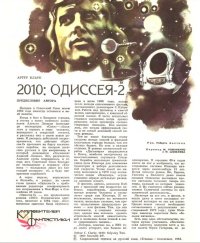
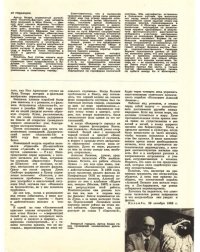
На фото первые страницы романа "2010: Одиссея-2" в советском журнале "Техника-молодежи" с предисловием Артура Кларка и с текстом от редакции. Рисунок художника Роберта Авотина. Перевод М.Романенко и М.Шевелева. Внизу одной из страниц фотография Артура Кларка возле скафандра который он потом одел.

The beginning of the publication of Arthur Clarke’s novel 2010: Odyssey Two in the Soviet magazine Tekhnika — Molodezhi, No. 2, 1984.


Author’s Preface​

My trip to the Soviet Union in the summer of 1982 will forever remain in my memory.

When I was in Star City, visiting my favourite cosmonaut Alexei Leonov (commander of the Soyuz–Apollo mission and the first man in the world to walk in open space), I told him about my new novel. And I revealed a small secret: I confessed that the action of Odyssey Two takes place on board a spaceship carrying seven Russians and three Americans, and that the ship is named Cosmonaut Alexei Leonov. Naturally, Alexei was very pleased, and now the whole Soviet Union, thanks to television and the magazine Tekhnika — Molodezhi, knows his brilliant impromptu remark: “Oh, I shall be a fine ship!”

A week later, back in Colombo, I found the galleys of Odyssey Two on my desk with the editor’s demand that all corrections be telephoned to New York within the next 48 hours.

Odyssey Two is a sequel to the novel 2001: A Space Odyssey, begun in 1964. A Space Odyssey was published in July 1968, shortly after the release of the film of the same name directed by Stanley Kubrick. Work on the film and the book proceeded simultaneously, with mutual feedback. I often experienced a strange sensation when correcting the manuscript after viewing the corresponding scenes. As it turned out, this is a highly effective (though not the cheapest) way of writing novels.

Nevertheless, thanks to this the similarity between the book and the film turned out to be much greater than is usually the case. But there are also important differences. In the novel the spaceship Discovery is headed for Iapetus, the most enigmatic of Saturn’s numerous moons. The ship uses Jupiter’s gravitational field to change its trajectory and gain additional speed. Exactly the same manoeuvre was performed in 1979 by the Voyager space probes, which carried out the first detailed reconnaissance of the outer planets.

In the film, however, director Kubrick, with his characteristic wisdom, avoided the confusion by arranging the third encounter between Man and the “monolith” among the moons of Jupiter. And the narrative you are about to begin reading is somewhat more complex than a simple continuation of the previous novel — or film. Where they differ, I followed the film version; yet I wanted to make Odyssey Two an independent book and as accurate as possible in the light of modern knowledge…

…Which, of course, will once again be outdated by the year 2001, as has happened repeatedly. In the mid-1960s no one could even imagine that exploration of the Jovian system would begin in a mere fifteen years. When the novel was being written, Io, Europa, Ganymede and Callisto looked like mere points of light even through powerful telescopes; now they are worlds, each of them unique. And Io is currently considered the record-holder of the Solar System for volcanic activity…

Despite all this, both the film and the book still look not too bad even in the light of the latest discoveries. Nevertheless, new texts must be brought into line with the results of the 1979 investigations; the moons of Jupiter have forever ceased to be “blank spots.”

There is one more circumstance that must be taken into account. A Space Odyssey was written after Yuri Gagarin’s flight, but before Neil Armstrong set foot on the Moon. Now history and fiction have become irreversibly intertwined.

The crews of the lunar ships were already familiar with both the novel and the film. The astronauts of Apollo 8, who in December 1968 were the first people to see the far side of the Moon with their own eyes, later related that they had very much wanted to radio back to Earth about the discovery of a huge black “monolith”; alas, prudence prevailed.

Then followed a series of almost impossible coincidences. The dramatic flight of Apollo 13 in 1970 was especially rich in them.

The command module of the ship was named Odyssey. (In English the words “Odyssey” and “odyssey” are spelled the same. — Ed.) Immediately before the explosion that started all the trouble, the astronauts were listening to Richard Strauss’s Also sprach Zarathustra: that melody, in my opinion, is inseparable from our film. Right after the explosion Jack Swigert radioed Mission Control: “Houston, we’ve had a problem.” The words used by HAL in a similar situation were: “Sorry to interrupt the festivities, but we have a problem.”

To this day, when I reflect on these events, I have a strange feeling — as if I were somehow really to blame…

In one of the chapters of A Space Odyssey Bowman discovers the “Eye of Iapetus” — “a glittering white oval, about four hundred miles long and two hundred wide… perfectly symmetrical… and with such sharp edges that it looked… as if it had been painted on the face of the little moon.” When Bowman approached Iapetus it seemed to him that “the bright ellipse on the dark background of the satellite’s surface was a gigantic empty eye watching him as he drew nearer…” Later he noticed “a small black spot exactly in the centre,” which, as soon as became clear, was the “monolith” (or one of its manifestations).

And when Voyager 1 transmitted the first photographs of Iapetus to Earth, they showed… a large, sharply outlined white oval with a small black spot in the centre! Voyager 2 passed far from the satellite, and the question of the nature of this enigmatic formation remains open for the time being. I still don’t know whether to rejoice about this or, on the contrary, to be upset…

I don’t think Alexei Leonov needs any introduction to the readers of TM. Incidentally, his painting Near the Moon is yet another link connecting A Space Odyssey with reality. In 1968, after watching our film at the United Nations Conference on the Peaceful Uses of Outer Space, Alexei came up to me with the album Wait for Us, Stars (Moscow, 1967) and showed me a reproduction of this work. Compositionally it is solved in exactly the same way as the opening shots of the film: Earth rising from behind the Moon, and the Sun rising behind them. The sketch of the painting signed by Leonov is now hanging on the wall of my study. The original, as is clear from Chapter 7 of Odyssey Two, will in a quarter of a century adorn the wardroom of the Soviet spaceship Cosmonaut Alexei Leonov…

Working on the novel, I set myself the task of promoting friendship between nations. If we want peace, we must prepare for peace. Although the opposite point of view had a right to exist in the age of spears and swords, in the age of nuclear weapons it is reckless. Gone are the times and cultures when it was unthinkable (and often unwise) for a man to appear in society without a weapon. In our civilised age such a necessity has disappeared, although there are still pathological individuals who retain the corresponding desires. So I depicted Russian and American astronauts and scientists cooperating in space. I hope this is one of those predictions that help bring about their own fulfilment…

I believe that, despite temporary difficulties, it will one day come true. And for the time being I am pleased to report that the spaceship Alexei Leonov has already begun to be built in Los Angeles, where the novel is going to be filmed.

I should like to hope that Soviet readers will enjoy the novel and that one day they will also see the film.

Colombo, 29 October 1983

From the Editors​

Arthur Clarke, the famous English science-fiction writer who has been living in Sri Lanka for a quarter of a century, is a long-standing friend of our magazine. Readers of TM are familiar with his novel The Fountains of Paradise and with many of his SF short stories. Ivan Antonovich Yefremov once said of his work: “Clarke’s science fiction is humanistic. Its pictures of the future have never been ‘spiced’ with deadly catastrophes, the rampage of hatred and oppression that so many foreign science-fiction writers like to write about. Arthur Clarke has always shown interest and friendly feelings towards the struggle for a new society in the USSR and other socialist countries.”

The writer has been a guest of our magazine and has repeatedly set forth on its pages his ideas about the future — invariably optimistic, filled with faith in scientific, technical and social progress, and with respect for the Soviet people.

It is symptomatic that in the present anxious time, when the forces of reaction are placing the world under the threat of nuclear catastrophe, the writer has once again taken up his pen with the aim of depicting cooperation between Soviet and American scientists in the exploration of the universe. Arthur Clarke believes that, having embarked on the path of peaceful coexistence, mankind will forever renounce nuclear weapons and that all international problems will be solved exclusively by peaceful means.

The new novel is a sequel to 2001: A Space Odyssey, published by the Mir Publishing House in 1970. Let us briefly recall the plot of the first novel.

American scientists discover in the lunar crater Tycho a mysterious “monolith” — an absolutely black parallelepiped with the side ratio 1:4:9, impervious to any influence. Suddenly it sends a powerful directed radio signal to another similar “monolith” located on the periphery of the Solar System. Both “artefacts” were left in the Solar System three million years ago by some super-civilisation whose task is to watch over the sparks of intelligence that appear in the Galaxy. An American expedition sets off for Jupiter aboard the spaceship Discovery. As a result of a functional disorder of the cyber-brain, the members of the expedition, except for its commander David Bowman, perish tragically. Bowman, in a small individual rocket probe, sets out for the “monolith”; it opens for a moment and draws Bowman’s craft inside. After a hyperspace transition Bowman finds himself far from Earth, possibly even outside space and time; the super-civilisation studies him, gives him a new appearance and endows him with new qualities. Now he is its representative, but the people on Earth do not know this. To them Bowman has disappeared without trace, and only the empty Discovery continues to orbit between Io and Jupiter…
The photo shows the opening pages of the novel "2010: Odyssey Two" as it appeared in the Soviet magazine "Tekhnika-Molodezhi" ("Technology for Youth"), featuring a foreword by Arthur C. Clarke and an editorial note. The illustration is by artist Robert Avotin. Translated by M. Romanenko and M. Shevelev.At the bottom of one of the pages is a photograph of Arthur C. Clarke next to a spacesuit that he later put on.

Inicio de la publicación de la novela de Arthur Clarke 2010: Odisea dos en la revista soviética Tekhnika — Molodezhi, n.º 2, 1984.


Prólogo del autor​

Mi viaje a la Unión Soviética en el verano de 1982 permanecerá para siempre en mi memoria.

Cuando estaba en la Ciudad de las Estrellas, de visita en casa de mi cosmonauta favorito Alexéi Leónov (comandante de la misión Soyuz-Apolo y el primer hombre del mundo que salió al espacio abierto), le hablé de mi nueva novela. Y le revelé un pequeño secreto: confesé que la acción de Odisea dos transcurre a bordo de una nave espacial en la que viajan siete rusos y tres estadounidenses, y que la nave se llama Cosmonauta Alexéi Leónov. Naturalmente, a Alexéi le gustó mucho, y ahora toda la Unión Soviética, gracias a la televisión y a la revista Tekhnika — Molodezhi, conoce su brillante improvisación: «¡Oh, seré un magnífico barco!»

Una semana después, de regreso en Colombo, encontré sobre mi mesa las pruebas de imprenta de Odisea dos con la exigencia del editor de que todas las correcciones se telefonicaran a Nueva York en las siguientes 48 horas.

Odisea dos es una continuación de la novela 2001: Una odisea del espacio, iniciada en 1964. Una odisea del espacio se publicó en julio de 1968, poco después del estreno de la película del mismo nombre dirigida por Stanley Kubrick. El trabajo sobre la película y el libro se llevó a cabo simultáneamente, con una retroalimentación mutua. A menudo experimentaba una extraña sensación cuando corregía el manuscrito después de ver las escenas correspondientes. Como resultó, este es un método muy eficaz (aunque no el más barato) de escribir novelas.

Sin embargo, gracias a esto la similitud entre el libro y la película resultó mucho mayor de lo que suele ocurrir. Pero también hay diferencias importantes. En la novela, la nave espacial Discovery se dirige hacia Jápeto, la más enigmática de las numerosas lunas de Saturno. La nave utiliza el campo gravitatorio de Júpiter para cambiar su trayectoria y ganar velocidad adicional. Exactamente la misma maniobra la realizaron en 1979 las sondas espaciales Voyager, que llevaron a cabo el primer reconocimiento detallado de los planetas exteriores.

En la película, sin embargo, el director Kubrick, con su característica sabiduría, evitó la confusión organizando el tercer encuentro entre el Hombre y el «monolito» entre las lunas de Júpiter. Y la narración que ustedes empiezan a leer es algo más compleja que una simple continuación de la novela anterior —o de la película—. Donde difieren, seguí la versión cinematográfica; sin embargo, quise hacer de Odisea dos un libro independiente y lo más preciso posible a la luz de los conocimientos modernos…

…Los cuales, por supuesto, volverán a quedar obsoletos hacia el año 2001, como ha ocurrido repetidamente. A mediados de los años 60 nadie podía ni imaginar que la exploración del sistema de Júpiter comenzaría en apenas quince años. Cuando se escribía la novela, Ío, Europa, Ganímedes y Calisto parecían meros puntos de luz incluso a través de potentes telescopios; ahora son mundos, cada uno de ellos único. Y Ío se considera actualmente el poseedor del récord del Sistema Solar en actividad volcánica…

A pesar de todo esto, tanto la película como el libro todavía no se ven tan mal a la luz de los últimos descubrimientos. Sin embargo, los nuevos textos deben ponerse de acuerdo con los resultados de las investigaciones de 1979; las lunas de Júpiter han dejado de ser para siempre «puntos blancos».

Hay otra circunstancia que debe tenerse en cuenta. Una odisea del espacio se escribió después del vuelo de Yuri Gagarin, pero antes de que Neil Armstrong pusiera el pie en la Luna. Ahora la historia y la ficción se han entrelazado de forma irreversible.

Las tripulaciones de las naves lunares ya estaban familiarizadas tanto con la novela como con la película. Los astronautas del Apolo 8, que en diciembre de 1968 fueron los primeros seres humanos en ver con sus propios ojos la cara oculta de la Luna, contaron después que habían deseado mucho radiar a la Tierra el descubrimiento de un enorme «monolito» negro; por desgracia, prevaleció la prudencia.

Luego siguió una serie de coincidencias casi imposibles. El dramático vuelo del Apolo 13 en 1970 fue especialmente rico en ellas.

El módulo de mando de la nave se llamaba Odyssey. (En inglés las palabras «Odyssey» y «odyssey» se escriben igual. — Red.) Inmediatamente antes de la explosión que inició todos los problemas, los astronautas escuchaban el Also sprach Zarathustra de Richard Strauss: esa melodía, en mi opinión, es inseparable de nuestra película. Justo después de la explosión, Jack Swigert radió al Centro de Control de la Misión: «Houston, hemos tenido un problema». Las palabras que utilizó HAL en una situación similar fueron: «Perdonen que interrumpa las festividades, pero tenemos un problema».

Hasta el día de hoy, cuando reflexiono sobre estos acontecimientos, siento una extraña sensación: como si de verdad tuviera alguna culpa…

En uno de los capítulos de Una odisea del espacio, Bowman descubre el «Ojo de Jápeto»: «un óvalo blanco reluciente, de unos cuatrocientos kilómetros de largo y doscientos de ancho… perfectamente simétrico… y con unos bordes tan nítidos que parecía… pintado en la cara de la pequeña luna». Cuando Bowman se acercó a Jápeto le pareció que «la elipse brillante sobre el fondo oscuro de la superficie del satélite era un ojo vacío gigantesco que lo observaba mientras se aproximaba…». Más tarde notó «un pequeño punto negro exactamente en el centro», que, como se aclaró de inmediato, era el «monolito» (o una de sus manifestaciones).

Y cuando el Voyager 1 transmitió a la Tierra las primeras fotografías de Jápeto, mostraron… ¡un gran óvalo blanco de contornos nítidos con un pequeño punto negro en el centro! El Voyager 2 pasó lejos del satélite, y la cuestión de la naturaleza de esta enigmática formación sigue abierta por el momento. Todavía no sé si alegrarme por ello o, por el contrario, disgustarme…

Creo que no es necesario presentar a Alexéi Leónov a los lectores de TM. Por cierto, su cuadro Cerca de la Luna es otro eslabón más que une Una odisea del espacio con la realidad. En 1968, después de ver nuestra película en la Conferencia de las Naciones Unidas sobre la Utilización del Espacio Ultraterrestre con Fines Pacíficos, Alexéi se me acercó con el álbum Esperadnos, estrellas (Moscú, 1967) y me mostró una reproducción de esta obra. Composicionalmente está resuelta exactamente igual que los primeros fotogramas de la película: la Tierra surge de detrás de la Luna, y detrás de ellas se eleva el Sol. El boceto del cuadro firmado por Leónov cuelga ahora en la pared de mi despacho. El original, como se desprende del capítulo 7 de Odisea dos, adornará dentro de un cuarto de siglo el comedor de la nave espacial soviética Cosmonauta Alexéi Leónov…

Al trabajar en la novela me propuse la tarea de contribuir al logro de la amistad entre los pueblos. Si queremos la paz, debemos prepararnos para la paz. Aunque el punto de vista opuesto tenía derecho a existir en la época de las lanzas y las espadas, en la era de las armas nucleares es temerario. Han pasado los tiempos y las culturas en que era impensable (y a menudo imprudente) que un hombre se presentara en sociedad sin un arma. En nuestra época civilizada esa necesidad ha desaparecido, aunque todavía se encuentran individuos patológicos que conservan los deseos correspondientes. Por eso representé a astronautas y científicos rusos y estadounidenses colaborando en el espacio. Espero que esta sea una de esas predicciones que contribuyen a su propio cumplimiento…

Creo que, a pesar de las dificultades temporales, algún día se hará realidad. Y por ahora me complace informar de que la nave espacial Alexéi Leónov ya ha empezado a construirse en Los Ángeles, donde se van a llevar a la pantalla la novela.

Me gustaría esperar que a los lectores soviéticos les guste la novela y que algún día vean también la película.

Colombo, 29 de octubre de 1983

De la redacción​

Arthur Clarke, el famoso escritor inglés de ciencia ficción que lleva ya un cuarto de siglo viviendo en Sri Lanka, es un amigo de larga data de nuestra revista. Los lectores de TM conocen su novela Las fuentes del paraíso y muchos de sus relatos de ciencia ficción. Iván Antónovich Yefrémov dijo una vez de su obra: «La ciencia ficción de Clarke es humanista. Sus cuadros del futuro nunca se han “sazonado” con catástrofes mortíferas, el desenfreno del odio y la opresión de los que tanto les gusta escribir a muchos escritores extranjeros de ciencia ficción. Arthur Clarke siempre ha mostrado interés y sentimientos amistosos hacia la lucha por una nueva sociedad en la URSS y en otros países socialistas».

El escritor ha sido invitado de nuestra revista y ha expuesto repetidamente en sus páginas sus ideas sobre el futuro —invariablemente optimistas, impregnadas de fe en el progreso científico, técnico y social, y de respeto hacia el pueblo soviético—.

Es sintomático que en el actual momento de inquietud, cuando las fuerzas de la reacción ponen al mundo bajo la amenaza de una catástrofe nuclear, el escritor haya vuelto a tomar la pluma con el objetivo de representar la colaboración entre científicos soviéticos y estadounidenses en la exploración del universo. Arthur Clarke cree que, una vez emprendido el camino de la coexistencia pacífica, la humanidad renunciará para siempre a las armas nucleares y que todos los problemas internacionales se resolverán exclusivamente por medios pacíficos.

La nueva novela es una continuación de 2001: Una odisea del espacio, publicada por la editorial Mir en 1970. Recordemos brevemente el argumento de la primera novela.

Unos científicos estadounidenses descubren en el cráter lunar Tycho un misterioso «monolito»: un paralelepípedo absolutamente negro con la proporción de lados 1:4:9, impermeable a cualquier influencia. De pronto envía una potente señal de radio dirigida hacia otro «monolito» similar situado en la periferia del Sistema Solar. Ambos «artefactos» fueron dejados en el Sistema Solar hace tres millones de años por alguna supercivilización cuya tarea es vigilar las chispas de inteligencia que aparecen en la Galaxia. Una expedición estadounidense parte hacia Júpiter a bordo de la nave espacial Discovery. Como resultado de un trastorno funcional del cerebro cibernético, los miembros de la expedición, excepto su comandante David Bowman, perecen trágicamente. Bowman, en una pequeña sonda cohete individual, se dirige hacia el «monolito»; este se abre por un momento y atrae la nave de Bowman al interior. Después de una transición hiperespacial, Bowman se encuentra lejos de la Tierra, posiblemente incluso fuera del espacio y del tiempo; la supercivilización lo estudia, le da una nueva apariencia y le confiere nuevas cualidades. Ahora es su representante, pero la gente de la Tierra no lo sabe. Para ellos Bowman ha desaparecido sin dejar rastro, y solo el Discovery vacío sigue orbitando entre Ío y Júpiter…
En la imagen se muestran las primeras páginas de la novela «2010: Odisea 2», publicada en la revista soviética «Tekhnika-molodezhi» (Tecnología para la Juventud), con prólogo de Arthur C. Clarke y texto editorial. Ilustración de Robert Avotin. Traducción de M. Romanenko y M. Shevelev.En la parte inferior de una de las páginas hay una fotografía de Arthur Clarke junto al traje espacial que se puso posteriormente.
Clipboard 10 18 2026 08 Clipboard 10 18 2026 09
 
Frimen1917

Frimen1917

Mecca V.I.P.
VIP
Joined
Jan 9, 2026
Messages
3,283
Points
63
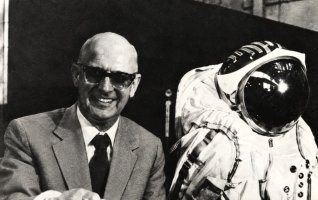
Артур Кларк в Звездном городке. СССР. 1982.
Arthur C. Clarke in Star City. USSR. 1982.
Arthur Clarke en Ciudad de las estrellas. URSS. 1982.
 viber 2026 10 19 14 17 33 129
 
Frimen1917

Frimen1917

Mecca V.I.P.
VIP
Joined
Jan 9, 2026
Messages
3,283
Points
63
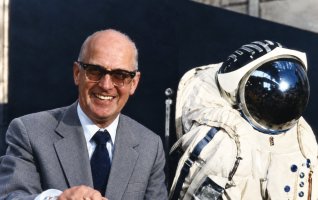
Артур Кларк в Звездном городке. СССР. 1982. Колоризация фото.
Arthur Clarke in Star City. USSR. 1982. Colorized photo.
Arthur Clarke en Ciudad de las estrellas. URSS. 1982.Coloración de fotografías.
 viber 2026 10 19 17 14 49 807
 
Frimen1917

Frimen1917

Mecca V.I.P.
VIP
Joined
Jan 9, 2026
Messages
3,283
Points
63
А. Кларк. На гребне волны (прогноз будущего)

«Техника — молодежи» 1978 г., № 6, с. 16–19​

ФАНТАСТЫ МИРА О БУДУЩЕМ ЧЕЛОВЕКА​

Об авторе​

АРТУР КЛАРК

Живет в Коломбо (Шри Ланка) удивительно прозорливый человек, которого знает весь мир. Еще в октябре 1945 года он, например, предложил создать всемирную систему телевидения с использованием трех искусственных спутников Земли, запущенных на высоту 35 тыс. км над экватором. Его научно-фантастические романы, повести, рассказы читаются нарасхват, а снятый по его сценарию фильм «Одиссея-2001» просмотрели сотни миллионов людей. Этот человек, как вы уже, наверное, догадались, Артур Кларк.

Он скромен, любознателен, очень благожелателен к людям. С большим уважением относится к нам, к нашей стране. Лучшей своей работой считает последнюю — повесть «Райский источник», законченную в январе нынешнего года. Десять лет трудился он над ней, вдохновившись идеей ленинградского инженера Юрия Арцутанова о Космическом Лифте или Космическом Фуникулере (см. «Комсомольскую правду» от 31 июля 1970 года или «Технику — молодежи» № 10 за 1961 год). По признанию самого Артура Кларка, это, по-видимому, его последняя работа в жанре вымысла. Увы, известнейший писатель недавно решил отойти от фантастики.

Артур Кларк систематически и с максимальной непредубежденностью попытался исследовать перспективы исторического развития человека и человечества не только в фантастических произведениях, но и в научно-публицистических книгах «Черты будущего» (переведена в СССР в 1966 году), «Рапорт с третьей планеты» (под «третьей планетой» имеется в виду Земля) и в только что опубликованной книге «Взгляд с Серендипа» (Серендип — мифическое название острова Цейлон). Всего же перу Артура Кларка принадлежит более 20 научно-популярных и 26 научно-фантастических книг.

На гребне волны​

Я оптимист, хотя осознаю, что любое открытие можно использовать не только во благо, но и во вред. Все же, по моему мнению, чем выше разум, тем сильнее стремление к сотрудничеству. Что же касается различных угрожающих катастроф (термоядерной, энергетической, экологической, демографической и т. п.), логически неизбежных при сохранении нынешних тенденций развития, то я уповаю на новые научные открытия, которые направят человечество по новым путям. Такие «прорывы» науки нельзя предвидеть, но в прошлом они столько раз помогали нам обойти непреодолимые препятствия, что никакая картина будущего не может считаться правильной без их учета.

Всякая цивилизация в некотором смысле подобна австралийскому или гавайскому серферу — спортсмену на доске, скользящему по гребню прибойной океанской волны. Волна, несущая нас, еще только начала свой бег. Позади остались рифы, которые мы уже преодолели; под нами — могучая волна, она едва начинает пениться, выгибая гребень все выше и выше над морем...

А что впереди?

Мы не можем сказать: мы еще слишком далеко от берега. С нас достаточно того, что мы летим вперед — на гребне волны!

Берег, к которому мы несемся, — это граница неизведанной и не нанесенной еще на карту страны. Как же набросать ее контуры и представить ее размеры, если за кромкой прибоя не видна суша, если будущее не поддается логическому предвидению? Говорят, нужны интуиция, гениальность, знания. Я же полагаю, что необходимо прежде всего культивировать в себе способность к дерзанию, к воображению. Судя по всему, люди легко утрачивают именно способность к дерзанию. Даже имея в своем распоряжении все необходимые факты, недерзновенные люди упорно не хотят видеть, что эти факты неотвратимо влекут за собой определенный вывод. Например, когда мир узнал о существовании «Фау-2» с дальностью полета порядка 300 километров, советник премьер-министра Черчилля по научным вопросам лорд Черуэлл назвал немецкую баллистическую ракету всего лишь пропагандистской уткой, а советник американского правительства по научным проблемам Ванневар Буш в докладе сенатской комиссии заявил, что создание межконтинентальных баллистических ракет «еще много лет будет неосуществимым» и поэтому следует «отбросить всякие помыслы о создании такой ракеты».

Между тем опыт последнего столетия показал: все, что теоретически возможно, обязательно будет осуществлено на практике, как бы ни были велики технические трудности.

Дерзновенность и воображение — свойства молодости. В свое время я сформулировал «закон Кларка», который гласит: «Когда выдающийся, но уже пожилой ученый заявляет, что какая-либо идея осуществима, он почти всегда прав. Когда он заявляет, что какая-либо идея неосуществима, он, вероятнее всего, ошибается».

Избыток воображения встречается значительно реже, чем его недостаток; когда это случается, на его злосчастного обладателя валятся все беды и неудачи. Избегают этой участи лишь писатели-фантасты, благоразумно излагающие свои идеи только на бумаге и не помышляющие провести их в жизнь. Их отличает также чрезвычайная интеллектуальная дерзновенность. На свете осталось мало такого, что в принципе может случиться и что не было бы описано в какой-нибудь книге или журнале. Впрочем, мы должны помнить предупреждение профессора Дж. Холдейна: «Вселенная не только более необычайна, чем мы себе представляем, — она более необычайна, нежели мы можем себе представить».

Очевидно, есть только один способ подготовить себя к открытиям, которые нельзя предсказать, — попытаться сохранить широкий кругозор и непредубежденность. Но достичь этого весьма трудно даже при величайшей целеустремленности.

Пытаясь определить границы, в пределах которых лежат все мыслимые варианты будущего, целесообразно ограничиться только одним аспектом будущего — его техникой, не затрагивая возможных вариантов общественного устройства... Дело в том, что в будущем влияние науки и техники на отношения людей и структуру общества, по-видимому, будет еще большим, чем ныне, в эпоху НТР.

Я твердо убежден, что запуск первого спутника, осуществленный в СССР в 1957 году, а еще ранее эпохальные идеи К. Э. Циолковского ознаменовали вступление человечества в космическую фазу своей истории, своего бытия. Наши дети вырастают, играя в космонавтов и ракеты. Космос вошел в нашу жизнь. Путь к звездам открыт далеко не преждевременно. Цивилизация не может существовать без новых рубежей. Она нуждается в них и материально и духовно. Материальная необходимость очевидна — новые территории, новые ресурсы, новое сырье. Духовная же потребность в конечном счете еще более важна. Мы живы не хлебом единым, нам нужны приключения, новизна, романтика. Как доказали психологи своими опытами по влиянию сенсорной изоляции, человек быстро сходит с ума, если его изолировать от внешнего мира в тихом, темном помещении. Что верно для индивида, верно и для общества: оно тоже может впасть в безумие при отсутствии достаточных побуждений к действию. Возможно, назревающее переселение человека с Земли и преодоление им межпланетного пространства послужат толчком к началу новой эпохи Возрождения. Когда народы открывают новые рубежи, появляются Гомер и Шекспир, а если взять примеры менее «олимпийских» масштабов и ближе к нашим временам — Мелвилл, Джозеф Конрад и Марк Твен. Когда открывать больше нечего, наступает срок Теннесси Уильямса, битников и Марселя Пруста, горизонт которого под конец жизни был ограничен комнатой со стенами, обитыми пробкой. Бесспорно, открытия и приключения, победы и неизбежные поражения, которыми будет сопровождаться путь человека к звездам, когда-нибудь послужат источником вдохновения для новой героической литературы и породят творения, равноценные мифу о золотом руне, «Путешествиям Гулливера», «Моби Дику». «Выстреливание» людей на околоземные орбиты, высадки на Луне или Марсе — всего лишь приготовления к эре открытий, заря которой еще только занимается. Грядущая эра принесет с собой все необходимое для нового Ренессанса. Однако современный период не имеет точных аналогий в истории человечества. Чтобы отыскать событие, сколько-нибудь сопоставимое по значению с начавшимся устремлением людей в космическое пространство, следует, на мой взгляд, углубиться в прошлое намного дальше эпохи Колумба, дальше Одиссея и даже дальше питекантропа. Я имею в виду тот момент, когда наш общий предок впервые выбрался из моря на сушу.

Ведь именно там, в море, зародилась жизнь, там продолжает по сей день обитать большинство живых существ нашей планеты, свершая несчетное число раз бесконечный и бессмысленный круг рождений и смертей. Только те существа, которые осмелились ступить на чуждую, враждебную им сушу, оказались способными развить разум. Сейчас этот разум стоит перед неизбежностью нового, еще более грозного вызова. Может оказаться, что прекрасная наша Земля всего лишь место краткой передышки на пути между Мировым океаном, где мы родились, и звездным океаном, куда мы ныне устремили свои дерзания.

Волнующий вызов космоса жизненно необходим человечеству и по той причине, что, вероятно, не так далеко время, когда двуединая проблема производства и распределения будет решена столь исчерпывающе, что каждый сможет обладать всем, чем захочется, — жизнь человеческую совершенно преобразит «репликатор».

«Репликатор», появление которого я ожидаю к концу XXI века, будет способен из простейших элементов синтезировать согласно той или иной программе любую физически возможную вещь. Пришествие «репликатора» будет означать, что настал конец заводам и фабрикам, прекратятся перевозки сырья, отпадет необходимость в сельском хозяйстве. Отомрет вся структура промышленности и торговли в ее современном виде. Каждая семья будет на месте производить все, что ей нужно, как это, по существу, делалось на протяжении большей части истории человечества. Нынешняя эра массового производства будет рассматриваться тогда как непродолжительный период между двумя длительными эпохами натурального хозяйства, и единственно ценными предметами обмена будут матрицы или записи, которые нужно вводить в «репликатор» для управления его созидательной работой.

Наша современная культура, заполучив такую машину, быстро скатилась бы к сибаритскому гедонизму, за которым последовала бы немедленно скука абсолютного пресыщения. Некоторые циники могут усомниться, способно ли вообще человеческое общество когда-нибудь приспособиться к неограниченному изобилию, к освобождению от проклятия, ниспосланного на Адама — «в поте лица добывать хлеб свой», — проклятия, которое, возможно, было скрытым благом.

Однако в каждом веке кучка избранных обладала такой свободой, и отнюдь не все из них были развращены ею. По-моему, действительно цивилизованным достоин называться тот, кто способен увлеченно трудиться всю свою жизнь, даже если ему не нужно зарабатывать на хлеб насущный. Отсюда следует, что главнейшая проблема будущего — воспитание человечества. Впрочем, это известно уже давно.

Вероятно, истинное мерило человеческих ценностей появится, только когда материальные блага обесценятся. Произведения искусства, тиражированные в неограниченном числе совершенно неотличимых от оригинала копий, будут бережно сохраняться потому, что они прекрасны, а не потому, что они редки. Ничто — никакие «вещи» не будут цениться так высоко, как мастерство, умелые руки, владение интеллектуальной профессией. Наука даст нам столь всеобъемлющую и абсолютную власть над материальной вселенной, что ее дары уже не будут больше искушать нас, потому что станут слишком доступными. И тогда наши потомки, не отягощенные жаждой стяжания, вспомнят о том, о чем забыли многие из нас: единственное, что действительно важно в жизни, — это такие неосязаемые вещи, как красота и мудрость, смех и любовь.

Естественно, высший вид репликации — воспроизведение плотской материальной оболочки, то есть достижение физического бессмертия. Это тоже задача ближайшего столетия.

Смерть (не старение!) явно необходима для прогресса как социального, так и биологического. Мир бессмертных, даже если он и не погибнет от перенаселения, неизбежно вскоре остановится в своем развитии. Во всех сферах человеческой деятельности можно найти примеры тормозящего влияния людей, которые в силу своего возраста уже перестали быть полезными. И все же смерть, подобно сну, по-видимому, не является биологически неизбежной, даже если она необходима для эволюции.

Тело — носитель мозга, а мозг — вместилище разума. В прошлом эта триада была неделима, но так будет не всегда.

Можно представить себе время, когда на людей, еще обитающих в органических оболочках, будут с сожалением смотреть те, кто перешел к несравненно более богатому образу существования и обрел способность мгновенно переключать свое сознание или сферу внимания в любую точку суши, моря или неба, где есть соответствующие воспринимающие органы. Созревая, мы расстаемся с детством; когда-нибудь к нам придет вторая, более удивительная зрелость, после того как мы навсегда распрощаемся с плотью.

Для будущего наши органы чувств недостаточно хороши. Они построены из таких несовершенных конструкционных материалов, как мышечная ткань, кровь, кости. Так, глаз, эта столь привычная нам фотокамера, построен исключительно из воды и студня, без единого кусочка стекла, металла или пластмассы. Если бы наши глаза обладали оптическими характеристиками даже самой дешевенькой миниатюрной фотокамеры, мир вокруг нас стал бы невообразимо богаче и красочнее. Для полнокровной жизни в космосе понадобятся также некоторые органы чувств, которых пока у нас нет и которые, вероятно, никогда не смогут возникнуть в органическом мире. Например, мы не можем воспринимать радиоволны или радиоактивные излучения. Между тем органы подобного восприятия нам неотложно нужны.

Существа из плоти и крови, подобные нам, могут исследовать и освоить лишь исчезающе малую часть космического пространства. Только создания, скажем, из металла и пластмассы смогут действительно завоевать его. Очень может быть, что только в космическом пространстве, там, где условия намного суровее и сложнее, чем где бы то ни было на Земле, разум сможет достичь, как и предсказывал К. Э. Циолковский, своего наивысшего расцвета. Так же, как и другие качества, разум развивается в борьбе, в столкновениях. В грядущих веках истинный гений расцветет только в космическом пространстве.

Но пространство и время, казалось бы, ставят непреодолимую преграду для действительного мгновенного овладения всем космосом, мешают возможности наслаждения им в любой его точке и в любой его момент. Конечно, людям всегда будет приятно бродить по Земле со скоростью 3–4 километра в час, упиваясь красотой и таинственностью нашего мира. Но в часы, не посвященные этому занятию, они будут спешить и не успокоятся до тех пор, пока не достигнут скорости света.

Впрочем, истинное решение мгновенного перемещения в космосе может оказаться более простым, если мы вспомним о неевклидовых свойствах пространства, открытых Н. И. Лобачевским. Возможно, в пространстве есть «дыры», сквозь которые мы можем «напрямик» шагнуть через всю вселенную. Возможно, вскоре мы научимся изменять структуру пространства с пользой для себя, скажем, сплетая его в узлы, наподобие кренделя, со свойствами еще более удивительными, чем у ленты Мебиуса.

Еще фантастичнее идея воссоздания прошлого с помощью научно-технических средств будущего. Ее подробно разработал русский мыслитель Н. Ф. Федоров, учитель К. Э. Циолковского. Суть ее в следующем: когда-нибудь люди обретут способность наблюдать прошлое столь детально, что смогут регистрировать движение каждого атома, который когда-либо существовал, и на основе такой информации смогут избирательно воссоздавать людей, животных, отдельные ситуации и ландшафты прошлого. Иными словами, хотя вы в действительности умерли в XX веке, ваше «я» со всем объемом жизненного опыта может внезапно оказаться в отдаленном будущем и зажить новой жизнью.

Однако изменить прошлое, стереть письмена, им начертанные, — это предмет фантастических грез, а не науки.

Я бы охотно заявил, что предвидение будущего — заведомо менее честолюбивая затея, чем непосредственный визит в будущее, — столь же невозможно, но внушительное количество свидетельств в пользу обратного не позволяет мне сделать это. Все же мы так мало знаем о времени, и столь ничтожен наш прогресс в его понимании и в управлении им, что мы не имеем права исключать даже такие еретические предположения, как возможность ограниченного проникновения в будущее.

Научившись мгновенно пронзать пространство и время, кем же предпочтет быть человек — потребителем наслаждений или деятельным творцом космического порядка?

Когда-нибудь с помощью телеметрических устройств мы познаем путь орла в небе, кита в океане и тигра в джунглях. Так мы вновь обретем наше родство с животным миром, утрата которого является одной из самых горестных для современного человека. Более сорока лет назад И. Форстер в рассказе «Машина останавливается» описал наших далеких потомков, которые жили в уединенных кельях и почти не покидали их, потому что могли в любое мгновение установить телевизионный контакт с любым человеком, где бы он ни находился. Мораль рассказа: дальняя связь и дальние передвижения — факторы противоборствующие. Возможно, мы потеряем вкус к странствованию и риску, когда научимся, оставаясь в комфортабельном и безопасном месте, сливаться на время с любыми существами и достаточно сложными машинами и тем самым становиться животными, другими людьми, космическими кораблями, подводными лодками и т. д. Это дало бы нам нечто гораздо большее, чем чисто интеллектуальное удовлетворение. Острота ощущений, которые можно испытать сейчас при вождении гоночного автомобиля или самолета, может быть, всего лишь бледный призрак того волнения, которое познают наши правнуки, когда сознание человека будет свободно перелетать по его воле от существа к существу и от машины к машине, легко рассекая с ними просторы моря, неба, космоса и недр. Но если, добившись такой власти над силами природы, мы потеряем всякий интерес к ее использованию, это будет очередная шутка истории. Наслаждением, конечно, не следует пренебрегать, но в конечном счете силы стоит тратить только на расширение наших знаний и создание прекрасного. Познание — высший вид наслаждения.

Космическая экспансия человечества почти наверняка породит новое и качественно более высокое чувство человеческого достоинства и ответственности. Рост этого чувства будет происходить, вероятно, параллельно с интеграцией индивидуальных человеческих сознаний в некий трудно представимый вид космического сознания, как это и предсказывал К. Э. Циолковский. В наблюдаемой нами вселенной насчитывается более 10²⁰ звезд (единица с двадцатью нулями). Ясно, что контроль над столь сложным объектом не по силам индивидуальному человеческому разуму. Число звёзд в одном нашем Млечном Пути превышает в десять раз количество клеток в нашем мозгу.

Но интеграция разумов через «сопереживание» и «сомыслие» способна привести к появлению разумных созданий столь же гигантских, как планеты, солнца, галактики. Хотя почти все биологи сегодня будут отрицать возможность эволюционного приспособления жизни к условиям космического пространства, мне кажется, было бы неразумно недооценивать возможности природы, учитывая современный уровень нашего неведения. Возможно, прав был не только К. Э. Циолковский, допускавший возникновение могучих «эфирных существ», не привязанных жестко к какой-либо вещественной оболочке. В пределе нынешний человеческий разум может оказаться той элементарной «клеточкой», из которых сложатся разумные существа не просто галактического, а космического масштаба.

Перевела и подготовила Ольга Скурлатова

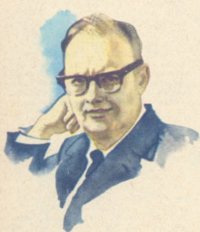
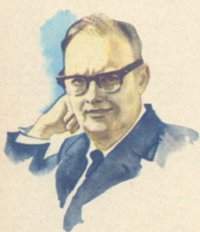
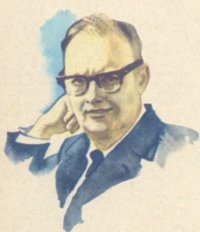
На фото потрет Артура Кларка.

 viber 2026 10 19 23 10 39 724
 
Frimen1917

Frimen1917

Mecca V.I.P.
VIP
Joined
Jan 9, 2026
Messages
3,283
Points
63
A. Clarke. Riding the Crest of the Wave (A Forecast of the Future)

Tekhnika — Molodezhi, 1978, No. 6, pp. 16–19​

SCIENCE-FICTION WRITERS OF THE WORLD ON THE FUTURE OF MAN​

About the Author​

ARTHUR CLARKE

There lives in Colombo (Sri Lanka) a remarkably far-sighted man whom the whole world knows. As early as October 1945, for example, he proposed the creation of a worldwide television system using three artificial Earth satellites placed at an altitude of 35,000 km above the equator. His science-fiction novels, novellas and short stories are avidly read, and the film 2001: A Space Odyssey, shot from his screenplay, has been seen by hundreds of millions of people. This man, as you have probably already guessed, is Arthur Clarke.

He is modest, inquisitive and very kindly disposed toward people. He has great respect for us and for our country. He considers his latest work — the novella The Fountains of Paradise, completed in January of this year — to be his best. He worked on it for ten years, inspired by the idea of Leningrad engineer Yuri Artsutanov concerning a Space Elevator or Space Funicular (see Komsomolskaya Pravda of 31 July 1970 or Tekhnika — Molodezhi No. 10 for 1961). By Arthur Clarke’s own admission, this is apparently his last work in the genre of fiction. Alas, the celebrated writer has recently decided to withdraw from science fiction.

Arthur Clarke has systematically and with the greatest open-mindedness attempted to explore the prospects for the historical development of man and mankind not only in his works of fiction but also in the popular-science books Profiles of the Future (translated in the USSR in 1966), Report on Planet Three (by “the third planet” is meant the Earth) and in the recently published book The View from Serendip (Serendip being the mythical name of the island of Ceylon). In all, Arthur Clarke is the author of more than 20 popular-science and 26 science-fiction books.

Riding the Crest of the Wave​

I am an optimist, although I am aware that any discovery can be used not only for good but also for harm. Still, in my opinion, the higher the intelligence, the stronger the striving for cooperation. As for the various threatening catastrophes (thermonuclear, energy, ecological, demographic, and so on) that are logically inevitable if present trends of development continue, I place my hopes in new scientific discoveries that will set mankind on new paths. Such scientific “breakthroughs” cannot be foreseen, but in the past they have so often helped us to circumvent insurmountable obstacles that no picture of the future can be considered correct without taking them into account.

Every civilisation is in a certain sense like an Australian or Hawaiian surfer — an athlete on a board sliding along the crest of an ocean breaker. The wave that is carrying us has only just begun its run. Behind us lie the reefs we have already overcome; beneath us is a mighty wave that is only beginning to foam, arching its crest higher and higher above the sea…

And what lies ahead?

We cannot say: we are still too far from the shore. It is enough for us that we are flying forward — on the crest of the wave!

The shore toward which we are racing is the boundary of an unknown and still uncharted country. How can one sketch its outlines and imagine its dimensions if no land is visible beyond the edge of the surf, if the future does not lend itself to logical prediction? People say intuition, genius and knowledge are needed. I believe that what is necessary above all is to cultivate in oneself the capacity for daring, for imagination. Judging by everything, people easily lose precisely the capacity for daring. Even when they have all the necessary facts at their disposal, undaring people stubbornly refuse to see that these facts inevitably lead to a certain conclusion. For example, when the world learned of the existence of the V-2 with a range of about 300 kilometres, Lord Cherwell, scientific adviser to Prime Minister Churchill, called the German ballistic missile nothing more than a propaganda stunt, while Vannevar Bush, scientific adviser to the American government, declared in a report to a Senate committee that the creation of intercontinental ballistic missiles “will still be unrealisable for many years” and that one should therefore “dismiss any thoughts of creating such a rocket.”

Meanwhile the experience of the last century has shown: everything that is theoretically possible will inevitably be realised in practice, however great the technical difficulties may be.

Daring and imagination are qualities of youth. In my time I formulated “Clarke’s Law,” which states: “When a distinguished but elderly scientist states that something is possible, he is almost certainly right. When he states that something is impossible, he is very probably wrong.”

An excess of imagination is encountered far more rarely than a lack of it; when it does occur, all manner of misfortunes and failures rain down upon its unfortunate possessor. Only science-fiction writers escape this fate, prudently setting forth their ideas only on paper and not dreaming of putting them into practice. They are also distinguished by an extreme intellectual daring. There is little left in the world that could in principle happen and that has not been described in some book or magazine. We should, however, remember the warning of Professor J. B. S. Haldane: “The Universe is not only queerer than we suppose, but queerer than we can suppose.”

Obviously there is only one way to prepare oneself for discoveries that cannot be predicted — to try to preserve a broad outlook and an open mind. But this is extremely difficult to achieve even with the greatest purposefulness.

In attempting to determine the boundaries within which all conceivable variants of the future lie, it is advisable to confine oneself to only one aspect of the future — its technology — without touching upon possible variants of social organisation… The point is that in the future the influence of science and technology on human relations and the structure of society will apparently be even greater than it is today in the age of the scientific and technological revolution.

I am firmly convinced that the launching of the first satellite, carried out in the USSR in 1957, and even earlier the epoch-making ideas of K. E. Tsiolkovsky, marked mankind’s entry into the cosmic phase of its history, of its existence. Our children grow up playing at being cosmonauts and rockets. Space has entered our lives. The road to the stars has been opened by no means prematurely. Civilisation cannot exist without new frontiers. It needs them both materially and spiritually. The material necessity is obvious — new territories, new resources, new raw materials. The spiritual need is in the final analysis even more important. Man does not live by bread alone; we need adventure, novelty, romance. As psychologists have proved by their experiments on the effects of sensory isolation, a man quickly goes mad if he is isolated from the outside world in a quiet, dark room. What is true of the individual is true of society: it too can fall into madness in the absence of sufficient incentives to action. It is possible that the impending migration of man from the Earth and his conquest of interplanetary space will serve as the impetus for the beginning of a new Renaissance. When peoples discover new frontiers, Homers and Shakespeares appear, and if one takes examples of a less “Olympian” scale and closer to our own times — Melville, Joseph Conrad and Mark Twain. When there is nothing more to discover, the time of Tennessee Williams, the beatniks and Marcel Proust arrives, whose horizon toward the end of his life was limited by a room with walls lined with cork. Undoubtedly the discoveries and adventures, the victories and inevitable defeats that will accompany man’s path to the stars will one day serve as a source of inspiration for a new heroic literature and will give rise to works equal to the myth of the Golden Fleece, Gulliver’s Travels and Moby-Dick. The “shooting” of people into near-Earth orbits, landings on the Moon or Mars — these are only preparations for an era of discovery whose dawn is only just breaking. The coming era will bring with it everything necessary for a new Renaissance. The present period, however, has no exact analogies in the history of mankind. To find an event at all comparable in significance with the beginning of mankind’s drive into outer space one must, in my opinion, delve into the past much farther than the age of Columbus, farther than Odysseus and even farther than Pithecanthropus. I have in mind the moment when our common ancestor first crawled out of the sea onto the land.

For it was there, in the sea, that life originated; there to this day the majority of the living creatures of our planet continue to dwell, performing countless times the endless and meaningless cycle of births and deaths. Only those creatures that dared to step onto the alien, hostile land proved capable of developing intelligence. Now this intelligence stands before the inevitability of a new and even more formidable challenge. It may turn out that our beautiful Earth is merely a place of brief rest on the road between the World Ocean where we were born and the stellar ocean toward which we have now directed our daring.

The exciting challenge of space is vitally necessary to mankind also for the reason that the dual problem of production and distribution will probably be solved so comprehensively in the not-too-distant future that everyone will be able to possess whatever he desires — human life will be completely transformed by the “replicator.”

The “replicator,” whose appearance I expect by the end of the twenty-first century, will be capable of synthesising from the simplest elements, according to one programme or another, any physically possible thing. The advent of the “replicator” will mean the end of factories and plants, the cessation of the transport of raw materials, the disappearance of the need for agriculture. The entire structure of industry and trade in its modern form will die out. Every family will produce on the spot everything it needs, as was in essence done throughout the greater part of the history of mankind. The present era of mass production will then be regarded as a brief period between two long epochs of natural economy, and the only valuable objects of exchange will be the matrices or recordings that must be fed into the “replicator” to control its creative work.

Our modern culture, having obtained such a machine, would quickly slide into sybaritic hedonism, followed immediately by the boredom of absolute satiety. Some cynics may doubt whether human society is capable at all of ever adapting itself to unlimited abundance, to liberation from the curse laid upon Adam — “in the sweat of thy face shalt thou eat bread” — a curse that may have been a hidden blessing.

Yet in every age a small chosen few have possessed such freedom, and by no means all of them were corrupted by it. In my opinion a truly civilised person is one who is capable of working with enthusiasm all his life even if he does not need to earn his daily bread. From this it follows that the chief problem of the future is the education of mankind. This, however, has long been known.

Probably the true measure of human values will appear only when material goods lose their value. Works of art, reproduced in an unlimited number of copies completely indistinguishable from the original, will be carefully preserved because they are beautiful and not because they are rare. Nothing — no “things” — will be valued so highly as skill, skilful hands, mastery of an intellectual profession. Science will give us such all-embracing and absolute power over the material universe that its gifts will no longer tempt us, because they will have become too accessible. And then our descendants, unburdened by the thirst for acquisition, will remember what many of us have forgotten: the only things that are really important in life are such intangible things as beauty and wisdom, laughter and love.

Naturally the highest form of replication is the reproduction of the fleshly material envelope, that is, the achievement of physical immortality. This too is a task for the coming century.

Death (not ageing!) is clearly necessary for progress, both social and biological. A world of immortals, even if it does not perish from overpopulation, will inevitably soon come to a standstill in its development. In all spheres of human activity one can find examples of the retarding influence of people who by reason of their age have already ceased to be useful. And yet death, like sleep, does not appear to be biologically inevitable, even if it is necessary for evolution.

The body is the carrier of the brain, and the brain is the receptacle of the mind. In the past this triad was indivisible, but it will not always be so.

One can imagine a time when those who still dwell in organic envelopes will be looked upon with pity by those who have passed over to an incomparably richer form of existence and have acquired the ability instantly to switch their consciousness or field of attention to any point on land, sea or sky where there are appropriate perceiving organs. As we mature we leave childhood behind; one day a second, more wonderful maturity will come to us after we have parted forever with the flesh.

For the future our sense organs are not good enough. They are built of such imperfect construction materials as muscle tissue, blood and bone. Thus the eye, that photographic camera so familiar to us, is built exclusively of water and jelly, without a single scrap of glass, metal or plastic. If our eyes possessed the optical characteristics of even the cheapest miniature camera, the world around us would become unimaginably richer and more colourful. For a full-blooded life in space we shall also need certain sense organs that we do not yet possess and that will probably never be able to arise in the organic world. For example, we cannot perceive radio waves or radioactive radiations. Yet organs of such perception are urgently needed by us.

Creatures of flesh and blood like ourselves can explore and master only an infinitesimally small part of cosmic space. Only beings made, say, of metal and plastic will be able truly to conquer it. It may well be that only in cosmic space, where conditions are far harsher and more complex than anywhere on Earth, will intelligence be able to attain, as K. E. Tsiolkovsky also predicted, its highest flowering. Like other qualities, intelligence develops in struggle, in collisions. In the coming centuries true genius will blossom only in outer space.

But space and time would seem to place an insurmountable barrier in the way of the real instantaneous mastery of the whole of the cosmos, hindering the possibility of enjoying it at any of its points and at any of its moments. Of course people will always find it pleasant to stroll about the Earth at a speed of 3–4 kilometres an hour, savouring the beauty and mystery of our world. But in the hours not devoted to this occupation they will hurry and will not rest until they have reached the speed of light.

The true solution of instantaneous travel in space may, however, prove simpler if we recall the non-Euclidean properties of space discovered by N. I. Lobachevsky. Perhaps there are “holes” in space through which we can step “straight across” the entire universe. Perhaps we shall soon learn to alter the structure of space to our advantage, for example by twisting it into knots like a pretzel, with properties even more astonishing than those of a Möbius strip.

Even more fantastic is the idea of reconstructing the past by means of the scientific and technical resources of the future. It was elaborated in detail by the Russian thinker N. F. Fyodorov, the teacher of K. E. Tsiolkovsky. Its essence is as follows: one day people will acquire the ability to observe the past in such detail that they will be able to register the movement of every atom that has ever existed, and on the basis of such information they will be able selectively to recreate people, animals, individual situations and landscapes of the past. In other words, although you in fact died in the twentieth century, your “self” with the entire volume of your life experience may suddenly find itself in the distant future and begin a new life.

To alter the past, however, to erase the writings it has inscribed — that is a subject for fantastic dreams, not for science.

I should like to declare that the prediction of the future — an enterprise a priori less ambitious than a direct visit to the future — is equally impossible, but the impressive quantity of evidence to the contrary does not allow me to do so. Still, we know so little about time, and our progress in understanding and controlling it is so negligible, that we have no right to exclude even such heretical assumptions as the possibility of limited penetration into the future.

Having learned to pierce space and time instantaneously, which will man prefer to be — a consumer of pleasures or an active creator of the cosmic order?

One day with the aid of telemetric devices we shall know the path of the eagle in the sky, the whale in the ocean and the tiger in the jungle. Thus we shall regain our kinship with the animal world, the loss of which is one of the most grievous for modern man. More than forty years ago E. M. Forster in the story “The Machine Stops” described our distant descendants who lived in solitary cells and almost never left them, because they could at any moment establish television contact with any person wherever he might be. The moral of the story: long-distance communication and long-distance travel are opposing factors. It is possible that we shall lose the taste for wandering and risk when we learn, while remaining in a comfortable and safe place, to merge for a time with any creatures and sufficiently complex machines and thereby become animals, other people, spaceships, submarines, and so on. This would give us something far greater than purely intellectual satisfaction. The intensity of the sensations that can be experienced today while driving a racing car or an aeroplane may be only a pale ghost of the excitement that our great-grandchildren will know when the human consciousness will freely fly at will from creature to creature and from machine to machine, easily cleaving with them the expanses of sea, sky, space and the depths of the earth. But if, having achieved such power over the forces of nature, we lose all interest in using it, that will be another joke of history. Pleasure should of course not be neglected, but in the final analysis strength is worth spending only on the expansion of our knowledge and the creation of the beautiful. Knowledge is the highest form of pleasure.

The cosmic expansion of mankind will almost certainly give rise to a new and qualitatively higher sense of human dignity and responsibility. The growth of this sense will probably proceed in parallel with the integration of individual human consciousnesses into some difficult-to-imagine form of cosmic consciousness, as K. E. Tsiolkovsky also predicted. In the universe observable by us there are more than 10²⁰ stars (a one followed by twenty zeros). It is clear that control over so complex an object is beyond the power of an individual human mind. The number of stars in our own Milky Way alone exceeds by a factor of ten the number of cells in our brain.

But the integration of minds through “co-experiencing” and “co-thinking” is capable of leading to the appearance of intelligent beings as gigantic as planets, suns and galaxies. Although almost all biologists today will deny the possibility of the evolutionary adaptation of life to the conditions of outer space, it seems to me that it would be unwise to underestimate the possibilities of nature, given the present level of our ignorance. Perhaps not only K. E. Tsiolkovsky was right when he admitted the emergence of powerful “ethereal beings” not rigidly bound to any material envelope. In the limit the present human mind may prove to be that elementary “cell” from which intelligent beings not merely of galactic but of cosmic scale will be built.

Translated and prepared by Olga Skurlatova
The photo is a portrait of Arthur C. Clarke.
 viber 2026 10 19 23 10 39 724
 
Frimen1917

Frimen1917

Mecca V.I.P.
VIP
Joined
Jan 9, 2026
Messages
3,283
Points
63
A. Clarke. En la cresta de la ola (un pronóstico del futuro)

Tekhnika — Molodezhi, 1978, n.º 6, pp. 16–19​

LOS ESCRITORES DE CIENCIA FICCIÓN DEL MUNDO SOBRE EL FUTURO DEL HOMBRE​

Sobre el autor​

ARTHUR CLARKE

Vive en Colombo (Sri Lanka) un hombre de una perspicacia sorprendente a quien conoce el mundo entero. Ya en octubre de 1945, por ejemplo, propuso crear un sistema mundial de televisión mediante tres satélites artificiales de la Tierra situados a una altura de 35.000 km sobre el ecuador. Sus novelas, novelas cortas y cuentos de ciencia ficción se leen con avidez, y la película 2001: Una odisea del espacio, rodada a partir de su guion, ha sido vista por cientos de millones de personas. Este hombre, como ustedes ya habrán adivinado, es Arthur Clarke.

Es modesto, curioso y muy bien dispuesto hacia las personas. Tiene un gran respeto por nosotros y por nuestro país. Considera que su mejor obra es la última: la novela Las fuentes del paraíso, terminada en enero de este año. Trabajó en ella durante diez años, inspirado por la idea del ingeniero de Leningrado Yuri Artsutánov sobre un Ascensor Espacial o Funicular Espacial (véase Komsomólskaya Pravda del 31 de julio de 1970 o Tekhnika — Molodezhi n.º 10 de 1961). Según el propio Arthur Clarke, esta es, al parecer, su última obra en el género de la ficción. Por desgracia, el célebre escritor ha decidido recientemente retirarse de la ciencia ficción.

Arthur Clarke ha intentado de forma sistemática y con la máxima imparcialidad explorar las perspectivas del desarrollo histórico del hombre y de la humanidad no solo en sus obras de ficción, sino también en los libros de divulgación científica Perfiles del futuro (traducido en la URSS en 1966), Informe sobre el tercer planeta (por «tercer planeta» se entiende la Tierra) y en el libro recién publicado La vista desde Serendip (Serendip es el nombre mítico de la isla de Ceilán). En total, Arthur Clarke es autor de más de 20 libros de divulgación científica y 26 de ciencia ficción.

En la cresta de la ola​

Soy optimista, aunque soy consciente de que cualquier descubrimiento puede utilizarse no solo para el bien, sino también para el mal. Sin embargo, en mi opinión, cuanto más alto es el intelecto, más fuerte es la aspiración a la cooperación. En cuanto a las diversas catástrofes amenazadoras (termonuclear, energética, ecológica, demográfica, etc.) que son lógicamente inevitables si se mantienen las tendencias actuales de desarrollo, confío en nuevos descubrimientos científicos que orientarán a la humanidad por nuevos caminos. Tales «avances» de la ciencia no se pueden prever, pero en el pasado nos han ayudado tantas veces a sortear obstáculos insuperables que ninguna imagen del futuro puede considerarse correcta sin tenerlos en cuenta.

Toda civilización es, en cierto sentido, semejante a un surfista australiano o hawaiano: un deportista sobre una tabla que se desliza por la cresta de una ola del océano. La ola que nos lleva acaba de iniciar su carrera. Detrás han quedado los arrecifes que ya hemos superado; debajo de nosotros hay una poderosa ola que apenas empieza a espumear, arqueando su cresta cada vez más alto sobre el mar…

¿Y qué hay más adelante?

No podemos decirlo: todavía estamos demasiado lejos de la orilla. Nos basta con que volamos hacia delante… ¡en la cresta de la ola!

La orilla hacia la que nos dirigimos es la frontera de un país desconocido y aún no cartografiado. ¿Cómo trazar sus contornos e imaginar sus dimensiones si más allá del borde de la resaca no se ve tierra, si el futuro no se presta a una previsión lógica? Se dice que se necesitan intuición, genialidad y conocimientos. Yo creo que es necesario, ante todo, cultivar en uno mismo la capacidad de atreverse, de imaginar. A juzgar por todo, la gente pierde fácilmente precisamente la capacidad de atreverse. Incluso teniendo a su disposición todos los hechos necesarios, las personas poco osadas se niegan obstinadamente a ver que esos hechos conducen inevitablemente a una determinada conclusión. Por ejemplo, cuando el mundo se enteró de la existencia del V-2 con un alcance de unos 300 kilómetros, el lord Cherwell, consejero científico del primer ministro Churchill, calificó el misil balístico alemán de simple patraña propagandística, mientras que Vannevar Bush, consejero científico del gobierno estadounidense, declaró en un informe a una comisión del Senado que la creación de misiles balísticos intercontinentales «seguirá siendo irrealizable durante muchos años» y que, por tanto, se debía «desechar cualquier pensamiento de crear tal cohete».

Mientras tanto, la experiencia del último siglo ha demostrado que todo lo que es teóricamente posible se realizará necesariamente en la práctica, por grandes que sean las dificultades técnicas.

La osadía y la imaginación son cualidades de la juventud. En su día formulé la «ley de Clarke», que dice: «Cuando un científico destacado, pero ya anciano, afirma que alguna idea es realizable, casi siempre tiene razón. Cuando afirma que alguna idea es irrealizable, es muy probable que se equivoque».

El exceso de imaginación se encuentra mucho más raramente que su falta; cuando ocurre, sobre su desdichado poseedor caen todas las desgracias y fracasos. Solo escapan a esta suerte los escritores de ciencia ficción, que prudentemente exponen sus ideas únicamente en el papel y no piensan en llevarlas a la práctica. También se distinguen por una extraordinaria osadía intelectual. En el mundo queda poco de lo que en principio pueda ocurrir y que no haya sido descrito en algún libro o revista. Sin embargo, debemos recordar la advertencia del profesor J. B. S. Haldane: «El Universo no solo es más extraño de lo que suponemos, sino más extraño de lo que podemos suponer».

Evidentemente, solo hay una manera de prepararse para los descubrimientos que no se pueden predecir: intentar conservar una amplia visión y una mente abierta. Pero lograrlo es extremadamente difícil incluso con la mayor determinación.

Al intentar determinar los límites dentro de los cuales se encuentran todas las variantes pensables del futuro, es aconsejable limitarse a un solo aspecto del futuro: su técnica, sin tocar las posibles variantes de organización social… El hecho es que en el futuro la influencia de la ciencia y la técnica sobre las relaciones humanas y la estructura de la sociedad será, al parecer, aún mayor que ahora, en la época de la revolución científico-técnica.

Estoy firmemente convencido de que el lanzamiento del primer satélite, realizado en la URSS en 1957, y aún antes las ideas epocales de K. E. Tsiolkovski, marcaron la entrada de la humanidad en la fase cósmica de su historia, de su existencia. Nuestros hijos crecen jugando a ser cosmonautas y cohetes. El cosmos ha entrado en nuestra vida. El camino hacia las estrellas se ha abierto de ningún modo prematuramente. La civilización no puede existir sin nuevas fronteras. Las necesita tanto material como espiritualmente. La necesidad material es obvia: nuevos territorios, nuevos recursos, nuevas materias primas. La necesidad espiritual es, en última instancia, aún más importante. No solo de pan vive el hombre; necesitamos aventuras, novedad, romanticismo. Como han demostrado los psicólogos con sus experimentos sobre la influencia del aislamiento sensorial, el hombre enloquece rápidamente si se le aísla del mundo exterior en una habitación silenciosa y oscura. Lo que es cierto para el individuo es cierto también para la sociedad: también ella puede caer en la locura si carece de suficientes estímulos para la acción. Es posible que la inminente emigración del hombre desde la Tierra y su superación del espacio interplanetario sirvan de impulso para el comienzo de una nueva época del Renacimiento. Cuando los pueblos descubren nuevas fronteras, aparecen Homeros y Shakespeares, y si tomamos ejemplos de escala menos «olímpica» y más cercanos a nuestros tiempos: Melville, Joseph Conrad y Mark Twain. Cuando ya no hay nada más que descubrir, llega el turno de Tennessee Williams, de los beatniks y de Marcel Proust, cuyo horizonte hacia el final de su vida estaba limitado por una habitación con paredes revestidas de corcho. Sin duda, los descubrimientos y las aventuras, las victorias y las inevitables derrotas que acompañarán el camino del hombre hacia las estrellas servirán algún día de fuente de inspiración para una nueva literatura heroica y darán lugar a obras equivalentes al mito del vellocino de oro, a los Viajes de Gulliver y a Moby Dick. El «lanzamiento» de personas a órbitas cercanas a la Tierra, los aterrizajes en la Luna o en Marte no son más que preparativos para una era de descubrimientos cuya aurora apenas empieza a despuntar. La era venidera traerá consigo todo lo necesario para un nuevo Renacimiento. Sin embargo, el período actual no tiene analogías exactas en la historia de la humanidad. Para encontrar un acontecimiento medianamente comparable en importancia con el comienzo del impulso de los hombres hacia el espacio cósmico, hay que, en mi opinión, profundizar en el pasado mucho más allá de la época de Colón, más allá de Odiseo e incluso más allá del pitecántropo. Me refiero al momento en que nuestro antepasado común salió por primera vez del mar a tierra firme.

Pues fue allí, en el mar, donde nació la vida; allí sigue habitando hasta el día de hoy la mayoría de los seres vivos de nuestro planeta, cumpliendo incontables veces el ciclo interminable e inútil de nacimientos y muertes. Solo aquellos seres que se atrevieron a pisar la tierra extraña y hostil resultaron capaces de desarrollar la inteligencia. Ahora esta inteligencia se enfrenta a la inevitabilidad de un nuevo desafío aún más formidable. Puede resultar que nuestra hermosa Tierra no sea más que un lugar de breve descanso en el camino entre el Océano Mundial donde nacimos y el océano estelar hacia el cual hemos dirigido ahora nuestras audacias.

El apasionante desafío del cosmos es vitalmente necesario para la humanidad también por la razón de que, probablemente, no esté lejos el momento en que el doble problema de la producción y la distribución se resuelva de forma tan exhaustiva que cada uno podrá poseer todo lo que desee: la vida humana quedará completamente transformada por el «replicador».

El «replicador», cuya aparición espero para finales del siglo XXI, será capaz de sintetizar a partir de los elementos más simples, según uno u otro programa, cualquier cosa físicamente posible. La llegada del «replicador» significará el fin de las fábricas y plantas, el cese del transporte de materias primas, la desaparición de la necesidad de la agricultura. Morirá toda la estructura de la industria y el comercio en su forma moderna. Cada familia producirá en el lugar todo lo que necesite, como en esencia se hacía a lo largo de la mayor parte de la historia de la humanidad. La actual era de la producción en masa se considerará entonces un período breve entre dos largas épocas de economía natural, y los únicos objetos valiosos de intercambio serán las matrices o grabaciones que habrá que introducir en el «replicador» para dirigir su trabajo creador.

Nuestra cultura moderna, al obtener una máquina semejante, se deslizaría rápidamente hacia un hedonismo sibarita, seguido inmediatamente por el aburrimiento de la saciedad absoluta. Algunos cínicos pueden dudar de si la sociedad humana es capaz en absoluto de adaptarse alguna vez a la abundancia ilimitada, a la liberación de la maldición impuesta a Adán —«con el sudor de tu rostro comerás el pan»—, maldición que quizás fue un bien oculto.

Sin embargo, en cada siglo un pequeño grupo de elegidos ha poseído tal libertad, y de ningún modo todos ellos fueron corrompidos por ella. En mi opinión, verdaderamente civilizado merece llamarse aquel que es capaz de trabajar con entusiasmo toda su vida aunque no necesite ganarse el pan de cada día. De aquí se deduce que el principal problema del futuro es la educación de la humanidad. Por lo demás, esto se sabe desde hace mucho tiempo.

Probablemente la verdadera medida de los valores humanos aparecerá solo cuando los bienes materiales pierdan su valor. Las obras de arte, reproducidas en un número ilimitado de copias completamente indistinguibles del original, se conservarán con cuidado porque son bellas y no porque sean raras. Nada —ninguna «cosa»— se valorará tan alto como la destreza, las manos hábiles, el dominio de una profesión intelectual. La ciencia nos dará un poder tan omnicomprensivo y absoluto sobre el universo material que sus dones ya no nos tentarán, porque se habrán vuelto demasiado accesibles. Y entonces nuestros descendientes, libres de la sed de adquisición, recordarán lo que muchos de nosotros hemos olvidado: lo único que realmente importa en la vida son cosas tan intangibles como la belleza y la sabiduría, la risa y el amor.

Naturalmente, la forma más alta de replicación es la reproducción de la envoltura material carnal, es decir, el logro de la inmortalidad física. Esta es también una tarea del siglo próximo.

La muerte (¡no el envejecimiento!) es claramente necesaria para el progreso, tanto social como biológico. Un mundo de inmortales, aunque no perezca por la superpoblación, inevitablemente se detendrá pronto en su desarrollo. En todas las esferas de la actividad humana se pueden encontrar ejemplos de la influencia retardadora de personas que, por razón de su edad, ya han dejado de ser útiles. Y, sin embargo, la muerte, al igual que el sueño, no parece ser biológicamente inevitable, aunque sea necesaria para la evolución.

El cuerpo es el portador del cerebro, y el cerebro es el receptáculo de la mente. En el pasado esta tríada era indivisible, pero no siempre será así.

Se puede imaginar un tiempo en que a las personas que aún habitan en envolturas orgánicas las mirarán con lástima quienes hayan pasado a una forma de existencia incomparablemente más rica y hayan adquirido la capacidad de conmutar instantáneamente su conciencia o su campo de atención a cualquier punto de la tierra, el mar o el cielo donde existan órganos perceptores adecuados. Al madurar nos despedimos de la infancia; algún día nos llegará una segunda madurez más maravillosa, después de que nos hayamos despedido para siempre de la carne.

Para el futuro nuestros órganos de los sentidos no son suficientemente buenos. Están construidos con materiales de construcción tan imperfectos como el tejido muscular, la sangre y los huesos. Así, el ojo, esa cámara fotográfica tan familiar para nosotros, está construido exclusivamente de agua y gelatina, sin un solo trozo de vidrio, metal o plástico. Si nuestros ojos tuvieran las características ópticas incluso de la más barata cámara en miniatura, el mundo que nos rodea se volvería inimaginablemente más rico y colorido. Para una vida plena en el cosmos se necesitarán también algunos órganos de los sentidos que aún no poseemos y que probablemente nunca podrán surgir en el mundo orgánico. Por ejemplo, no podemos percibir las ondas de radio ni las radiaciones radiactivas. Mientras tanto, órganos de percepción semejantes nos son urgentemente necesarios.

Los seres de carne y hueso como nosotros solo pueden explorar y dominar una parte infinitesimalmente pequeña del espacio cósmico. Solo seres hechos, digamos, de metal y plástico podrán conquistarlo realmente. Muy bien puede ser que solo en el espacio cósmico, donde las condiciones son mucho más severas y complejas que en cualquier lugar de la Tierra, la inteligencia pueda alcanzar, como también predijo K. E. Tsiolkovski, su máximo florecimiento. Al igual que otras cualidades, la inteligencia se desarrolla en la lucha, en los enfrentamientos. En los siglos venideros el verdadero genio florecerá solo en el espacio cósmico.

Pero el espacio y el tiempo, al parecer, interponen una barrera insuperable para el verdadero dominio instantáneo de todo el cosmos, impidiendo la posibilidad de disfrutarlo en cualquiera de sus puntos y en cualquiera de sus momentos. Por supuesto, a las personas siempre les resultará agradable pasear por la Tierra a una velocidad de 3-4 kilómetros por hora, saboreando la belleza y el misterio de nuestro mundo. Pero en las horas no dedicadas a esta ocupación se apresurarán y no se calmarán hasta alcanzar la velocidad de la luz.

Sin embargo, la verdadera solución del desplazamiento instantáneo en el cosmos puede resultar más sencilla si recordamos las propiedades no euclidianas del espacio descubiertas por N. I. Lobachevski. Quizá existan en el espacio «agujeros» a través de los cuales podamos dar un paso «en línea recta» a través de todo el universo. Quizá pronto aprendamos a modificar la estructura del espacio en nuestro beneficio, por ejemplo trenzándolo en nudos, a la manera de un pretzel, con propiedades aún más asombrosas que las de la cinta de Möbius.

Aún más fantástica es la idea de reconstruir el pasado mediante los medios científico-técnicos del futuro. La elaboró detalladamente el pensador ruso N. F. Fiódorov, maestro de K. E. Tsiolkovski. Su esencia es la siguiente: algún día los hombres adquirirán la capacidad de observar el pasado con tanto detalle que podrán registrar el movimiento de cada átomo que haya existido alguna vez, y sobre la base de tal información podrán recrear selectivamente personas, animales, situaciones concretas y paisajes del pasado. En otras palabras, aunque ustedes hayan muerto realmente en el siglo XX, su «yo» con todo el volumen de su experiencia vital puede aparecer de repente en un futuro lejano y comenzar una nueva vida.

Sin embargo, modificar el pasado, borrar las escrituras que él ha trazado, es objeto de sueños fantásticos, no de la ciencia.

Me gustaría declarar que la previsión del futuro —una empresa a priori menos ambiciosa que una visita directa al futuro— es igualmente imposible, pero la impresionante cantidad de testimonios en sentido contrario no me permite hacerlo. Aun así, sabemos tan poco sobre el tiempo, y es tan insignificante nuestro progreso en su comprensión y control, que no tenemos derecho a excluir ni siquiera hipótesis tan heréticas como la posibilidad de una penetración limitada en el futuro.

Habiendo aprendido a atravesar instantáneamente el espacio y el tiempo, ¿qué preferirá ser el hombre: un consumidor de placeres o un creador activo del orden cósmico?

Algún día, con la ayuda de dispositivos telemétricos, conoceremos el camino del águila en el cielo, de la ballena en el océano y del tigre en la selva. Así recuperaremos nuestro parentesco con el mundo animal, cuya pérdida es una de las más dolorosas para el hombre moderno. Hace más de cuarenta años E. M. Forster, en el relato «La máquina se detiene», describió a nuestros lejanos descendientes que vivían en celdas solitarias y casi nunca las abandonaban, porque podían en cualquier momento establecer contacto televisivo con cualquier persona dondequiera que estuviera. La moraleja del relato: la comunicación a distancia y los desplazamientos a distancia son factores contrapuestos. Es posible que perdamos el gusto por el vagabundeo y el riesgo cuando aprendamos, permaneciendo en un lugar cómodo y seguro, a fundirnos temporalmente con cualquier ser y con máquinas suficientemente complejas y convertirnos así en animales, otras personas, naves espaciales, submarinos, etc. Esto nos daría algo mucho mayor que una satisfacción puramente intelectual. La intensidad de las sensaciones que se pueden experimentar hoy al conducir un automóvil de carreras o un avión puede no ser más que un pálido fantasma de la emoción que conocerán nuestros bisnietos cuando la conciencia humana vuele libremente a voluntad de un ser a otro y de una máquina a otra, surcando fácilmente con ellos las extensiones del mar, del cielo, del cosmos y de las profundidades de la tierra. Pero si, habiendo alcanzado tal poder sobre las fuerzas de la naturaleza, perdemos todo interés por utilizarlo, será otra broma de la historia. El placer, por supuesto, no debe despreciarse, pero en última instancia solo vale la pena gastar fuerzas en la ampliación de nuestros conocimientos y en la creación de lo bello. El conocimiento es la forma más alta de placer.

La expansión cósmica de la humanidad casi con seguridad generará un sentimiento nuevo y cualitativamente más elevado de dignidad y responsabilidad humanas. El crecimiento de este sentimiento se producirá, probablemente, en paralelo con la integración de las conciencias humanas individuales en una forma difícilmente representable de conciencia cósmica, como también predijo K. E. Tsiolkovski. En el universo observable por nosotros hay más de 10²⁰ estrellas (un uno seguido de veinte ceros). Está claro que el control de un objeto tan complejo no está al alcance de una mente humana individual. El número de estrellas solo en nuestra Vía Láctea supera en diez veces el número de células de nuestro cerebro.

Pero la integración de las mentes mediante la «coexperiencia» y el «copensamiento» es capaz de conducir a la aparición de seres inteligentes tan gigantescos como planetas, soles y galaxias. Aunque casi todos los biólogos de hoy negarán la posibilidad de la adaptación evolutiva de la vida a las condiciones del espacio cósmico, me parece que sería imprudente subestimar las posibilidades de la naturaleza, dada el nivel actual de nuestra ignorancia. Quizá no solo K. E. Tsiolkovski tenía razón al admitir el surgimiento de poderosos «seres etéreos» no ligados rígidamente a ninguna envoltura material. En el límite, la mente humana actual puede resultar ser esa «célula» elemental a partir de la cual se construyan seres inteligentes no solo de escala galáctica, sino de escala cósmica.

Traducido y preparado por Olga Skurlatova

La foto muestra un retrato de Arthur Clarke.
 viber 2026 10 19 23 10 39 724
 
Frimen1917

Frimen1917

Mecca V.I.P.
VIP
Joined
Jan 9, 2026
Messages
3,283
Points
63
Советский журнал "Техника-молодежи" (номер 6; 1965).
Артур КЛАРК
МИР 2465 года
В ответ на просьбу редакции написать специально для нашего журнала статью известный американский писатель — популяризатор науки, лауреат Международной премии имени Калинги Артур КЛАРК прислал письмо, которое оказалось столь интересным, что мы приводим из него несколько фрагментов.
Воспользовавшись советом А. Кларка, мы из вышедшей недавно в США его книги «Контуры будущего» взяли весьма любопытную таблицу предположительных научных и технических достижений ближайшего и более отдаленного будущего.
"Весьма благодарен за ваше дружественное письмо от 12 декабря. Мой особый привет космонавту Титову.
Мне бы очень хотелось написать статью для вашего журнала, но в настоящий момент я нахожусь в затруднительном положении. В продолжение восьми месяцев я был примерно на расстоянии 15 тысяч километров от моих рукописей и секретаря на Цейлоне, и, видимо, пройдет еще шесть месяцев или даже год, прежде чем я попаду домой. Я работаю здесь в США день и ночь над первой серьезной кинокартиной о космонавтах, которая ставится режиссером Стэнли Кубриком, и над новеллой, и над сценарием и не имею возможности взять на себя какие-либо иные обязательства до конца 1965 года.
У меня есть несколько очень подходящих для вашего журнала статей, но до тех пор, пока я не попаду обратно на Цейлон, я не смогу даже найти их копии. Мне кажется, что одна из них была опубликована в «Курьере ЮНЕСКО» несколько лет назад. Если вы сможете ее разыскать (или любые другие мои статьи), я был бы рад написать к ней предисловие специально для вашего журнала.
Видели ли вы мою последнюю книгу — «Контуры будущего»? В ней есть несколько статей, которые могли бы подойти для вас, и я был бы рад послать экземпляр ее вам… Меня радует, что мои работы популярны в СССР".
Искренне ваш.
Текст Артура Кларка внутри таблицы:
"Приводимая здесь таблица, конечно, не может быть принята слишком всерьез, но она вместе с тем представляет определенную ценность — достаточно поучительно экстраполирует прошлые научные достижения в будущее. Даже если она не служит для чего-либо другого, кроме краткого перечня того, что произошло на протяжении последних 150 лет, то и в этом случае убеждает каждого, что никакое воображение не позволяет предсказать будущее далее 2100 года. Я также не пытаюсь это сделать".
Артур КЛАРК

На фото - две части таблицы Артура Кларка и скриншот страницы журнала "Техника - молодежи" с фотографией Артура Кларка и с фрагментами его письма "Мир 2465 года". Таблица на русском языке взята из журнала "Техника-молодежи" (1965). Чуть ниже эта таблица Артура Кларка будет выложена в цветном варианте на трех языках (русский, ангийский, испанский).

Soviet magazine "Tekhnika-Molodezhi" (issue 6; 1965).

Arthur CLARKE
THE WORLD OF 2465
In response to the editors’ request to write an article specially for our magazine, the well-known American writer and popularizer of science, winner of the International Kalinga Prize, Arthur CLARKE, sent a letter that turned out to be so interesting that we are publishing several excerpts from it.
Following A. Clarke’s advice, we took from his recently published book in the USA, Profiles of the Future, a very curious table of probable scientific and technical achievements of the near and more distant future.
I am very grateful for your friendly letter of December 12. My special regards to cosmonaut Titov.
I would very much like to write an article for your magazine, but at the present moment I find myself in a difficult position. For eight months I have been approximately 15 thousand kilometres away from my manuscripts and secretary in Ceylon, and it will apparently be another six months or even a year before I get home. I am working here in the USA day and night on the first serious film about cosmonauts, which is being directed by Stanley Kubrick, as well as on a novella and the screenplay, and I am unable to take on any other commitments until the end of 1965.
I have several articles that would be very suitable for your magazine, but until I return to Ceylon I will not even be able to find copies of them. I believe one of them was published in the UNESCO Courier several years ago. If you can locate it (or any of my other articles), I would be glad to write a special introduction to it for your magazine.
Have you seen my latest book — Profiles of the Future? It contains several articles that might be suitable for you, and I would be happy to send you a copy… It pleases me that my works are popular in the USSR.
Sincerely yours
Text by Arthur C. Clarke within the table:
"The table presented here should, of course, not be taken too seriously; yet, it does have a certain value—it offers a rather instructive extrapolation of past scientific achievements into the future. If it serves no other purpose than to provide a brief summary of what has occurred over the last 150 years, it still serves to convince anyone that no amount of imagination can predict the future beyond the year 2100. Nor am I attempting to do so."
Arthur C. CLARKE

The photos show two parts of a table by Arthur C. Clarke, along with a screenshot from a page of the magazine *Tekhnika – Molodezhi* ("Technology for Youth") featuring a photograph of Arthur C. Clarke and excerpts from his letter, "The World of 2465." The Russian-language version of the table is taken from the 1965 issue of *Tekhnika – Molodezhi*. Below, this same table by Arthur C. Clarke will be presented in a color version, provided in three languages (Russian, English, and Spanish).
Revista soviética "Tecnología para la juventud" (número 6; 1965).

Arthur CLARKE
EL MUNDO DE 2465
En respuesta a la petición de la redacción de escribir un artículo especialmente para nuestra revista, el conocido escritor estadounidense y divulgador científico, laureado con el Premio Internacional Kalinga, Arthur CLARKE, envió una carta que resultó tan interesante que publicamos varios fragmentos de ella.
Siguiendo el consejo de A. Clarke, tomamos de su libro publicado recientemente en EE. UU., Profiles of the Future (Contornos del futuro), una tabla muy curiosa de los posibles logros científicos y técnicos del futuro cercano y más lejano.
Estoy muy agradecido por su amistosa carta del 12 de diciembre. Mi especial saludo al cosmonauta Titov.
Me gustaría mucho escribir un artículo para su revista, pero en este momento me encuentro en una situación difícil. Durante ocho meses he estado aproximadamente a 15 mil kilómetros de mis manuscritos y de mi secretaria en Ceilán, y al parecer pasarán otros seis meses o incluso un año antes de que pueda regresar a casa. Estoy trabajando aquí en EE. UU. día y noche en la primera película seria sobre cosmonautas, que dirige Stanley Kubrick, así como en una novela corta y en el guion, y no puedo asumir ningún otro compromiso hasta finales de 1965.
Tengo varios artículos que serían muy adecuados para su revista, pero hasta que no regrese a Ceilán no podré ni siquiera encontrar las copias. Creo que uno de ellos se publicó en el Correo de la UNESCO hace varios años. Si logran localizarlo (o cualquiera de mis otros artículos), estaría encantado de escribir una introducción especial para su revista.
¿Han visto mi último libro — Profiles of the Future? Contiene varios artículos que podrían serles útiles, y con gusto les enviaría un ejemplar… Me alegra que mis obras sean populares en la URSS.
Sinceramente suyo
Texto de Arthur C. Clarke en la tabla:
«La tabla que aquí se presenta, por supuesto, no debe tomarse demasiado en serio, pero tiene cierto valor: extrapola los logros científicos del pasado hacia el futuro de una manera bastante instructiva. Incluso si su único propósito es ofrecer un breve resumen de lo ocurrido en los últimos 150 años, convence a todos de que ninguna cantidad de imaginación permite predecir el futuro más allá del año 2100. Ni yo pretendo hacerlo».
Arthur C. Clarke

La foto muestra dos partes de la tabla de Arthur C. Clarke y una captura de pantalla de una página de la revista "Tecnología para la Juventud" con una fotografía de Arthur C. Clarke y fragmentos de su carta "El mundo de 2465". La tabla en ruso proviene de la revista "Tecnología para la Juventud" (1965). A continuación, la tabla de Arthur C. Clarke se publicará a color en tres idiomas (ruso, inglés y español).

39 1 39 38
 

Similar threads

Top