keeptough22
Mecca V.I.P.
VIP
Author
- Joined
- Dec 2, 2023
- Messages
- 597
- Points
- 28
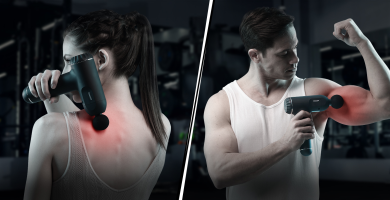
Massage guns offer legitimate short-term recovery benefits through increased blood flow and temporary pain modulation, but they won't accelerate your actual recovery timeline. They're most valuable for high-volume athletes completing 5+ intense weekly sessions who need targeted relief. For casual exercisers, the $200-400 investment may exceed the incremental benefit over foam rolling. I'll examine the science behind percussion therapy and help you determine if it deserves a place in your recovery protocol.
I've observed that percussive therapy also affects your nervous system by overwhelming mechanoreceptors, fundamentally creating a competing sensory input that can temporarily alter pain perception. This neurological effect may explain why users report immediate relief even without structural tissue changes.
Additionally, the mechanical force applied to soft tissue can temporarily reduce muscle stiffness and improve tissue compliance, contributing to short-term mobility enhancement. However, it's critical to understand these effects are transient and primarily impact superficial tissue layers rather than creating lasting physiological adaptations in deeper musculature.
When I examine the research, I find a clear distinction between immediate relief and long-term benefits. Short-term effects include reduced soreness perception and temporary tissue compliance improvements lasting 20-30 minutes. However, meaningful muscle adaptation requires systemic processes that percussion alone cannot accelerate. Studies show that while massage guns may enhance blood flow temporarily, they don't considerably impact protein synthesis or inflammatory resolution pathways critical for true recovery optimization.
I recommend viewing massage guns as short-term symptom managers rather than fundamental recovery accelerators—useful for acute discomfort but not substitutes for sleep, nutrition, and appropriate training progression.

While athletes have historically relied on foam rollers, static stretching, and manual massage for recovery, percussive therapy devices now compete for space in training bags. The key distinction lies in application method: massage guns deliver rapid, concentrated force to specific areas, while foam rollers apply broader, sustained pressure requiring active engagement.
Research on massage gun efficacy shows comparable short-term benefits to traditional recovery techniques for reducing perceived muscle tension, though with less time investment. Cost analysis reveals the considerable price differential—quality massage guns ranging $200-400 versus $20-40 for foam rollers.
Despite compelling athlete testimonials, recovery myths persist in both domains. The scientific consensus indicates neither approach considerably accelerates physiological repair processes; both primarily modulate sensation and temporarily increase circulation rather than fundamentally altering tissue recovery timelines.
For chronic pain management or persistent mobility restrictions, the accessibility factor becomes paramount. The ability to self-administer targeted pressure to difficult-to-reach areas provides legitimate value that foam rollers cannot match.
Athlete preferences matter considerably in cost analysis. If you consistently avoid manual recovery methods due to discomfort or inconvenience, a massage gun that actually gets used represents superior value to cheaper alternatives gathering dust. Conversely, those with established, effective recovery protocols may find minimal incremental benefit from this expensive addition.
Integrating Percussion Therapy Into Your Overall Recovery Strategy
For those who've determined a massage gun offers legitimate value, the next consideration becomes ideal implementation within a thorough recovery framework. I recommend using percussive therapy as a complement to—not replacement for—established recovery habits like proper sleep hygiene, nutrition timing, and active recovery protocols.
The most effective integration typically involves short (5-8 minute) targeted sessions on primary movers immediately post-training, followed by low-intensity movement. This approach enhances blood flow while maintaining training consistency. Consider incorporating massage guns into your recovery rituals on high-volume training days or when objective markers indicate heightened fatigue.
Remember that athletic performance benefits most from systematic recovery approaches. Percussion therapy serves as one modality within this system—useful when appropriately sequenced with other evidence-based recovery techniques rather than relied upon exclusively.
The Science of Percussion: How Massage Guns Impact Muscle Tissue
When massage guns deliver rapid percussive stimuli to muscle tissue, they initiate several physiological responses that contribute to their purported recovery benefits. The primary mechanism involves temporarily increasing localized blood flow to the targeted area, potentially enhancing nutrient delivery and waste removal from fatigued muscles.I've observed that percussive therapy also affects your nervous system by overwhelming mechanoreceptors, fundamentally creating a competing sensory input that can temporarily alter pain perception. This neurological effect may explain why users report immediate relief even without structural tissue changes.
Additionally, the mechanical force applied to soft tissue can temporarily reduce muscle stiffness and improve tissue compliance, contributing to short-term mobility enhancement. However, it's critical to understand these effects are transient and primarily impact superficial tissue layers rather than creating lasting physiological adaptations in deeper musculature.
Immediate vs. Long-Term Recovery Effects of Percussive Therapy
Although massage guns provide instant gratification through immediate muscle tension relief, their effects on recovery exist on a distinct timeline that athletes must understand to optimize their usage.When I examine the research, I find a clear distinction between immediate relief and long-term benefits. Short-term effects include reduced soreness perception and temporary tissue compliance improvements lasting 20-30 minutes. However, meaningful muscle adaptation requires systemic processes that percussion alone cannot accelerate. Studies show that while massage guns may enhance blood flow temporarily, they don't considerably impact protein synthesis or inflammatory resolution pathways critical for true recovery optimization.
I recommend viewing massage guns as short-term symptom managers rather than fundamental recovery accelerators—useful for acute discomfort but not substitutes for sleep, nutrition, and appropriate training progression.
Massage Guns vs. Traditional Recovery Methods: A Head-to-Head Comparison

While athletes have historically relied on foam rollers, static stretching, and manual massage for recovery, percussive therapy devices now compete for space in training bags. The key distinction lies in application method: massage guns deliver rapid, concentrated force to specific areas, while foam rollers apply broader, sustained pressure requiring active engagement.
Research on massage gun efficacy shows comparable short-term benefits to traditional recovery techniques for reducing perceived muscle tension, though with less time investment. Cost analysis reveals the considerable price differential—quality massage guns ranging $200-400 versus $20-40 for foam rollers.
Despite compelling athlete testimonials, recovery myths persist in both domains. The scientific consensus indicates neither approach considerably accelerates physiological repair processes; both primarily modulate sensation and temporarily increase circulation rather than fundamentally altering tissue recovery timelines.
When Massage Guns Deliver Value (And When They Don't)
Athletes seeking ideal recovery should evaluate their training context to determine if a massage gun justifies its premium price tag. Value assessment hinges primarily on training volume and recovery frequency—those completing 5+ intense sessions weekly will extract notably more utility than casual exercisers.For chronic pain management or persistent mobility restrictions, the accessibility factor becomes paramount. The ability to self-administer targeted pressure to difficult-to-reach areas provides legitimate value that foam rollers cannot match.
Athlete preferences matter considerably in cost analysis. If you consistently avoid manual recovery methods due to discomfort or inconvenience, a massage gun that actually gets used represents superior value to cheaper alternatives gathering dust. Conversely, those with established, effective recovery protocols may find minimal incremental benefit from this expensive addition.
Integrating Percussion Therapy Into Your Overall Recovery Strategy

For those who've determined a massage gun offers legitimate value, the next consideration becomes ideal implementation within a thorough recovery framework. I recommend using percussive therapy as a complement to—not replacement for—established recovery habits like proper sleep hygiene, nutrition timing, and active recovery protocols.
The most effective integration typically involves short (5-8 minute) targeted sessions on primary movers immediately post-training, followed by low-intensity movement. This approach enhances blood flow while maintaining training consistency. Consider incorporating massage guns into your recovery rituals on high-volume training days or when objective markers indicate heightened fatigue.
Remember that athletic performance benefits most from systematic recovery approaches. Percussion therapy serves as one modality within this system—useful when appropriately sequenced with other evidence-based recovery techniques rather than relied upon exclusively.