RockyBuilder
Well-known member
Author
- Joined
- Apr 16, 2025
- Messages
- 376
- Points
- 18
This is RockyBuilder, and today we’re showcasing the women whose powerlifting records redefined what elite strength looks like. Women's powerlifting records showcase extraordinary strength across weight classes. You'll find athletes like April Mathis deadlifting over 600 pounds, Jennifer Thompson bench pressing nearly triple her bodyweight, and jaw-dropping squat performances in both raw and equipped divisions. These elite female lifters compete under strict International Powerlifting Federation standards, shattering preconceptions about women's strength capabilities. Their achievements represent not just numbers, but a revolutionary transformation in how one comprehends human physical potential.

Powerlifting, once dominated by men, has undergone a remarkable transformation as women continue to shatter preconceptions about female strength capabilities. The explosive growth of women's powerlifting history reveals not just participation increases but revolutionary performance milestones that redefine human potential.
When you witness today's elite female lifters, you're seeing the culmination of decades of progress in women's strength sports. These records measured through squat, bench press, deadlift, and total serve as benchmarks of exceptional physical achievement regardless of gender.
The significance extends beyond numbers on a scorecard; these records document the evolution of female athletic performance and dismantle outdated beliefs about women's strength limitations, inspiring future generations to push boundaries even further.
For IPF women's records to count, lifters must perform in sanctioned competitions with certified equipment, three qualified judges, and often drug testing protocols. Records are categorized as either "raw" (minimal supportive gear) or "equipped" (using specialized suits that enhance performance).
What makes these records legitimate isn't just the weight lifted, it's meeting precise technical standards. Squats require proper depth, bench presses need controlled bar paths and pauses, and deadlifts must be locked out completely. This standardization guarantees that when you see an official record, it represents genuine, verified strength.

4
In the world of women's powerlifting, weight classes serve as the backbone of fair competition, ensuring athletes compete against others with similar physical attributes. The current IPF women's powerlifting weight classes range from 47kg (103 lbs) to +84kg (185+ lbs), with numerous divisions in between.
Beyond weight classifications, women's powerlifting divisions are organized by age and experience level. The Open division welcomes all adult competitors, while Junior (under 23) and Sub-Junior (under 18) categories nurture emerging talent. Masters divisions (40+, 50+, 60+, 70+) showcase lifelong strength development.
When examining record legitimacy, strength-to-bodyweight ratio becomes pivotal. A 100kg deadlift from a 47kg lifter demonstrates remarkable relative strength compared to the same lift from a heavyweight competitor.

When examining the pinnacle of female strength, the squat records across powerlifting's weight classes stand as awe-inspiring monuments to athletic achievement. The heaviest women's squat records continue to evolve as athletes push human potential to new heights.
In equipped women's powerlifting, where specialized suits provide additional support, lifters have achieved truly staggering numbers. April Mathis's 854-pound (387.5kg) squat in the super heavyweight class remains one of the most impressive feats in strength sports history.
Even in raw competition, without supportive equipment, athletes like Chakera Holcomb and Marianna Gasparyan have demonstrated extraordinary leg power, squatting three times their bodyweight. These accomplishments showcase not just raw strength but also impeccable technique, mental fortitude, and years of dedicated training.

The bench press remains powerlifting's most celebrated display of upper-body strength, with elite female lifters shattering preconceptions about what women can achieve. In raw competition, April Mathis stunned the powerlifting world with a 207.5kg (457lb) lift in the super heavyweight class, while Jennifer Thompson's technical mastery allowed her to press nearly triple her bodyweight.
The equipped women's powerlifting scene tells an even more dramatic story, with specialized bench shirts helping athletes like Gundula von Bachhaus reach an astonishing 240kg (529lb). These records highlight not just raw power but also perfect technique and mental fortitude.
You'll find the most impressive women's bench press records frequently broken as training methodologies evolve and more women enter the sport.

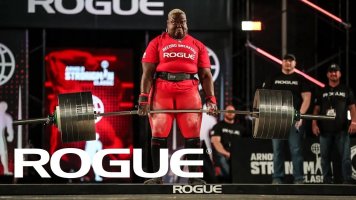
Female powerlifting's most awe-inspiring feats often come in the deadlift, where raw strength meets technical execution in spectacular fashion. The raw women's powerlifting scene has witnessed extraordinary performances like Becca Swanson's 683-pound pull, a number that dominated for years before athletes like Kristy Hawkins and Amanda Lawrence began redefining what's possible.
You'll find today's women's deadlift records increasingly specialized by weight class, with lighter competitors like Jessica Buettner pulling over 4.5 times her bodyweight. What makes these achievements particularly impressive isn't just the numbers, but the precision required maintaining proper back position while generating immense force through the legs and hips. Each record represents years of disciplined training and pushing against perceived physical limitations.
The most impressive women's powerlifting totals often come from heavier weight classes, where April Mathis's 770kg (1,697lbs) equipped total and Bonica Brown's 733kg (1,615lbs) raw total stand as monuments to human potential. In lighter classes, you'll find Marianna Gasparyan's 603kg total at 56kg bodyweight an astonishing strength-to-weight ratio.
What makes these records particularly impressive is the consistent excellence required across all three lifts. One weakness in any discipline can derail an otherwise record-setting performance in women's powerlifting totals.

Legends like Bev Francis, Jennifer Thompson, and April Mathis didn't just set records; they completely redefined what women's strength could mean. These elite women powerlifters established benchmarks that seemed impossible before they stepped onto the platform.
You'll find that most record-breaking female lifters share common traits: exceptional mental toughness, technical perfection, and unwavering consistency. Thompson's bench press technique has remained virtually flawless for decades, while Mathis showed that superheavyweight women could move weights that many men couldn't touch. Meanwhile, pioneers like Francis blazed trails when women's powerlifting barely existed as a recognized sport.
Their legacies extend beyond numbers on scoresheets; they've inspired generations of women to pursue strength unapologetically and without limitation.
The Wilks score women use creates a coefficient based on bodyweight that, when multiplied by the total weight lifted, produces a standardized number. This lets you compare a 52kg lifter's performance directly against a 84kg+ competitor.
The newer DOTS score women rely on was developed to address limitations in the Wilks formula, offering more accurate comparisons across all weight classes. These scoring systems reveal that the most impressive lifts aren't always the heaviest but often those demonstrating extraordinary strength relative to size.

Women's strength sports have benefited tremendously from science-backed nutrition strategies, biomechanical analysis, and specialized accessory work. Modern training approaches now include velocity-based training, accommodating resistance, and individualized mobility routines that optimize performance while reducing injury risk.
Competition standards continue rising as more women enter the sport, creating deeper talent pools and fiercer rivalries. The normalized presence of coaches with expertise in female physiology has eliminated guesswork from preparation, allowing lifters to approach their genetic potential with greater precision than ever before.
These women's powerlifting achievements carry significance beyond competition platforms. They've sparked global interest in women's strength sports, encouraging participation at all levels. From commercial gyms to high school weight rooms, female lifters now have legitimate role models demonstrating what's possible through dedicated training.
Each record reminds us that human potential isn't gender-dependent but individually determined through discipline and proper technique. As these records continue to fall, they create cascading effects inspiring athletic directors to fund women's programs and encouraging manufacturers to develop equipment specifically for female competitors.

Powerlifting, once dominated by men, has undergone a remarkable transformation as women continue to shatter preconceptions about female strength capabilities. The explosive growth of women's powerlifting history reveals not just participation increases but revolutionary performance milestones that redefine human potential.
When you witness today's elite female lifters, you're seeing the culmination of decades of progress in women's strength sports. These records measured through squat, bench press, deadlift, and total serve as benchmarks of exceptional physical achievement regardless of gender.
The significance extends beyond numbers on a scorecard; these records document the evolution of female athletic performance and dismantle outdated beliefs about women's strength limitations, inspiring future generations to push boundaries even further.
Understanding Women’s Powerlifting Records
How do you distinguish legitimate world records from impressive gym lifts? In women's powerlifting records, official recognition comes primarily through the International Powerlifting Federation (IPF), which maintains the strictest testing and judging standards globally.For IPF women's records to count, lifters must perform in sanctioned competitions with certified equipment, three qualified judges, and often drug testing protocols. Records are categorized as either "raw" (minimal supportive gear) or "equipped" (using specialized suits that enhance performance).
What makes these records legitimate isn't just the weight lifted, it's meeting precise technical standards. Squats require proper depth, bench presses need controlled bar paths and pauses, and deadlifts must be locked out completely. This standardization guarantees that when you see an official record, it represents genuine, verified strength.
Powerlifting Weight Classes and Divisions

4
In the world of women's powerlifting, weight classes serve as the backbone of fair competition, ensuring athletes compete against others with similar physical attributes. The current IPF women's powerlifting weight classes range from 47kg (103 lbs) to +84kg (185+ lbs), with numerous divisions in between.
Beyond weight classifications, women's powerlifting divisions are organized by age and experience level. The Open division welcomes all adult competitors, while Junior (under 23) and Sub-Junior (under 18) categories nurture emerging talent. Masters divisions (40+, 50+, 60+, 70+) showcase lifelong strength development.
When examining record legitimacy, strength-to-bodyweight ratio becomes pivotal. A 100kg deadlift from a 47kg lifter demonstrates remarkable relative strength compared to the same lift from a heavyweight competitor.
The Heaviest Squat Records Ever Set by Women

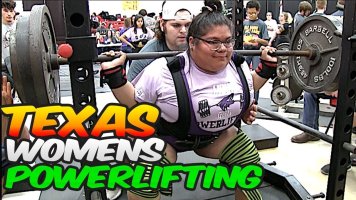
When examining the pinnacle of female strength, the squat records across powerlifting's weight classes stand as awe-inspiring monuments to athletic achievement. The heaviest women's squat records continue to evolve as athletes push human potential to new heights.
In equipped women's powerlifting, where specialized suits provide additional support, lifters have achieved truly staggering numbers. April Mathis's 854-pound (387.5kg) squat in the super heavyweight class remains one of the most impressive feats in strength sports history.
Even in raw competition, without supportive equipment, athletes like Chakera Holcomb and Marianna Gasparyan have demonstrated extraordinary leg power, squatting three times their bodyweight. These accomplishments showcase not just raw strength but also impeccable technique, mental fortitude, and years of dedicated training.
The Strongest Bench Press Records in Women’s Powerlifting

The bench press remains powerlifting's most celebrated display of upper-body strength, with elite female lifters shattering preconceptions about what women can achieve. In raw competition, April Mathis stunned the powerlifting world with a 207.5kg (457lb) lift in the super heavyweight class, while Jennifer Thompson's technical mastery allowed her to press nearly triple her bodyweight.
The equipped women's powerlifting scene tells an even more dramatic story, with specialized bench shirts helping athletes like Gundula von Bachhaus reach an astonishing 240kg (529lb). These records highlight not just raw power but also perfect technique and mental fortitude.
You'll find the most impressive women's bench press records frequently broken as training methodologies evolve and more women enter the sport.
The Most Jaw-Dropping Deadlift Records by Female Athletes

Female powerlifting's most awe-inspiring feats often come in the deadlift, where raw strength meets technical execution in spectacular fashion. The raw women's powerlifting scene has witnessed extraordinary performances like Becca Swanson's 683-pound pull, a number that dominated for years before athletes like Kristy Hawkins and Amanda Lawrence began redefining what's possible.
You'll find today's women's deadlift records increasingly specialized by weight class, with lighter competitors like Jessica Buettner pulling over 4.5 times her bodyweight. What makes these achievements particularly impressive isn't just the numbers, but the precision required maintaining proper back position while generating immense force through the legs and hips. Each record represents years of disciplined training and pushing against perceived physical limitations.
Highest Total Lift Records in Women’s Powerlifting History
Total powerlifting records represent the pinnacle of combined strength across squat, bench press, and deadlift, creating the ultimate measurement of an athlete's extensive power. When examining women's powerlifting history, these remarkable totals showcase extraordinary talent and dedication.The most impressive women's powerlifting totals often come from heavier weight classes, where April Mathis's 770kg (1,697lbs) equipped total and Bonica Brown's 733kg (1,615lbs) raw total stand as monuments to human potential. In lighter classes, you'll find Marianna Gasparyan's 603kg total at 56kg bodyweight an astonishing strength-to-weight ratio.
What makes these records particularly impressive is the consistent excellence required across all three lifts. One weakness in any discipline can derail an otherwise record-setting performance in women's powerlifting totals.
Record-Breaking Female Strength Athletes Who Made History

Legends like Bev Francis, Jennifer Thompson, and April Mathis didn't just set records; they completely redefined what women's strength could mean. These elite women powerlifters established benchmarks that seemed impossible before they stepped onto the platform.
You'll find that most record-breaking female lifters share common traits: exceptional mental toughness, technical perfection, and unwavering consistency. Thompson's bench press technique has remained virtually flawless for decades, while Mathis showed that superheavyweight women could move weights that many men couldn't touch. Meanwhile, pioneers like Francis blazed trails when women's powerlifting barely existed as a recognized sport.
Their legacies extend beyond numbers on scoresheets; they've inspired generations of women to pursue strength unapologetically and without limitation.
Scoring Systems That Highlight Elite Performance
While these powerlifting legends have set extraordinary records in their weight classes, comparing achievements across different bodyweight categories presents a mathematical challenge. That's where formulas like the Wilks and DOTS scores come in.The Wilks score women use creates a coefficient based on bodyweight that, when multiplied by the total weight lifted, produces a standardized number. This lets you compare a 52kg lifter's performance directly against a 84kg+ competitor.
The newer DOTS score women rely on was developed to address limitations in the Wilks formula, offering more accurate comparisons across all weight classes. These scoring systems reveal that the most impressive lifts aren't always the heaviest but often those demonstrating extraordinary strength relative to size.
How Modern Training and Competition Push Records Higher
The evolution of modern training methodologies has revolutionized women's powerlifting records over the past decade. You'll find today's elite lifters utilizing periodization techniques, advanced recovery protocols, and sport-specific programming that simply didn't exist for previous generations.
Women's strength sports have benefited tremendously from science-backed nutrition strategies, biomechanical analysis, and specialized accessory work. Modern training approaches now include velocity-based training, accommodating resistance, and individualized mobility routines that optimize performance while reducing injury risk.
Competition standards continue rising as more women enter the sport, creating deeper talent pools and fiercer rivalries. The normalized presence of coaches with expertise in female physiology has eliminated guesswork from preparation, allowing lifters to approach their genetic potential with greater precision than ever before.
Why These Women’s Powerlifting Records Matter
Breaking strength barriers does more than just rewrite record books; it systematically dismantles entrenched stereotypes about female physical capabilities. When you witness a woman deadlifting three times her bodyweight, you're seeing the tangible refutation of outdated beliefs about women's strength limitations.These women's powerlifting achievements carry significance beyond competition platforms. They've sparked global interest in women's strength sports, encouraging participation at all levels. From commercial gyms to high school weight rooms, female lifters now have legitimate role models demonstrating what's possible through dedicated training.
Each record reminds us that human potential isn't gender-dependent but individually determined through discipline and proper technique. As these records continue to fall, they create cascading effects inspiring athletic directors to fund women's programs and encouraging manufacturers to develop equipment specifically for female competitors.