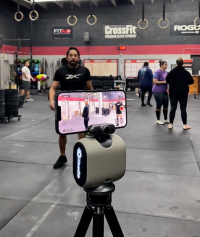
Bodybuilding is no longer confined to hardcore gym culture; it’s now a global, always-on digital movement. YouTube has played a central role in that shift, turning what used to be insider knowledge into accessible, scalable content consumed by millions daily. But this isn’t just about visibility. YouTube has changed how bodybuilding is taught, monetized, and even perceived. The platform has effectively become the bridge between elite-level training and everyday fitness audiences.

Instead of relying on magazines, forums, or in-person coaching, people now learn training techniques, nutrition strategies, and contest prep directly from video content. This shift has lowered the barrier to entry, allowing beginners to access the same information once reserved for competitive athletes.
At the same time, YouTube’s recommendation system continuously surfaces fitness content to new audiences. A single transformation video or workout tutorial can reach viewers who weren’t even actively searching for bodybuilding content. That’s how the industry has expanded beyond its traditional audience.
YouTube changed that by centralizing content and making it instantly accessible. Today, you can watch full training splits, competition prep series, supplement breakdowns, and real-time progress updates all for free.
Content formats have also evolved:
Key performance signals include:
In short, success on YouTube isn’t just about great training; it’s about packaging that training in a way the algorithm can understand and promote.

What makes them effective is relatability. Unlike traditional bodybuilding icons who seemed unreachable, today’s creators document their entire journey, failures, progress, and daily routines. This transparency builds trust.
Many successful creators position themselves around:
Creators who actively engage with their viewers see stronger retention and long-term growth. Replying to comments, running live Q&A sessions, and using community posts help turn viewers into loyal followers.
More importantly, fitness content naturally encourages participation. Viewers share their own progress, ask for feedback, and follow along with programs. This creates a feedback loop where the audience becomes part of the content itself.
Strong communities also increase content distribution. When viewers feel connected, they’re more likely to share videos, recommend channels, and return consistently.
While ad revenue provides a baseline income, most earnings come from external monetization:
This model has allowed individual creators to build full-scale fitness businesses without needing a physical gym or traditional infrastructure.

One of the biggest impacts of YouTube is how it expanded bodybuilding beyond its original audience.
Content is no longer limited to competitive physiques or advanced training. Instead, it includes:
As a result, bodybuilding is no longer seen as extreme; it’s becoming part of everyday fitness culture.
Thousands of creators are producing similar content, making it harder to stand out. High production quality, strong branding, and clear positioning are now essential, not optional.
There are also structural challenges:

The next phase of YouTube bodybuilding content will be shaped by technology and audience expectations.
Key trends include:
The platform transformed how people discover fitness, learn training principles, and engage with the industry. It turned individual creators into global educators and made high-level knowledge accessible to anyone with an internet connection.
But growth on YouTube now requires more than just uploading workouts. It demands strategy, consistency, and the ability to connect with an audience while adapting to an evolving platform.
Bodybuilding is no longer a niche; it’s a content-driven ecosystem. And YouTube remains at the center of that evolution.

YouTube Revolution
Over the past decade, bodybuilding has evolved from a niche subculture into a mainstream fitness movement, and YouTube has been one of the biggest catalysts behind that transformation.Instead of relying on magazines, forums, or in-person coaching, people now learn training techniques, nutrition strategies, and contest prep directly from video content. This shift has lowered the barrier to entry, allowing beginners to access the same information once reserved for competitive athletes.
At the same time, YouTube’s recommendation system continuously surfaces fitness content to new audiences. A single transformation video or workout tutorial can reach viewers who weren’t even actively searching for bodybuilding content. That’s how the industry has expanded beyond its traditional audience.
The Evolution of Bodybuilding Content on YouTube
Before YouTube, bodybuilding education was fragmented. You had to rely on local gym mentors, expensive DVDs, or scattered forum advice. Information was often inconsistent, outdated, or difficult to verify.YouTube changed that by centralizing content and making it instantly accessible. Today, you can watch full training splits, competition prep series, supplement breakdowns, and real-time progress updates all for free.
Content formats have also evolved:
- Long-form videos now focus on detailed training sessions, science-based explanations, and full-day routines.
- Short-form content like YouTube Shorts delivers quick tips, exercise demos, and motivational clips designed for fast consumption.
How YouTube’s Algorithm Drives Bodybuilding Visibility
YouTube’s growth isn’t random; it’s driven by a recommendation system that prioritizes viewer behavior. For bodybuilding content, this creates massive opportunities for exposure.Key performance signals include:
- Watch time and retention: The longer viewers stay engaged, the more YouTube pushes the content.
- Click-through rate (CTR): Strong thumbnails and titles, especially transformation visuals, drive initial clicks.
- Session time: Videos that keep users on the platform longer are favored.
In short, success on YouTube isn’t just about great training; it’s about packaging that training in a way the algorithm can understand and promote.
The Rise of Fitness Influencers as Educators
Fitness influencers are no longer just entertainers; they’ve become primary sources of education and guidance for millions of viewers.
What makes them effective is relatability. Unlike traditional bodybuilding icons who seemed unreachable, today’s creators document their entire journey, failures, progress, and daily routines. This transparency builds trust.
Many successful creators position themselves around:
- A specific niche (e.g., natural bodybuilding, fat loss, beginner fitness)
- A consistent training philosophy (science-based, high-intensity, minimalist, etc.)
- A recognizable personal brand
Audience Engagement and Community Building
YouTube doesn’t just grow audiences, it builds communities.Creators who actively engage with their viewers see stronger retention and long-term growth. Replying to comments, running live Q&A sessions, and using community posts help turn viewers into loyal followers.
More importantly, fitness content naturally encourages participation. Viewers share their own progress, ask for feedback, and follow along with programs. This creates a feedback loop where the audience becomes part of the content itself.
Strong communities also increase content distribution. When viewers feel connected, they’re more likely to share videos, recommend channels, and return consistently.
Monetization and the Business of Bodybuilding Content
YouTube has turned bodybuilding into a scalable business model.While ad revenue provides a baseline income, most earnings come from external monetization:
- Coaching services (custom training and nutrition plans)
- Digital products (workout programs, meal plans, courses)
Affiliate marketing (supplements, gym equipment, apparel)
Brand sponsorships and partnerships
This model has allowed individual creators to build full-scale fitness businesses without needing a physical gym or traditional infrastructure.
Reaching Beyond Hardcore Bodybuilding

One of the biggest impacts of YouTube is how it expanded bodybuilding beyond its original audience.
Content is no longer limited to competitive physiques or advanced training. Instead, it includes:
- Beginner-friendly workouts
- Lifestyle and wellness content
- Fat loss transformations
- General health education
As a result, bodybuilding is no longer seen as extreme; it’s becoming part of everyday fitness culture.
Challenges in the Modern YouTube Fitness Space
Despite the growth, the space has become highly competitive.Thousands of creators are producing similar content, making it harder to stand out. High production quality, strong branding, and clear positioning are now essential, not optional.
There are also structural challenges:
- Algorithm dependency can cause sudden drops in reach
- Content saturation reduces novelty
- Misinformation spreads easily when creators prioritize views over accuracy
Future Trends in YouTube Bodybuilding Content

The next phase of YouTube bodybuilding content will be shaped by technology and audience expectations.
Key trends include:
- AI-assisted content creation and editing to improve efficiency
- Greater emphasis on science-based training and evidence-backed advice
- Growth of short-form content for discovery and reach
- Integration of wearable data (heart rate, recovery, performance tracking) into content
- Personalized content tailored to specific fitness levels and goals
The Bottom Line
YouTube hasn’t just amplified bodybuilding; it has redefined it.The platform transformed how people discover fitness, learn training principles, and engage with the industry. It turned individual creators into global educators and made high-level knowledge accessible to anyone with an internet connection.
But growth on YouTube now requires more than just uploading workouts. It demands strategy, consistency, and the ability to connect with an audience while adapting to an evolving platform.
Bodybuilding is no longer a niche; it’s a content-driven ecosystem. And YouTube remains at the center of that evolution.