• Legal Notice – MuscleMecca Forums

    MuscleMecca.com is an educational discussion platform. We do not sell, promote, or endorse any bodybuilding gear, supplements, research chemicals, or performance-enhancing substances.

    All discussions are for educational and informational purposes only. Nothing posted on this forum should be considered medical or legal advice.

    Do not attempt to sell, source, or promote illegal substances. Any such activity will result in an immediate and permanent ban and may be reported to the proper authorities.

    By using this site, you agree to comply with all forum rules, disclaimers, and applicable laws in your jurisdiction.

    Read Our Full Disclaimer and Forum Rules

  • Follow the 2026 Olympia on September 24 to 27, 2026!

History of Soviet cosmonautics.

Frimen1917

Frimen1917

Mecca V.I.P.
VIP
Joined
Jan 9, 2026
Messages
3,161
Points
63
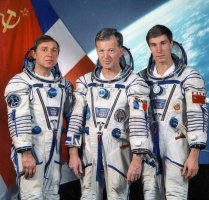
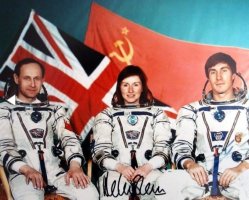
18 мая 1991 года подданная Великобритании Хелен Патрисия Шармен в составе девятой экспедиции совершила космический полёт на орбитальную станцию «Мир» на космическом корабле «Союз ТМ-12» вместе с Анатолием Арцебарским и Сергеем Крикалёвым.
А. Арцебарский и С. Крикалёв, как экипаж 9-й основной экспедиции на Орбитальную Станцию «Мир», заменили экипаж 8-й основной экспедиции (В. Афанасьев — М. Манаров). Британская женщина-космонавт Шармен провела на станции одну неделю. Её полёт был спонсирован частной британской компанией. Шармен осуществила на орбите биологические и химические эксперименты, а также провела для английских школ серию уроков.

Программа девятой основной экспедиции состояла из экспериментов по астрономии, биологии, химии, наблюдению Земли, космической технике, материаловедению и медицине. Помимо этого космонавты провели профилактические работы и заменили многие приборы. Во время работ в открытом космосе произведён ремонт антенны системы автоматического сближения «Курс» на модуле «Квант», смонтирована складывающаяся решетчатая мачта из нового никель-титанового сплава, предназначенная для установки дополнительного прибора управления на модуле «Квант».

За шесть выходов в открытый космос космонавты провели вне станции в общей сложности 32 ч 23 мин. Сергей Крикалёв пробыл на орбите на шесть месяцев дольше первоначально запланированного срока, так как две последующие миссии на «Мир» сокращены по финансовым причинам и позволяли заменить на орбите только одного члена основного экипажа. Провиант и расходные материалы доставлялись транспортными кораблями «Прогресс М
-8» и «М-9».
На фото слева направо: Анатолий Арцебарский, Хелен Шармен, Сергей Крикалев.

On May 18, 1991, British citizen Helen Patricia Sharman took part in a spaceflight as a member of the ninth expedition, traveling to the orbital station Mir aboard the spacecraft Soyuz TM-12 together with Anatoly Artsebarsky and Sergey Krikalev.
A. Artsebarsky and S. Krikalev, as the crew of the 9th principal expedition to the Mir Orbital Station, replaced the crew of the 8th principal expedition (V. Afanasyev and M. Manarov). British cosmonaut Helen Sharman spent one week aboard the station. Her flight was sponsored by a private British company. While in orbit, Sharman conducted biological and chemical experiments and also delivered a series of lessons for schools in the United Kingdom.
The program of the 9th principal expedition included experiments in astronomy, biology, chemistry, Earth observation, space engineering, materials science, and medicine. In addition, the cosmonauts carried out maintenance work and replaced numerous instruments. During spacewalks, they repaired the antenna of the Kurs automatic rendezvous system on the Kvant module and installed a collapsible lattice mast made of a new nickel-titanium alloy. The mast was intended for mounting an additional control instrument on the Kvant module.
Over the course of six spacewalks, the cosmonauts spent a total of 32 hours and 23 minutes outside the station. Sergey Krikalev remained in orbit six months longer than originally planned because the next two missions to Mir were reduced for financial reasons and allowed the replacement of only one member of the main crew. Food supplies and consumable materials were delivered by the cargo spacecraft Progress M-8 and Progress M-9.

In the photograph, from left to right: Anatoly Artsebarsky, Helen Sharman, and Sergey Krikalev.
El 18 de mayo de 1991, la ciudadana británica Helen Patricia Sharman realizó un vuelo espacial como integrante de la novena expedición a la estación orbital Mir, a bordo de la nave espacial Soyuz TM-12, junto con Anatoli Artsebarski y Serguéi Krikaliov.
A. Artsebarski y S. Krikaliov, como tripulación de la 9.ª expedición principal a la estación orbital Mir, sustituyeron a la tripulación de la 8.ª expedición principal (V. Afanásiev y M. Manárov). La cosmonauta británica Helen Sharman permaneció una semana en la estación. Su vuelo fue patrocinado por una empresa privada británica. Durante su estancia en órbita, Sharman realizó experimentos biológicos y químicos, además de impartir una serie de lecciones para escuelas del Reino Unido.
El programa de la 9.ª expedición principal incluyó experimentos de astronomía, biología, química, observación de la Tierra, ingeniería espacial, ciencia de materiales y medicina. Además, los cosmonautas llevaron a cabo trabajos de mantenimiento y sustituyeron numerosos instrumentos. Durante las actividades extravehiculares, repararon la antena del sistema automático de acoplamiento Kurs en el módulo Kvant e instalaron un mástil reticular plegable fabricado con una nueva aleación de níquel y titanio. Este mástil estaba destinado a la instalación de un instrumento de control adicional en el módulo Kvant.
A lo largo de seis salidas al espacio abierto, los cosmonautas pasaron un total de 32 horas y 23 minutos fuera de la estación. Serguéi Krikaliov permaneció en órbita seis meses más de lo previsto inicialmente, ya que las dos misiones siguientes a Mir fueron reducidas por motivos financieros y permitían sustituir únicamente a un miembro de la tripulación principal. Los víveres y materiales consumibles fueron suministrados por las naves de carga Progress M-8 y Progress M-9.

En la fotografía, de izquierda a derecha: Anatoli Artsebarski, Helen Sharman y Serguéi Krikaliov.
CZUYavWugdE9lKETBtr XiIHBeQXv8T0p2HFpQ5jqwlyoCHYAH mh03e8YBJ0OBh07FsTK6xQ4r4O246fj3KPI8E
 
Frimen1917

Frimen1917

Mecca V.I.P.
VIP
Joined
Jan 9, 2026
Messages
3,161
Points
63
"Высокая ценность визуальных наблюдений Мирового океана из космоса определяется совершенством человеческого глаза как измерительного инструмента, а также способностью человека мгновенно перерабатывать воспринимаемые изображения, отделять существенное от несущественного, подмечать новые черты в хорошо известном, улавливать загадочные и необычные явления. Особенно резко увеличиваются наблюдательные способности космонавтов при их хорошей предварительной подготовке, и вполне вероятно, что в недалеком будущем в составе экипажей орбитальных станций появятся космонавты-океанологи.

Значительно увеличивается эффективность визуальных наблюдений океана из космоса и в условиях длительного полета, при многократных наблюдениях одного и того же района. Космонавты в этом случае сразу узнают знакомые районы и подмечают происшедшие в них изменения. Это обстоятельство отмечалось многими космическими экипажами и особенно основными экипажами Орбитальной Космической Станции «Салют-6».

Иногда космонавты при наблюдении океана замечали такие явления и объекты, что ставили в тупик специалистов по оптике океана. Еще при полетах на первых космических кораблях было замечено, что космонавты хорошо различают малоразмерные объекты на океанском фоне, даже такие небольшие, как отдельные корабли. Долгое время это казалось нереальным, но потом ученые разобрались в этом явлении и поняли, что недооценивали адаптационные характеристики человеческого зрения, выяснили, что в условиях космического полета острота зрения у космонавтов может заметно повышаться".(А.А.Большаков."Космические методы в океанологии").
.....................................................................
Цит. по: Анатолий Александрович Большаков
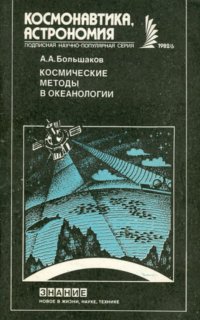
КОСМИЧЕСКИЕ МЕТОДЫ В ОКЕАНОЛОГИИ
Серия «Космонавтика, астрономия»
№ 6, 1982 г.
НОВОЕ В ЖИЗНИ, НАУКЕ, ТЕХНИКЕ
Гл. отраслевой редактор Л. А. Ерлыкин. Редактор Е. Ю. Ермаков. Мл. редактор Г. И. Родкина. Обложка художника Ю. В. Меньшова. Худож. редактор Т. С. Егорова. Техн. редактор Н. В. Лбова. Корректор В. И. Гуляева.

Издательство «Знание» Москва 1982 год
The high value of visual observations of the World Ocean from space is determined by the perfection of the human eye as a measuring instrument, as well as by the human ability to instantly process perceived images, distinguish the essential from the non-essential, notice new features in what is already familiar, and detect mysterious and unusual phenomena.


The observational abilities of cosmonauts increase especially sharply when they receive thorough preliminary training, and it is quite likely that in the near future the crews of orbital stations will include cosmonaut-oceanographers.

The effectiveness of visual observations of the ocean from space also increases significantly during long-duration missions, when the same region is observed repeatedly. In such cases, cosmonauts immediately recognize familiar areas and notice the changes that have occurred there. This phenomenon was noted by many space crews, especially by the principal crews of the Salyut-6 Orbital Space Station.

At times, while observing the ocean, cosmonauts noticed phenomena and objects that puzzled specialists in ocean optics. During the flights of the very first spacecraft, it was observed that cosmonauts could clearly distinguish small objects against the ocean background, even objects as small as individual ships. For a long time this seemed unrealistic, but later scientists came to understand the phenomenon. They realized that they had underestimated the adaptive capabilities of human vision and discovered that, under spaceflight conditions, the visual acuity of cosmonauts can increase noticeably.

(A. A. Bolshakov, “Space Methods in Oceanology”)

Source:

Anatoly Alexandrovich Bolshakov

SPACE METHODS IN OCEANOLOGY

Series: Cosmonautics, Astronomy

No. 6, 1982

NEW DEVELOPMENTS IN LIFE, SCIENCE, AND TECHNOLOGY

Cover designed by artist Yu. V. Menshov.
Knowledge Publishing House

Moscow, 1982
El gran valor de las observaciones visuales del Océano Mundial desde el espacio está determinado por la perfección del ojo humano como instrumento de medición, así como por la capacidad del ser humano para procesar instantáneamente las imágenes percibidas, separar lo esencial de lo secundario, descubrir nuevos rasgos en lo ya conocido y captar fenómenos misteriosos e inusuales.


Las capacidades de observación de los cosmonautas aumentan especialmente cuando reciben una preparación previa adecuada, y es muy probable que en un futuro cercano aparezcan cosmonautas-oceanógrafos entre las tripulaciones de las estaciones orbitales.

La eficacia de las observaciones visuales del océano desde el espacio también aumenta considerablemente durante los vuelos de larga duración, cuando se observa repetidamente una misma región. En estos casos, los cosmonautas reconocen inmediatamente las zonas familiares y detectan los cambios que han ocurrido en ellas. Esta circunstancia fue señalada por numerosas tripulaciones espaciales y, en particular, por las tripulaciones principales de la Estación Espacial Orbital Salyut-6.

En ocasiones, al observar el océano, los cosmonautas detectaron fenómenos y objetos que desconcertaron a los especialistas en óptica oceánica. Ya durante los vuelos de las primeras naves espaciales se observó que los cosmonautas distinguían claramente objetos de pequeño tamaño sobre el fondo oceánico, incluso tan pequeños como barcos individuales. Durante mucho tiempo esto pareció imposible, pero posteriormente los científicos lograron explicar el fenómeno. Comprendieron que habían subestimado las capacidades de adaptación de la visión humana y descubrieron que, en las condiciones de un vuelo espacial, la agudeza visual de los cosmonautas puede aumentar notablemente.

(A. A. Bolshakov, «Métodos espaciales en oceanología»)

Fuente:

Anatoli Aleksándrovich Bolshakov

MÉTODOS ESPACIALES EN OCEANOLOGÍA

Serie: Cosmonáutica, Astronomía

N.º 6, 1982

NOVEDADES EN LA VIDA, LA CIENCIA Y LA TECNOLOGÍA

Portada del artista Yu. V. Menshov.
Editorial «Znanie»

Moscú, 1982
A RNTeuckrbB3UnKLg5JVoFDBXFiYW20GSlXizXm64HnvAmF6lumD5vvowW3JGgu EZ72qSuNE4KPO2JDcLsd xw
 
Frimen1917

Frimen1917

Mecca V.I.P.
VIP
Joined
Jan 9, 2026
Messages
3,161
Points
63
"Американский астронавт, первым ступивший на поверхность Луны, — Нил Армстронг прибыл в Новосибирск вместе с двумя советскими космонавтами, Георгием Береговым и Константином Феоктистовым. Он побывал в Академгородке спустя почти год после своего легендарного полёта — 30 мая 1970 года.

Во время визита академик Лаврентьев пригласил Армстронга и других советских космонавтов на борт яхты «Факел» и показал им наше Обское водохранилище. Как рассказывается на сайте NASA, в день визита космонавтов в Новосибирск в городе была пасмурная погода.

— Несмотря на пасмурность, группа наслаждалась прекрасным пикником в сельской местности, а Армстронг продемонстрировал свои кулинарные таланты и приготовил котелок ухи, — сообщается на их сайте". (Алина Каур. "Нил Армстронг — 1970 год").
.....................................................................................................................
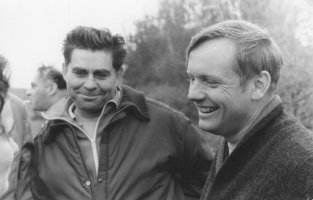
Примечание: на фото слева направо: cоветский лётчик-космонавт Георгий Береговой и американский астронавт Нил Армстронг во время обеда на берегу Обского водохранилища.

Фото: архив Сибирского Отделения Российской Академии Наук.

American astronaut Neil Armstrong, the first man to set foot on the surface of the Moon, arrived in Novosibirsk together with two Soviet cosmonauts, Georgy Beregovoy and Konstantin Feoktistov. He visited Akademgorodok almost a year after his legendary flight — on May 30, 1970.


During the visit, Academician Mikhail Lavrentyev invited Armstrong and the Soviet cosmonauts aboard the yacht "Fakel" ("Torch") and showed them the Ob Reservoir. According to the NASA website, the weather in Novosibirsk on the day of the visit was cloudy.

“Despite the overcast weather, the group enjoyed a wonderful picnic in the countryside, and Armstrong demonstrated his culinary skills by cooking a pot of fish soup,” the NASA website reports.
Note: In the photograph, from left to right, are Soviet cosmonaut Georgy Beregovoy and American astronaut Neil Armstrong during lunch on the shore of the Ob Reservoir.

Photo: Archive of the Siberian Branch of the Russian Academy of Sciences.
El astronauta estadounidense Neil Armstrong, el primer ser humano en pisar la superficie de la Luna, llegó a Novosibirsk junto con dos cosmonautas soviéticos, Gueorgui Beregovói y Konstantín Feoktístov. Visitó Akademgorodok casi un año después de su legendario vuelo, el 30 de mayo de 1970.


Durante la visita, el académico Mijaíl Lavréntiev invitó a Armstrong y a los cosmonautas soviéticos a bordo del yate «Fakel» («Antorcha») y les mostró el embalse de Ob. Según se informa en el sitio web de la NASA, el día de la visita de los cosmonautas a Novosibirsk el tiempo estaba nublado.

«A pesar del cielo cubierto, el grupo disfrutó de un magnífico picnic en el campo, y Armstrong demostró sus habilidades culinarias preparando una olla de sopa de pescado», señala el sitio web de la NASA.
Nota: En la fotografía, de izquierda a derecha, aparecen el cosmonauta soviético Gueorgui Beregovói y el astronauta estadounidense Neil Armstrong durante un almuerzo en la orilla del embalse de Ob.

Fotografía: Archivo de la Sección Siberiana de la Academia Rusa de Ciencias.
60i3glEtalGRxDb1NKwm1h3QYr0GnBA5sElxC4u735XNkHKKpimgP WRVt9iEvjfQGEQULLgwXxjp2d zfFUiPkJ
 
Frimen1917

Frimen1917

Mecca V.I.P.
VIP
Joined
Jan 9, 2026
Messages
3,161
Points
63
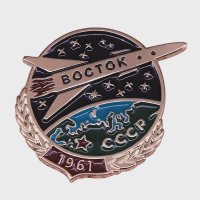
Советский космический корабль "Bocток". Значок CCCP "День космонавтики 1961".
Soviet spacecraft "Bostok." USSR badge "Cosmonautics Day 1961".
Nave espacial soviética "Bostok". Insignia de la URSS "Día de la Cosmonáutica 1961".

CzHuu00yw4p32uCjv ATJ2w3Doe10LpdFPW0VnTmsk2GdAMu0tL0kspnkdAa6CZCPQhKfK6 YGAULPoSV1fHCfet
 
Frimen1917

Frimen1917

Mecca V.I.P.
VIP
Joined
Jan 9, 2026
Messages
3,161
Points
63
Документальный фильм "Проект "Фобос".
Творческое Объединение "Экран", 1988 г.
О запуске космического аппарата к спутнику Марса Фобосу, а также о программе эксперимента.

Автор сценария - Сергей Вологдин
Автор сценария - А. Григорьев
Автор сценария - Владимир Иванов
Режиссер - Сергей Вологдин
Режиссер - Олег Малинин

Оператор - Александр Щавлев
Documentary "Project Phobos."

Creative Association "Ekran", 1988
About the launch of the spacecraft to the Martian moon Phobos, as well as the experimental program.

Screenplay: Sergey Vologdin
Screenplay: A. Grigoriev
Screenplay: Vladimir Ivanov
Director: Sergey Vologdin
Director: Oleg Malinin

Cinematographer: Alexander Shchavlev
Documental "Proyecto Fobos".


Asociación creativa "Ekran", 1988
Trata sobre el lanzamiento de la nave espacial a Fobos, la luna marciana, y el programa experimental.

Guion: Sergey Vologdin
Guion: A. Grigoriev
Guion: Vladimir Ivanov
Director: Sergey Vologdin
Director: Oleg Malinin

Director de fotografía: Alexander Shchavlev
 
Frimen1917

Frimen1917

Mecca V.I.P.
VIP
Joined
Jan 9, 2026
Messages
3,161
Points
63
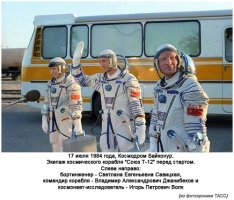
17 июля 1984 года. Космодром Байконур. Экипаж космического корабля "Союз Т-12" перед стартом. На фото слева направо: бортинженер - Светлана Евгеньевна Савицкая, командир корабля - Владимир Александрович Джанибеков и космонавт - исследователь Игорь Петрович Волк.
July 17, 1984. Baikonur Cosmodrome. The crew of the Soyuz T-12 spacecraft before launch. Pictured, left to right: flight engineer Svetlana Evgenyevna Savitskaya, spacecraft commander Vladimir Aleksandrovich Dzhanibekov, and cosmonaut-researcher Igor Petrovich Volk.
17 de julio de 1984. Cosmódromo de Baikonur. La tripulación de la nave espacial Soyuz T-12 antes del lanzamiento. En la imagen, de izquierda a derecha: la ingeniera de vuelo Svetlana Evgenyevna Savitskaya, el comandante de la nave espacial Vladimir Aleksandrovich Dzhanibekov y el cosmonauta e investigador Igor Petrovich Volk.


YVw KSOdkNZ5ijItHGCVfSgF9ShbvzKGtGy6fgSg0gLsLdc51W kyR63be5q650SV3M7AVGCQr0c5Osxmy3xpLNu
 
Frimen1917

Frimen1917

Mecca V.I.P.
VIP
Joined
Jan 9, 2026
Messages
3,161
Points
63
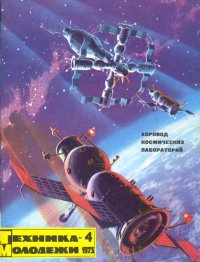
Космические обложки журнала "Техника - молодежи". №4, 1973 г.
1 - я страница обложки - картина художников А. Леонова и А. Соколова.
Space covers of the magazine "Technology for Youth." Issue No. 4, 1973.
Page 1 of the cover: painting by A. Leonov and A. Sokolov.
Portadas espaciales de la revista «Tecnología para la Juventud». Número 4, 1973.

Página 1 de la portada: pintura de A. Leonov y A. Sokolov.
Y2eSOdIwTf1aZxWZnHRrfU3 A9qdlf3aafkDIZzgV6W6C2JMLCXh25sexS5Yq9acL5v4jR2llLEVzzhLXoB8kLFP
 
Frimen1917

Frimen1917

Mecca V.I.P.
VIP
Joined
Jan 9, 2026
Messages
3,161
Points
63
"Со старта прошла неделя. Заполненная разговорами с киборгом, она пролетела незаметно. Экспресс проходил пояс астероидов. Пояс традиционно считался зоной повышенной метеорной опасности. По сравнению с другими районами солнечной системы вероятность столкновения действительно повышается здесь в тысячи раз, но все равно остается ничтожной.

— Можно, я сам сварю себе кофе? — спросил Двинский.

— Вам не нравится мой метод?

— Нравится. Но я никогда не варил кофе в невесомости. Сейчас мне кажется, что вы варите его почти так, как кое-кто на Земле. Возможно, когда я сам его сварю, ваш мне понравится еще больше.

— Тогда действуйте, — сказал киборг. — Правда, это не по правилам. Мы в поясе астероидов, и пассажирам полагается сидеть по местам. Могут быть ускорения, толчки. Экспресс уходит от метеорита, а вы влетаете во что-нибудь головой. Но что нам правила? Не можете же вы сорок часов подряд не вставать с кресла.

Двинский возился у кухонного автомата. В принципе экспресс мог нести в себе пять человек. Сейчас четыре кресла были сняты, и места было достаточно. Кухонный автомат размещался позади, справа от кресла Двинского. Рядом с автоматом был иллюминатор. За прозрачным стеклом начиналась пустота, заполненная чернотой неба. Окно в черноту, посыпанную мелкими звездами — как порошок кофе с сахаром перед тем, как его заваривать по-турецки.

Как это делается в невесомости? Очень просто, Настенька. Элементарно, любимая. Жидкость слегка намагничивается. Или электризуется. Это раз. Джезва тоже электризуется. Или намагничивается. Это два. Теперь это уже не джезва, а магнитная ловушка. Магнитная чашка. Сейчас мы будем пить кофе по-турецки из магнитных чашек…

Джезву вырвало из рук Двинского. Самого его бросило вперед — мимо иллюминатора, головой к пульту, к металлическим углам и напряжению. Но он не ударился о пульт. У самого пульта его подтормозило, остановило, поставило на ноги. Потом его швырнуло в кресло. Потом были перегрузки.
Двинский осматривал кабину. Немного кофе, две маленькие чашки. Но кабину испачкало основательно. Теперь он с тряпкой в руках ползал по полу, отмывая кофейные пятна. Киборг ему помогал.

— Должны быть две лужи в углу. Правильно. Еще правее.

— Точно, — сказал Двинский, снимая пятно тряпкой. — Как вы их находите? Разве у вас есть глаза внутри кабины?

— Нет, — сказал киборг. — Они глядят во вселенную. Но у меня есть инерционные датчики.

— Вы хотите сказать, что реагируете на смещение центра тяжести?

— Естественно.

— На смещение из-за пролитого кофе?

— Почему нет?

— Нужна потрясающая точность.

— Что вы знаете о моей точности?

— Ничего, — сказал Двинский. Он нашел второе пятно в углу. — Нет, нет, нет. Я ничего не знаю. Но каждый сравнивает с собой. И еще — как вам удалось сманеврировать так, что я очутился в кресле? По-моему, вы спасли мне жизнь.

— Не стоит благодарности. Нам угрожал метеорит. Есть множество траекторий, уводящих от опасности. Бесконечное множество. Оно содержит бесконечное подмножество траекторий, на которых инерционные силы бросают вас в кресло. Что остается? Выбрать путь, оптимальный по какому-либо параметру. Например, по величине ускорений.

— Но ведь это очень сложная вариационная задача! — воскликнул Двинский. — Ее нужно решить, и практически мгновенно! Разве это возможно?

— Почему нет? — сказал киборг. — Если решение однозначно, процесс его нахождения сводится к переводу. Это чистая лингвистика. Вы переводите задачу с языка начальных условий на язык решений. Естественно, все переводят с разной скоростью.

— И вы быстрее всех?

— Нет, — сказал киборг. — Как пишут в анкетах, я владею обоими языками в совершенстве. Мне не нужно переводить. Если задача поставлена, я сразу знаю решение.

— Слова я слышу, — сказал Двинский. — Впрочем, если вы делаете такие вещи инстинктивно, как я перехожу улицу, мне очевидна и суть. Только почему я не оказался в кресле вверх ногами? Впрочем, для вас это тоже просто.

— Естественно, — сказал киборг. — Я могу придать вам любое положение относительно кабины. Могу усадить в кресло, прижать лицом к иллюминатору, положить вашу руку на пульт, заставить нажать какую-нибудь кнопку. Наш ручной пульт — фикция. Когда кораблем управляет робот, пилот всегда может перехватить управление. У нас такое возможно лишь в принципе. Сигнал с пульта перебивает мои команды, но от меня зависит, чтобы пульт молчал.

— Почему так сделано? — спросил Двинский. Вновь на секунду он ощутил знакомое чувство, будто на него повеяло холодом. — Зачем?

— Никто этого не предвидел, — сказал киборг. — Все думали, что у пилота есть возможность взять управление на себя. На деле получилось не так. И правильно. Человек всегда во власти эмоции. У него могут возникнуть галлюцинации, он может сойти с ума, его может затопить черная волна из глубин психики. Я знаю это на опыте. Мало ли что может случиться с человеком!..

— А с вами?

— К моему глубокому сожалению, — монотонно произнес киборг, — ничего.
Двинский любовался Юпитером. Более величественного зрелища он не видел. Земля тоже впечатляет, но мы привыкли к Земле. Юпитер — другое дело. Никакая кинохроника не в силах передать вид на Юпитер с расстояния 'в миллион километров. Бездонные глубины атмосферы, выпуклости тайфунов, полосы облаков, круглые тени спутников. И то, для чего в языке еще нет подходящих слов". (Михаил Пухов. "Терминатор").
.........................................................................................................
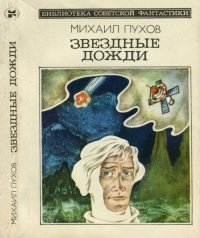
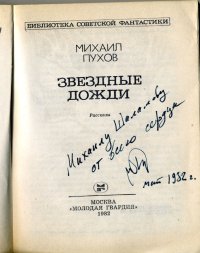
Цит. по: Михаил Георгиевич Пухов. /Звездные дожди. /Рассказы /Москва. /Издательство Молодая гвардия, 1982 г. (Библиотека советской фантастики).

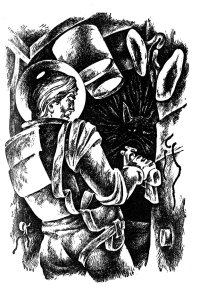
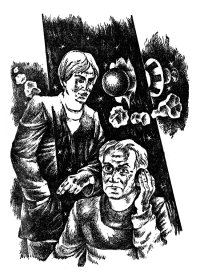
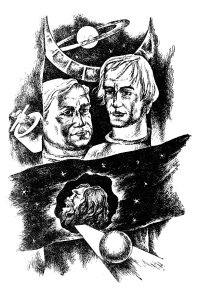
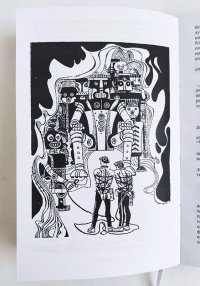
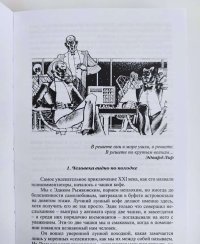
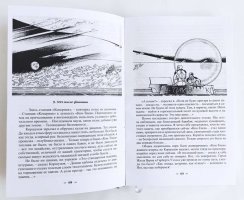
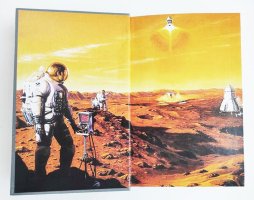
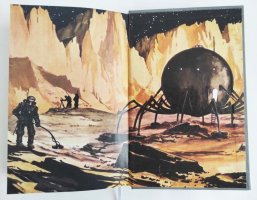
На фотографиях первая и последняя страницы обложки а также иллюстрации из книги "Звездные дожди". На титульном листе книги автограф автора.
A week had passed since launch. Filled with conversations with the cyborg, it had flown by unnoticed. The express ship was crossing the asteroid belt. Traditionally, the belt was considered a zone of increased meteor hazard. Compared to other regions of the Solar System, the probability of collision was indeed thousands of times greater here, but it still remained negligible.


“May I make my own coffee?” Dvinsky asked.

“Do you dislike my method?”

“No, I like it. But I have never made coffee in zero gravity. Right now it seems to me that you brew it almost the same way some people do on Earth. Perhaps if I make it myself, I’ll appreciate yours even more.”

“Then go ahead,” said the cyborg. “Though it’s against regulations. We are in the asteroid belt, and passengers are supposed to remain in their seats. There may be accelerations and jolts. The express ship may dodge a meteorite, and you could end up hitting your head on something. But what are rules to us? You can’t sit in a chair for forty hours straight without moving.”

Dvinsky was busy at the galley dispenser. In principle, the express ship could carry five people. At the moment, four seats had been removed, leaving plenty of space. The galley unit was located behind and to the right of Dvinsky’s seat. Next to it was a porthole. Beyond the transparent glass began the void, filled with the blackness of space. A window into darkness sprinkled with tiny stars—like coffee grounds mixed with sugar before being brewed Turkish-style.

How is that done in zero gravity? Very simply, Nastenka. Elementary, my dear. The liquid is slightly magnetized. Or electrified. That’s one. The cezve is also electrified. Or magnetized. That’s two. Now it is no longer a cezve but a magnetic trap. A magnetic cup. We are about to drink Turkish coffee from magnetic cups...

The cezve was torn from Dvinsky’s hands. He himself was hurled forward—past the porthole, headfirst toward the control panel, toward metal edges and danger. But he never struck the panel. Just before reaching it, he was slowed, stopped, and set upright. Then he was thrown back into his seat. Then came the overloads.

Dvinsky surveyed the cabin. A little coffee, two small cups. Yet the cabin had been thoroughly splattered. Now he crawled across the floor with a cloth, cleaning coffee stains. The cyborg was helping him.

“There should be two puddles in the corner. Correct. A little farther to the right.”

“Exactly,” Dvinsky said, wiping away a stain. “How do you find them? Do you have eyes inside the cabin?”

“No,” said the cyborg. “They look out into the universe. But I have inertial sensors.”

“You mean you respond to shifts in the center of mass?”

“Naturally.”

“To shifts caused by spilled coffee?”

“Why not?”

“That requires astonishing precision.”

“What do you know about my precision?”

“Nothing,” Dvinsky replied. He found the second stain in the corner. “No, no, no. I know nothing. But everyone compares things to themselves. And another thing—how did you maneuver so that I ended up back in my seat? I think you saved my life.”

“You’re welcome. A meteorite threatened us. There are many trajectories that avoid danger. An infinite number. Among them is an infinite subset of trajectories on which inertial forces throw you into your seat. What remains? To choose a path optimal by some parameter—for example, minimizing acceleration.”

“But that’s an extremely complex variational problem!” exclaimed Dvinsky. “It has to be solved practically instantaneously! Is that even possible?”

“Why not?” said the cyborg. “If the solution is unique, the process reduces to translation. It is pure linguistics. You translate the problem from the language of initial conditions into the language of solutions. Naturally, everyone translates at different speeds.”

“And you are faster than anyone?”

“No,” said the cyborg. “As people write in questionnaires, I am fluent in both languages. I do not need to translate. If a problem is posed, I know the solution immediately.”

“I hear the words,” said Dvinsky. “Though if you do such things instinctively, the way I cross a street, then I understand the essence. But why didn’t I end up upside down in the seat? Though I suppose that would have been easy for you as well.”

“Naturally,” said the cyborg. “I can place you in any orientation relative to the cabin. I can seat you in a chair, press your face against the porthole, place your hand on the control panel, make you press a button. Our manual control panel is a fiction. When a robot pilots the ship, the pilot is theoretically able to take control. In practice, that is only possible in theory. Signals from the panel can override my commands, but it is up to me to ensure the panel remains silent.”

“Why was it designed that way?” Dvinsky asked. Once again, for a moment, he felt that familiar sensation—as though a cold breeze had brushed against him.

“No one foresaw it,” said the cyborg. “Everyone assumed the pilot could take over control. In reality, it turned out otherwise. And rightly so. Humans are always subject to emotion. They may experience hallucinations, lose their minds, be overwhelmed by a dark wave rising from the depths of the psyche. I know this from experience. So many things can happen to a human being…”

“And to you?”

“To my deep regret,” the cyborg said in a monotone voice, “nothing.”

Dvinsky admired Jupiter. He had never seen anything more majestic. Earth is impressive too, but we are accustomed to Earth. Jupiter was something else entirely. No film recording could convey the view of Jupiter from a distance of a million kilometers. The bottomless depths of its atmosphere, the bulges of storms, the cloud bands, the round shadows of its moons. And things for which language still had no suitable words.

(Mikhail Pukhov, “The Terminator”)

Source: Mikhail Georgievich Pukhov, Star Showers (Stories), Moscow, Molodaya Gvardiya Publishing House, 1982 (Soviet Science Fiction Library Series).


The photographs show the front and back covers as well as illustrations from the book Star Showers. The title page bears the author’s autograph.
Había pasado una semana desde el lanzamiento. Llena de conversaciones con el cíborg, transcurrió sin que se notara. La nave exprés atravesaba el cinturón de asteroides. Tradicionalmente, esta región se consideraba una zona de mayor peligro meteórico. En comparación con otras regiones del Sistema Solar, la probabilidad de colisión era efectivamente miles de veces mayor aquí, pero aun así seguía siendo insignificante.


—¿Puedo prepararme yo mismo el café? —preguntó Dvinski.

—¿No le gusta mi método?

—Sí me gusta. Pero nunca he preparado café en ingravidez. Ahora mismo me parece que usted lo prepara casi igual que algunas personas en la Tierra. Tal vez, cuando lo haga yo mismo, me guste aún más el suyo.

—Entonces adelante —dijo el cíborg—. Aunque va contra las normas. Estamos en el cinturón de asteroides y los pasajeros deben permanecer en sus asientos. Puede haber aceleraciones y sacudidas. La nave puede esquivar un meteorito y usted podría golpearse la cabeza contra algo. Pero ¿qué son las normas para nosotros? No puede permanecer sentado cuarenta horas seguidas sin levantarse.

Dvinski se ocupó de la máquina de cocina. En principio, la nave podía transportar cinco personas. En ese momento se habían retirado cuatro asientos y había espacio de sobra. El módulo de cocina estaba detrás y a la derecha del asiento de Dvinski. Junto a él había una escotilla. Más allá del cristal transparente comenzaba el vacío, lleno de la negrura del espacio. Una ventana hacia la oscuridad salpicada de pequeñas estrellas, como café molido mezclado con azúcar antes de prepararlo al estilo turco.

¿Cómo se hace eso en ingravidez? Muy sencillo, Nastenka. Elemental, querida. El líquido se magnetiza ligeramente. O se electrifica. Eso es lo primero. La cafetera también se electrifica. O se magnetiza. Eso es lo segundo. Ahora ya no es una cafetera, sino una trampa magnética. Una taza magnética. Vamos a beber café turco en tazas magnéticas...

La cafetera salió despedida de las manos de Dvinski. Él mismo fue lanzado hacia adelante, más allá de la escotilla, de cabeza hacia el panel de control, hacia las esquinas metálicas y el peligro. Pero no llegó a golpear el panel. Justo antes de alcanzarlo fue frenado, detenido y puesto de pie. Después fue arrojado de nuevo a su asiento. Luego llegaron las sobrecargas.

Dvinski observó la cabina. Un poco de café, dos pequeñas tazas. Sin embargo, la cabina había quedado bastante manchada. Ahora se arrastraba por el suelo con un trapo limpiando las manchas de café. El cíborg lo ayudaba.

—Deberían quedar dos charcos en la esquina. Correcto. Un poco más a la derecha.

—Exacto —dijo Dvinski mientras limpiaba una mancha—. ¿Cómo los encuentra? ¿Tiene ojos dentro de la cabina?

—No —respondió el cíborg—. Mis ojos observan el universo. Pero tengo sensores inerciales.

—¿Quiere decir que responde a los desplazamientos del centro de masa?

—Naturalmente.

—¿A desplazamientos provocados por café derramado?

—¿Por qué no?

—Eso requiere una precisión asombrosa.

—¿Qué sabe usted de mi precisión?

—Nada —respondió Dvinski. Encontró la segunda mancha en la esquina—. No, no, no. No sé nada. Pero todos comparamos con nosotros mismos. Y otra cosa: ¿cómo maniobró para que terminara en mi asiento? Creo que me salvó la vida.

—No tiene por qué agradecerlo. Nos amenazaba un meteorito. Existen muchas trayectorias para evitar un peligro. Una cantidad infinita. Entre ellas hay un subconjunto infinito de trayectorias en las que las fuerzas de inercia lo lanzan a usted a su asiento. ¿Qué queda entonces? Elegir la trayectoria óptima según algún parámetro, por ejemplo, la magnitud de las aceleraciones.

—¡Pero eso es un problema variacional extremadamente complejo! —exclamó Dvinski—. ¡Y debe resolverse prácticamente al instante! ¿Es siquiera posible?

—¿Por qué no? —dijo el cíborg—. Si la solución es única, el proceso se reduce a una traducción. Es pura lingüística. Usted traduce el problema del lenguaje de las condiciones iniciales al lenguaje de las soluciones. Naturalmente, cada uno traduce a una velocidad diferente.

—¿Y usted es el más rápido?

—No —respondió el cíborg—. Como se suele escribir en los cuestionarios, domino ambos lenguajes a la perfección. No necesito traducir. Si se plantea un problema, conozco inmediatamente la solución.

—Oigo las palabras —dijo Dvinski—. Aunque, si hace estas cosas de forma instintiva, como yo cruzo una calle, entonces comprendo la esencia. Pero ¿por qué no terminé sentado boca abajo? Aunque supongo que eso también habría sido fácil para usted.

—Naturalmente —dijo el cíborg—. Puedo colocarlo en cualquier orientación respecto a la cabina. Puedo sentarlo en una silla, pegar su rostro a la escotilla, poner su mano sobre el panel de control y hacerle pulsar un botón. Nuestro panel de control manual es una ficción. Cuando una nave está pilotada por un robot, el piloto puede, en teoría, tomar el control. En la práctica, eso solo existe en teoría. Las señales del panel pueden anular mis órdenes, pero depende de mí que el panel permanezca en silencio.

—¿Y por qué se diseñó así? —preguntó Dvinski. Una vez más sintió aquella extraña sensación, como si una corriente fría lo rozara.

—Nadie lo previó —respondió el cíborg—. Todos suponían que el piloto podría asumir el control. En realidad resultó de otro modo. Y correctamente. El ser humano siempre está sometido a las emociones. Puede sufrir alucinaciones, perder la razón, verse inundado por una ola oscura surgida de las profundidades de su psique. Lo sé por experiencia. A una persona pueden ocurrirle muchas cosas...

—¿Y a usted?

—Para mi profundo pesar —dijo el cíborg con voz monótona—, nada.

Dvinski admiraba Júpiter. Nunca había visto nada más majestuoso. La Tierra también impresiona, pero estamos acostumbrados a ella. Júpiter era otra cosa. Ninguna filmación podía transmitir la vista de Júpiter desde una distancia de un millón de kilómetros. Las profundidades insondables de su atmósfera, las protuberancias de las tormentas, las bandas de nubes, las sombras redondas de sus satélites. Y cosas para las que el lenguaje aún no había encontrado palabras adecuadas.

(Mijaíl Pújov, “El Terminador”)

Fuente: Mijaíl Gueórguievich Pújov, Lluvias de estrellas (Relatos), Moscú, Editorial Molodaya Gvardiya, 1982 (Colección de Ciencia Ficción Soviética).

Las fotografías muestran las cubie
rtas delantera y trasera, así como ilustraciones del libro Lluvias de estrellas. En la página de título aparece el autógrafo del autor.

W76lTvwjv3cYhqW2UEoVbSYo1HIqiBLqWI38kINXALYzEjj9Y5szHMg5OLnsQph4hGLFGPMEERNyMqToIyBGxoTd


3 p0243
9911 1

9911 2
9911 3
9911 4

9911 6
9911 5

9911 8
9911 7
 
Frimen1917

Frimen1917

Mecca V.I.P.
VIP
Joined
Jan 9, 2026
Messages
3,161
Points
63
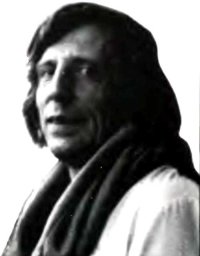
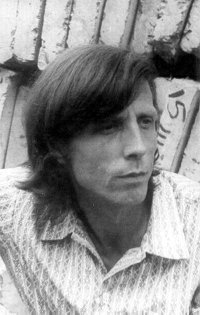
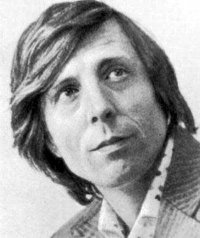
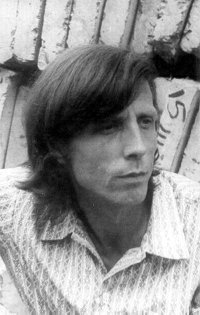
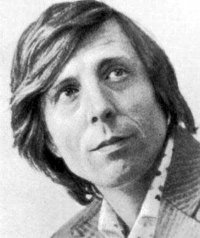
Михаил Георгиевич Пухов родился 3 января 1944 г. в Томске в семье выдающегося математика, академика Георгия Евгеньевича Пухова.

В 1967 году Михаил окончил Московский физико-технический институт, в 1972-м защитил кандидатскую диссертацию в области физико-математических наук и попал по распределению в Центральный научно-исследовательский радиотехнический институт. Карьера молодого учёного складывалась довольно успешно: он руководил важными научно-исследовательскими проектами, готовился к защите докторской… Помимо прочего Пухов проявил себя как изобретатель – его разработки отмечены пятью авторскими свидетельствами.

Но наука была не единственным увлечением Михаила. Ещё в школьные годы он начал сочинять небольшие рассказы, первый из которых датирован 1960 г. Некоторые из этих ранних работ были опубликованы издательством «Молодая гвардия». Постепенно из хобби писательство превратилось в любимую профессию. Однако и в творчестве Пухов продолжает оставаться учёным: все его фантастические идеи имеют тщательное научное обоснование.

Сотрудничество с «Молодой гвардией» привело Михаила Георгиевича в редакцию одного из её изданий – журнала «Техника – молодёжи», где в 1979 г. писатель возглавил отдел научной фантастики. Этот шаг дался ему нелегко, ведь он означал конец научной карьеры. Многие из близкого окружения Михаила тогда не поняли его выбор… За сравнительно короткое время Михаил Пухов полностью освоил новые для себя профессии редактора и журналиста. По оценкам коллег, он подготавливал 20 и более процентов публикуемых в журнале статей, был ответственным за выпуск ряда тематических номеров, например № 11 за 1979 г., познакомившего читателей с французским журналом «Пиф». Благодаря отделу научной фантастики впервые в СССР увидели свет «Фонтаны рая» и «2010: Одиссея-2» Артура Кларка; «Звёздные короли» и «Возвращение на звёзды» Эдмонда Гамильтона, некоторые другие значительные произведения зарубежных авторов. Михаил Пухов не раз становился первооткрывателем молодых талантов: литературный дебют многих отечественных фантастов состоялся именно в «Технике – молодёжи».


Писатель был одним из создателей художественной выставки «Время – Пространство – Человек»; организовал экспозицию научно-фантастических картин на выставке НТТМ-80; неоднократно участвовал в подготовке и проведении пробега самодельных автоконструкций. В конце 80-х – начале 90-х гг. вёл семинары Всесоюзного творческого объединения молодых писателей-фантастов.

Первым опубликованным произведением Михаила Пухова считается научно-фантастический рассказ «Охотничья экспедиция» (сб. «Фантастика-67», М., Молодая гвардия, 1968). Другие его сочинения в дальнейшем печатались в журналах «Техника – молодёжи», «Знание – сила», «Земля и Вселенная», «Химия и жизнь», «Наука в твоей профессии», «Искатель» и др. Изданы также четыре прижизненных авторских книги: три на русском языке: «Картинная галерея» (1977), «Звёздные дожди» (1982), «Семя зла» (1983) и одна на немецком: «Sternenregen» (1988). Значительная часть наследия Пухова переведена на болгарский, венгерский, польский, французский, итальянский и другие языки народов мира. Некоторые работы были экранизированы.

Два произведения крупной формы – роман «Дуэльный зал» и мозаика «Дерево и река» – остались незавершёнными, при жизни писателя печатались лишь их фрагменты. Так, из «Дуэльного зала» была опубликована лишь одна часть – «Корабль роботов» в виде рассказа «Человек с пустой кобурой» (1977) и повести «Корабль роботов» (1982).


В раннем творчестве Пухова заметно влияние американских писателей, особенно Эрнеста Хемингуэя: первые научно-фантастические рассказы и юморески написаны в характерном «небрежном» стиле; а также Велимира Хлебникова и других русских футуристов. Эти тенденции прослеживаются и в более поздних работах, например в рассказах «Планета за 100 000» (1983) и «Палиндром в антимир» (1971). Во многих случаях Михаил Пухов использует художественную форму как средство выражения определённых идей. Так, фантастические декорации становятся экспериментальным полем для научных разработок: колонисты получают энергию с помощью облицовки космодрома фотоэлементами («Порт Перпетуум», 1982); гипотеза излагается в форме развёрнутой метафоры: изменение курса космического корабля под действием гравитационного поля нейтронной звезды разъясняется на примере бильярдного приёма – карамболя («Над бездной», 1974).


Помимо прозы, Михаил Пухов также писал стихи; проявил себя и как талантливый переводчик с английского, польского и болгарского. Пожалуй, его любимыми авторами были английские поэты XVIII–XIX веков, в частности Льюис Кэрролл – перевод Пуховым его поэмы «Охота на Снарка» по праву считается одним из наиболее удачных в современной русской литературе. Кроме того, Михаил Георгиевич известен как автор критических, научно-популярных и искусствоведческих статей.

Михаил Пухов был человеком обширных и разнообразных интересов: ценил и понимал природу, животный мир. Одним из любимых его развлечений была рыбная ловля – эту страсть он унаследовал от отца. Михаил Георгиевич профессионально владел игрой в шахматы и бильярд. Более десяти раз безвозмездно сдавал кровь, за что заслужил звание донора СССР 2-й степени. Увлекался философией и на протяжении многих лет был старостой философского семинара.


С развитием информатики и вычислительной техники для Пухова открылась возможность заявить о себе и в качестве программиста. В 1985 г. он организовал новый раздел журнала «Техника – молодёжи» под названием «Клуб электронных игр». В рамках этого проекта им был написан ряд игр для программируемых микрокалькуляторов («Электроника МК-61», «Электроника БЗ-34» и др.), в полной мере продемонстрировавших неизвестные ранее возможности этих устройств, которые первоначально использовались лишь для решения прикладных задач. Впервые в мире Пухов создал литературное произведение по мотивам компьютерной игры собственной разработки («Истинная правда», 1985). В дальнейшем (1991–1994 гг.) он создавал программные продукты для компьютера «Enterprise 128».

В сентябре 1994 г. врачи обнаружили у Михаила Георгиевича рак. Была проведена сложная операция, после которой писатель оказался практически прикован к постели. Но и после этого он продолжал работать – например, сделал репортаж о своём пребывании в больнице. Однако, несмотря на усилия медиков, в конце января 1995 г. состояние Михаила Георгиевича резко ухудшилось. На несколько дней он впал в кому и 21 января, не приходя в сознание, скончался.

Mikhail Georgievich Pukhov was born on January 3, 1944, in Tomsk, into the family of the outstanding mathematician and academician Georgy Yevgenyevich Pukhov.


In 1967, Mikhail graduated from the Moscow Institute of Physics and Technology. In 1972, he defended his Candidate of Sciences dissertation in physics and mathematics and was assigned to the Central Scientific Research Radio Engineering Institute. The young scientist's career developed successfully: he led important research projects and was preparing to defend his doctoral dissertation. In addition, Pukhov proved himself an inventor—his developments were recognized with five inventor's certificates.

Science, however, was not Mikhail's only passion. During his school years he began writing short stories, the first of which dates back to 1960. Some of these early works were published by the Young Guard publishing house. Gradually, writing evolved from a hobby into his favorite profession. Yet even in literature Pukhov remained a scientist: all his science-fiction ideas were carefully grounded in scientific reasoning.

His collaboration with Young Guard led him to the editorial office of one of its publications, the magazine Tekhnika Molodezhi (Technology for Youth), where in 1979 he became head of the science-fiction department. This step was not easy, as it meant the end of his scientific career. Many people close to him did not understand his choice at the time.

In a relatively short period, Mikhail Pukhov mastered the professions of editor and journalist. According to colleagues, he prepared 20 percent or more of the articles published in the magazine and was responsible for a number of thematic issues, including No. 11 of 1979, which introduced Soviet readers to the French magazine Pif. Thanks to the science-fiction department, Soviet readers first encountered Arthur C. Clarke's The Fountains of Paradise and 2010: Odyssey Two, Edmond Hamilton's Star Kings and Return to the Stars, and other significant works by foreign authors. Pukhov also became a discoverer of young talent: many Soviet science-fiction writers made their literary debut in Tekhnika Molodezhi.

The writer was one of the creators of the art exhibition Time – Space – Man, organized a science-fiction art exhibition at the NTTM-80 exhibition, and repeatedly participated in the preparation and organization of rallies for homemade vehicle designs. In the late 1980s and early 1990s, he conducted seminars for the All-Union Creative Association of Young Science-Fiction Writers.

Mikhail Pukhov's first published work is considered to be the science-fiction short story The Hunting Expedition (in the anthology Fantastika-67, Moscow, Young Guard, 1968). His later works appeared in magazines such as Tekhnika Molodezhi, Znanie – Sila (Knowledge Is Power), Zemlya i Vselennaya (Earth and Universe), Khimiya i Zhizn (Chemistry and Life), Nauka v Tvoey Professii (Science in Your Profession), Iskatel (The Seeker), and others.

Four books by the author were published during his lifetime: three in Russian—Picture Gallery (1977), Star Showers (1982), and The Seed of Evil (1983)—and one in German: Sternenregen (1988). A significant part of Pukhov's literary legacy has been translated into Bulgarian, Hungarian, Polish, French, Italian, and many other languages. Some of his works were adapted for the screen.

Two major works—a novel titled The Duel Hall and a mosaic novel titled The Tree and the River—remained unfinished. During his lifetime only fragments of them were published. Thus, from The Duel Hall, only one section appeared, first as the short story The Man with the Empty Holster (1977) and later as the novella The Robot Ship (1982).

Pukhov's early works reveal the influence of American writers, especially Ernest Hemingway: his first science-fiction stories and humorous sketches were written in a characteristically "casual" style. The influence of Velimir Khlebnikov and other Russian Futurists is also evident. These tendencies can be traced in later works such as Planet for 100,000 (1983) and Palindrome into the Anti-World (1971).

In many cases, Mikhail Pukhov used artistic form as a means of expressing specific ideas. Science-fiction settings became experimental fields for scientific concepts: colonists obtain energy by covering a spaceport with photoelectric cells (Port Perpetuum, 1982); a scientific hypothesis is presented through an extended metaphor, as when the course change of a spacecraft under the influence of a neutron star's gravity is explained through a billiard shot called a carom (Above the Abyss, 1974).

In addition to prose, Mikhail Pukhov also wrote poetry and proved himself a talented translator from English, Polish, and Bulgarian. Perhaps his favorite authors were English poets of the 18th and 19th centuries, especially Lewis Carroll. Pukhov's translation of Carroll's poem The Hunting of the Snark is rightfully considered one of the finest in modern Russian literature.

Furthermore, Mikhail Georgievich was known as the author of critical essays, popular science articles, and works on art history.

Mikhail Pukhov was a man of broad and diverse interests. He appreciated and understood nature and wildlife. One of his favorite hobbies was fishing—a passion inherited from his father. He was highly skilled in chess and billiards. He donated blood more than ten times without compensation, earning the title of Second-Class Donor of the USSR. He was also interested in philosophy and for many years served as chairman of a philosophical seminar.

With the development of computer science and computing technology, Pukhov found another avenue for his talents—as a programmer. In 1985, he organized a new section of Tekhnika Molodezhi called The Electronic Games Club. Within this project he created a number of games for programmable calculators such as the Elektronika MK-61 and Elektronika B3-34, demonstrating previously unknown capabilities of devices that had originally been intended only for practical calculations.

For the first time in the world, Pukhov created a literary work based on a computer game of his own design (The Whole Truth, 1985). Later, between 1991 and 1994, he developed software for the Enterprise 128 computer.

In September 1994, doctors diagnosed Mikhail Georgievich with cancer. A complex operation was performed, after which he became almost bedridden. Even then he continued to work—for example, writing a report about his stay in the hospital. Despite the efforts of doctors, however, his condition deteriorated sharply in January 1995. He fell into a coma for several days and died on January 21, 1995, without regaining consciousness.

06 05
Michail puchov
 
Frimen1917

Frimen1917

Mecca V.I.P.
VIP
Joined
Jan 9, 2026
Messages
3,161
Points
63
Mijaíl Gueórguievich Pujov nació el 3 de enero de 1944 en Tomsk, en la familia del destacado matemático y académico Gueorgui Yevguénevich Pujov.

En 1967, Mijaíl se graduó en el Instituto de Física y Tecnología de Moscú. En 1972 defendió su tesis de candidato en ciencias físico-matemáticas y fue destinado al Instituto Central de Investigación Científica de Radioingeniería. La carrera del joven científico se desarrolló con éxito: dirigió importantes proyectos de investigación y se preparaba para defender su doctorado. Además, Pujov destacó como inventor; sus desarrollos fueron reconocidos con cinco certificados de autor.

Sin embargo, la ciencia no era su única pasión. Durante los años escolares comenzó a escribir relatos cortos, el primero de los cuales data de 1960. Algunas de estas obras tempranas fueron publicadas por la editorial Molodaya Gvardiya. Poco a poco, la escritura pasó de ser un pasatiempo a convertirse en su profesión favorita. No obstante, incluso en la literatura, Pujov siguió siendo un científico: todas sus ideas de ciencia ficción estaban cuidadosamente fundamentadas desde el punto de vista científico.

Su colaboración con Molodaya Gvardiya lo llevó a la redacción de una de sus publicaciones, la revista Tekhnika Molodiozhi (Tecnología para la Juventud), donde en 1979 pasó a dirigir la sección de ciencia ficción. Este paso no fue fácil, pues significó el final de su carrera científica. Muchas personas cercanas a él no comprendieron entonces su elección.

En poco tiempo, Mijaíl Pujov dominó las profesiones de editor y periodista. Según sus colegas, preparaba más del 20 % de los artículos publicados en la revista y fue responsable de varios números temáticos, entre ellos el número 11 de 1979, que presentó a los lectores soviéticos la revista francesa Pif. Gracias a la sección de ciencia ficción, los lectores soviéticos conocieron por primera vez Las fuentes del paraíso y 2010: Odisea Dos de Arthur C. Clarke, Los reyes de las estrellas y Regreso a las estrellas de Edmond Hamilton, así como otras obras destacadas de autores extranjeros. Pujov también descubrió a numerosos jóvenes talentos: muchos escritores soviéticos de ciencia ficción debutaron precisamente en Tekhnika Molodiozhi.

El escritor fue uno de los creadores de la exposición artística Tiempo – Espacio – Hombre; organizó una exposición de arte de ciencia ficción en la muestra NTTM-80; y participó repetidamente en la preparación y realización de exhibiciones de vehículos de construcción artesanal. A finales de los años ochenta y principios de los noventa dirigió seminarios de la Asociación Creativa de Jóvenes Escritores de Ciencia Ficción de toda la Unión Soviética.

La primera obra publicada de Mijaíl Pujov se considera el relato de ciencia ficción La expedición de caza (en la antología Fantástika-67, Moscú, Molodaya Gvardiya, 1968). Posteriormente sus obras aparecieron en revistas como Tekhnika Molodiozhi, Znanie – Sila (El conocimiento es poder), Tierra y Universo, Química y Vida, La ciencia en tu profesión, Iskatel (El Buscador) y otras.

Durante su vida se publicaron cuatro libros de autor: tres en ruso—Galería de cuadros (1977), Lluvias estelares (1982) y La semilla del mal (1983)—y uno en alemán: Sternenregen (1988). Una parte importante de su legado fue traducida al búlgaro, húngaro, polaco, francés, italiano y otros idiomas. Algunas de sus obras fueron llevadas al cine.

Dos obras de gran formato, la novela La sala del duelo y la novela mosaico El árbol y el río, quedaron inacabadas. En vida del escritor solo se publicaron fragmentos de ellas. Así, de La sala del duelo apareció únicamente una parte: primero como el relato El hombre de la cartuchera vacía (1977) y más tarde como la novela corta La nave de los robots (1982).

En la obra temprana de Pujov se aprecia la influencia de escritores estadounidenses, especialmente Ernest Hemingway. Sus primeros relatos de ciencia ficción y textos humorísticos fueron escritos en un estilo deliberadamente “descuidado”. También se percibe la influencia de Velimir Jlébnikov y de otros futuristas rusos. Estas tendencias continúan en obras posteriores, como Planeta por 100.000 (1983) y Palíndromo en el antimundo (1971).

En muchos casos, Mijaíl Pujov utilizó la forma artística como medio para expresar determinadas ideas. Los escenarios de ciencia ficción se convertían en campos experimentales para conceptos científicos: los colonos obtenían energía cubriendo un cosmódromo con células fotoeléctricas (Puerto Perpetuum, 1982); una hipótesis científica era presentada mediante una metáfora desarrollada, como cuando el cambio de trayectoria de una nave espacial bajo la influencia gravitatoria de una estrella de neutrones se explica mediante una jugada de billar llamada carambola (Sobre el abismo, 1974).

Además de la prosa, Mijaíl Pujov escribió poesía y destacó como traductor del inglés, polaco y búlgaro. Entre sus autores favoritos se encontraban los poetas ingleses de los siglos XVIII y XIX, especialmente Lewis Carroll. Su traducción de La caza del Snark es considerada una de las mejores de la literatura rusa moderna.

Asimismo, Mijaíl Gueórguievich fue autor de artículos críticos, divulgativos y de historia del arte.

Era una persona de intereses amplios y diversos. Apreciaba profundamente la naturaleza y el mundo animal. Una de sus aficiones favoritas era la pesca, pasión heredada de su padre. Dominaba profesionalmente el ajedrez y el billar. Donó sangre más de diez veces de forma voluntaria, por lo que recibió el título de Donante de Segunda Clase de la URSS. También se interesó por la filosofía y durante muchos años fue coordinador de un seminario filosófico.

Con el desarrollo de la informática y la tecnología computacional, Pujov encontró una nueva forma de expresar su talento como programador. En 1985 organizó una nueva sección de Tekhnika Molodiozhi llamada Club de Juegos Electrónicos. Dentro de este proyecto creó una serie de juegos para calculadoras programables como la Elektronika MK-61 y la Elektronika B3-34, demostrando capacidades hasta entonces desconocidas de estos dispositivos.

Por primera vez en el mundo, Pujov creó una obra literaria basada en un videojuego diseñado por él mismo (La pura verdad, 1985). Más tarde, entre 1991 y 1994, desarrolló programas para el ordenador Enterprise 128.

En septiembre de 1994, los médicos le diagnosticaron cáncer. Se sometió a una compleja operación, tras la cual quedó prácticamente postrado en cama. Aun así continuó trabajando; por ejemplo, escribió un reportaje sobre su estancia en el hospital. Sin embargo, pese a los esfuerzos de los médicos, su estado empeoró gravemente en enero de 1995. Entró en coma durante varios días y falleció el 21 de enero de 1995 sin recuperar el conocimiento.
06 05
Michail puchov
 

MuscleMecca Crew

Mecca Staff
Frimen1917

Frimen1917

Mecca V.I.P.
VIP
Joined
Jan 9, 2026
Messages
3,161
Points
63
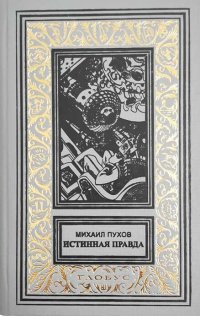
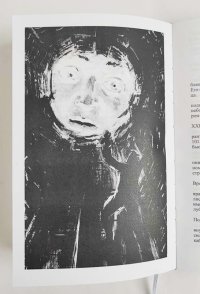
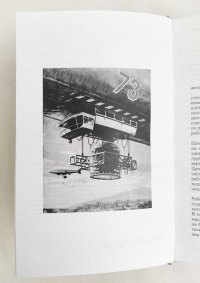
Обложка и иллюстрации к книге Михаила Пухова "Истинная правда". Издательство "Глобус". Киев. 2021.Серия: Библиотека приключеий и научной фантастики (продолжатели).
Cover and illustrations for Mikhail Pukhov's book "The True Truth." Globus Publishing House, Kyiv, 2021. Series: Library of Adventures and Science Fiction (sequels).
Portada e ilustraciones del libro de Mikhail Pukhov, «La Verdad». Editorial Globus, Kiev, 2021. Serie: Biblioteca de Aventuras y Ciencia Ficción (secuelas).

327000 327000 6

327000 3
327000 5
327000 9
327000 4
327000 1
327000 2
 
Frimen1917

Frimen1917

Mecca V.I.P.
VIP
Joined
Jan 9, 2026
Messages
3,161
Points
63
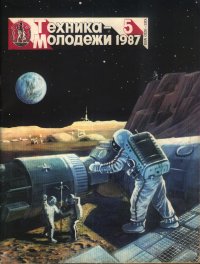
Космические обложки советских журналов. Журнал "Техника - молодежи". №5; 1987. Иллюстрация на обложке художника Н.Вечканова.
Space-themed covers of Soviet magazines. "Technology for Youth" magazine, No. 5, 1987. Cover illustration by artist N. Vechkanov.
Portadas de revistas soviéticas con temática espacial. Revista "Tecnología para la Juventud", n.º 5, 1987. Ilustración de portada del artista N. Vechkanov.
102263
 
Frimen1917

Frimen1917

Mecca V.I.P.
VIP
Joined
Jan 9, 2026
Messages
3,161
Points
63
Союз ТМ-7 — пилотируемый космический аппарат из серии «Союз ТМ».
Александр Волков (2-й полёт) — командир

Сергей Крикалёв (1-й полёт) — бортинженер

Жан-Лу Кретьен (2-й полёт) — космонавт-исследователь

Запуск: 26 ноября 1988. 15:34
Старт корабля произошёл 26 ноября, после одной недели задержки, внесённой для того, чтобы дать возможность французскому президенту Франсуа Миттерану присутствовать при старте. Также на старте присутствовали музыканты группы «Pink Floyd», чей концертный альбом «Delicate Sound of Thunder» советские космонавты взяли на борт, этот альбом стал первым рок-альбомом, прозвучавшим в космосе.

За время пребывания на станции «Мир», Кретьен и Волков совершили выход в открытый космос, длившийся 5 часов 57 минут. За это время они установили платформу с пятью технологическими экспериментами, необходимыми для развития программы «Гермес». Помимо этого за бортом станции был установлен эксперимент ЭРА.

Волков и Крикалёв заменили на борту станции Титова и Манарова. Кретьен пробыл на борту только 3 недели. За это время были проведены различные эксперименты. Были произведены топографические и спектральные съёмки поверхности Земли, исследования в области рентгеновской астрономии, биологические и медицинские эксперименты. Среди них были анализы крови, наблюдение за совместной работой глаз и мышц, исследования по приспособляемости к невесомости. Кроме того были произведены измерения космических лучей на борту станции.

Четвёртая основная экспедиция на станцию Мир исполнила обширную исследовательскую программу с более чем 5000 отдельными экспериментами в области рентгеновской и УФ астрономии и спектроскопии, исследовании Солнца и атмосферы, медицины, техники, биологии и материаловедения. Наблюдались источники сильного рентгеновского излучения, среди них Скорпион X-1, Центавр X-3, Сверхновая 1987A, пульсары в созвездии Паруса и Малого Магелланова Облака. При помощи УФ-спектроскопа и телескопа «Глазар» на модуле «Квант» были просканированы некоторые области неба в созвездиях Южного Креста, Возничего, Кассиопеи и Кормы.

При этом были записаны также и спектры звёзд. Многократно были записаны спектры сверхновой 1987А, с тем чтобы проследить за их временны́м изменением. Прочие исследования были посвящены загрязнению окружающей среды, плотности озонового слоя и воздействию высокоэнергетического излучения на атмосферу Земли. Было изучено возникновение заряженных частиц в верхних слоях атмосферы. Были сделаны фотографические и спектральные снимки
поверхности Земли.
Soyuz TM-7 was a crewed spacecraft of the Soyuz TM series.


Crew:

Aleksandr Volkov (2nd flight) — Commander

Sergei Krikalev (1st flight) — Flight Engineer

Jean-Loup Chrétien (2nd flight) — Research Cosmonaut

Launch: November 26, 1988, 15:34

The launch of the spacecraft took place on November 26 after a one-week delay, introduced to allow French President François Mitterrand to attend the launch. Members of the band Pink Floyd were also present at the launch site. The Soviet cosmonauts took the band's concert album Delicate Sound of Thunder aboard the spacecraft. The album became the first rock album ever played in space.

During their stay aboard the Mir space station, Chrétien and Volkov performed a spacewalk lasting 5 hours and 57 minutes. During the EVA, they installed a platform carrying five technological experiments necessary for the development of the Hermes program. In addition, the ERA experiment was mounted outside the station.

Volkov and Krikalev replaced Titov and Manarov aboard the station. Chrétien remained on board for only three weeks. During this period, various experiments were conducted, including topographic and spectral imaging of Earth's surface, research in X-ray astronomy, and biological and medical investigations. These included blood analyses, studies of eye-muscle coordination, and investigations into adaptation to weightlessness. Measurements of cosmic rays aboard the station were also carried out.

The fourth principal expedition to the Mir station completed an extensive research program involving more than 5,000 individual experiments in the fields of X-ray and ultraviolet astronomy, spectroscopy, solar and atmospheric studies, medicine, engineering, biology, and materials science.

Sources of intense X-ray radiation were observed, including Scorpius X-1, Centaurus X-3, Supernova 1987A, and pulsars in the constellations Vela and the Small Magellanic Cloud. Using the ultraviolet spectroscope and the Glazar telescope aboard the Kvant module, several regions of the sky were scanned in the constellations Crux, Auriga, Cassiopeia, and Puppis.

Spectra of stars were also recorded. The spectra of Supernova 1987A were repeatedly measured in order to monitor their changes over time.

Other investigations focused on environmental pollution, the density of the ozone layer, and the effects of high-energy radiation on Earth's atmosphere. The formation of charged particles in the upper atmosphere was studied. Photographic and spectral images of Earth's surface were obtained.
Soyuz TM-7 fue una nave espacial tripulada de la serie Soyuz TM.


Tripulación:

Aleksandr Volkov (2.º vuelo) — Comandante

Serguéi Krikaliov (1.er vuelo) — Ingeniero de vuelo

Jean-Loup Chrétien (2.º vuelo) — Cosmonauta investigador

Lanzamiento: 26 de noviembre de 1988, 15:34

El lanzamiento de la nave tuvo lugar el 26 de noviembre, después de una semana de retraso introducida para permitir que el presidente francés François Mitterrand asistiera al despegue. También estuvieron presentes los músicos del grupo Pink Floyd. Los cosmonautas soviéticos llevaron a bordo el álbum en directo Delicate Sound of Thunder, que se convirtió en el primer álbum de rock reproducido en el espacio.

Durante su estancia en la estación espacial Mir, Chrétien y Volkov realizaron una caminata espacial de 5 horas y 57 minutos. Durante ella instalaron una plataforma con cinco experimentos tecnológicos necesarios para el desarrollo del programa Hermes. Además, se montó en el exterior de la estación el experimento ERA.

Volkov y Krikaliov sustituyeron a Titov y Manárov a bordo de la estación. Chrétien permaneció allí solamente tres semanas. Durante ese tiempo se llevaron a cabo diversos experimentos, entre ellos estudios topográficos y espectrales de la superficie terrestre, investigaciones en astronomía de rayos X, así como experimentos biológicos y médicos. Estos incluyeron análisis de sangre, observaciones sobre la coordinación entre ojos y músculos e investigaciones sobre la adaptación a la ingravidez. También se realizaron mediciones de rayos cósmicos a bordo de la estación.

La cuarta expedición principal a la estación Mir llevó a cabo un amplio programa científico que incluyó más de 5.000 experimentos individuales en los campos de la astronomía de rayos X y ultravioleta, la espectroscopia, el estudio del Sol y de la atmósfera, la medicina, la ingeniería, la biología y la ciencia de materiales.

Se observaron fuentes de intensa radiación de rayos X, entre ellas Scorpius X-1, Centaurus X-3, la Supernova 1987A y púlsares situados en la constelación de Vela y en la Pequeña Nube de Magallanes. Con ayuda del espectroscopio ultravioleta y del telescopio Glazar instalado en el módulo Kvant, se exploraron diversas regiones del cielo en las constelaciones de Cruz del Sur, Auriga, Casiopea y Popa.

También se registraron espectros de estrellas. Los espectros de la Supernova 1987A fueron observados repetidamente con el fin de seguir su evolución temporal.

Otras investigaciones estuvieron dedicadas a la contaminación ambiental, la densidad de la capa de ozono y los efectos de la radiación de alta energía sobre la atmósfera terrestre. Se estudió la formación de partículas cargadas en las capas superiores de la atmósfera. Asimismo, se obtuvieron imágenes fotográficas y espectrales de la superficie de la Tierra.
LZ3rHVp5lD9fvHHdbO9hEk7ge1J MdQCpXjdNKTjpL cBidnqkEAGZYjYAGDIo8ICuhIf1nEwB44h7l9aYMruRn6
 
Last edited:
Frimen1917

Frimen1917

Mecca V.I.P.
VIP
Joined
Jan 9, 2026
Messages
3,161
Points
63
Старт космического корабля «Союз ТМ-7». Экипаж : Волков, Крикалев, Кретьен.
Launch of the Soyuz TM-7 spacecraft. Crew: Volkov, Krikalev, Chretien
Lanzamiento de la nave espacial Soyuz TM-7. Tripulación: Volkov, Krikalev, Chretien.

 
Frimen1917

Frimen1917

Mecca V.I.P.
VIP
Joined
Jan 9, 2026
Messages
3,161
Points
63
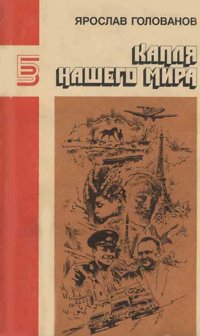
"У Сергея Павловича Цыбина редчайшая профессия: он руководил полетами пилотируемых космических кораблей. Даже более редкая, чем профессия космонавта, потому что космонавтов в Советском Союзе десятки, а руководителей куда меньше. Например, во время экспериментального полета «Союз» - «Аполлон» - ЭПАС - с советской стороны руководителем полета был космонавт, доктор технических наук Алексей Елисеев, а у него было три заместителя - сменных руководителя: Виктор Благов, Вадим Кравец и Сергей Цыбин.

Сейчас, отодвинувшись во времени от собственных репортажей из ЦУПа - Центра управления полетом,- я понимаю, что мы, журналисты, об этих людях почти ничего не рассказали. Разумеется, летать в космосе и труднее, и опаснее, чем сидеть в ЦУПе. Но - да простят меня космонавты - работа в ЦУПе ответственнее. Космонавт может сделать ошибку, ему простится, ведь те, кто делал ошибки, и очень грубые, все-таки Герои. Сменному руководителю прощения не будет. Космонавт может не разобраться в сложившейся ситуации, сменный руководитель не может. Наконец, космонавт может спросить у сменного руководителя: «Что мне делать? Как поступить?», а сменный руководитель у космонавта так спросить не может. Да и, по правде сказать, вообще не у кого ему спрашивать. Сменному руководителю мало все знать и все уметь. Практика показала: прекрасно знающие свою область ученые часто не могут работать руководителями полетов. Нужно обладать определенным устройством мозга, чтобы употреблять полученную информацию не для изучения, а для управления, а это очень трудно. Надо не только знать, как работают те или иные системы, но представлять себе динамику их поведения и их взаимное влияние. Мало понять, что происходит сейчас. Требуется мгновенно представить себе, во что это может вылиться в будущем.".(Ярослав Голованов
"Капля нашего мира"; глава: "Династия Цыбиных").
..................................................................
Цит.по: Ярослав Кириллович ГОЛОВАНОВ
КАПЛЯ НАШЕГО МИРА
БИБЛИОТЕКА ЖУРНАЛА "ЗНАМЯ
На обложке рисунок художника А. И. Когановского

Sergey Pavlovich Tsybin had one of the rarest professions imaginable: he directed the flights of crewed spacecraft. In fact, it was even rarer than the profession of a cosmonaut, because there were dozens of cosmonauts in the Soviet Union, while flight directors were far fewer. For example, during the experimental Apollo–Soyuz Test Project (ASTP), the Soviet flight director was cosmonaut and Doctor of Technical Sciences Alexei Yeliseyev, who had three deputies serving as shift flight directors: Viktor Blagov, Vadim Kravets, and Sergey Tsybin.

Now, looking back on my own reports from the Mission Control Center (TsUP), I realize that we journalists told almost nothing about these people. Of course, flying in space is more difficult and more dangerous than sitting in Mission Control. But—may the cosmonauts forgive me—the work in Mission Control is more responsible.

A cosmonaut may make a mistake and be forgiven; after all, even those who made serious mistakes remained Heroes. A shift flight director, however, will not be forgiven. A cosmonaut may fail to understand a situation; a shift flight director cannot afford to. Finally, a cosmonaut can ask the flight director, “What should I do? How should I proceed?” But a shift flight director cannot ask the cosmonaut the same question. To tell the truth, there is no one he can ask.

A shift flight director must not only know everything and be capable of everything. Practice has shown that scientists who are outstanding experts in their own fields often cannot work as flight directors. One must possess a special cast of mind to use information not merely for study, but for control—and that is extremely difficult.

It is not enough to know how particular systems operate; one must understand the dynamics of their behavior and their interactions with one another. It is not enough to grasp what is happening at the present moment. One must instantly foresee what it may develop into in the future.
Source: Yaroslav Kirillovich Golovanov, A Drop of Our World
Chapter: The Tsybin Dynasty
Library of the journal Znamya

Photo: Book cover illustrated by artist A. I. Koganovsky.
Serguéi Pávlovich Tsybin tenía una de las profesiones más raras que existen: dirigía los vuelos de naves espaciales tripuladas. Era una profesión incluso más excepcional que la de cosmonauta, porque en la Unión Soviética había decenas de cosmonautas, mientras que los directores de vuelo eran muchos menos.


Por ejemplo, durante el vuelo experimental Apolo-Soyuz (ASTP), el director de vuelo por parte soviética fue el cosmonauta y doctor en ciencias técnicas Alexéi Yeliséyev, quien tenía tres adjuntos que actuaban como directores de vuelo de turno: Víktor Blagov, Vadim Krávets y Serguéi Tsybin.

Ahora, al mirar hacia atrás y recordar mis propios reportajes desde el Centro de Control de Vuelos (TsUP), comprendo que nosotros, los periodistas, prácticamente no contamos nada sobre estas personas. Por supuesto, volar al espacio es más difícil y más peligroso que permanecer sentado en el Centro de Control. Pero —que me perdonen los cosmonautas— el trabajo en el Centro de Control implica una responsabilidad aún mayor.

Un cosmonauta puede cometer un error y ser perdonado; después de todo, incluso quienes cometieron errores graves siguieron siendo Héroes. Pero a un director de vuelo de turno no se le perdonará nada. Un cosmonauta puede no comprender una situación complicada; un director de vuelo no puede permitirse eso. Finalmente, un cosmonauta puede preguntar al director de vuelo: «¿Qué debo hacer? ¿Cómo debo actuar?». Pero un director de vuelo no puede hacerle esa misma pregunta al cosmonauta. Y, para decir la verdad, no tiene a nadie a quien preguntárselo.

A un director de vuelo no le basta con saberlo todo y ser capaz de hacerlo todo. La práctica ha demostrado que científicos excelentes en sus respectivos campos a menudo no pueden desempeñarse como directores de vuelo. Es necesario poseer una forma especial de pensar para utilizar la información no solo con fines de estudio, sino también para el control y la toma de decisiones, y eso es extremadamente difícil.

No basta con saber cómo funcionan determinados sistemas; es necesario comprender la dinámica de su comportamiento y la influencia mutua entre ellos. No basta con entender lo que está ocurriendo en este momento. Hay que ser capaz de prever instantáneamente en qué puede convertirse en el futuro.
Fuente: Yaroslav Kiríllovich Golovanov, Una gota de nuestro mundo
Capítulo: La dinastía Tsybin
Biblioteca de la revista Znamya

Fotografía: portada del libro con ilustración del artista A. I. Koganovski.
GcfhgY1VEbi iq1owR8Tcyy21JjOxrJRHyPKkuVW2CwRBTTRAWNlkhECiX Ux2sjJjMcpP4T1uAY4y3l6vGiTNMw
 
Frimen1917

Frimen1917

Mecca V.I.P.
VIP
Joined
Jan 9, 2026
Messages
3,161
Points
63
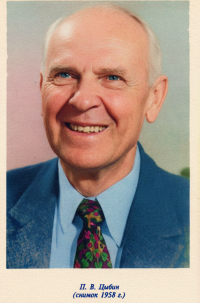
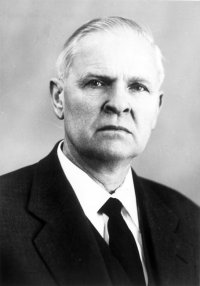
Павел Владимирович Цыбин (1905 —1992) — советский конструктор авиационной и ракетно-космической техники. Занимался разработками беспилотной модификации космического коpабля "Восток", спутника связи "Молния", пилотируемых космических кораблей "Союз"
и "Союз Т", долговременных орбитальных станций "Салют",
В 1980-х годах П.В. Цыбин в качестве научного консультанта принимал участие в создании многоразовой транспортной-космической системы "Энергия"-"Буран".

Pavel Vladimirovich Tsybin (1905-1992) was a Soviet designer of aircraft and rocket-space technology. He developed the unmanned version of the Vostok spacecraft, the Molniya communications satellite, the Soyuz and Soyuz-T manned spacecraft, and the Salyut long-duration orbital stations.
In the 1980s, P.V. Tsybin served as a scientific consultant on the development of the Energia-Buran reusable space transport system.
Pavel Vladimirovich Tsybin (1905-1992) fue un diseñador soviético de tecnología aeronáutica y espacial. Desarrolló la versión no tripulada de la nave espacial Vostok, el satélite de comunicaciones Molniya, las naves espaciales tripuladas Soyuz y Soyuz-T, y las estaciones orbitales de larga duración Salyut.

En la década de 1980, P.V. Tsybin trabajó como consultor científico en el desarrollo del sistema de transporte espacial reutilizable Energia-Buran.
00 1 Cibin PV
 
Frimen1917

Frimen1917

Mecca V.I.P.
VIP
Joined
Jan 9, 2026
Messages
3,161
Points
63
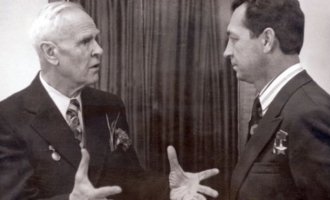
На фото слева направо: Павел Цыбин и космонавт Виталий Севастьянов.
In the photo, from left to right: Pavel Tsybin and cosmonaut Vitaly Sevastyanov.
En la foto, de izquierda a derecha: Pavel Tsybin y el cosmonauta Vitaly Sevastyanov.

Clipboard 07 17 2026 01
 
Frimen1917

Frimen1917

Mecca V.I.P.
VIP
Joined
Jan 9, 2026
Messages
3,161
Points
63
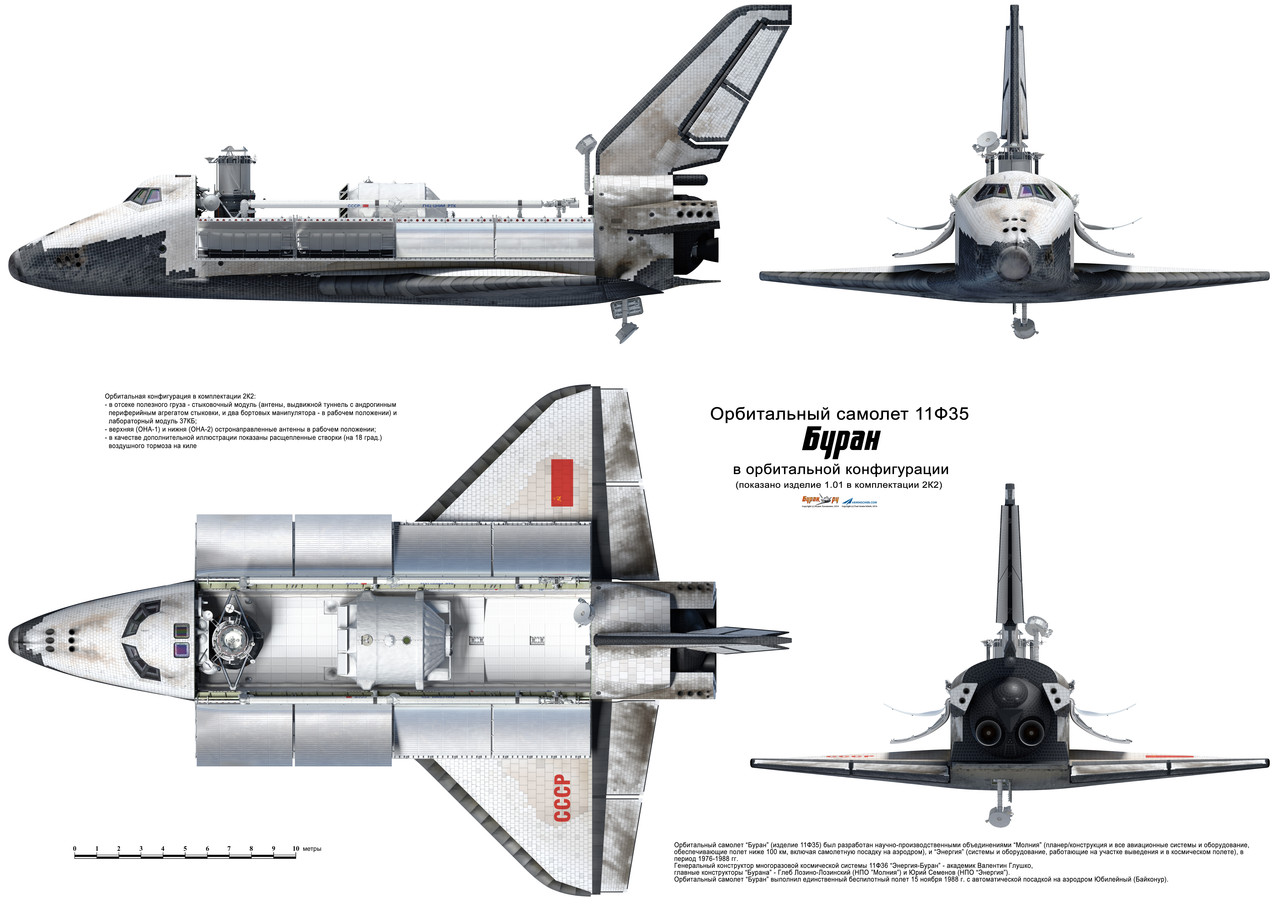
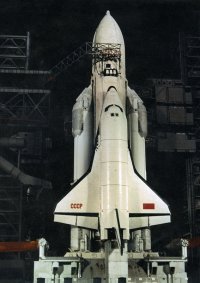
Орбитальный самолет “Буран” (изделие 11Ф35) был разработан научно-производственными объединениями “Молния” (планер/конструкция и все авиационные системы и оборудование, обеспечивающие полет ниже 100 км, включая самолетную посадку на аэродром), и “Энергия” (системы и оборудование, работающие на участке выведения и в космическом полете), в период 1976–1988 гг.

Генеральный конструктор многоразовой космической системы 11Ф36 “Энергия-Буран” – академик Валентин Глушко,
главные конструкторы “Бурана” – Глеб Лозино-Лозинский (НПО “Молния”) и Юрий Семенов (НПО “Энергия”).

Орбитальный самолет “Буран” выполнил единственный беспилотный полет 15 ноября 1988 г. с автоматической посадкой на аэродром Юбилейный (Байконур).
The Buran orbital spaceplane (article 11F35) was developed by the scientific-production associations Molniya (airframe/structure and all aviation systems and equipment ensuring flight below 100 km, including aircraft-style landing on an airfield) and Energia (systems and equipment operating during launch and in spaceflight) during the period 1976–1988.


The General Designer of the reusable space transportation system 11F36 Energia–Buran was Academician Valentin Glushko.

The chief designers of Buran were Gleb Lozino-Lozinsky (NPO Molniya) and Yuri Semenov (NPO Energia).

The Buran orbital spaceplane carried out its only unmanned flight on November 15, 1988, with a fully automatic landing at the Yubileiny Airfield (Baikonur).
El transbordador orbital Burán (artículo 11F35) fue desarrollado por las asociaciones científico-industriales Mólniya (planeador/estructura y todos los sistemas y equipos aeronáuticos que garantizaban el vuelo por debajo de los 100 km, incluido el aterrizaje tipo avión en un aeródromo) y Energía (sistemas y equipos que operaban durante la fase de lanzamiento y en el vuelo espacial) entre 1976 y 1988.


El diseñador general del sistema espacial reutilizable 11F36 Energía-Burán fue el académico Valentín Glushkó.

Los diseñadores principales del Burán fueron Gleb Lozino-Lozinski (NPO Mólniya) y Yuri Semiónov (NPO Energía).

El transbordador orbital Burán realizó su único vuelo no tripulado el 15 de noviembre de 1988, efectuando un aterrizaje completamente automático en el aeródromo Yubiléiny (Baikonur).
Орбитальная конфигурация в комплектации 2К2:

- в отсеке полезного груза — стыковочный модуль (антенны, выдвижной туннель с андрогинным периферийным агрегатом стыковки, и два бортовых манипулятора — в рабочем положении) и лабораторный модуль 37КБ;
- верхняя (ОНА-1) и нижняя (ОНА-2) остронаправленные антенны в рабочем положении;

- в качестве дополнительной иллюстрации показаны расщепленные створки (на 18 градусов) воздушного тормоза на киле.
Orbital configuration in the 2K2 configuration:


- In the payload bay: a docking module (antennas, an extendable tunnel with an androgynous peripheral docking mechanism, and two onboard manipulators in the operational position) and the 37KB laboratory module;

- Upper (ONA-1) and lower (ONA-2) high-gain directional antennas in the operational position;

- As an additional illustration, the split rudder speed brake on the vertical stabilizer is shown opened to 18 degrees.
Configuración orbital en la versión 2K2:


- En el compartimento de carga útil: un módulo de acoplamiento (antenas, un túnel extensible con un mecanismo periférico de acoplamiento andrógino y dos manipuladores de a bordo en posición de trabajo) y el módulo de laboratorio 37KB;

- Antenas direccionales de alta ganancia superior (ONA-1) e inferior (ONA-2) en posición de trabajo;

- Como ilustración adicional, se muestran abiertas a 18 grados las compuertas divididas del freno aerodinámico situadas en la deriva.
 
Frimen1917

Frimen1917

Mecca V.I.P.
VIP
Joined
Jan 9, 2026
Messages
3,161
Points
63
Глеб Евгеньевич Лозино-Лозинский (1909-2001) - доктор технических наук (1985г.), Генеральный конструктор НПО "Молния" (с 1976г.), Генеральный директор НПО "Молния" (1976-1994гг.).Руководитель разработки планера орбитального корабля "Буран".
При создании планера и бортовых систем орбитального корабля "Буран" был использован весь накопленный опыт советской промышленности в области разработок авиационной и космической техники.
В процессе работы над "Бураном" была создана мощная производственно-технологическая, лабораторно-испытательная и стендовая база, многоотраслевая кооперация насчитывала более 1200 предприятий и научных центров страны, над программой "Энергия-Буран" работало в общей сложности более полутора миллионов человек.
И главным результатом напряженных многолетних усилий стал триумфальный двухвитковый беспилотный полет "Бурана" с автоматической посадкой 15 ноября 1988 года. Полет продолжительностью 206 минут начался с сигнала "Контакт подъема", которую телеметрия зафиксировала в 6 час 00 мин 1,25 сек по московскому времени. После завершения в 6 час 08 мин 03 сек работы РН и отделения ОК было проведено два включения двигателя орбитального маневрирования (ДОМ), в результате чего корабль вышел на рабочую орбиту высотой 263/251 км. Затем, после двухвиткового полета, после включения ДОМ на торможение, ОК со скоростью 27330 км/ч вошел в атмосферу над Атлантикой на расстоянии 8270 км от ВПП посадочного комплекса Байконура. В 9 час 11 мин, на высоте 50 км, ОК вышел на связь со станциями слежения в районе посадочного комплекса, а в 9 час 24 мин 42 сек, опережая всего на секунду расчетное время, "Буран", преодолевая штормовые порывы бокового ветра (15...18 м/с), на скорости 263 км/ч изящно коснулся ВПП и через 42 сек, пробежав 1620 м, замер в ее центре с отклонением от осевой линии всего на 3 м!

Это был звездный час Главного конструктора "Бурана", доктора технических наук Глеба Евгеньевича Лозино-Лозинского. Вот как он сам спустя десять лет вспоминал эти события:

"...для меня два витка орбитального полета протекали как-то спокойно - пока корабль в космосе, особых тревог не должно быть. Но, естественно, уже с момента подачи команды на торможение, это происходило за 22000 километров до точки посадки в Байконуре, началось большое напряженное внимание - "как будет проходить полет по траектории движения в атмосфере?". Вот чуть западнее африканского побережья, на расстоянии более 8000 км от точки посадки, начался атмосферный участок спуска корабля. На высоте 100 км корабль вошел в атмосферу. Если до сих пор мы аккуратно получали информацию о том, где находится корабль и как протекает полет, то после входа в плотные слои атмосферы из-за сильного нагрева атмосферы корабль был окружен плазмой, экранирующей любую радиосвязь. Поэтому мы в течение 20 минут с напряжением ждали, когда же корабль затормозится до такой скорости, при которой опять появится радиосвязь, и мы сможем узнать, как же он прошел самый ответственный участок пути. На этом участке траектории корабль преодолел температурный барьер, передние кромки крыла нагрелись до температуры более 1500°С и светились так ярко, что корабль можно было бы видеть с земли как светящийся движущийся предмет. Нижняя поверхность нагревалась до температуры примерно 1250°С. Зная это, мы понимали, что сдаем экзамен на доказательство того, в какой мере нам удалось решить все задачи, связанные с такими условиями полета корабля.

Но вот прошли двадцать минут, и было получено известие, что примерно в заданной точке пространства на высоте 50 км корабль появился, а раз появился - значит все прошло более или менее удовлетворительно. Мы поняли, что первый, наиболее серьезный экзамен как будто бы сдали неплохо. Еще нельзя было сказать, хорошо ли, но что неплохо, уже было ясно.

Дальше начался следующий важный участок полета, заставивший нас поволноваться. Этот участок должен заканчиваться посадкой в заданной точке взлетно-посадочной полосы. Траектория спуска в атмосфере выбиралась таким образом, чтобы корабль затормозился от 27000 до 300 км/ч, то есть до скорости, с которой он должен был коснуться колесами поверхности аэродрома. В процессе спуска решались две основные задачи: гашения до заданной величины огромной начальной скорости полета орбитального корабля и точного его приведения в точку с заданными координатами и с заданным направлением вектора скорости.

Первую информацию о состоянии корабля мы получили уже на этом участке с самолета МиГ-25, который встретил наш корабль на высоте чуть больше 10 км и летчик сообщил, что внешне вроде все в порядке. На душе стало легче, полет продолжался успешно, и это подкрепляло нашу уверенность, что и дальше все будет хорошо. Участок траектории при заходе на посадку заставил поволноваться летчика самолета сопровождения, так как, прилетев (в связи с восточным ветром) с запада, наш орбитальный корабль должен был, как ожидал летчик, развернуться на полосу, но вместо этого он развернулся на 90 градусов и начал вроде бы уходить в сторону. Но корабль наш был умница: он делал так, как это ему требовалось в сложившихся условиях полета - он немножко удлинил траекторию движения, чтобы рассеять избыток энергии и обеспечить заданную скорость 300 км/ч в момент касания поверхности аэродрома.

Ну а эффект, который произвела на всех нас безукоризненная автоматическая посадка, сложно передать: трудно переоценить значение этого события, которое мы наблюдали, испытывая большое эмоциональное волнение. Эта посадка показала, что огромная выполненная работа с первого раза увенчалась успехом - вы ведь знаете, что далеко не всегда первые космические творения так легко и просто обеспечивают успех в первом полете."
Gleb Evgenievich Lozino-Lozinsky (1909–2001) was a Doctor of Technical Sciences (1985), General Designer of the NPO Molniya (since 1976), and General Director of NPO Molniya (1976–1994). He led the development of the airframe of the Buran orbital spacecraft.


During the development of Buran, a powerful production, technological, laboratory, testing, and experimental infrastructure was created. The multi-industry cooperation involved more than 1,200 enterprises and scientific centers across the country, and in total more than one and a half million people worked on the Energia–Buran program.

The crowning achievement of many years of intensive effort was the triumphant two-orbit unmanned flight of Buran with a fully automatic landing on November 15, 1988. The 206-minute mission began with the “Liftoff Contact” signal, recorded by telemetry at 06:00:01.25 Moscow time. After the launch vehicle completed its operation at 06:03 and the orbiter separated, two burns of the Orbital Maneuvering Engine (OME) were performed, placing the spacecraft into its operational orbit of 263 × 251 km.

After completing two orbits and performing a braking maneuver, the orbiter entered the atmosphere over the Atlantic Ocean at a distance of 8,270 km from the runway of the Baikonur landing complex, traveling at 27,330 km/h. At 09:11, at an altitude of 50 km, Buran established contact with tracking stations near the landing complex. At 09:42, arriving only one second ahead of the planned schedule, Buran gracefully touched down on the runway at a speed of 263 km/h, overcoming strong crosswinds of 15–18 m/s. Forty-two seconds later, after rolling 1,620 meters, it came to a stop at the center of the runway, deviating from the centerline by only 3 meters.

This was the finest hour of Buran’s Chief Designer, Doctor of Technical Sciences Gleb Evgenievich Lozino-Lozinsky. Ten years later, he recalled these events as follows:

“For me, the two orbits in space passed rather calmly—while the spacecraft is in orbit, there should be no special concerns. However, naturally, from the moment the braking command was issued, which occurred 22,000 kilometers before the landing point at Baikonur, our attention became intensely focused on one question: ‘How will the flight through the atmosphere proceed?’

Slightly west of the African coast, more than 8,000 kilometers from the landing point, the atmospheric phase of descent began. At an altitude of 100 kilometers, the spacecraft entered the atmosphere. Until then, we had been receiving accurate information about the spacecraft’s location and flight status. But once it entered the dense layers of the atmosphere, a plasma sheath formed around it due to intense heating, blocking all radio communications.

For twenty minutes we waited anxiously for the spacecraft to slow down enough for communications to be restored and for us to learn how it had passed the most critical stage of the journey. During this phase, the spacecraft overcame the thermal barrier. The leading edges of its wings heated to over 1,500°C and glowed so brightly that the spacecraft could have been seen from Earth as a luminous object moving across the sky. The lower surface heated to approximately 1,250°C.

Knowing this, we understood that we were taking an exam that would prove how successfully we had solved all the problems associated with such extreme flight conditions.

Then the twenty minutes passed, and we received confirmation that the spacecraft had appeared at approximately the planned point in space at an altitude of 50 kilometers. The very fact that it appeared meant that everything had gone more or less satisfactorily. We realized that we had passed the first and most serious test reasonably well. It was still too early to say it had gone perfectly, but it was clear that things were proceeding successfully.

Then came the next crucial phase of the flight, one that caused us considerable concern. This phase was to conclude with a landing at a precisely defined point on the runway. The descent trajectory had been designed so that the spacecraft would decelerate from 27,000 km/h to about 300 km/h—the speed at which it would touch down.

During descent, two major tasks had to be accomplished: reducing the enormous initial velocity of the orbital spacecraft to the required level and guiding it precisely to a point with predetermined coordinates and velocity vector orientation.

We received the first information about the spacecraft’s condition during this phase from a MiG-25 aircraft that intercepted it at an altitude slightly above 10 km. The pilot reported that everything appeared normal externally. That news greatly reassured us. The flight was continuing successfully, strengthening our confidence that all would end well.

The final approach trajectory caused some concern for the escort pilot because, arriving from the west due to an easterly wind, the orbiter was expected to turn directly toward the runway. Instead, it turned ninety degrees and appeared to be flying away. But our spacecraft was intelligent: it was doing exactly what the situation required. It slightly lengthened its flight path to dissipate excess energy and ensure the target landing speed of 300 km/h at touchdown.

The effect produced by the flawless automatic landing is difficult to describe. It is impossible to overestimate the significance of what we witnessed. That landing demonstrated that the enormous amount of work we had done succeeded on the very first attempt. As you know, first flights of new spacecraft do not always achieve success so easily. We observed it all with tremendous emotional excitement.”
Gleb Evguénievich Lozino-Lozinski (1909–2001) fue Doctor en Ciencias Técnicas (1985), Diseñador General de la NPO Molniya (desde 1976) y Director General de la NPO Molniya (1976–1994). Dirigió el desarrollo del planeador orbital de la nave espacial Buran.


Durante el desarrollo del Buran se creó una poderosa base de producción, tecnología, laboratorios, ensayos y pruebas. La cooperación multidisciplinaria involucró a más de 1.200 empresas y centros científicos del país, y en total más de un millón y medio de personas trabajaron en el programa Energía-Buran.

El resultado culminante de muchos años de intensos esfuerzos fue el triunfal vuelo no tripulado de dos órbitas del Buran con aterrizaje totalmente automático el 15 de noviembre de 1988. La misión, de 206 minutos de duración, comenzó con la señal de «Contacto de despegue», registrada por la telemetría a las 06:00:01,25 hora de Moscú. Después de que el cohete portador finalizara su funcionamiento a las 06:03 y el orbitador se separara, se realizaron dos encendidos del Motor de Maniobra Orbital, colocando la nave en una órbita operativa de 263 × 251 km.

Tras completar dos órbitas y ejecutar la maniobra de frenado, el orbitador entró en la atmósfera sobre el océano Atlántico, a 8.270 km de la pista de aterrizaje del complejo de Baikonur, viajando a 27.330 km/h. A las 09:11, a una altitud de 50 km, el Buran estableció contacto con las estaciones de seguimiento situadas cerca del complejo de aterrizaje. A las 09:42, adelantándose tan solo un segundo al horario previsto, el Buran tocó elegantemente la pista a una velocidad de 263 km/h, superando fuertes ráfagas de viento lateral de 15 a 18 m/s. Cuarenta y dos segundos después, tras recorrer 1.620 metros, se detuvo en el centro de la pista con una desviación de apenas 3 metros respecto al eje central.

Este fue el momento culminante del Diseñador General del Buran, Doctor en Ciencias Técnicas Gleb Evguénievich Lozino-Lozinski. Diez años después recordó aquellos acontecimientos de la siguiente manera:

«Para mí, las dos órbitas del vuelo transcurrieron con bastante calma: mientras la nave está en el espacio no debería haber motivos especiales de preocupación. Sin embargo, naturalmente, desde el momento en que se dio la orden de frenado, que tuvo lugar a 22.000 kilómetros del punto de aterrizaje en Baikonur, toda nuestra atención se concentró intensamente en una sola cuestión: “¿Cómo se desarrollará el vuelo a través de la atmósfera?”.

Un poco al oeste de la costa africana, a más de 8.000 kilómetros del punto de aterrizaje, comenzó la fase atmosférica del descenso. A una altitud de 100 kilómetros, la nave entró en la atmósfera. Hasta ese momento habíamos recibido información precisa sobre la posición de la nave y el desarrollo del vuelo. Pero al penetrar en las capas densas de la atmósfera, debido al intenso calentamiento, quedó rodeada por una envoltura de plasma que bloqueó todas las comunicaciones por radio.

Durante veinte minutos esperamos con enorme tensión a que la nave redujera su velocidad lo suficiente como para restablecer las comunicaciones y saber cómo había superado la fase más crítica del viaje. Durante este tramo de la trayectoria, la nave atravesó la barrera térmica. Los bordes de ataque de las alas se calentaron por encima de los 1.500 °C y brillaban con tal intensidad que la nave podría haberse visto desde la Tierra como un objeto luminoso desplazándose por el cielo. La superficie inferior alcanzó aproximadamente los 1.250 °C.

Sabiendo esto, comprendíamos que estábamos rindiendo un examen que demostraría hasta qué punto habíamos resuelto correctamente todos los problemas asociados a unas condiciones de vuelo tan extremas.

Finalmente transcurrieron los veinte minutos y recibimos la noticia de que la nave había reaparecido aproximadamente en el punto previsto del espacio, a una altitud de 50 kilómetros. El simple hecho de que hubiera reaparecido significaba que todo había transcurrido más o menos satisfactoriamente. Comprendimos que habíamos superado bastante bien la primera y más importante prueba. Aún era pronto para decir que todo había sido perfecto, pero estaba claro que las cosas marchaban correctamente.

Después comenzó la siguiente fase importante del vuelo, que también nos hizo preocuparnos. Esta fase debía concluir con un aterrizaje en un punto exactamente determinado de la pista. La trayectoria de descenso se había diseñado para que la nave redujera su velocidad desde 27.000 km/h hasta aproximadamente 300 km/h, es decir, la velocidad con la que debía tocar el suelo.

Durante el descenso debían resolverse dos tareas principales: reducir la enorme velocidad inicial de la nave orbital hasta el valor requerido y llevarla con precisión a un punto con coordenadas y dirección de velocidad predeterminadas.

La primera información sobre el estado de la nave la recibimos durante esta fase desde un avión MiG-25 que la interceptó a una altitud ligeramente superior a los 10 kilómetros. El piloto informó que externamente todo parecía normal. Aquella noticia nos tranquilizó enormemente. El vuelo continuaba con éxito y reforzaba nuestra confianza en que todo terminaría bien.

La trayectoria final de aproximación preocupó un poco al piloto de escolta porque, al llegar desde el oeste debido a un viento del este, esperaba que el orbitador girara directamente hacia la pista. En lugar de ello giró noventa grados y pareció alejarse. Pero nuestra nave era inteligente: estaba haciendo exactamente lo que la situación exigía. Alargó ligeramente su trayectoria para disipar el exceso de energía y garantizar una velocidad de aterrizaje de 300 km/h en el momento del contacto con la pista.

El efecto que produjo aquel aterrizaje automático impecable es difícil de describir. Resulta imposible sobrevalorar la importancia de lo que presenciamos. Ese aterrizaje demostró que el enorme trabajo realizado había dado resultado desde el primer intento. Como saben, los primeros vuelos de nuevos sistemas espaciales no siempre logran el éxito de manera tan sencilla. Observamos todo aquello con una emoción enorme.»


Lozin
 
Frimen1917

Frimen1917

Mecca V.I.P.
VIP
Joined
Jan 9, 2026
Messages
3,161
Points
63
Cтраница посвященная космическому кораблю "Буран".
A page dedicated to the Buran spacecraft.
Una página dedicada a la nave espacial Buran.

09
http://buran.ru/htm/homepage.htm
 
Top