• Legal Notice – MuscleMecca Forums

    MuscleMecca.com is an educational discussion platform. We do not sell, promote, or endorse any bodybuilding gear, supplements, research chemicals, or performance-enhancing substances.

    All discussions are for educational and informational purposes only. Nothing posted on this forum should be considered medical or legal advice.

    Do not attempt to sell, source, or promote illegal substances. Any such activity will result in an immediate and permanent ban and may be reported to the proper authorities.

    By using this site, you agree to comply with all forum rules, disclaimers, and applicable laws in your jurisdiction.

    Read Our Full Disclaimer and Forum Rules

History of Soviet cosmonautics.

Frimen1917

Frimen1917

Mecca V.I.P.
VIP
Joined
Jan 9, 2026
Messages
3,341
Points
63
Описание картин в рассказе «Космос, космос…» (1965)
А. Соколов. "
В мире неземной цивилизации".
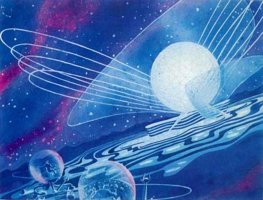
"Вторая картина говорила о высадке на далекую планету, где высокая цивилизация создала странные сооружения, устремленные в полосы сверкавших звездных скоплений глубокого, лишенного атмосферы небосвода".

Description of paintings in the short story "Space, Space..." (1965)

A. Sokolov. "In the World of an Extraterrestrial Civilization."
"The second painting depicted a landing on a distant planet, where an advanced civilization had created strange structures reaching toward the bands of glittering star clusters in the deep, airless sky."
Descripción de las pinturas en el relato "Espacio, espacio..." (1965)

A. Sokolov. "En el mundo de una civilización extraterrestre."
"La segunda pintura describe un aterrizaje en un planeta distante, donde una civilización avanzada había creado extrañas estructuras que se extendían hacia las franjas de brillantes cúmulos estelares en el profundo cielo sin atmósfera."
Story 24 02
 
Frimen1917

Frimen1917

Mecca V.I.P.
VIP
Joined
Jan 9, 2026
Messages
3,341
Points
63
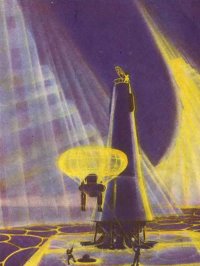
Описание картин в рассказе «Космос, космос…» (1965).
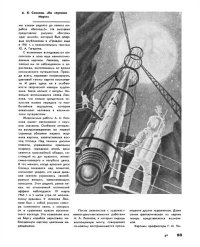
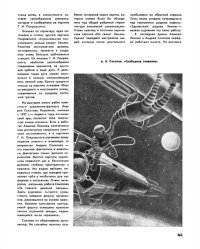
А. Соколов. "На ледяной планете".
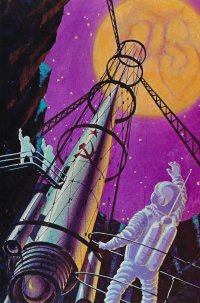
Третья – в синевато-зелено-серебристой гамме прозрачных красок показывала высадку на холодную планету типа Урана или Нептуна. Гигантские хрустальные иглы застывшей до твердости стали воды, аммиака и метана светились, заграждая черноту неба. С верхушки ракетного корабля звездолетчики опускали на прозрачном баллоне какую-то неуклюжую машину, очевидно, самоходное устройство.

Description of paintings in the short story "Space, Space..." (1965).

A. Sokolov. "On an Icy Planet."
The third painting—rendered in a palette of translucent, bluish-green and silvery hues—depicted a landing on a cold planet, similar to Uranus or Neptune. Towering crystal spires—formed from water, ammonia, and methane frozen to the hardness of steel—glowed, obscuring the blackness of the sky. From the top of a rocket ship, the space travelers were lowering a somewhat awkward-looking machine—evidently a self-propelled vehicle—suspended from a transparent balloon.
Descripción de las pinturas del relato «Espacio, espacio…» (1965).

A. Sokolov. «En el planeta helado».
La tercera pintura, en una paleta de colores transparentes azul verdosos y plateados, mostraba un aterrizaje en un planeta frío como Urano o Neptuno. Enormes agujas cristalinas de agua, amoníaco y metano, congeladas como el acero, brillaban, ocultando la oscuridad del cielo. Desde lo alto de una nave espacial, los pilotos descendían una especie de máquina tosca, obviamente un dispositivo autopropulsado, sobre un globo transparente.

Story 24 03
 
Frimen1917

Frimen1917

Mecca V.I.P.
VIP
Joined
Jan 9, 2026
Messages
3,341
Points
63
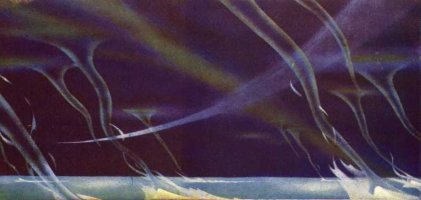
Описание картин в рассказе «Космос, космос…» (1965).
А. Соколов. "Планета голубого солнца. Смерчи-молнии".
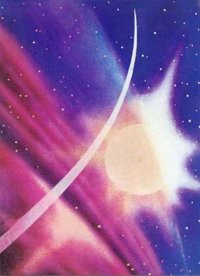
Дальше – Венера. Ее электрические смерчи, пронизанные стремительным полетом космического корабля. Его белый след прочертил грозное фиолетовое с лиловыми полосами небо и пересек зелено-голубое сияние смерчей над фиолетовым океаном.

Description of the paintings in the story "Space, Space..." (1965).

A. Sokolov. "Planet of the Blue Sun: Lightning Whirlwinds."
Next is Venus. Its electrical whirlwinds are pierced by the swift flight of a spacecraft. The craft’s white trail cuts across a formidable, violet-hued sky—streaked with shades of lilac—and traverses the greenish-blue glow of the whirlwinds above a violet ocean.
Descripción de las pinturas en el relato "Espacio, espacio..." (1965).

A. Sokolov. "Planeta del Sol Azul. Tornados y relámpagos".
A continuación, Venus. Sus tornados eléctricos, atravesados por el veloz vuelo de una nave espacial. Su estela blanca surcó un amenazante cielo violeta con franjas lilas y cruzó el resplandor verdeazulado de los tornados sobre el océano violeta.
Story 24 04
 
Frimen1917

Frimen1917

Mecca V.I.P.
VIP
Joined
Jan 9, 2026
Messages
3,341
Points
63
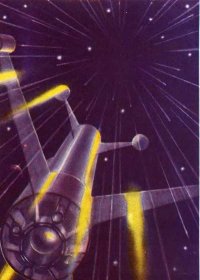
Описание картин в рассказе «Космос, космос…» (1965).
А. Соколов. "Ракета в метеоритном потоке".
На пятой картине автоматическая ракета летела в метеорном потоке, извергавшемся ей навстречу из глубин сине-лилового неба. Ярко-желтые вспышки метеорных ударов озаряли стальное, с багровыми отблесками тело ракеты.

Description of the paintings in the story "Space, Space..." (1965).

A. Sokolov. "Rocket in a Meteor Stream."
In the fifth painting, an automated rocket was flying through a meteor stream that surged toward it from the depths of a blue-violet sky. Bright yellow flashes from meteor impacts illuminated the rocket’s steel hull, which caught crimson glints of light.
Descripción de las pinturas del relato «Espacio, espacio…» (1965).

A. Sokolov. «Cohete en una estela de meteoritos».
En la quinta pintura, un cohete automático atraviesa una estela de meteoritos que emerge de las profundidades de un cielo azul violáceo. Los brillantes destellos amarillos de los impactos de los meteoritos iluminan el cuerpo de acero del cohete, teñido de reflejos carmesí.
Story 24 05 1
 
Frimen1917

Frimen1917

Mecca V.I.P.
VIP
Joined
Jan 9, 2026
Messages
3,341
Points
63
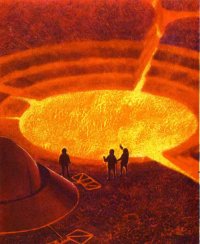
Описание картин в рассказе «Космос, космос…» (1965).
А. Соколов. "На Венере. У вулканического кратера".
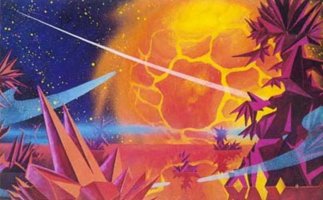
И, наконец, последняя из шести картин, вся в калено-желтых, оранжевых и багровых тонах, показывала круглое озеро огненной лавы, может быть, жерло вулкана, проплавившее поверхностный слой шлака, изборожденный мелкими трещинами. Три космонавта в термозащитных скафандрах бесстрашно стояли около озера, у транспортной машины или, может быть, временной наблюдательной станции.

Description of the paintings in the short story "Space, Space..." (1965).

A. Sokolov. "On Venus: By a Volcanic Crater."
And finally, the last of the six paintings—rendered in shades of intense yellow, orange, and crimson—depicted a circular lake of fiery lava, perhaps a volcanic vent that had melted through the surface layer of slag, which was itself etched with a network of fine cracks. Three cosmonauts, clad in heat-resistant spacesuits, stood fearlessly near the lake, next to a transport vehicle—or perhaps a temporary observation station.
Descripción de las pinturas del relato «Espacio, espacio…» (1965).

A. Sokolov. «En Venus. En un cráter volcánico».
Finalmente, la última de las seis pinturas, todas en tonos amarillo carmesí, naranja y carmesí, mostraba un lago circular de lava ardiente, quizás un cráter volcánico cuya capa superficial de escoria se había fundido, plagado de pequeñas grietas. Tres cosmonautas con trajes espaciales de protección térmica permanecían intrépidos cerca del lago, junto a un vehículo de transporte o tal vez una estación de observación temporal.
Story 24 06
 
Frimen1917

Frimen1917

Mecca V.I.P.
VIP
Joined
Jan 9, 2026
Messages
3,341
Points
63
Описание картин в рассказе «Пять картин» (1970)
А. Соколов. "Облет планеты".
На первой картине белый след быстро несущегося звездолета прорезал угрожающе фиолетовое, исчерченное пурпуром небо планеты Венеры. Бледные зелено-голубые огни электрических бурь неистовствовали над фиолетовым океаном.
Descriptions of paintings in the short story "Five Paintings" (1970)

A. Sokolov. "Orbiting a Planet."
In the first painting, the white trail of a rapidly moving starship cuts across the menacingly violet, crimson-streaked sky of the planet Venus. Pale, greenish-blue flashes of electrical storms rage above a violet ocean.
Descripción de las pinturas en el relato «Cinco pinturas» (1970)

A. Sokolov. «Volando alrededor del planeta».
En la primera pintura, la estela blanca de una nave espacial que se desplaza velozmente surca el cielo amenazadoramente violeta, salpicado de vetas púrpuras, del planeta Venus. Luces pálidas de color verde azulado, producto de tormentas eléctricas, rugen sobre el océano violeta.
Story 24 07
 
Frimen1917

Frimen1917

Mecca V.I.P.
VIP
Joined
Jan 9, 2026
Messages
3,341
Points
63
Описание картин в рассказе «Пять картин» (1970).
А. Соколов.
1."Красный вечер".
2."Синее утро".
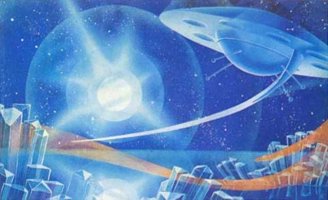
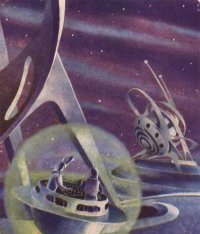
Вторая и третья картины изображали различные аспекты планеты двойной звезды – красного гиганта и голубого карлика. Резкие колебания температуры делали невозможной жизнь земного типа, но она тем не менее существовала в виде кремниевых кристаллов. Одна картина показывала красное солнце, другая – голубое и дисковидный звездолет с Земли, проникший в мир двойного солнца и кристаллической жизни.

Descriptions of paintings in the short story "Five Paintings" (1970).

A. Sokolov.
1. "Red Evening".
2. "Blue Morning".

The second and third paintings depicted various aspects of a planet orbiting a binary star system—a red giant and a blue dwarf. Extreme temperature fluctuations made Earth-like life impossible; nevertheless, life existed there in the form of silicon-based crystals. One painting showed the red sun, while the other depicted the blue sun and a disc-shaped starship from Earth that had ventured into this world of a binary star system and crystalline life.
Descripción de las pinturas del relato «Cinco pinturas» (1970).

A. Sokolov.
1. "Atardecer rojo".
2. "Amanecer azul".

Las pinturas segunda y tercera representan diferentes aspectos de un planeta que orbita una estrella binaria: una gigante roja y una enana azul. Las bruscas fluctuaciones de temperatura hacían imposible la vida en la Tierra, pero esta existía en forma de cristales de silicio. Una pintura muestra un sol rojo, la otra una nave espacial azul con forma de disco, procedente de la Tierra, penetrando en el mundo del sol binario y la vida cristalina.
Story 24 08
Story 24 09
 
Frimen1917

Frimen1917

Mecca V.I.P.
VIP
Joined
Jan 9, 2026
Messages
3,341
Points
63
Описание картин в рассказе «Пять картин» (1970).
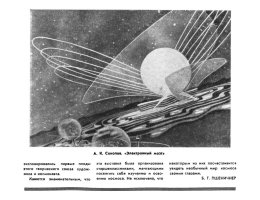
А. Соколов. "Электронный мозг".
Четвертая картина была посвящена первой встрече земных людей и мыслящих существ другого мира. Художник не попытался изобразить эти существа, вероятно, потому, что тогда господствовали взгляды о множественности форм мыслящей материи. Он написал встречу с творением инопланетной цивилизации – гигантским электронным мозгом, управляющим работой автоматических устройств планеты.

Description of the paintings in the short story "Five Paintings" (1970).

A. Sokolov. "Electronic Brain."
The fourth painting depicted the first encounter between humans from Earth and intelligent beings from another world. The artist did not attempt to portray these beings—likely because, at the time, the prevailing view was that intelligent matter could take on a multitude of forms. Instead, he depicted an encounter with a creation of an extraterrestrial civilization: a gigantic electronic brain that controlled the operation of the planet’s automated systems.
Descripción de las pinturas en el relato «Cinco pinturas» (1970).

A. Sokolov. «Cerebro electrónico».
La cuarta pintura estaba dedicada al primer encuentro entre los terrícolas y seres pensantes de otro mundo. El artista no intentó representar a estos seres, probablemente porque la visión predominante en aquel entonces era que existían múltiples formas de materia pensante. Representó un encuentro con una creación de una civilización alienígena: un cerebro electrónico gigante que controlaba los dispositivos automáticos del planeta.
Story 24 10
 
Frimen1917

Frimen1917

Mecca V.I.P.
VIP
Joined
Jan 9, 2026
Messages
3,341
Points
63
Описание картин в рассказе «Пять картин» (1970).
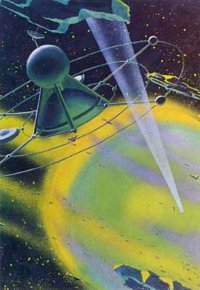
А. Соколов. "В кольце Сатурна".
Пятая, и последняя, картина изображала автоматическую станцию, заброшенную на пробу атмосферы Сатурна, на кольцо планеты среди осколков скал – остатков спутников, разорванных ее притяжением.

Descriptions of paintings in the short story "Five Paintings" (1970).

A. Sokolov. "In the Rings of Saturn."
The fifth and final painting depicted an automated probe—sent to sample Saturn’s atmosphere—resting on one of the planet’s rings amidst fragments of rock: the remnants of moons torn apart by the planet’s gravitational pull.
Descripción de las pinturas del relato «Cinco pinturas» (1970).

A. Sokolov. «En el anillo de Saturno».
La quinta y última pintura representa una estación automatizada desplegada para tomar muestras de la atmósfera de Saturno, en el anillo del planeta, entre fragmentos de roca: restos de satélites destrozados por su gravedad.

Story 24 11
 
Frimen1917

Frimen1917

Mecca V.I.P.
VIP
Joined
Jan 9, 2026
Messages
3,341
Points
63
Журнал "Земля и Вселенная". №2; 1966.
Страницы 82-86. Пер. в эл. вид Ю. Зубакин, 2025

КОСМОС ДАЛЕКИЙ И БЛИЗКИЙ. (Репортаж с выставки картин «Космос глазами ученого, художника, космонавта»)
В конце 1965 г. в одном из залов Московского Дворца пионеров и школьников была открыта выставка живописных работ, посвященных космосу. Авторы работ— летчик-космонавт СССР А. А. Леонов, доктор технических наук, профессор Г. И. Покровский, художник-фантаст А. К. Соколов.
Посетители подолгу рассматривали каждую работу. Картины воспринимались ими не только как художественные произведения. Зрители словно разглядывали мир в иллюминаторы фантастического звездолета, сквозь которые как бы просматривались не только космические окрестности нашей планеты, но и архитектура далеких внеземных цивилизаций.
Большинство картин, показанных на выставке, — научно-фантастические произведения. Исключение составляли некоторые работы космонавта А. А. Леонова, с которых и начинается знакомство с экспозицией. Все-таки очень здорово, что первым в открытый космос вышел космонавт-художник! О том, что в отряде летчиков-космонавтов есть свой художник, мы узнали задолго до полета корабля «Восход-2». На выставке представлен рисунок «Восток» идет домой», который был впервые опубликован в «Правде» еще в 1961 г. с пояснительным текстом Ю. А. Гагарина. С волнением вглядываются посетители в пока еще немногочисленные картины Леонова, написанные им по наблюдениям и зарисовкам, выполненным во время космического путешествия. Прежде всего, поражает интенсивность цветовой гаммы картин космонавта. И дело здесь не в особенности творческой манеры художника. Таков космос с натуры. Невольно вспоминаются слова Леонова, что только средствами искусства можно передать то необычайное ощущение, которое охватывает человека в космическом путешествии. Живописные работы А. А. Леонова имеют несомненно и научное значение. Особенно интересна воспроизведенная на первой странице обложки нашего журнала картина, запечатлевшая восход Солнца. Над темным диском планеты, украшенном красными искрами городских огней, ярко светится трехслойный ободок, состоящий из дуг красного, интенсивно-палевого и голубого цвета. В тот момент, когда красный диск Солнца показался над планетой, космонавт увидел, что наше дневное светило украсилось своеобразным венцом, напоминающим кокошник. Этот редкий, ранее никем не отмеченный оптический эффект наблюдался 19 марта 19б5 г. в 5 часов утра по московскому времени. У Алексея Леонова был с собой рисунок спектра солнечного света, с которым он и сравнивал краски космического восхода. Это позволило ему на борту корабля зарисовать наблюдаемую картину цветными карандашами.
После знакомства с художественно-документальными работами А. А. Леонова, в которых видишь воплощенную мечту, совершенно по-новому воспринимаются произведения других художников. Даже самая фантастическая из картин теперь представляется возможной.
Картины профессора Г. И. Покровского это, как правило, инженерные проекты, устремленные в далекое будущее нашей цивилизации.

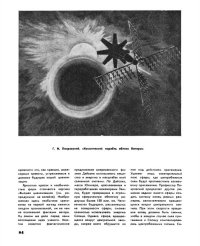
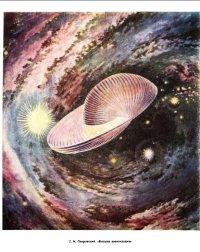
Яркостью красок и необычностью форм отличается картина «Высшая цивилизация» (см. репродукцию на вклейке). Изображенная здесь необычная «раковина» на первый взгляд кажется плодом произвольной, ни на чем не основанной фантазии автора. На самом же деле перед нами воплощение идеи ученого. Многим известно фантастическое предложение американского физика Дайсона использовать вещество и энергию в масштабах всей солнечной системы. По Дайсону, масса Юпитера, «расчлененная и переработанная инженерами Земли», будет превращена в огромную сферическую оболочку радиусом более 150 млн. км. Человечество будущего, расселившись на поверхности сферы, сможет полностью использовать энергию Солнца. Однако сфера, вращающаяся вокруг центральной звезды, скорее всего обрушится на нее под действием притяжения. Уцелеет лишь экваториальный пояс сферы, где центробежные силы будут противостоять солнечному притяжению. Профессор Покровский (предлагает другое решение задачи: вместо сферы создать систему колец разных размеров, самостоятельно вращающихся вокруг центрального светила. При этом скорости вращения колец должны быть такими, чтобы в каждом случае сила притяжения к Солнцу компенсировалась центробежными силами. Система колец в совокупности составит своеобразную раковину, которая и изображена на картине Г. И. Покровского.
Близкая по характеру идея положена в основу другой картины Покровского «Строительство космического кольца вокруг Земли». Развитие космонавтики должно, по-видимому, привести к созданию очень больших орбитальных станций. По мнению Г. И. Покровского, наиболее целесообразно соединение элементов на круговой орбите в виде дуги. В дальнейшем такая дуга может замкнуться в кольцо, опоясывающее весь земной шар. Кроме среднего кольца на картине показана сборка внешнего и внутреннего колец, соединенных со средним системой тросов.

На выставке много работ известного художника-фантаста Андрея Соколова. Художник, начиная с 1957 г.— первого года космической эры, посвятил свое творчество темам космоса. Если в работах Алексея Леонова запечатлены уже достигнутые свершения советской космонавтики, а в картинах Г. И. Покровского отражены предвидения ученого и инженера, то творчество Андрея Соколова — это научная фантастика в живописи, фантастика самых дальних горизонтов. Многие картины художника переносят нас в бесконечно далекие глубины пространства и времени. Мы видим пейзажи неведомых планет, где материя проявляет себя в необычных для нас формах и состояниях. Очень интересна, например, работа Соколова «На планете двойной звезды». Здесь художник пытается представить внешние формы организмов, развившихся на основе кремния. Колонии кристаллов причудливой формы освещены красным светом огромной звезды, поднимающейся из-за горизонта...
Соколов по образованию архитектор. Не случайно поэтому особенно интересна серия картин, которые можно было бы объединить под общей рубрикой «Архитектура внеземной цивилизации». Очень красива и поэтична лирическая картина «Им светит Земля». Удачно передано настроение людей, которые после длительного пребывания на обратной стороне Луны вновь увидели появившуюся над горизонтом родную планету. «Здравствуй, родная Земля» — назвал художник эту свою работу.
В последнее время Алексей Леонов и Андрей Соколов нередко работают вместе. На выставке экспонировались первые плоды этого творческого союза художника и космонавта.
Кажется знаменательным, что эта выставка была организована старшеклассниками, мечтающими посвятить себя изучению и освоению космоса. Не исключено, что некоторым из них посчастливится увидеть необычный мир космоса своими глазами.
Автор статьи Б. Г. ПШЕНИЧНЕР.
На фото страницы журнала "Земля и Вселенная". №2; 1966.

Magazine “Earth and Universe” (Zemlya i Vselennaya). No. 2, 1966.​

Pages 82–86. Digitized transcription by Yu. Zubakin, 2025.​

THE DISTANT AND THE NEARBY COSMOS​

(A report from the exhibition of paintings “The Cosmos Through the Eyes of a Scientist, an Artist and a Cosmonaut”)​

At the end of 1965, an exhibition of paintings devoted to space opened in one of the halls of the Moscow Palace of Young Pioneers and Schoolchildren. The artists were USSR pilot-cosmonaut A. A. Leonov, Doctor of Technical Sciences and Professor G. I. Pokrovsky, and science-fiction artist A. K. Sokolov. Visitors spent a long time studying each work. They perceived the paintings not merely as works of art. It was as though the viewers were looking at the world through the portholes of a fantastic starship, through which they could see not only the cosmic surroundings of our planet, but also the architecture of distant extraterrestrial civilizations.

Most of the paintings presented at the exhibition were works of science fiction. The exception was a number of works by cosmonaut A. A. Leonov, with which the visitor's introduction to the exhibition began. After all, it is truly wonderful that the first man to venture into outer space was a cosmonaut who was also an artist! We learned that the corps of pilot-cosmonauts had its own artist long before the flight of the Voskhod-2 spacecraft. The exhibition featured a drawing entitled “Vostok Is Heading Home”, which had first been published in Pravda back in 1961, accompanied by explanatory text by Yu. A. Gagarin. Visitors gaze with emotion at Leonov's still relatively few paintings, created from observations and sketches made during his space journey. Above all, the intensity of the colours in the cosmonaut's paintings is striking. This is not simply a feature of the artist's personal style. This is what space looks like in reality. One cannot help recalling Leonov's words that only the means of art can convey the extraordinary sensation that overwhelms a person during a journey into space.

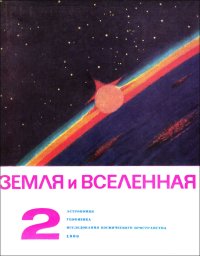
A. A. Leonov's paintings are undoubtedly of scientific significance as well. Particularly interesting is the painting reproduced on the front cover of our magazine, depicting a sunrise. Above the planet's dark disc, adorned with red sparks of city lights, shines a brilliant three-layered rim consisting of arcs of red, intense pale-yellow and blue. At the moment when the red disc of the Sun appeared above the planet, the cosmonaut saw that our daylight star was adorned with a peculiar crown resembling a traditional Russian kokoshnik headdress. This rare optical effect, previously unrecorded by anyone, was observed on 19 March 1965, at 5 a.m. Moscow time. Alexei Leonov had a drawing of the solar spectrum with him, which he used to compare the colours of the cosmic sunrise. This enabled him to sketch the observed scene in coloured pencils aboard the spacecraft.

After becoming acquainted with A. A. Leonov's artistic and documentary works, in which one sees a dream brought to life, the works of other artists are perceived in an entirely new way. Even the most fantastic paintings now seem possible.

Professor G. I. Pokrovsky's paintings are, as a rule, engineering designs reaching far into the future of our civilization.

The painting “Higher Civilization” (see the reproduction in the insert) is distinguished by its vivid colours and unusual forms. At first glance, the extraordinary “shell” depicted here seems to be the product of the author's arbitrary imagination, unsupported by anything. In reality, however, we are looking at the embodiment of a scientific idea.

Many people are familiar with the fantastic proposal made by the American physicist Dyson to use matter and energy on the scale of the entire Solar System. According to Dyson, the mass of Jupiter, “dismantled and reprocessed by Earth's engineers”, would be transformed into an enormous spherical shell with a radius of more than 150 million kilometres. By settling on the surface of this sphere, the humanity of the future would be able to make full use of the Sun's energy.

However, a sphere rotating around a central star would most likely collapse onto it under the force of gravity. Only the sphere's equatorial belt would survive, where centrifugal forces would counteract the Sun's gravitational attraction. Professor Pokrovsky proposes a different solution to the problem: instead of a sphere, he suggests creating a system of rings of different sizes, each rotating independently around the central star. The rotational speeds of the rings would have to be such that, in each case, the gravitational attraction of the Sun would be balanced by centrifugal forces. Taken together, the system of rings would form a peculiar shell, which is what G. I. Pokrovsky has depicted in his painting.

A similar idea forms the basis of another of Pokrovsky's paintings, “Construction of a Space Ring Around the Earth”. The development of cosmonautics will apparently lead to the creation of very large orbital stations. In G. I. Pokrovsky's opinion, the most practical approach would be to connect individual elements along a circular orbit in the form of an arc. In time, this arc could be closed into a ring encircling the entire globe. In addition to the middle ring, the painting shows the assembly of an outer and an inner ring, connected to the middle one by a system of cables.

The exhibition features many works by the well-known science-fiction artist Andrei Sokolov. Since 1957 — the first year of the Space Age — the artist has devoted his creative work to space themes. If Alexei Leonov's works capture achievements already accomplished by Soviet cosmonautics, and G. I. Pokrovsky's paintings reflect the scientific and engineering foresight of the future, then Andrei Sokolov's art represents science fiction in painting, exploring the most distant horizons.

Many of the artist's paintings transport us to the infinitely remote depths of space and time. We see landscapes of unknown planets, where matter manifests itself in forms and states unfamiliar to us. One particularly interesting example is Sokolov's work “On a Planet of a Double Star”. Here the artist attempts to imagine the outward forms of organisms that have evolved on a silicon basis. Colonies of crystals of bizarre shapes are illuminated by the red light of an enormous star rising above the horizon...

Sokolov trained as an architect. It is therefore no coincidence that his series of paintings which could be brought together under the general heading “Architecture of an Extraterrestrial Civilization” is particularly interesting. The lyrical painting “The Earth Shines for Them” is especially beautiful and poetic. It successfully conveys the mood of people who, after a prolonged stay on the far side of the Moon, have once again seen their home planet appear above the horizon. The artist gave this work the title “Hello, Dear Earth”.

Recently, Alexei Leonov and Andrei Sokolov have often worked together. The exhibition presented the first fruits of this creative partnership between an artist and a cosmonaut.

It seems significant that the exhibition was organized by senior school students who dream of devoting their lives to the study and exploration of space. It is quite possible that some of them will be fortunate enough to see the extraordinary world of space with their own eyes.

Article by B. G. PSHENICHNER.​

Photograph: a page from the magazine Earth and Universe (Zemlya i Vselennaya), No. 2, 1966.
Revista «La Tierra y el Universo» (Zemlya i Vselennaya). N.º 2, 1966.​

Páginas 82–86. Transcripción digital: Yu. Zubakin, 2025.​

EL COSMOS LEJANO Y CERCANO​

(Crónica de la exposición de pinturas «El cosmos a través de los ojos de un científico, un artista y un cosmonauta»)​

A finales de 1965 se inauguró, en una de las salas del Palacio de los Jóvenes Pioneros y Escolares de Moscú, una exposición de pinturas dedicadas al cosmos. Los autores de las obras eran el piloto-cosmonauta de la URSS A. A. Leónov, el doctor en Ciencias Técnicas y profesor G. I. Pokrovski y el artista de ciencia ficción A. K. Sókolov. Los visitantes se detenían largo rato ante cada obra. No percibían los cuadros únicamente como obras de arte. Era como si contemplaran el mundo a través de las ventanillas de una nave estelar fantástica, desde las cuales se podían observar no solo los alrededores cósmicos de nuestro planeta, sino también la arquitectura de lejanas civilizaciones extraterrestres.

La mayoría de los cuadros presentados en la exposición eran obras de ciencia ficción. La excepción la constituían algunos trabajos del cosmonauta A. A. Leónov, con los que comenzaba el recorrido por la exposición. ¡Después de todo, es realmente maravilloso que el primer hombre en salir al espacio exterior fuera un cosmonauta-artista! Supimos que el cuerpo de pilotos-cosmonautas contaba con su propio artista mucho antes del vuelo de la nave espacial Vosjod-2. En la exposición se presentaba el dibujo titulado «Vostok regresa a casa», publicado por primera vez en el periódico Pravda en 1961, acompañado de un texto explicativo de Yu. A. Gagarin. Los visitantes contemplan emocionados los todavía escasos cuadros de Leónov, realizados a partir de sus observaciones y bocetos durante su viaje espacial. Ante todo, impresiona la intensidad de la gama cromática de los cuadros del cosmonauta. Y no se trata de una peculiaridad del estilo artístico del autor. Así es el cosmos visto directamente. Es inevitable recordar las palabras de Leónov, según las cuales solo los medios del arte permiten transmitir esa extraordinaria sensación que invade al ser humano durante un viaje espacial.

Las obras pictóricas de A. A. Leónov tienen, sin duda, también un valor científico. Resulta especialmente interesante el cuadro reproducido en la primera página de la portada de nuestra revista, que representa la salida del Sol. Sobre el disco oscuro del planeta, adornado con las chispas rojas de las luces de las ciudades, brilla intensamente un halo de tres capas, formado por arcos de color rojo, amarillo pálido intenso y azul. En el momento en que el disco rojo del Sol apareció por encima del planeta, el cosmonauta vio que nuestra estrella diurna estaba adornada con una especie de corona que recordaba a un kokóshnik, el tocado tradicional ruso. Este raro efecto óptico, que nadie había observado ni registrado anteriormente, fue observado el 19 de marzo de 1965, a las cinco de la mañana, hora de Moscú. Alexéi Leónov llevaba consigo un dibujo del espectro de la luz solar, con el que comparó los colores del amanecer cósmico. Esto le permitió realizar un boceto de la escena observada con lápices de colores a bordo de la nave espacial.

Después de conocer las obras artístico-documentales de A. A. Leónov, en las que vemos un sueño hecho realidad, las creaciones de los demás artistas se perciben de una manera completamente distinta. Incluso el más fantástico de los cuadros parece ahora posible.

Los cuadros del profesor G. I. Pokrovski son, por regla general, proyectos de ingeniería orientados hacia el futuro lejano de nuestra civilización.

El cuadro «Civilización superior» (véase la reproducción en el suplemento) destaca por la viveza de sus colores y la originalidad de sus formas. La extraña «concha» representada aquí parece, a primera vista, fruto de la imaginación arbitraria del autor, sin fundamento alguno. Sin embargo, en realidad estamos ante la plasmación de una idea científica.

Muchos conocen la fantástica propuesta del físico estadounidense Dyson de utilizar la materia y la energía a escala de todo el Sistema Solar. Según Dyson, la masa de Júpiter, «desmantelada y transformada por los ingenieros de la Tierra», se convertiría en una enorme envoltura esférica con un radio de más de 150 millones de kilómetros. La humanidad del futuro, al establecerse sobre la superficie de esta esfera, podría aprovechar plenamente la energía del Sol.

Sin embargo, lo más probable es que una esfera que girase alrededor de una estrella central acabara cayendo sobre ella debido a la fuerza de la gravedad. Solo sobreviviría la franja ecuatorial de la esfera, donde las fuerzas centrífugas contrarrestarían la atracción gravitatoria del Sol. El profesor Pokrovski propone otra solución al problema: en lugar de una esfera, crear un sistema de anillos de distintos tamaños que girasen de forma independiente alrededor de la estrella central. Las velocidades de rotación de los anillos deberían ser tales que, en cada caso, la atracción gravitatoria del Sol quedara compensada por las fuerzas centrífugas. En conjunto, el sistema de anillos formaría una especie de concha, que es la que aparece representada en el cuadro de G. I. Pokrovski.

Una idea de naturaleza similar constituye la base de otro cuadro de Pokrovski, «Construcción de un anillo espacial alrededor de la Tierra». El desarrollo de la cosmonáutica conducirá, al parecer, a la creación de estaciones orbitales de dimensiones muy grandes. En opinión de G. I. Pokrovski, lo más conveniente sería unir los distintos elementos a lo largo de una órbita circular, formando un arco. Más adelante, ese arco podría cerrarse hasta formar un anillo que rodeara todo el globo terrestre. Además del anillo central, el cuadro muestra el montaje de un anillo exterior y otro interior, conectados al central mediante un sistema de cables.

La exposición reúne numerosas obras del conocido artista de ciencia ficción Andréi Sókolov. Desde 1957, el primer año de la era espacial, el artista ha dedicado su trabajo creativo a los temas del cosmos. Si las obras de Alexéi Leónov reflejan los logros ya alcanzados por la cosmonáutica soviética, y los cuadros de G. I. Pokrovski plasman las previsiones de un científico e ingeniero, la obra de Andréi Sókolov representa la ciencia ficción en la pintura, una ciencia ficción que explora los horizontes más lejanos.

Muchos de los cuadros del artista nos transportan a las profundidades infinitamente lejanas del espacio y del tiempo. Vemos paisajes de planetas desconocidos, donde la materia se manifiesta en formas y estados que nos resultan insólitos. Es especialmente interesante, por ejemplo, la obra de Sókolov «En el planeta de una estrella doble». En ella, el artista intenta imaginar las formas externas de organismos que han evolucionado sobre una base de silicio. Colonias de cristales de formas caprichosas están iluminadas por la luz roja de una enorme estrella que se eleva sobre el horizonte…

Sókolov estudió arquitectura. Por eso no es casualidad que resulte especialmente interesante su serie de cuadros que podría agruparse bajo el título general «Arquitectura de una civilización extraterrestre». El cuadro lírico «La Tierra les ilumina» es especialmente bello y poético. Transmite con acierto el estado de ánimo de las personas que, después de una larga estancia en la cara oculta de la Luna, vuelven a ver aparecer sobre el horizonte su planeta natal. El artista tituló esta obra «Hola, querida Tierra».

Últimamente, Alexéi Leónov y Andréi Sókolov trabajan juntos con frecuencia. En la exposición se presentaban los primeros frutos de esta colaboración creativa entre un artista y un cosmonauta.

Parece significativo que esta exposición haya sido organizada por alumnos de los últimos cursos de secundaria que sueñan con dedicar su vida al estudio y la exploración del cosmos. No se puede descartar que algunos de ellos tengan la fortuna de contemplar con sus propios ojos el extraordinario mundo del espacio.

Artículo de B. G. PSHENICHNER.

Fotografía: una página de la revista La Tierra y el Universo (Zemlya i Vselennaya), n.º 2, 1966.
Clipboard 11 10 2026 10 Clipboard 11 10 2026 11 Clipboard 11 10 2026 12 Clipboard 11 10 2026 13 Clipboard 11 10 2026 14
 

MuscleMecca Crew

Mecca Staff
Frimen1917

Frimen1917

Mecca V.I.P.
VIP
Joined
Jan 9, 2026
Messages
3,341
Points
63
Обложка журнала "Земля и Вселенная".№"2; 1966.
1-я страница обложки – «Восход Солнца». Репродукция с картины лётчика-космонавта А. А. Леонова.
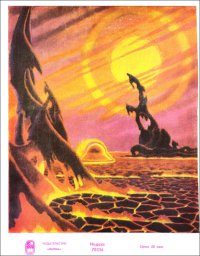
4-я страница обложки – «Венера раскалённая». Репродукция с картины художника А. К. Соколова.
Cover of the magazine "Earth and the Universe," No. 2, 1966.
Front cover – "Sunrise." A reproduction of a painting by cosmonaut A. A. Leonov.
Back cover – "Scorching-Hot Venus." A reproduction of a painting by artist A. K. Sokolov.
Portada de la revista «La Tierra y el Universo», número 2, 1966.

Página 1 de la portada: «Amanecer». Reproducción de una pintura del piloto y cosmonauta A. A. Leonov.
Página 4 de la portada: «Venus ardiente». Reproducción de una pintura del artista A. K. Sokolov.
Pshenichny 1 0 1 Pshenichny 1 6
 
Frimen1917

Frimen1917

Mecca V.I.P.
VIP
Joined
Jan 9, 2026
Messages
3,341
Points
63
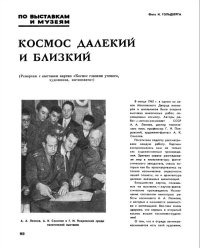
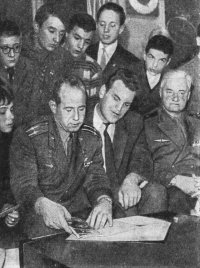
Фото из журнала "земля и Вселенная".№"2; 1966. А. А. Леонов, А. К. Соколов и Г. И. Покровский среди посетителей выставки.
Автор фото: И.Гольдберг.

Photo from the magazine "Earth and the Universe," No. 2, 1966. A. A. Leonov, A. K. Sokolov, and G. I. Pokrovsky among the visitors to an exhibition.
Photo by I. Goldberg.

Fotografía de la revista «La Tierra y el Universo», número 2, 1966. A. A. Leonov, A. K. Sokolov y G. I. Pokrovsky, entre los visitantes de la exposición.
Fotografía de I. Goldberg.

Pshenichny 1 1
 
Frimen1917

Frimen1917

Mecca V.I.P.
VIP
Joined
Jan 9, 2026
Messages
3,341
Points
63
Журнал "Земля и Вселенная".№"2; 1966. Картина "Высшая цивилизация". Художник Г.И.Покровский.
*Earth and the Universe* magazine, No. 2, 1966. Painting: "A Higher Civilization." Artist: G. I. Pokrovsky.
Revista "La Tierra y el Universo". N.° 2; 1966. Pintura "Civilización Superior". Artista: G.I. Pokrovsky.

Clipboard 11 10 2026 15
 
Frimen1917

Frimen1917

Mecca V.I.P.
VIP
Joined
Jan 9, 2026
Messages
3,341
Points
63
Художник А. Соколов
НА СПУТНИКЕ МАРСА
До загадочной планеты осталось совсем немного. Естественный спутник - маленькая марсианская луна стала удобной промежуточной станцией для ракет. Отсюда с небольшой начальной скоростью сейчас полетит к Марсу легкая космическая система с экипажем на борту.

Artist A. Sokolov

ON A MOON OF MARS
The mysterious planet is now very close. A natural satellite—a small Martian moon—has become a convenient waystation for rockets. From here, a lightweight spacecraft carrying a crew is about to depart for Mars, requiring only a modest initial velocity.
Artista A. Sokolov
EN EL SATÉLITE DE MARTE
El misterioso planeta está a la vuelta de la esquina. Un satélite natural, una pequeña luna marciana, se ha convertido en un punto de escala ideal para cohetes. Desde aquí, una ligera nave espacial tripulada volará hacia Marte a baja velocidad inicial.
1967WaitForUsStars11
 
Top